Open heart surgery in Turkey — get 3 personalized clinic matches
Bookimed lists 7 open heart surgery clinics in Turkey, all in Istanbul, including JCI-accredited and ISO-certified clinics. These clinics are rated 4.6/5 in 1,353 verified patient reviews on Bookimed.

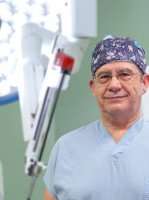
Medically reviewed by
Hasim Ustunsoy
How it works
How Much Does Open heart surgery Cost in Turkey?
Open heart surgery in Turkey typically costs from $12,000 to $17,600. The final price depends on the specific surgical technique, clinic accreditation, and the patient's age. Packages usually include the surgical procedure, anesthesia, intensive care unit stay, and airport-to-clinic transfers.
- Atrial septal defect surgery: from $19,500 for repairing a hole in the heart wall.
- Ventricular septal defect surgery: $10,000 to $15,500 to close an opening between lower chambers.
- Tetralogy of Fallot surgery: $16,000 to $21,000 for correcting complex congenital defects.
- Minimally invasive options: Robotic-assisted or beating-heart techniques typically add 20-30% to the base cost.
Bookimed Expert Insight: Choosing Istanbul clinics often provides access to surgeons with incredible procedural volumes. For example, Dr. Ali Fedakar has performed over 4,000 open heart surgeries. Major hubs like Anadolu Medical Center maintain affiliations with Johns Hopkins Hospital. This ensures Western clinical standards at Turkish price points. Mid-tier packages frequently offer the same JCI-accredited safety as premium options but with standard room upgrades.
| Turkey | Austria | Spain | |
|---|---|---|---|
| Open heart surgery | from $12,000 | ≈ $38,000 | from $49,300 |
| Ventricular Septal Defect Surgery | from $15,000 | ≈ $24,000 | ≈ $21,000 |
| Tetralogy of Fallot Surgery | from $16,000 | ≈ $38,000 | from $43,800 |
| Interventricular septal defect surgery | from $10,000 | ≈ $28,000 | ≈ $18,500 |
| Congenital heart surgery | from $25,000 | ≈ $38,000 | from $55,900 |
Discover the Best Open heart surgery Clinics in Turkey: 35 Verified Options and Prices







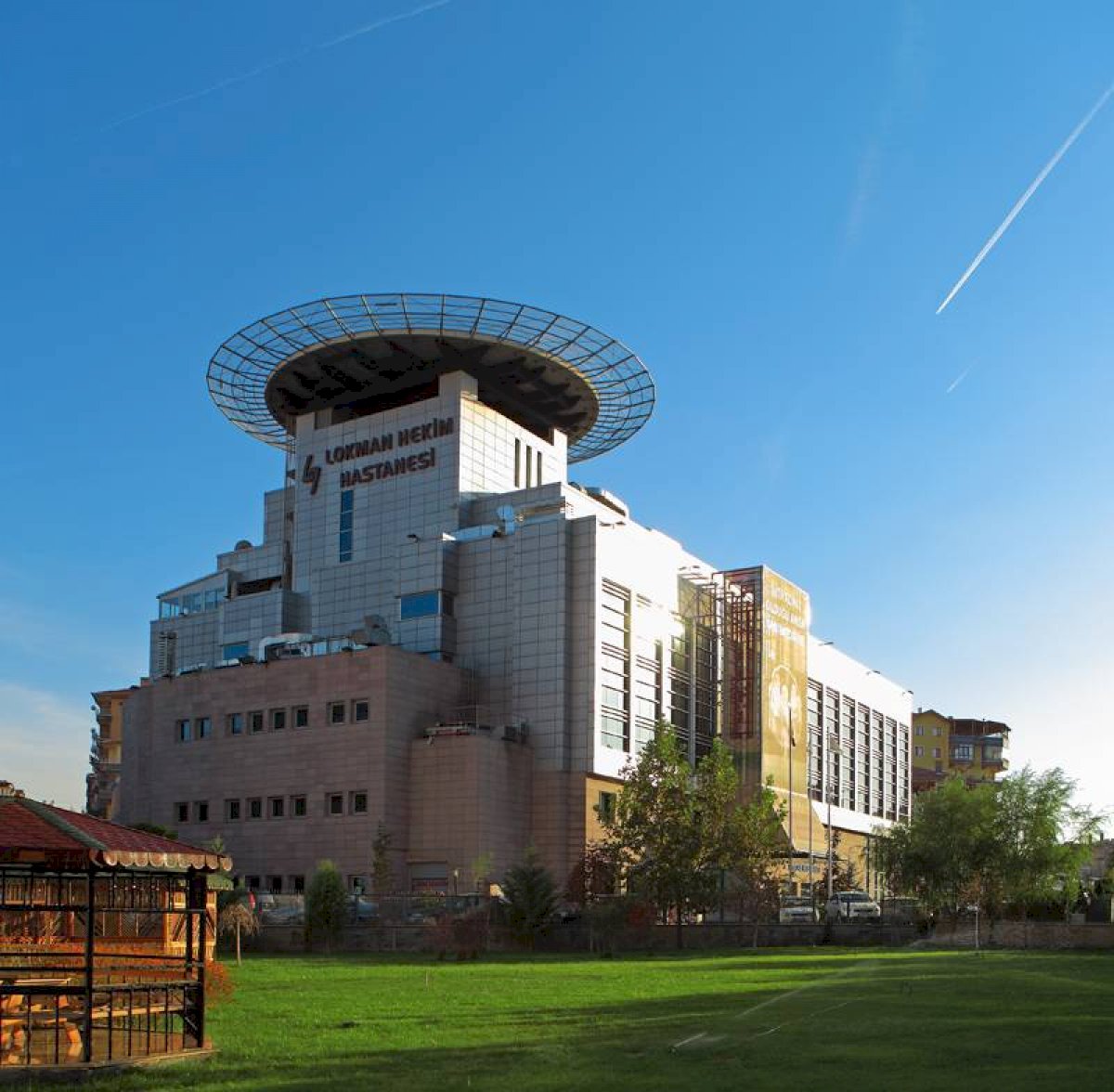
Lokman Hekim University Ankara Hospital
Yunus Nazli



Istanbul Florence Nightingale Hospital
Bulent Polat







Open heart surgery Overview in Turkey
- Atrial septal defect surgery - from $19,500The operation patches a hole in the heart"s wall, improving circulation and reducing strain on the heart.
- Interventricular septal defect surgery - from $10,000The operation repairs a hole in the heart"s wall, improving blood flow and reducing health risks, enhancing patient"s life quality.
- Open heart surgery - from $12,000This procedure involves operating on the heart itself, often to repair defects or blocked vessels, improving heart function.
- Tetralogy of Fallot Surgery - from $16,000The procedure corrects a four-way heart defect, improving blood flow and oxygen supply.
- Ventricular Septal Defect Surgery - from $15,000Repairs a hole in the heart"s wall, improving its function, blood flow, and overall health.
Day 1 - Arrival
- Arrive in the country for surgery.
- Transfer from airport to hotel.
Day 2 - Pre-Operation
- Consult with a cardiologist.
- Undergo necessary medical tests.
- Meet with an anesthesiologist.
Day 3 - Open Heart Surgery
- Arrive at the clinic for surgery.
- Undergo surgery, which may last 3-6 hours.
- General anesthesia will be provided.
Day 4 to Day 14 - Post-Operation
- Stay in the clinic for monitoring.
- Receive post-operative care and pain management.
- Transfer from clinic to hotel after discharge.
Week 2 to Week 6 - Rehabilitation
- Begin physical therapy for recovery.
- Gradually increase physical activity levels.
Week 6 onwards
- Gradual return to work and normal activities.
- Final results of surgery will be visible.
Please note that recovery times can vary from patient to patient. Always follow your doctor"s advice for the best results.
What patients like:
- Cost. The Open heart surgery cost in Turkey ranges from $12,000 to $17,600. This is significantly cheaper compared to prices in the US, where an open heart surgery can cost up to $200,000.
- Doctor’s professionalism. Turkish cardiac surgeons are highly trained, many holding international certifications and memberships in global medical organizations. They have performed multiple successful procedures.
- Service level. Patients appreciate the high standard of care in Turkish hospitals. This includes excellent nursing care, meals, and 24-hour service.
- Open heart surgery efficacy. Turkey's hospitals use modern techniques in open heart surgery, leading to successful outcomes.
- Logistics. Patients value the all-inclusive packages offered by hospitals, including airport transfers and interpreter services.
What patients don’t like:
- Waiting times. Some patients have reported long waiting times for procedures.
- Communication. While interpreter services are provided, language barriers can sometimes be a challenge.
- Post-surgery care. Some patients feel post-surgery care could be improved, particularly for international patients.
- Bookimed deposit: $200 or €200.
- Clinic deposit: Pay a set percentage in advance.
Our Trusted Doctors
View all Doctors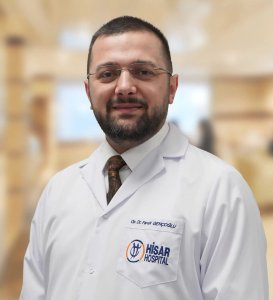
Faruk Gencoglu
3,000+ cardiovascular cases – Dr. Gencoglu specializes in adult heart surgery at Hisar Hospital Intercontinental.
- Specialized in adult coronary artery and valve diseases
- Former clinical chief of open heart surgery for 11 years
- Trained at Istanbul Cerrahpaşa Cardiology Institute
- Performs aortic, carotid, and peripheral vascular surgeries

Ali Fedakar
Performed 4,000+ open heart surgeries – Prof. Fedakar specializes in complex cardiac cases at Hisar Hospital Intercontinental.
- Led heart transplant teams for 28 years, performing 8 transplants as primary surgeon
- Pioneer in establishing cardiovascular surgery clinics at three major Turkish hospitals
- Expert in minimally invasive and beating heart bypass techniques
- Specializes in redo valve surgeries and aortic dissections
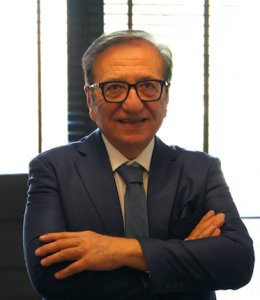
Öztekin Oto
Hasim Ustunsoy
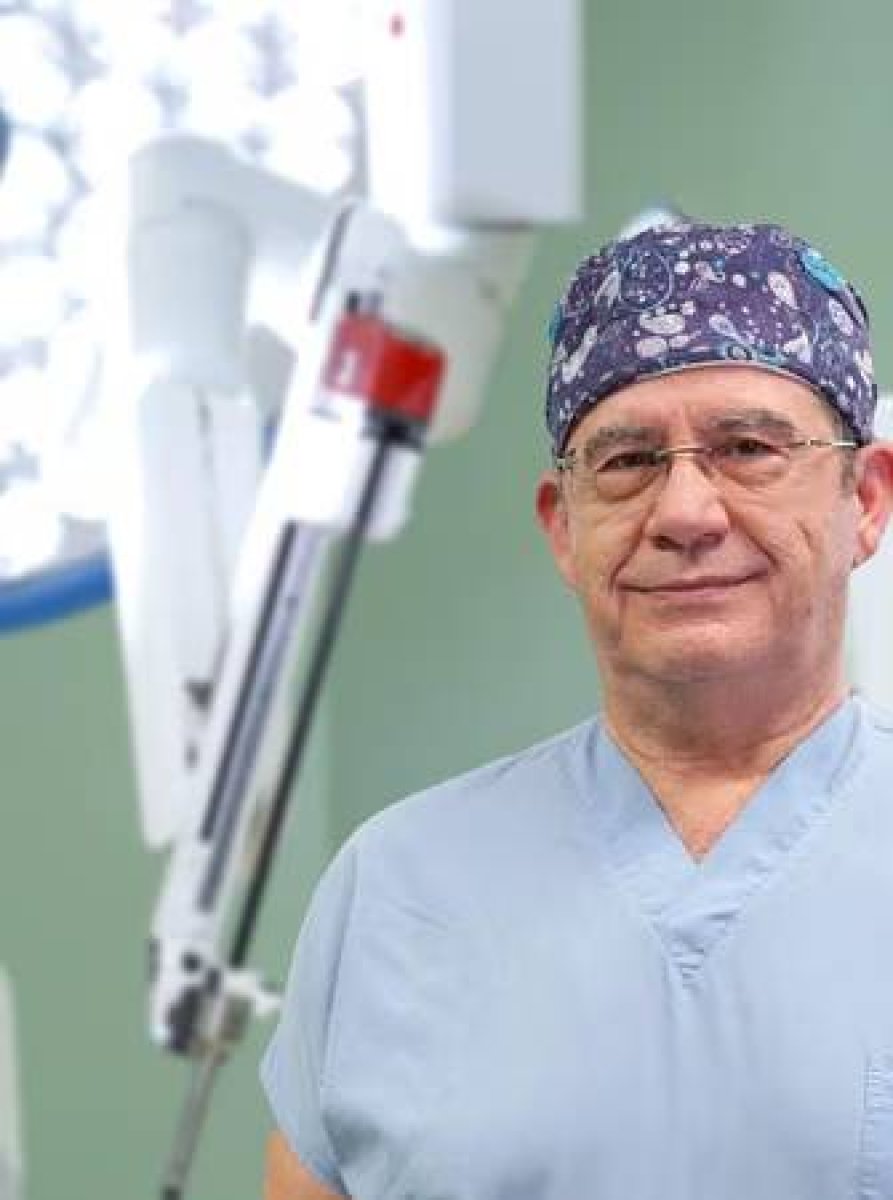
Dr. Hasim Ustunsoy is a cardiac surgeon at Anadolu Medical Center in Istanbul. He pioneered robotic cardiac surgery using the Da Vinci system in Turkey. Dr. Ustunsoy specializes in valve repair and coronary artery bypass. He provides treatment for both adults and children with complex heart conditions.
- Former Head of the Lung Transplant Center at Gaziantep University.
- Completed fellowships at Glasgow University and Columbia University in New York.
- Served as an Associate Professor at Geneva University in Switzerland.
- Member of the International Society for Heart and Lung Transplantation.
Video Stories from Bookimed Patients
Reviews about Bookimed: Discover Patients' Insights
All reviewsRelated Articles

Bonnie’s Open Heart Surgery Journey Abroad
Written by Kateryna Zamkovska
Share this content
Clinical research summaries
Published research with its context and limitations.
All research summaries → Anna Leonova
Our Open heart surgery Techniques: What Suits You Best?
When considering Open heart surgery, it’s important to understand the different techniques and which is best suited for you. Here’s a concise comparison of popular options:

Atrial Septal Defect Surgery
This procedure involves repairing a hole in the atrial septum to improve heart function and prevent complications.
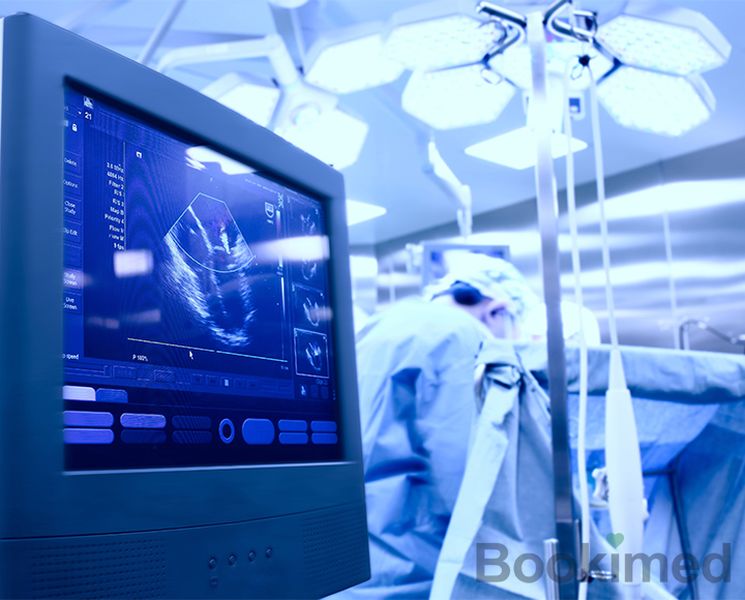
Tetralogy of Fallot Surgery
This procedure corrects heart defects present from birth, improving oxygen flow and overall cardiac function.
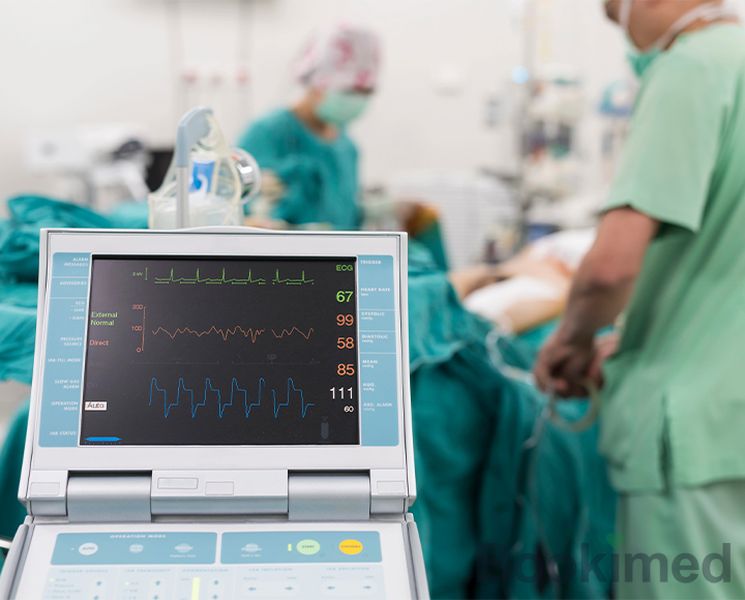
Ventricular Septal Defect Surgery
This cardiac operation involves repairing a hole in the septum between the heart's ventricles to improve blood flow and heart function.
FAQ about Open heart surgery in Turkey
What is the success rate for open heart surgeries in Turkey?
Open heart surgery in Turkey maintains a high success rate of approximately 95% to 98.5%. These outcomes match international benchmarks set by the Cleveland Clinic. Success specifically for elective coronary artery bypass grafting (CABG) reaching up to 98.5% at JCI-accredited facilities in Istanbul and Ankara.
- Coronary bypass: Success rates for elective cases range from 95% to 98.5% in top clinics.
- Valve replacement: Heart valve procedures typically see success rates between 94% and 97% nationwide.
- Expert volume: Surgeons like Dr. Ali Fedakar have personally performed over 4,000 open heart surgeries.
- Robotic assistance: Minimally invasive procedures using the da Vinci system report success rates up to 97%.
Bookimed Expert Insight: While general success is 95%, the experience gap among individual surgeons is huge. Dr. Emin Tireli at Medical Park Bahcelievler has performed over 6,329 congenital surgeries alone. Choosing a specialist who performs over 100 neonatal or complex cases annually significantly improves outcomes beyond the national average.
Patient Consensus: Patients frequently report that major Istanbul hospitals provide care comparable to US standards but suggest budgeting for private nursing to bridge minor communication gaps during recovery.
How long should I plan to stay in Turkey for open heart surgery and recovery?
Plan for a total stay of 14 to 21 days in Turkey to accommodate surgery, inpatient monitoring, and medical travel clearance. This timeframe generally includes a 10 to 14 day hospital stay at JCI-accredited facilities to manage recovery and prevent post-operative complications like deep vein thrombosis.
- Hospital duration: Patients typically stay 10 to 14 days for vital stabilization and wound care.
- ICU monitoring: Expect 1 to 2 days in intensive care immediately following the heart procedure.
- Flight clearance: Surgeons usually grant formal medical travel clearance 2 to 3 weeks post-surgery.
- Total recovery: Initial healing takes 3 to 4 weeks before returning home for long-term recovery.
Bookimed Expert Insight: Data from top Istanbul centers reveals that experienced surgeons like Dr. Ali Fedakar or Dr. Hasim Ustunsoy, who have performed 3,000 to 4,000 surgeries, maintain strict 14-day observation protocols. This longer inpatient stay, compared to some Western clinics, explains the high success rates and smoother transitions to long-haul travel.
Patient Consensus: Experienced patients recommend budgeting for a 1-week buffer beyond the standard discharge date. This extra time allows for managing minor issues like temporary arrhythmia or fluid retention before boarding a flight.
What is included in the surgery package for medical tourists?
Open heart surgery packages in Turkey typically bundle the surgical procedure, general anesthesia, and 5 to 7 days of hospitalization.
- Medical fees: Covers the lead surgeon, anesthesiologist, and specialized cardiac nursing staff.
- Hospital stay: Includes 5–7 nights in-hospital with intensive care unit (ICU) monitoring.
- Language support: Many JCI-accredited centers in Istanbul provide professional medical interpreter services.
- In-patient meals: Standard dietary plans for the patient during the recovery period are included.
Bookimed Expert Insight: Data from top clinics like Istanbul Florence Nightingale Hospital show that while surgery is bundled, pre-operative diagnostics like CT scans or stress tests are often billed separately. To avoid paying 20% to 50% above the initial quote, always request a written, itemized list that specifically confirms if heart valves or pacemakers are included.
Patient Consensus: Patients emphasize that while hospital care is excellent, independent hotel booking often saves 30% compared to clinic-arranged accommodation. Many recommend budgeting a 40% contingency fund for post-discharge medications and required follow-up imaging like echocardiograms.
Is language a barrier for international heart-surgery patients in Turkey?
Language is not a barrier for international heart surgery patients in Turkey at major JCI-accredited hospitals. Leading centers in Istanbul and Ankara employ multilingual coordinators and ECFMG-certified surgeons who often speak fluent English. Dedicated international departments eliminate communication gaps through professional medical translation and 24/7 personal assistance.
- International departments: Dedicated teams manage the patient journey from inquiry through post-operative discharge.
- Personal coordinators: Patients receive a dedicated liaison for 24/7 communication via WhatsApp.
- Medical translation: Top clinics provide consent forms and discharge instructions in the patient native language.
- Surgeon credentials: Many cardiac surgeons hold US certifications and memberships in American surgical societies.
Bookimed Expert Insight: Language proficiency is a formal quality metric at top-tier Turkish clinics. Hospitals like Anadolu Medical Center maintain a direct affiliation with Johns Hopkins Medicine. This ensures medical protocols and communication meet Western standards. Selecting a hospital with a high international patient volume, such as Florence Nightingale which serves 300,000 people annually, practically guarantees a seamless English-speaking experience.
Patient Consensus: Patients consistently report that while taxi drivers or hotel staff may require translation apps, surgical teams and hospital liaisons remain fully fluent. Many recommend downloading an offline Turkish language pack for casual interactions outside the clinical setting.