Reconstruction of Foot Joints and Toes in Turkey — Get 3 Top Clinic Matches with Costs
A reconstruction of foot joints and toes in Turkey costs $3,500 to $6,200, about 76% less than the US average of $20,500 (Bookimed data, November 2026). Bookimed lists 3 reconstruction of foot joints and toes clinics in Turkey, all in Istanbul, including ISO-certified and JCI-accredited clinics. These clinics are rated 4.7/5 in 468 verified patient reviews on Bookimed.

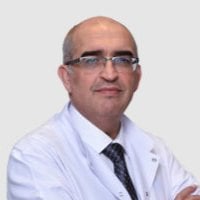
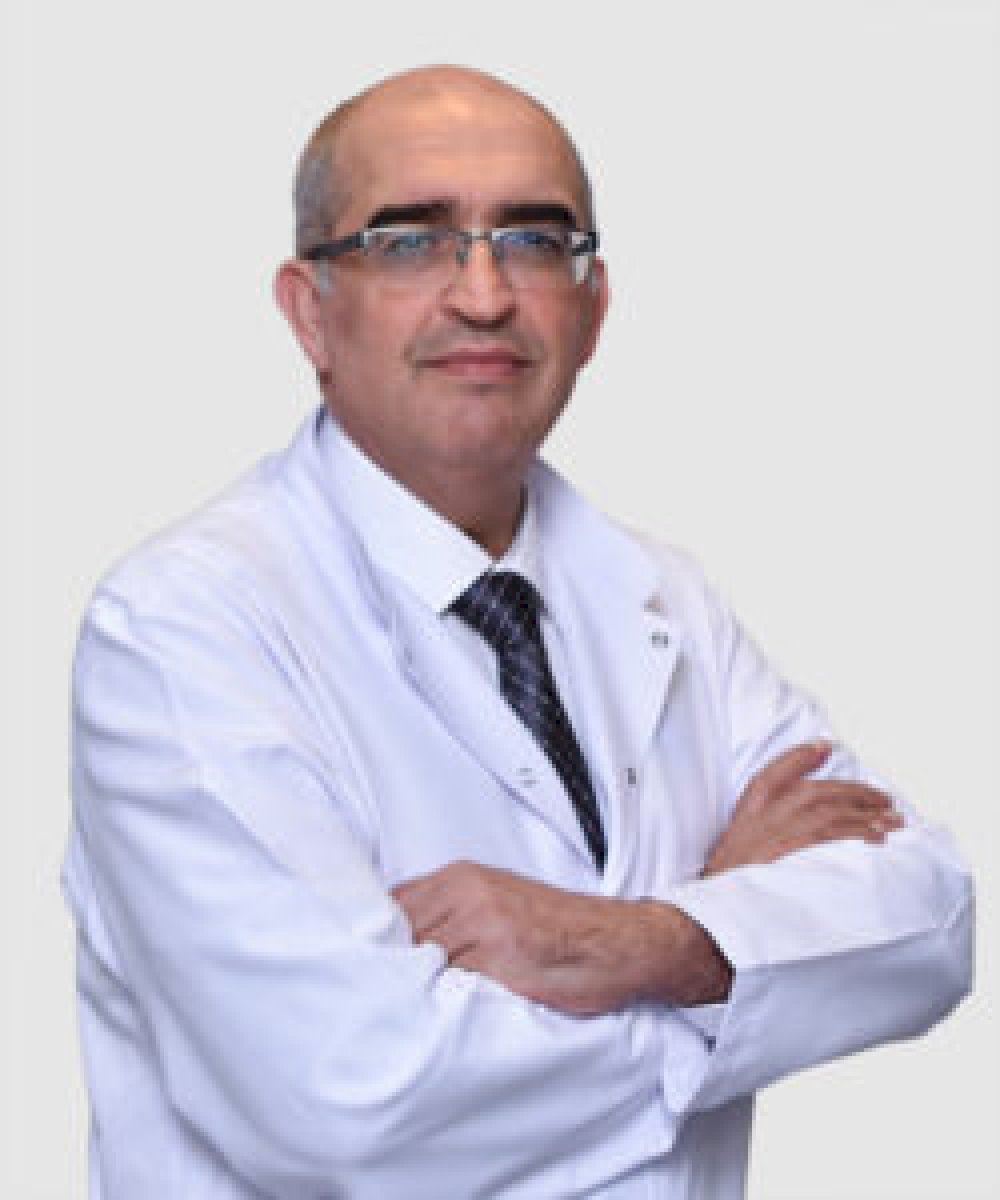
Medically reviewed by
Kayhan Turan
How Much Does Reconstruction of foot joints and toes Cost in Turkey?
Reconstruction of foot joints and toes in Turkey typically costs from $3,500 to $6,200. The final price depends on the surgical technique, the number of joints involved, and the clinic location. Patients save around 76% compared to the US, where this procedure costs $20,500 on average. Most Turkish packages include preoperative tests, surgical consultations, anesthesia, and medical materials like plates or screws.
- Small joint contracture release: Typically costs around $3,500 to $6,200 for single-toe corrections.
- Complex syndactyly correction: Often ranges from $3,500 to $6,200 when requiring bone fusion or skin grafts.
- Advanced imaging technology: Using the EOS device at Istanbul Florence Nightingale Hospital reduces radiation by 50%.
- Robotic-assisted surgery: Specialized MAKO robotic systems in Bursa or Istanbul typically add 20-30% to standard costs.
Bookimed Expert Insight: Choosing Istanbul clinics like Memorial Şişli Hospital or Istanbul Florence Nightingale Hospital ensures access to JCI-accredited care. These hubs offer advanced diagnostics such as EOS imaging often bundled into surgery packages. For complex cases, seeking board-certified specialists like Professor Cengiz Sen provides high-value expertise. Patients often find the best value in all-inclusive packages that cover both surgery and essential preoperative testing.
| Turkey | Austria | Spain | |
|---|---|---|---|
| Reconstruction of foot joints and toes | from $3,500 | ≈ $6,500 | from $16,600 |
Your Benefits and Guarantees with Bookimed
Transparent Prices & Flexible Installments
No hidden fees – just official clinic prices. Pay at the clinic for Reconstruction of foot joints and toes upon arrival and use a flexible installment plan if needed.
Verified Clinics & Doctors Only
Bookimed is committed to your safety. We only work with medical institutions that maintain high international standards in Reconstruction of foot joints and toes and have the necessary licenses to serve international patients worldwide.
Free 24/7 Assistance
Bookimed offers free expert assistance. A personal medical coordinator supports you before, during, and after your treatment, solving any issues. You're never alone on your Reconstruction of foot joints and toes journey.

Your personal Bookimed medical coordinator
- Supports you at every stage
- Helps choose the right clinic and doctor
- Ensures quick and convenient access to information
Discover the Best Reconstruction of foot joints and toes Clinics in Turkey: 23 Verified Options and Prices


Memorial Bahçelievler Hospital
Mustafa Kurklu




Hisar Hospital Intercontinental
Gursel Saka









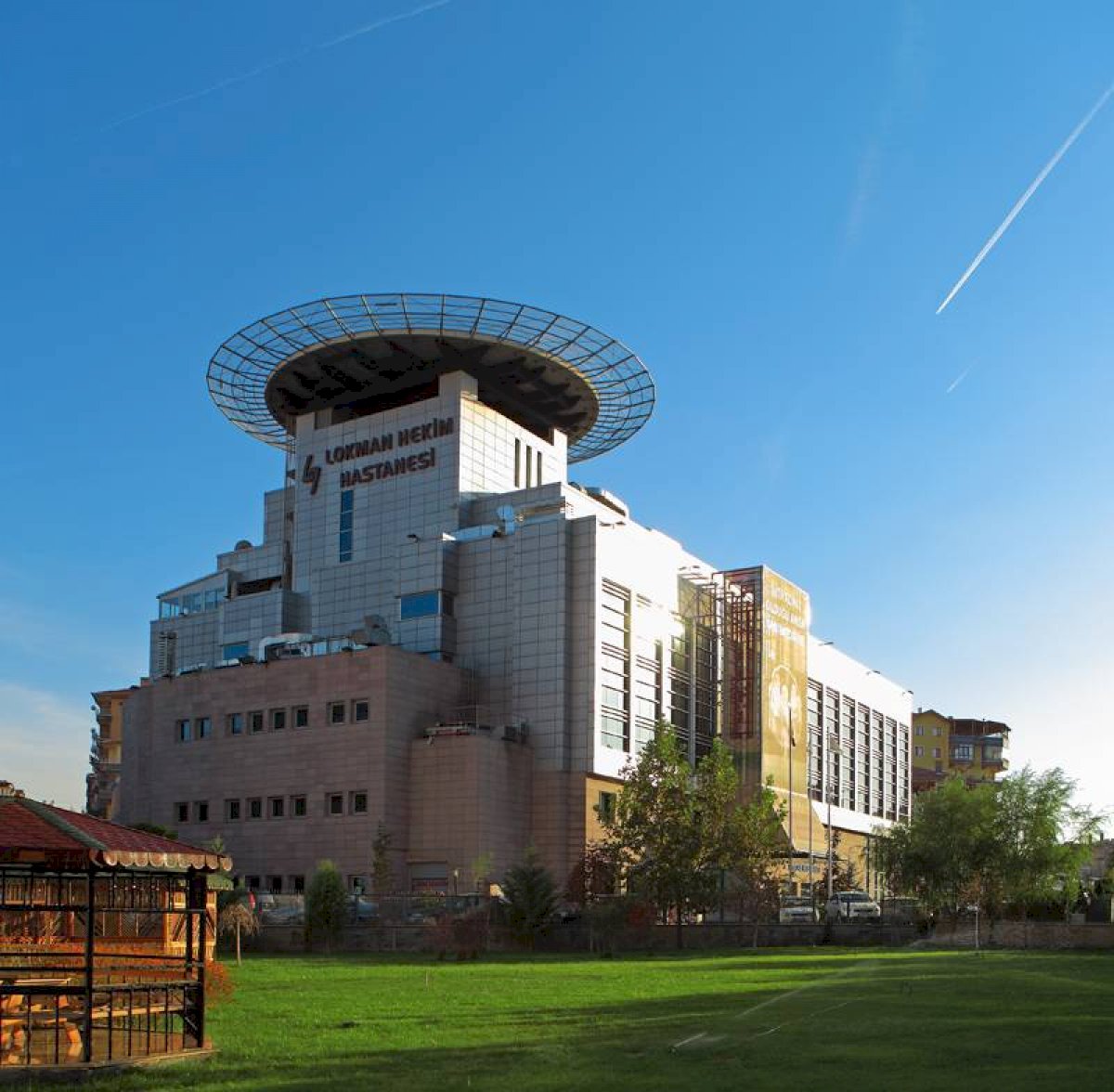
Lokman Hekim University Ankara Hospital
Mehmet Emin Simsek







Istanbul Florence Nightingale Hospital
Eyup Bakmaz

Reconstruction of foot joints and toes Overview in Turkey
- Breast reconstruction surgery - from $3,000The operation restores breast shape after mastectomy, using implants or body tissue. It boosts body image and confidence.
- Reconstruction of foot joints and toes - from $3,500This procedure corrects foot and toe joint deformities enhancing mobility, reducing pain, and improving overall foot health.
- Reconstructive surgery - from $5,800This therapy regains body function, improves appearance through surgical repair, benefiting heavily from grafting techniques.
- Prepectoral breast reconstruction - from $10,000This surgery remakes breasts post mastectomy, placing implants over chest muscles for a more natural appearance, hastening recovery.
- **DIEP Flap Reconstruction (Deep Inferior Epigastric Perforator Flap Surgery):** This surgery rebuilds the breast using skin and fat from the lower abdomen, preserving muscle for a natural appearance and smoother recovery.
Day 1
- Arrival and transfer to your accommodation.
- Initial consultation with the orthopedic surgeon.
- Preoperative tests including X-rays and blood tests.
Day 2
- Appointment with anesthesiologist for preoperative assessment.
- Discussion of the surgical plan and potential risks.
Day 3
- Transfer to the clinic for surgery.
- Reconstruction of foot joints and toes under general anesthesia.
- The surgery lasts approximately 2-3 hours.
Day 4-7
- Postoperative care in the clinic.
- Pain management and wound care.
- Discharge planning with the healthcare team.
Week 1-2
- Rest and recovery at home.
- Regular wound care and check-ups.
Week 3-6
- Begin physiotherapy for foot mobility.
- Gradual return to light daily activities.
Week 7-12
- Continue physical therapy and regular check-ups.
- Return to work and normal activities at this stage.
Month 6
- Final result of the reconstruction can be observed.
Please note that each patient’s recovery may vary and the timeline provided is a general guide.
- Bookimed deposit: $200 or €200.
- Clinic deposit: Pay a set percentage in advance.
Our Trusted Doctors
View all Doctors
Olcay Guler
Dr. Olcay Guler is an orthopedics and traumatology specialist at Memorial Şişli Hospital in Istanbul. He manages complex bone and joint conditions within a JCI-accredited facility. Dr. Guler previously held academic roles at Altınbaş University and Medipol University. He treats patients at one of Turkey’s most active private medical centers.
- Practices at Memorial Şişli, the first hospital in Turkey to earn JCI accreditation.
- Served as a specialist at Bahçelievler Medical Park and Medipol University.
- Treats a wide variety of orthopedic injuries and musculoskeletal disorders.
- Works in a facility that hosts patients from over 160 countries annually.

Mehmet Alp
The doctor is a highly experienced specialist in hand surgery and microsurgery with a career spanning over three decades. Currently serving at Memorial Sisli Hospital since 2011, the doctor has dedicated extensive professional time to advanced surgical interventions and microsurgical techniques.
Previously, the doctor spent eighteen years at Manus Hand Surgery and Microsurgery, further refining expertise in complex hand procedures. This clinical background is complemented by a foundational fellowship in hand surgery and microsurgery completed at the VKV American Hospital, establishing a long-standing commitment to excellence in the field of reconstructive and hand-focused surgical care.
Gursel Saka
Prof. Dr. Gursel Saka specializes in complex orthopedic procedures, including foot joint and toe reconstruction at Hisar Hospital Intercontinental.
- Expertise in spine surgery, trauma surgery, and arthroplasty
- TÜBİTAK XI. Technology Awards Finalist in 2014
- Associate Professor at Health Sciences University
- Performs successful operations in Orthopedics and Traumatology

Kayhan Turan
Dr. Turan trained at Northwestern University Medical School's Orthopedic Surgery Department, bringing international expertise to foot joint reconstruction.
- Specializes in orthopedic surgery with a focus on foot and joint procedures
- Member of prestigious organizations including AAOS and AANA
- Completed advanced training at Uludağ University's Orthopedics Department
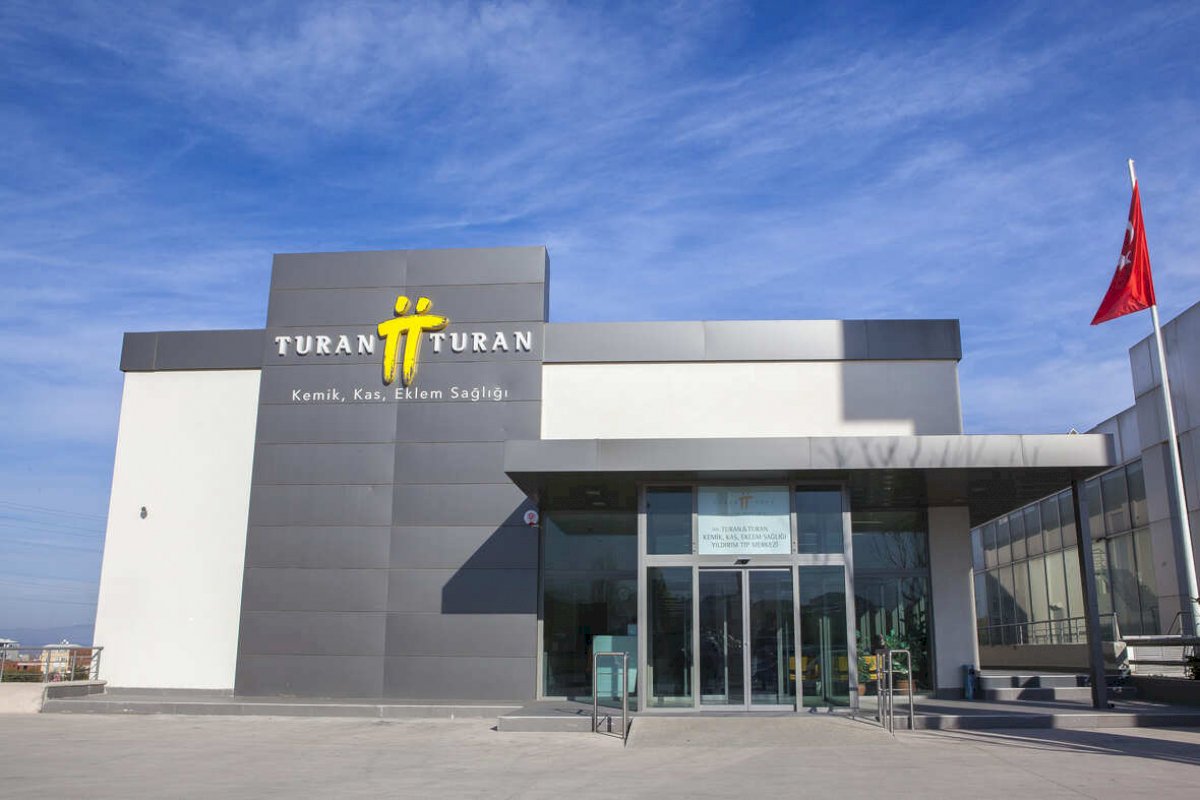
- Practices at Turan Turan Health Group with comprehensive orthopedic services
Reviews about Bookimed: Discover Patients' Insights
All reviews




Share this content
Video Stories from Bookimed Patients
 Anna Leonova
FAQ about Reconstruction of foot joints and toes in Turkey
What common foot conditions are treated with reconstruction?
Common foot conditions treated with reconstruction include structural deformities like bunions and hammertoes, traumatic injuries, and degenerative joint disease. These procedures restore function and alleviate pain by realigning bones, fusing joints, or repairing soft tissues such as tendons and ligaments in JCI-accredited facilities.
- Structural deformities: Corrects bunions, hammertoes, and claw toes through bone realignment and joint fusion.
- Arch issues: Addresses flat feet or high arches using calcaneal osteotomies and tendon transfers.
- Traumatic injuries: Repairs complex fractures, Achilles tendon ruptures, and chronic ankle instability or sprains.
- Degenerative conditions: Treats severe arthritis and Charcot foot, common in patients with advanced diabetes.
Bookimed Expert Insight: While many seek surgery for cosmetic alignment, data shows 70-80% satisfaction rates for functional reconstructions. High-volume centers like Memorial Şişli Hospital prioritize biomechanical stability over aesthetics. Patients should plan for a 14-day stay in Turkey to ensure proper initial healing before flying.
Patient Consensus: Many patients undergo reconstruction as a final resort after failed conservative treatments. They often emphasize that recovery requires 3–6 months of strictly following non-weight-bearing protocols with crutches or casts.
What are the main goals and expected results of foot-joint and toe reconstruction surgery?
The primary goals of foot-joint and toe reconstruction surgery in Turkey are to eliminate chronic pain, restore natural gait mechanics, and correct structural deformities like bunions or hammertoes. These procedures aim for functional restoration, allowing patients to bear weight and return to physical activities after conservative treatments fail.
- Pain reduction: Significant or total pain relief typically achieved within 3 months post-operation.
- Structural correction: Realignment of bones and tissues for deformities like flat feet or clubfoot.
- Surgical techniques: Options include motion-preserving joint replacement or stability-focused motion-limiting fusion.
- Recovery timeline: Full recovery takes 6 to 12 months with mandatory physical therapy.
Bookimed Expert Insight: Patients often overlook that swelling can persist for 1 to 2 years after complex reconstructions. Data suggests selecting surgeons like Dr. Erman Cekic, who has performed 10,000+ joint procedures, significantly improves long-term stability outcomes. While Turkey offers savings of up to 76%, the real value lies in access to JCI-accredited facilities that combine advanced microsurgery with comprehensive 12-week rehabilitation protocols.
Patient Consensus: Many patients report that while complete perfection is rare, the ability to wear normal shoes again is a life-changing result. Success depends heavily on strict compliance with physical therapy and managing expectations regarding residual limitations during the first year.
What is usually included in a Turkish surgery package?
Turkish surgery packages for foot and toe reconstruction typically bundle the surgical procedure, anesthesia, and surgeon fees with essential logistics. These all-inclusive arrangements often include 1–3 nights of hospitalization at JCI-accredited facilities, pre-operative blood work, medications, and VIP transfers between the airport, hotel, and clinic.
- Medical components: Includes surgeon fees, anesthesiology, and routine pre-operative screenings like EKGs.
- Hospital stay: Usually covers 1–3 nights in a private room with nursing care.
- Logistics: Dedicated VIP transfers between the airport, your hotel, and the medical center.
- Post-op support: Basic medications, follow-up consults before departure, and often WhatsApp-based remote care.
Bookimed Expert Insight: High-volume centers like Hisar Hospital Intercontinental often include specialized orthopedic imaging in their standard rates. While the procedure averages $3,500 in Turkey, checking for EOS imaging or robotic assistance is vital. These technologies can significantly improve alignment accuracy but occasionally require an additional fee of $300 to $500.
Patient Consensus: Patients report that while most basics are covered, unexpected costs like unplanned MRIs or custom orthotics can arise. Many recommend confirming if a personal translator is included to ensure clear communication during recovery.
How should I manage post-operative care at home?
Successful recovery after foot joint reconstruction in Turkey requires strict elevation, wound monitoring, and mobility management. Patients must keep the foot above heart level and adhere to non-weight-bearing protocols for 6 to 8 weeks to prevent surgical failure. Coordination with JCI-accredited centers like Memorial Sisli Hospital ensures high clinical safety standards.
- Swelling management: Elevate the foot above your heart 24/7 during the first weeks.
- Weight-bearing rules: Strictly avoid weight on the foot to prevent 30% re-operation risks.
- Infection control: Keep dressings dry and monitor daily for redness, warmth, or drainage.
- Mobility aids: Use a knee scooter or wheelchair instead of crutches for safety.
Bookimed Expert Insight: While clinics like Onvural Orthopedic Center provide elite surgical care, post-op supply logistics vary. Patients should pre-stock Betadine and sterile gauze before returning home. Also, request a gabapentin prescription early. Many patients experience intense nerve sensations around week 3 that standard painkillers cannot manage effectively.
Patient Consensus: Patients emphasize that cheating on crutch-use significantly delays healing. They recommend taking daily swelling photos to help Turkish surgeons provide accurate remote assessments during your recovery.
What are the major risks and possible complications?
Major risks of foot and toe reconstruction in Turkey include surgical site infections, deep vein thrombosis (DVT) from post-operative immobility, and hardware complications like migrating screws. Patients with diabetes or high BMI face increased healing delays, while smokers have higher risks of non-union where bones fail to fuse properly.
- Infection control: Risk increases in non-JCI-accredited facilities without strict sterile protocols for bone surgery.
- Hardware failure: Potential for internal screws or plates breaking, sometimes requiring specialized revision procedures.
- Thromboembolism: Long-haul flights post-surgery significantly elevate risks of blood clots and pulmonary embolism.
- Nerve damage: Possible loss of sensation or `drop foot` if local nerves are compressed during reconstruction.
Bookimed Expert Insight: Data from top Istanbul centers like Hisar Hospital Intercontinental shows that surgeons often perform over 3,000 robotic procedures. Choosing a high-volume specialist reduces the 20-30% revision rate sometimes seen in budget clinics. Experienced surgeons typically use titanium hardware to minimize the risk of rejection or breakages during the 18-month recovery period.
Patient Consensus: Many patients emphasize the need for clear communication to avoid post-operative `ghosting` by surgeons. Those who traveled back too early after surgery reported issues with swelling and pain management during long flights.
How long does the recovery process take and what are the key milestones?
Recovery from foot joint and toe reconstruction in Turkey typically requires 6 to 12 months for full maturation. Patients achieve key milestones like early mobility within 2 weeks and functional weight-bearing by month 3. Success depends on adhering to strict non-weight-bearing protocols and early physical therapy.
- Acute phase (0-72 hours): Focus on elevation and icing to manage peak swelling and surgical pain.
- Early mobility (1-2 weeks): Stitches are removed and patients transition to lighter assistive devices or boots.
- The turnaround (2-6 weeks): Initial healing allows a return to desk-based work and light daily tasks.
- Functional recovery (3-6 months): Patients resume moderate physical activities and begin building strength through consistent therapy.
- Full maturation (6-12 months): Tissues regain final strength and surgical scars flatten while stiffness gradually improves.
Bookimed Expert Insight: While many choose Turkey for surgery, the 10 to 14 day stay post-op is the real differentiator. This period allows specialized surgeons like Dr. Burak Onvural to monitor initial healing before you fly. This window is critical as premature travel can increase swelling and delay your 6-week walking milestone.
Patient Consensus: Patients emphasize that using a knee scooter for the first 6 weeks is life-changing for mobility. Most travelers recommend staying in Turkey for at least 12 days to ensure they are stable enough for the flight home.
Which surgical techniques are used for foot-joint and toe reconstruction in Turkey?
Surgeons in Turkey perform foot-joint and toe reconstruction using advanced techniques like minimally invasive Lapidus fusion, distraction osteogenesis with Ilizarov-like frames, and microvascular toe-to-toe transfers. JCI-accredited centers in Istanbul and Izmir utilize percutaneous screws and bioabsorbable pins to correct deformities like hallux valgus and hammertoes.
- Minimally invasive fusion: Lapidus procedures using internal fixation screws allow weight-bearing within 4 weeks.
- Distraction osteogenesis: Special frames enable toe lengthening for severe brachymetatarsia over 3-6 months.
- Hammertoe correction: Arthroplasty utilizing bioabsorbable pins eliminates the need for secondary implant removal.
- Complex reconstruction: Triple arthrodesis with cannulated screws stabilizes the hindfoot while minimizing surgical scarring.
Bookimed Expert Insight: While many international patients focus on bunion correction, Turkish orthopedic specialists like Dr. Burak Onvural or Prof. Dr. Cengiz Sen frequently perform rare microvascular free flap reconstructions for trauma. A key value-add in Istanbul clinics is the standard use of bioabsorbable implants, which prevents the discomfort and cost of a second surgery to remove metal pins.
Patient Consensus: Patients often recommend budgeting for a 2-week hotel stay because local heat can increase post-operative swelling. Many prioritize clinics providing before-and-after photos via WhatsApp to verify high case volumes for specific bone grafting techniques.
How long does the operation itself take?
Reconstruction of foot joints and toes in Turkey typically takes 1 to 3 hours per foot. Duration depends on whether the surgeon addresses single toe deformities or complex midfoot reconstructions. Highly experienced specialists at JCI-accredited hospitals in Istanbul and Izmir often complete these procedures with high efficiency.
- Simple procedures: Minor toe realignments or joint fixes usually require 45 to 90 minutes per side.
- Complex reconstructions: Procedures like Lisfranc repairs or multiple MTP joint reconstructions take 2 to 4 hours.
- Bilateral surgery: Operating on both feet simultaneously significantly increases total time in the operating room.
- Pre-operative prep: Anesthesia setup and sterilization adds approximately 30 to 60 minutes to the schedule.
Bookimed Expert Insight: Turkish orthopedic centers like Istanbul Florence Nightingale Hospital utilize EOS imaging to map joint alignment before surgery. This precision often reduces intraoperative adjustments. Surgeons like Dr. Cengiz Sen, who has performed over 10,000 procedures, maintain shorter operative times through high-volume expertise without compromising patient safety.
Patient Consensus: Patients frequently highlight the streamlined process in Turkish clinics, noting that total time from arrival to recovery is shorter than expected. Most survivors of complex foot surgery emphasize that while the surgery is quick, the initial post-operative hours require patience for anesthesia to fade.
What is typically included in a Turkish surgery package for foot-joint and toe reconstruction?
Turkish surgery packages for foot-joint and toe reconstruction provide all-inclusive care covering surgical fees, anesthesia, and medical implants like titanium plates. These specialized bundles typically include 3–7 nights of hospitalization, VIP transfers, and diagnostic imaging at Joint Commission International (JCI) accredited facilities in Istanbul or Ankara.
- Medical essentials: Includes surgeon fees, anesthesiology, nursing care, and all necessary bone fixation materials.
- Diagnostics: Covers preoperative blood work, physical exams, and advanced imaging like X-rays or MRI.
- Hospital stay: Provides 3–7 nights in a private room with meals for the patient.
- Logistics: Features VIP private transfers between the airport, hotel, and clinic with multi-language translation.
Bookimed Expert Insight: While basic packages starting at $3,500 cover essentials, the most successful recoveries often happen at university-affiliated centers. For example, clinics like Istanbul Florence Nightingale Hospital use EOS imaging to reduce radiation during foot alignment planning. Choosing a surgeon like Dr. Kayhan Turan, who pioneered robotic orthopedic techniques in Turkey, can significantly improve precision in complex joint fusions.
Patient Consensus: Patients value the significant savings of 76% compared to US costs but advise triple-checking discharge timelines. Many survivors suggest budgeting for extra physiotherapy or custom orthotics, which are often charged as separate add-ons.