Stem cell rejuvenation therapy (anti-aging) in Turkey — get 3 personalized clinic matches


Medically reviewed by
Fahad Mawlood
How it works
How Much Does Stem cell rejuvenation therapy (anti-aging) Cost in Turkey?
Stem cell rejuvenation therapy (anti-aging) in Turkey typically costs from $1,100 to $2,900 depending on the cell source, concentration, and delivery method. Patients save around 76% compared to the US, where the average cost is $8,500. Packages usually include medical consultations, specialized cell harvesting or processing, and VIP transfers between the airport, clinic, and hotel.
- Rejuvenation with own stem cells: $900 to $2,300 using autologous adipose or bone marrow cells.
- Rejuvenation with donor stem cells: $2,000 to $3,500 utilizing allogenic umbilical cord-derived mesenchymal cells.
- Exosome therapy: $700 to $1,300 often performed as a potent anti-aging add-on.
- Mesotherapy: from $550 for localized skin revitalization and nutrition.
- Systemic IV protocols: Typically add a premium for whole-body wellness compared to localized facial injections.
Bookimed Expert Insight: Choosing a clinic with an on-site Good Manufacturing Practice (GMP) laboratory ensures maximum cell viability. For instance, Liv Hospital features one of the first private GMP labs in Turkey. While premium centers like Hisar Hospital Intercontinental or Quartz Hospital may have higher base prices, their packages often include luxury accommodation. This frequently results in better overall value than booking medical services and 5-star hotels separately.
| Turkey | Austria | Spain | |
|---|---|---|---|
| Stem cell rejuvenation therapy (anti-aging) | from $1,100 | ≈ $3,800 | ≈ $3,500 |
| Rejuvenation with own stem cells | ≈ $900 | ≈ $2,800 | ≈ $1,400 |
| Rejuvenation with donor stem cells | from $2,000 | ≈ $2,800 | ≈ $1,800 |
| Mesotherapy | from $550 | ≈ $220 | ≈ $130 |
| Exosome therapy | from $700 | ≈ $900 | ≈ $450 |
Discover the Best Stem cell rejuvenation therapy (anti-aging) Clinics in Turkey: 75 Verified Options and Prices




Memorial Şişli Hospital
Betul Tavil





Hisar Hospital Intercontinental
Selman Dogan

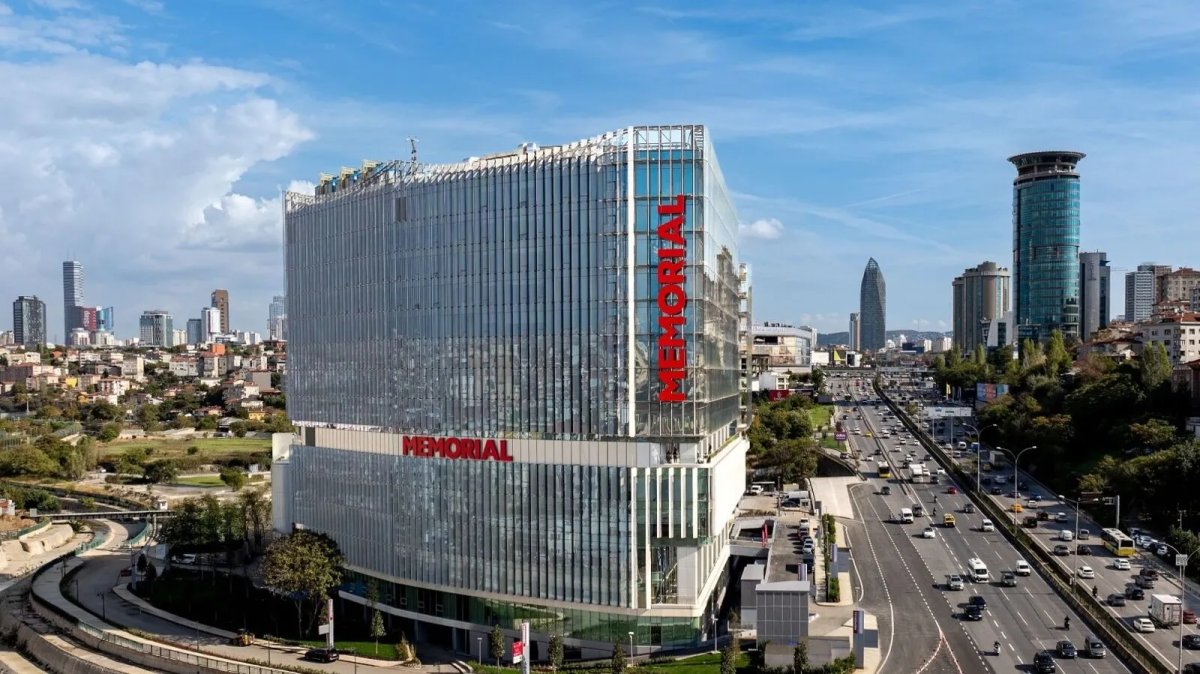
Memorial Göztepe Hospital
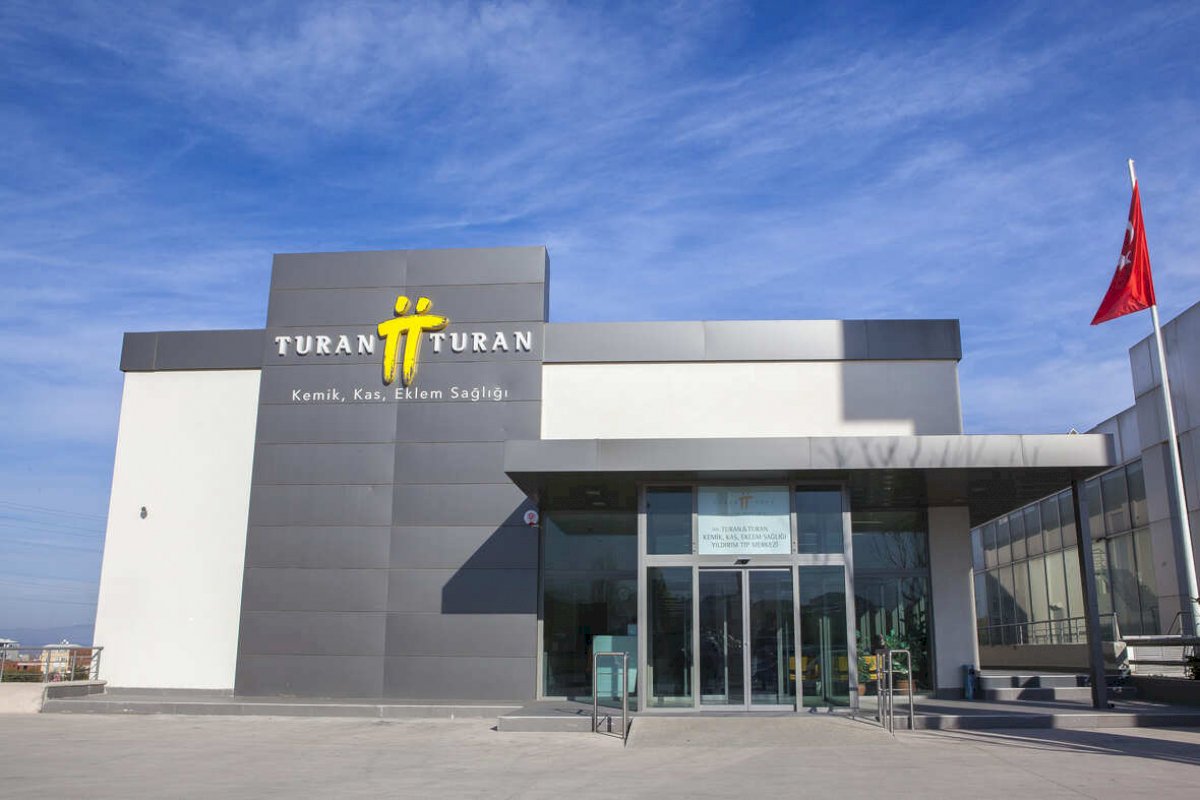
Turan Turan Health Group
Semih Ozcinar
Dr. Bugra Cetin- Uroaesthetic Clinic
Dr Bugra Cetin


Stem cell rejuvenation therapy (anti-aging) in Turkey: Your Travel Plan
Day 1: Arrival in Turkey
- When you land in Turkey, ensure you have all necessary documents, including your passport and any required medical records.
- Arrange a pre-scheduled transfer from the airport to your accommodation. Confirm if your clinic offers transfer services in advance.
- Check into your hotel and rest after your journey. You should avoid strenuous activities on the first day.
- Review any pre-treatment guidelines from the clinic, such as dietary restrictions or medication adjustments.
- Contact the clinic to confirm your appointment schedule for the following days.
Day 2: Pre-Treatment Assessment
- Attend your scheduled appointment at the clinic for a comprehensive pre-treatment assessment.
- Undergo a detailed medical history review, including any chronic conditions or previous surgeries.
- A physical examination will assess skin elasticity, hydration levels, and overall condition, focusing on facial and neck areas.
- Complete laboratory tests, including blood tests to evaluate liver and kidney function, ensuring no underlying issues could affect treatment.
- NMP-22 testing may be performed to assess cellular health, crucial for determining suitability for stem cell therapy.
- Discuss the source of stem cells, such as autologous stem cells from adipose tissue, and confirm alignment with your health requirements.
- Receive a thorough explanation of the procedure, including a deep plane face and neck lift, and sign informed consent forms.
Day 3: Treatment Day
- Arrive at the clinic for your scheduled stem cell rejuvenation therapy and any additional procedures like a deep plane face and neck lift.
- Ensure you have fasted as required, typically 8 hours before sedation.
- General anesthesia will be administered for comfort during the procedure.
- The deep plane technique involves incisions around the hairline and under the chin, lifting deeper facial and neck layers for effective repositioning.
- If eyelid surgery (blepharoplasty) is included, excess skin and fat will be removed from the eyelids.
- Post-surgery, stem cells are injected into targeted areas to enhance skin quality and promote rejuvenation.
- After the procedure, you will be monitored in a recovery area for vital signs and pain management.
Day 4: Post-Treatment Care
- Follow detailed aftercare instructions provided by the clinic, including skin care, hydration, and avoiding sun exposure.
- Attend a follow-up appointment, typically scheduled within the first week, to monitor healing and assess initial results.
- Discuss any immediate concerns or complications with your healthcare provider.
- Ensure you have a contact number for the clinic in case of emergency or if you have questions during recovery.
Day 5-7: Recovery and Follow-Up
- Continue following aftercare guidelines, focusing on rest and avoiding activities that may strain the treated areas.
- Attend follow-up appointments as scheduled, typically at 1 week, 1 month, and 3 months post-treatment, to evaluate progress.
- Additional NMP-22 testing may be conducted to track cellular health post-treatment.
- Discuss long-term skin care and anti-aging strategies with your healthcare provider, including potential maintenance treatments.
- Consider nutritional supplements or therapies to support overall wellness and enhance treatment outcomes.
Day 8: Departure and Long-Term Care
- Prepare for your departure, ensuring you have all necessary travel documents and any medical records from the clinic.
- Arrange for a transfer to the airport, if provided by the clinic or through your accommodation.
- Continue to adhere to any long-term care guidelines provided by your healthcare provider.
- Maintain open communication with the clinic for any follow-up questions or concerns once you return home.
- Plan for future follow-up visits or additional treatments as recommended to maintain and enhance results.
Our Trusted Doctors
View all Doctors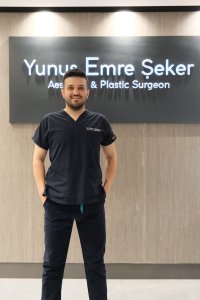
Yunus Emre Seker
Dr. Yunus Emre Seker is a plastic surgeon at Soraca Med in Antalya. He participated in the world’s first successful uterus transplant surgical team. He also helped perform the first double-arm transplant in Turkey. Trained under Prof. Ömer Özkan, a global pioneer in reconstructive transplantation. Dr. Seker specializes in ethnic rhinoplasty and facial rejuvenation.
- Awarded second place in the Turkish Society of Plastic Surgery Research Competition.
- Performs high-precision procedures including deep plane facelifts and 360 liposuction.
- Served as a plastic surgery instructor at Adıyaman Training and Research Hospital.
- Works at Soraca Med, a clinic registered with the Turkish Medical Association.
Nur Afsar
Dr. Nur Afsar combines scientific precision with aesthetic sensitivity in stem cell rejuvenation therapy, focusing on natural and harmonious results.
- 7 years of experience in medical aesthetics
- Specializes in non-surgical facial contouring and skin rejuvenation
- Trained in advanced techniques like Ultherapy and Radiesse
- Regular participant in international aesthetic congresses
Aysel Pasazade
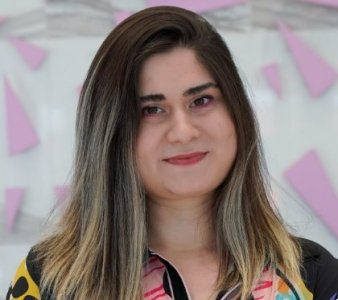
Dr. Aysel Pasazade is a plastic and reconstructive surgeon at Quartz Hospital in Istanbul. She holds the prestigious EBOPRAS certification. This credential confirms her competence meets high European standards. Dr. Pasazade specializes in complex body and facial transformations.
- Performs deep plane facelifts, rhinoplasty, and mommy makeovers.
- Graduated from Istanbul University Cerrahpaşa Faculty of Medicine.
- Completed residency training at Bursa Uludağ University.
- Treats over 6,500 international patients annually at Quartz Hospital.

Leyla Arvas
Dr. Leyla Arvas is a plastic surgeon at Quartz Hospital in Istanbul. She is a certified Vaser trainer. Dr. Arvas holds a former Assistant Professorship from Yeditepe University Hospital. She completed specialized training in microsurgery in Taiwan and laser therapy in Tokyo. Dr. Arvas also served as a fellow in Barcelona focusing on face and breast aesthetics.
- Specializes in Vaser and Laser liposuction for high-definition body sculpting.
- Performs endoscopic facelifts, rhinoplasty, and breast reconstruction.
- Expands treatment options with thread lifts and stem cell rejuvenation.
- Treats patients at Quartz Hospital, which serves 6,500 people annually.
Video Stories from Bookimed Patients
Reviews about Bookimed: Discover Patients' Insights
All reviews
Related Articles

Stem Cell Anti-Aging Therapy: A Breakthrough in Reversing the Signs of Time
Written by Mariia Mytrofankina
Share this content
 Anna Leonova

Our Stem cell rejuvenation therapy (anti-aging) Techniques: What Suits You Best?
When considering Stem cell rejuvenation therapy (anti-aging), it’s important to understand the different techniques and which is best suited for you. Here’s a concise comparison of popular options:
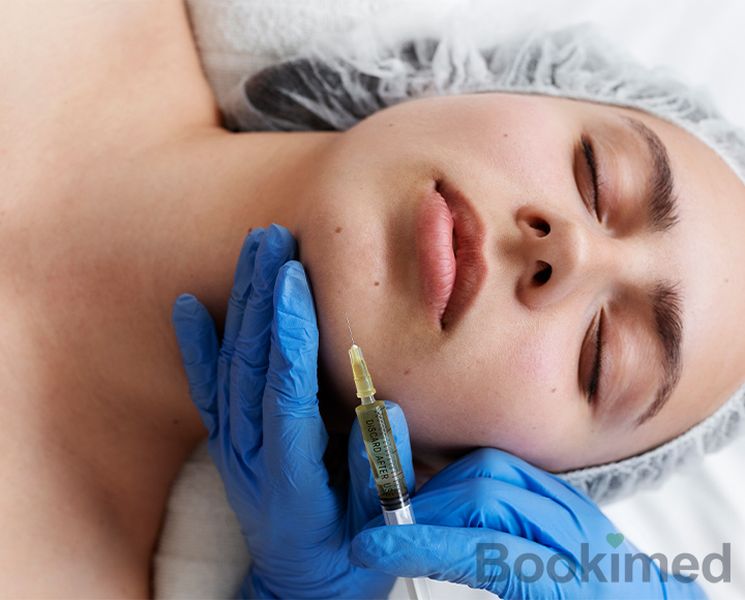
Rejuvenation with own stem cells
This procedure uses the patient's own stem cells for regenerative purposes to promote biological rejuvenation and treat age-related issues.
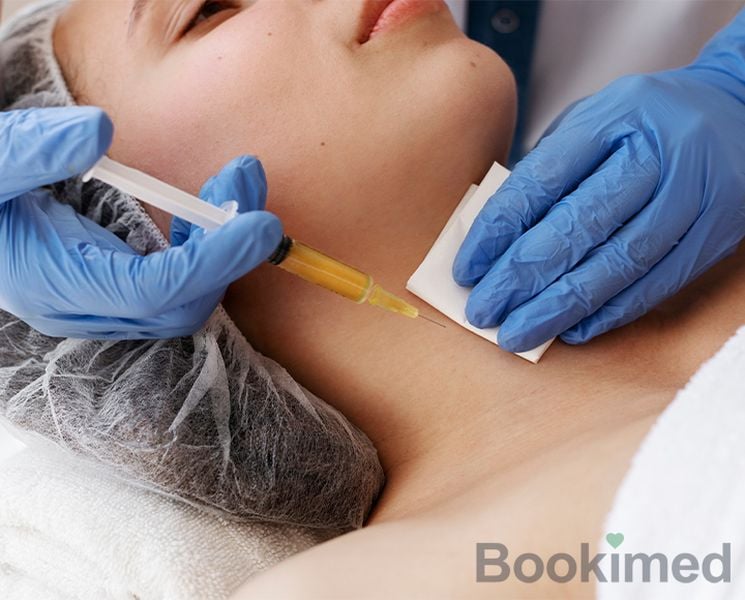
Rejuvenation with donor stem cells
Rejuvenation with donor stem cells involves using stem cells from a donor to promote cellular regeneration and tissue repair in the recipient.
FAQ about Stem cell rejuvenation therapy (anti-aging) in Turkey
Is stem cell therapy for anti-aging in Turkey safe?
Stem cell therapy for anti-aging in Turkey is generally safe when performed by board-certified specialists in JCI-accredited facilities. Rigorous Turkish Ministry of Health protocols govern cell sourcing and laboratory processing. Most procedures utilize autologous cells or umbilical cord-derived Mesenchymal Stem Cells (MSCs) within GMP-certified laboratories to ensure high purity and minimal rejection risk.
- Regulatory oversight: The Ministry of Health strictly regulates cell sourcing, laboratory processing, and clinical application.
- Accreditation standards: Leading hospitals like Hisar Intercontinental hold JCI accreditation, meeting global healthcare quality benchmarks.
- Advanced laboratories: Top-tier clinics like Liv Hospital utilize certified Good Manufacturing Practice (GMP) labs.
- Specialized expertise: Surgeons like Dr. Derya Bingol at Db'est Clinic hold EBOPRAS certification for safety.
Bookimed Expert Insight: Patient volume is a major safety indicator in Turkey. Large-scale institutions like Hisar Hospital Intercontinental serve over 250,000 patients annually. This high frequency allows medical teams to refine safety protocols more rapidly than smaller boutique clinics. When choosing a provider, prioritize those with dedicated regenerative medicine departments and on-site GMP-compliant laboratories rather than general aesthetic centers.
Patient Consensus: Many patients describe the hospital environments as luxury hotels with highly competent, organized medical staff. While some reports mention only temporary energy increases, the majority highlight the professional care and efficient coordination provided by specialized Turkish clinics.
Who is a good candidate for anti-aging stem cell therapy?
Ideal candidates for anti-aging stem cell therapy are healthy adults aged 45 to 65 experiencing early physiological or aesthetic decline. Optimal results occur in non-smokers with stable baseline health, realistic expectations, and specific concerns like joint discomfort, skin laxity, or decreased energy levels.
- Age range: Most effective for patients between 45 and 65 years old.
- Health status: Requires stable health without active infections, cancer, or unmanaged autoimmune diseases.
- Specific goals: Target localized issues like joint mobility, skin texture, or cognitive sharpness.
- Lifestyle habits: Better outcomes for non-smokers who maintain consistent exercise and nutrition routines.
Bookimed Expert Insight: While many seek `full-body rejuvenation,` our data shows clinics like Hisar Hospital Intercontinental and Memorial Şişli prioritize patients with focused goals. Professor Erdal Karaöz at Liv Hospital specializes in genetics and Harvard-trained stem cell protocols, suggesting that candidates with a clear medical evaluation of their `healthspan` markers achieve more measurable results than those seeking a general quick fix.
Patient Consensus: Patients emphasize that visible improvements in energy and skin typically take 3 to 6 months to appear. Most advise that maintaining a healthy lifestyle post-treatment is essential to sustain the regenerative benefits.
What techniques are used to deliver the stem cells?
Turkish clinics deliver stem cells via intravenous infusion, localized micro-injections, and non-invasive methods like nebulizers or nasal sprays. These techniques target systemic aging or specific areas such as the face and scalp. Standard protocols often combine multiple delivery routes over a 3-5 day treatment regimen.
- Systemic IV infusion: Delivers approximately 100 million mesenchymal stem cells directly into the bloodstream via drip.
- Targeted micro-injections: Focuses on facial rejuvenation or scalp treatments to trigger localized tissue regeneration.
- Exosome nebulization: Uses a mist for direct delivery to the respiratory system and lungs.
- Intranasal spray: Atomizes cells for delivery through nasal passages, potentially bypassing the blood-brain barrier.
Bookimed Expert Insight: Turkish specialists like Professor Erdal Karaöz often utilize combination protocols, such as Day 1 IV infusion followed by Day 2 targeted injections. Data shows clinics like Hisar Hospital Intercontinental handle 250,000 patients annually, reflecting high-volume expertise. This volume allows surgeons to refine dosing, often starting with lower systemic concentrations to ensure patient tolerance.
Patient Consensus: Patients report that while IV infusions are painless, localized facial injections cause about 2 days of minor swelling. Many highlight that using nasal sprays or exosomes as adjuncts notably improved their sleep quality and mental focus.
How long does recovery take and what downtime should I plan for?
Recovery from stem cell rejuvenation therapy in Turkey is remarkably rapid, typically requiring only 1 to 3 days of downtime. Most patients return to normal activities or work within 24 to 48 hours, though full cellular effects and energy improvements often manifest over 1 to 2 weeks.
- Initial downtime: Plan for 1 to 3 days of rest before resuming daily routines.
- Work transition: Many patients return to sedentary work the next day despite mild fatigue.
- Physical recovery: Minor soreness or swelling at injection sites typically resolves within 48 hours.
- Safety window: Avoid alcohol and direct sun exposure for 7 days following the procedure.
Bookimed Expert Insight: Data from top Istanbul clinics shows that high-dose protocols often cause `flu-like` fatigue for the first 2 days. For the best results, we recommend scheduling your treatment on a Thursday or Friday. This allows a natural weekend recovery without using extra vacation days while the cells begin to circulate.
Patient Consensus: Most people describe a quick bounce-back but emphasize the need for heavy hydration. They often suggest planning an extra day in the city to account for travel-related exhaustion rather than the treatment itself.
When will I see anti-aging results and how long do they last?
Visible anti-aging results from stem cell therapy in Turkey typically emerge within 3 to 6 months as cellular regeneration occurs. While surface hydration improves early, peak structural benefits like increased elasticity and wrinkle reduction last between 1 to 5 years depending on lifestyle factors.
- Initial phase: Improved skin hydration and metabolic energy often appear within 4 weeks.
- Peak results: Maximum collagen production and tissue repair usually culminate at 6 to 12 months.
- Effect duration: Results typically persist for 18 to 24 months before natural aging resumes.
- Maintenance needs: Periodic boosters every 1 to 2 years help sustain long-term regenerative benefits.
Bookimed Expert Insight: Success in regenerative medicine depends heavily on the laboratory infrastructure. For instance, Professor Erdal Karaöz at Liv Hospital Ulus founded Turkey's first institutional stem cell center and has managed over 400 complex cellular treatments. High-tier Turkish clinics often utilize specialized cleanrooms to ensure cell viability, which directly correlates to why some patients report results lasting over 3 years while lower-quality localized injections may fade within 12 months.
Patient Consensus: Patients describe a gradual transformation where skin feels firmer and energy levels rise by month 4. Many emphasize that maintaining a healthy diet and sun protection can nearly double the duration of the visible youthful glow.
Which cities in Turkey are most reputable for this therapy?
Istanbul is the premier destination for stem cell rejuvenation in Turkey, hosting the highest density of JCI-accredited hospitals and specialized regenerative medicine centers. Antalya serves as a leading secondary hub, offering high-end multidisciplinary facilities that combine advanced cellular therapies with coastal recovery environments for international patients.
- Istanbul clinical leadership: Centers like Hisar Intercontinental and Memorial Şişli provide JCI-accredited environments for complex therapies.
- Specialized expertise: Istanbul hosts professors from Harvard and former university rectors specializing in tissue engineering.
- Antalya coastal recovery: Memorial Antalya Hospital integrates regenerative treatments within a resort-style, stress-free recovery setting.
- Regulatory compliance: Reputable clinics in these cities maintain GMP-certified laboratories for safe cell processing.
Bookimed Expert Insight: While Istanbul offers the most options, the highest quality often correlates with hospital-affiliated programs rather than standalone clinics. For example, Professor Erdal Karaöz at Liv Hospital in Istanbul operates within a facility that manages over 250,000 patients annually. Choosing a large hospital ensures you have immediate access to multiple medical departments if your rejuvenation protocol requires specialized monitoring.
Patient Consensus: Patients frequently describe these top-tier Turkish hospitals as luxury hotels where the high standard of service justifies the cost. Many express that the structured follow-up and presence of constant translators in Istanbul clinics made the highly technical process feel safe and managed.
Do I need to take any special blood tests or immunology panel before traveling?
Most patients do not require specialized immunology panels for stem cell rejuvenation in Turkey. Clinics typically prioritize standard pre-operative screenings to ensure general health. Requirements usually focus on foundational blood work and infectious disease markers rather than complex immunological mapping unless you have a documented autoimmune history.
- Basic screening: Complete blood count (CBC) and metabolic panels are standard requirements.
- Infectious diseases: Screening for HIV, Hepatitis B, and Hepatitis C is mandatory.
- Organ function: Doctors check liver and kidney markers to ensure metabolic safety.
- Inflammation markers: C-Reactive Protein (CRP) tests help identify active internal inflammation.
Bookimed Expert Insight: While basic tests are common, experts like Prof. Dr. Erdal Karaöz at Liv Hospital Ulus often utilize advanced GMP-certified lab data. This means that if you choose a high-tier facility with dedicated R&D centers, they may request specific cell counts that budget clinics overlook. Always send your results 30 days early to avoid treatment delays.
Patient Consensus: Travelers find that a standard physical exam with basic bloods is usually sufficient. Most recommend bringing English translations of your recent lab results to the first consultation to save time.