Stem Cell Therapy for Chronic Pain in Turkey — Get 3 Top Clinic Matches with Costs


Medically reviewed by
Fahad Mawlood
How Much Does Stem cell therapy for chronic pain Cost in Turkey?
Stem cell therapy for chronic pain in Turkey typically costs from $2,800 to $5,800. The final price depends on the cell source, number of injections, and the specific condition treated. In the United States, similar procedures cost around $5,800 on average. Turkey offers savings of around 26%. Most price quotes include the procedure, local transfers, and language assistance.
- Cell source: Autologous cells from bone marrow or fat typically cost less than donor umbilical cord cells.
- Treatment area: Single joint injections for knees or hips are more affordable than systemic spinal treatments.
- Session volume: Chronic conditions requiring multiple infusions or high cell counts increase the total investment.
- Hospital tier: Prices in Istanbul hubs like Liv Hospital Ulus often reflect premium JCI-accredited facilities.
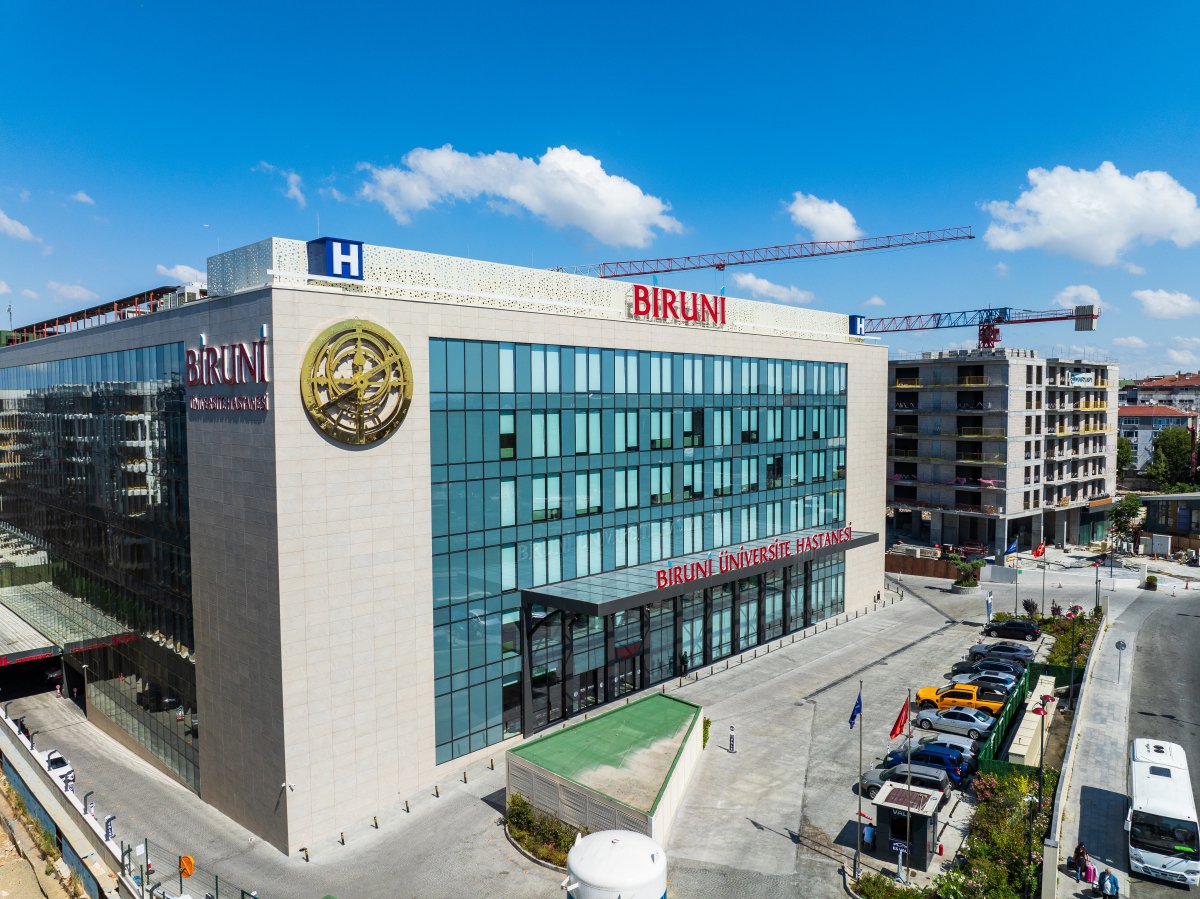
Bookimed Expert Insight: Choosing a university-affiliated center like Biruni University Hospital provides access to high-tier research protocols. Some specialists, such as Dr. Selçuk Duman, offer over 40 years of experience in cellular biotechnology. Patients often find better value at multi-specialty centers that combine stem cell processing with advanced imaging. Look for clinics with ISO certifications to ensure lab sterility and precise cell isolation standards.
| Turkey | Austria | Spain | |
|---|---|---|---|
| Stem cell therapy for chronic pain | ≈ $2,800 | ≈ $3,200 | ≈ $2,200 |
Your Benefits and Guarantees with Bookimed
Transparent Prices & Flexible Installments
No hidden fees – just official clinic prices. Pay at the clinic for Stem cell therapy for chronic pain upon arrival and use a flexible installment plan if needed.
Verified Clinics & Doctors Only
Bookimed is committed to your safety. We only work with medical institutions that maintain high international standards in Stem cell therapy for chronic pain and have the necessary licenses to serve international patients worldwide.
Free 24/7 Assistance
Bookimed offers free expert assistance. A personal medical coordinator supports you before, during, and after your treatment, solving any issues. You're never alone on your Stem cell therapy for chronic pain journey.

Your personal Bookimed medical coordinator
- Supports you at every stage
- Helps choose the right clinic and doctor
- Ensures quick and convenient access to information
Discover the Best Stem cell therapy for chronic pain Clinics in Turkey: 1 Verified Option and Prices
Stem cell therapy for chronic pain Overview in Turkey
- Stem Cell Therapy - from $900This therapy is a treatment using body cells to repair damaged tissues. It"s efficient, safe, and versatile.
- Stem cell therapy for arthritis - from $3,500This therapy uses one"s cells to repair damaged joints, reducing pain and inflammation associated with arthritis.
- Stem cell therapy for autism - from $6,000This therapy utilizes body"s own cells to repair autism-related brain damage, offering improved social behavior.
- Stem cell therapy for cerebral palsy - from $11,900This therapy uses regenerative cells to treat brain damage and improve motor functions in people with cerebral palsy.
- Stem cell therapy for Parkinson's disease - from $11,900This therapy uses body-maintained cells to slow Parkinson"s disease progression, enhancing brain function and activity.
- Diabetes mellitus treatment with stem cells - from $7,200This therapy uses stem cells to repair damaged pancreatic cells, potentially managing diabetes symptoms.
- Stem cell therapy for knees - from $3,500This therapy draws on self-healing potential, injecting harvested cells into knee joints to repair damaged cartilage.
- Stem Cell Hair Transplant - from $5,000This treatment involves extracting stem cells from the patient"s own body to stimulate new hair growth, offering a natural-looking solution with minimal recovery time.
- Bookimed deposit: $200 or €200.
- Clinic deposit: Pay a set percentage in advance.
Our Doctors
View all Doctors
Mehmet Akif Gogusgeren
34 years of neurosurgery experience – Dr. Gogusgeren prioritizes minimally invasive techniques and patient trust at Avicenna International Hospital.
- Specializes in secured surgeries under microscope for precision
- Follows 'first do no harm' principle in all procedures
- Provides personal attention with 24/7 availability for patients
- Trained at Haydarpaşa Numune Hospital, a leading neurosurgery center

Talip Asil
Prof. Talip Asil brings over 25 years of neurology expertise to stem cell therapy for chronic pain, with specialized training from the University of Calgary.
- Stroke fellowship at University of Calgary – one of North America's top programs
- Interventional neurology training under Prof. Dr. Ömer Göktekin
- Professor at Bezmialem Faculty of Medicine – a leading research institution
- International experience at King Hamad University Hospital in Bahrain

Nasih Yilmaz
Emre Şeker
Video Stories from Bookimed Patients
Reviews about Bookimed: Discover Patients' Insights
All reviews
Share this content
 Anna Leonova

FAQ about Stem cell therapy for chronic pain in Turkey
Is stem cell therapy legal and regulated in Turkey?
Stem cell therapy is legal and strictly regulated in Turkey by the Ministry of Health and the Turkish Medicines and Medical Devices Agency. Physicians must obtain individual, case-specific approval for every patient. Licensed facilities like Liv Hospital Ulus must maintain Good Manufacturing Practice certifications to ensure clinical sterility.
- Regulatory oversight: The Turkish Medicines and Medical Devices Agency monitors all cellular product processing protocols.
- Mandatory approval: Clinics must submit individual patient applications, which typically takes 6 to 10 weeks.
- Facility standards: Laboratories must hold Good Manufacturing Practice certification to ensure high-quality, sterile environments.
- Ethical limits: Adult mesenchymal stem cell procedures are permitted while embryonic cell use remains restricted.
Bookimed Expert Insight: While many clinics claim compliance, true regulatory safety in Turkey is signaled by Joint Commission International accreditation combined with dedicated cell technology directors. For instance, Rumi Pulse employs a Director of Cell Technologies with 40 years of experience to oversee hospital-grade lab sterility. This level of specialization is superior to general clinics that outsource their cell processing to external labs.
Patient Consensus: Patients emphasize the importance of requesting cell viability reports and source verification before treatment. While many find relief for chronic pain, they advise staying proactive regarding follow-up records and clear communication with international patient teams.
What types of stem cells are used?
Stem cell therapy for chronic pain in Turkey primarily utilizes mesenchymal stem cells derived from umbilical cord tissue, also known as Wharton's jelly. These multipotent cells are selected for their high potency and anti-inflammatory properties compared to traditional bone marrow or adipose-derived options.
- Mesenchymal stem cells: These multipotent cells differentiate into bone, cartilage, or fat.
- Umbilical cord tissue: This source provides higher scalability and consistency than adult tissues.
- Allogeneic donor cells: Turkish clinics often prefer donor-sourced cells for superior regenerative potential.
- Hematopoietic stem cells: These blood-forming cells assist in systemic recovery and immune modulation.
Bookimed Expert Insight: While many countries focus on autologous cells from a patient's own fat, Turkish centers like Biruni University Hospital utilize advanced lab setups for allogeneic mesenchymal cells. Data suggests these donor-derived umbilical cells maintain higher viability and more predictable results for severe chronic pain cases.
Patient Consensus: Patients often recommend requesting detailed lab reports to verify exact cell counts. Most find that cord-derived cells offer more reliable pain relief compared to their own bone marrow extractions.
What are the potential side effects?
Stem cell therapy for chronic pain in Turkey is generally safe when performed by experienced specialists. Most patients experience minor, temporary reactions at the injection site. Serious complications are rare, particularly when using autologous cells from the patient's own body to avoid rejection risks.
- Injection site reactions: Localized pain, swelling, bruising, or stiffness usually resolve within several days.
- Systemic symptoms: Some patients report fatigue or mild flu-like symptoms for 1–2 weeks post-treatment.
- Inflammatory response: A temporary increase in pain may occur before the healing process begins.
- Infection prevention: High-tier clinics use Joint Commission International (JCI) standards to minimize any bacterial risks.
Bookimed Expert Insight: Data from top Istanbul facilities like Liv Hospital Ulus shows that safety hinges on lab certification. Choosing a clinic with 40+ years of experience in cellular biotechnology, like those led by specialized directors, ensures hospital-grade sterility. Using your own cells rather than donor tissue significantly reduces the chance of immune flares or rejection.
Patient Consensus: Patients emphasize the importance of budgeting for 2–4 weeks of downtime. Many suggest starting with conservative doses and verifying English-speaking staff are available to handle any post-procedure concerns.
How long is the treatment process and recovery?
Stem cell therapy for chronic pain in Turkey typically requires 3 to 7 days on-site for harvesting and local injections. Most patients experience initial downtime during the first week, followed by gradual healing over 1 to 3 months, with peak results often seen after 6 months.
- Hospital stay: Expect 24 to 48 hours of rest post-injection in a clinical setting.
- Harvesting process: Procedures take 1 to 2 hours using local anesthesia for bone marrow extraction.
- Initial recovery: Address minor soreness or flu-like symptoms during the first 7 days post-treatment.
- Follow-up cycle: Clinicians track progress at 1, 3, and 6 months using standardized assessments.
Bookimed Expert Insight: While most clinics suggest a 3-day trip, our data shows patients who stay at least 5 days manage post-injection fatigue or jetlag better. Specialist centers like Liv Hospital Ulus use closed-system processing during this window to ensure maximal cell viability and safer outcomes.
Patient Consensus: Many patients report early relief for knee issues within 2 weeks. However, individuals with neuropathic pain often find that significant changes only occur after the 6-month mark with consistent physical therapy.
Which leading clinics in Turkey offer stem cell therapy for chronic pain?
Liv Hospital Ulus and Hisar Hospital Intercontinental lead Turkey in stem cell therapy for chronic pain using JCI-accredited facilities and GMP-certified laboratories. These centers utilize mesenchymal stem cells for joint reconstruction and spinal healing, offering advanced regenerative protocols that cost $2,800 to $5,800.
- Specialized infrastructure: Liv Hospital Ulus features a dedicated GMP-certified laboratory for custom stem cell production.
- Expert leadership: Dr. Selçuk Duman at Rumi Pulse brings 40 years of cellular processing experience.
- Technology access: Clinics like Turan Turan use MAKO robotic systems for precise joint-targeted injections.
- Comprehensive care: Treatment often combines autologous stem cells with PRP to maximize healing potential.
Bookimed Expert Insight: While many clinics offer a standard injection, the top-tier Turkish centers differentiate by using closed-system sterile separation. This method, practiced by specialists like Dr. Selçuk Duman, maintains higher cell potency compared to manual kits. Choosing a clinic with an on-site laboratory often ensures fresher cell grafts and better long-term pain reduction for spinal or joint issues.
Patient Consensus: Patients emphasize verifying if cells are autologous or allogeneic and recommend budgeting for follow-up physiotherapy. While many report significant relief, some suggest video consultations to confirm English-speaking staff and specific pain protocols before traveling.