
To homepage
4.6/5
TrustPilot

How it works

We've transformed the clinic search process, making it simple, fast, and personal.
Answer a few questionsTake a short quiz to share your Removal of meningioma goals.
Get personalized offers3 clinics, handpicked based on your answers, provide tailored treatment plans and quotes.
Choose the best optionCompare offers and choose the clinic that suits you best.
You can also browse all 3 clinics below.
820К+ patients have got assistance since 2014
50 countries
1,500 clinics
6K+ reviews
3K+ qualified doctors

How Much Does Removal of meningioma Cost?

The average price of Removal of meningioma is $21,633, the minimum price is $20,350, and the maximum price is $24,200.
TurkeyAustriaSpain
Removal of meningiomafrom $20,350from $35,000from $30,000
Data verified by Bookimed as of March 2026, based on patient requests and official quotes from 60 clinics worldwide. Median costs are based on real invoices (2025–2026) and updated monthly. Actual prices may vary.

Best Removal of meningioma Clinics: 3 Verified Options and Prices

Procedure type
Convexity Tumors

Turkey, Istanbul

Zafer Orkun Toktas

17 years of experience
Clinic is certified

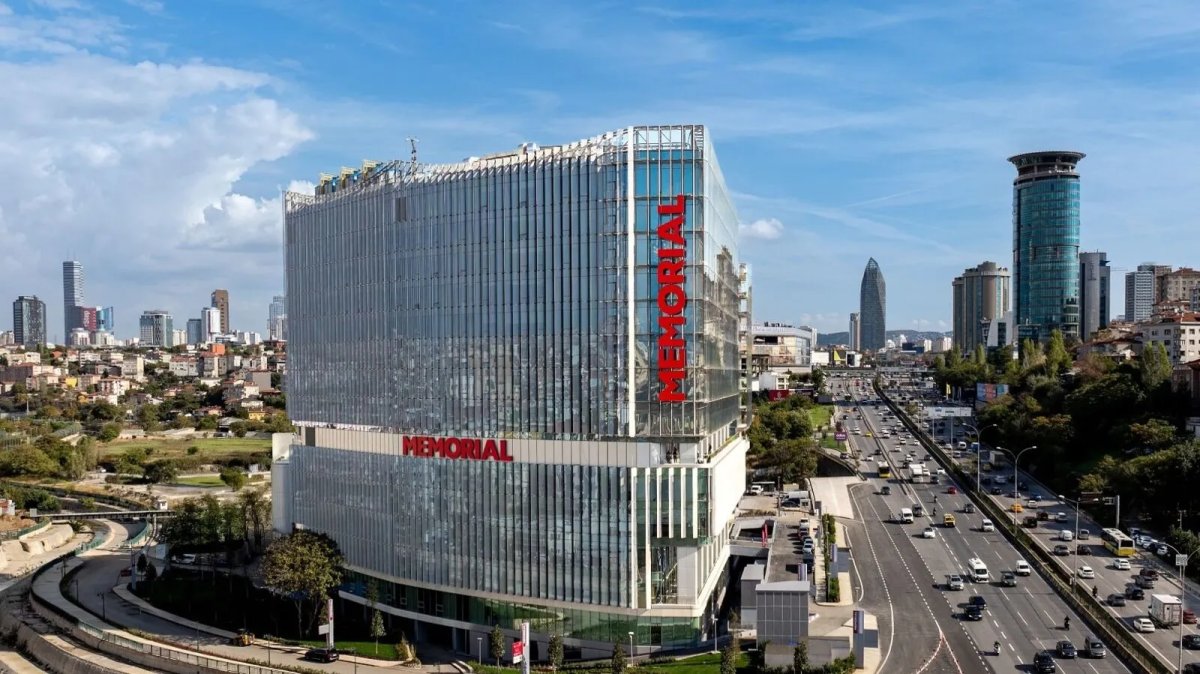
Professor Zafer Orkun Toktas leads this procedure using microsurgical excision with neuronavigation and intraoperative MRI for real-time precision. DTI tractography maps motor pathways at the JCI-accredited Memorial Ataşehir Hospital. The package costs around $20,350 and covers cranial MRI, cosmetic craniotomy, and intraoperative neuromonitoring for safety. This includes a 7-day hospitalization with an ICU stay, airport transfers, and interpreter services.

Convexity Tumors

Turkey, Istanbul

Hakan Hanimoglu

25 years of experience
Clinic is certified

This all-inclusive package features microsurgical tumor removal with neuronavigation guidance and a cosmetic craniotomy for minimal scarring. Dr. Hakan Hanimoglu, a professor with over 20 years of experience and 1,100+ neurosurgical procedures, performs the surgery at the JCI-accredited Memorial Şişli Hospital — Turkey’s first to meet this international safety standard. Priced at about $20,350, it covers 1 day ICU, 5 days ward stay, preoperative MRI, and full international patient support including a Russian-speaking translator and VIP transfers.

Parasagittal Tumors (interhemispheric, tentorial opening, etc.)

Turkey, Istanbul
Clinic is certified:

Treatment planning involves evaluation by a multidisciplinary team of 3 doctors from 2 branches. Dr. Melih Bozkurt, a specialist neurosurgeon with over 900 performed procedures, leads the surgery at the ISO-certified Memorial Bahçelievler Hospital. This facility is rated 4.6/5 by patients, with 91% recommending it. The package, for approximately $24,200, includes a comprehensive preoperative consultation and in-person evaluation. The hospital's eco-friendly design with green areas supports patient comfort and recovery.

Removal of meningioma Overview

Takeaways
Related procedures & Costs
How it works
What to expect
Benefits
Payment
patients recommend -
85%
Surgery Time - 4 hours
Stay in the country - 10 days
Rehabilitation - 30 days
Anesthesia - General anesthesia
Requests processed - 46119
Bookimed fees - $0

Our Trusted Doctors

View all Doctors
verified

Bartolome Oliver

50 years of experience • 280+ treatments performed

_doctor_255_years_ specializing in minimally invasive neurosurgery, with a focus on brain tumors. Dr. Oliver pioneered robotic spine surgery in Southern Europe and performs over 200 surgeries annually.

  • Co-director of the Brain Tumor Center at Centro Médico Teknon
  • President of the European Skull Base Society
  • Trained at renowned institutions including Karolinska Institute and Montreal Neurological Institute
  • Author of 150+ scientific publications
  • Offers online consultations via Teams or Zoom
verified

Mustafa Solak

20 years of experience

Dr. Solak specializes in oncology with training at Hacettepe University Cancer Institute and MD Anderson Cancer Center.

  • Expert in treating various cancers including head and neck cancers
  • Completed fellowship at a leading cancer institute
  • Works at Hisar Hospital Intercontinental
verified

Ertugrul Pinar

7 years of experience

Specializes in meningioma removal and other brain tumors at Hisar Hospital Intercontinental, with a focus on both adult and pediatric cases.

  • Trained in neurosurgery at Marmara University
  • Handles complex brain and spine diseases
  • Expert in skull base and posterior fossa tumors
verified

Ahmet Hilmi Kaya

30 years of experience

Prof. Dr. Ahmet Hilmi Kaya is a professor of neurosurgery at Anadolu Medical Center in Gebze, Turkey. He earned his MD from Istanbul University Cerrahpaşa (English program). He completed his neurosurgery residency there from 1996 to 2003. He became a professor in 2015. He also completed observerships at Maastricht University in 2007 and 2009.

His clinical focus includes functional and stereotactic neurosurgery, including deep brain stimulation (DBS) for Parkinson’s disease and essential tremor. He also treats spinal tumors and spinal stenosis and performs spinal instrumentation. He manages skull base and brain tumors. He performs vascular surgery of the central nervous system.

Achievements include leading a Parkinson’s research project at Ondokuz Mayıs University (BAP, Project No. T.597, 2008). He supervised a neurosurgery thesis in 2008. His awards include third place at the 2nd National Congress of the Society of Neurosurgery in 2006, the Turkish Neurosurgical Society Overseas Scholarship in 2008, and the Aysima Altınok Thesis Award in 2009. Several of his papers ranked at the 22nd and 23rd Turkish Neurosurgical Society Scientific Congresses in 2008 and 2009. He is a member of the Turkish Neurosurgical Society and the Turkish Medical Association.

Video Stories from Bookimed Patients

Valentina
Traveling from Spain to Istanbul for a liposuction was a life-changing experience.
Procedure: Liposuction
Elissa
It’s definitely a lengthy process, but I'm excited to watch the results emerge!
Procedure: Rhinoplasty (nose job)
Amanda
My companion and I were treated with such kindness — I have nothing but admiration for the entire team.
Procedure: Mastectomy

Share this content

Authored by
Anna Leonova
Anna Leonova
Head of Content Marketing Team
A certified medical writer with 10+ years of experience, developed Bookimed’s trusted content, backed by a Master’s in Philology and medical expert interviews worldwide.
Fahad Mawlood
Medical Editor & Data Scientist
General practitioner. Winner of 4 scientific awards. Served in Western Asia. Former Team Leader of a medical team supporting Arabic-speaking patients. Now responsible for data processing and medical content accuracy.
Fahad Mawlood Linkedin
This page may feature information relating to various medical conditions, treatments, and healthcare services available in different countries. Please be advised that the content is provided for informational purposes only and should not be construed as medical advice or guidance. Please consult with your doctor or a qualified medical professional before starting or changing medical treatment.

All You Need to Know about Removal of meningioma

What is removal of meningioma

Removal of meningioma is the main method of treating benign or malignant meningiomas. Most of the experts use radical surgery or radiation therapy to remove meningiomas.

Meningioma resection is divided into:

  • total (whole tumor is removed);
  • subtotal or partial (only a part of tumor is removed).

Main options of meningioma treatment

The type of therapy depends on the size of the tumor, its location, the age of a patient and the presence of pathologies.

There are 2 main methods of meningioma treatment:

  • Stereotactic radiosurgery used for difficult access to the tumor and close connection of meningioma with vessels, nerve trunks, sinuses of the brain;
  • Surgical removal used in cases of the big size of meningioma (more than 3.5cm in diameter).


Stereotactic Radiosurgery

Radiosurgery is a medical procedure used for destroying of tumors or suspending their functioning by means of a single irradiation with a high dose of ionizing radiation.

Radiosurgery has two main advantages:

  1. Irradiation affects the meningioma from different directions (tumor receives the maximum possible dose of radiation)
  2. Radiosurgery is non-invasive (treatment of a tumor does not require breaking the integrity of the head tissue and opening the cranium).


The contraindication for radiosurgery is the inability to operate brain tumors over 3.5 cm in diameter. The effectiveness of stereotactic radiosurgery is very high: about 95% of meningiomas stop their growth after a single procedure or a small course of treatment.

The main radiotherapeutic / radiosurgical units are:

  • GammaKnife;
  • CyberKnife;
  • TrueBeam.


Advantages and disadvantages of meningioma removal with the help of the GammaKnife

  • designed for non-invasive brain surgery (without the use of a scalpel);
  • has a frame based system for immobilization with radiation sources, which can causeside such effects of gamma knife surgery for meningioma as headache, nausea and a risk of infection;
  • one image of magnetic resonance imaging is used, in contrast to systems that do not use a frame for attaching the head and require constant imaging with CT during treatment, making an additional contribution to excess radiation doses;
  • small sizes of collimators protect the body tissues from the effects of radiation and excludes the possibility of treatment of metastases and tumors over 3 cm.


Features of meningioma resection with CyberKnife

  • universal method not only for treating the brain, but also for removing the tumor and metastasis throughout the body;
  • mega-voltage X-ray radiation from the CyberKnife is four times more powerful than the energy from cobalt used in the GammaKnife;
  • CyberKnife is a flexible, frameless system that allows a patient to conduct treatment in one or more sessions. This allows oncologists to choose the safest and most effective course of treatment;
  • does not require a frame screwing into the skull for immobilization, which helps to avoid headache, nausea and the risk of infection.


Peculiarities of stereotactic radiosurgery using the TrueBeam system

  • Focused radiation beams of the system destroy tumor cells without affecting the surrounding healthy tissues;
  • use of a metal frame that is bolted to the skull bones of a patient is unnecessary;
  • opportunity of fractional irradiation (treatment is divided into 2-5 small sessions, which makes possible to safely treat large meningiomas located near important structures, for example, the optic nerve);
  • TrueBeam system is equipped with modern medical imaging devices that allow a radiologist to monitor the tumor behavior in real time;
  • During visualization of pathological formations, the technology of cone-beam computed tomography (CT) is used. This method of visualization makes possible to reduce the radiation load on the patient's body by 25%.

Surgical treatment of meningiom

There are 2 indications for surgical removal of meningioma:

faq image

  • If the tumor is in the area of the brain that is available for surgery
  • If the tumor over 3.5 cm in diameter.


Endoscopic intervention is the minimally invasive method of meningioma removal, when the tumor is removed without opening the skull with endoscopic instruments. Removal of meningioma through transnasal access is most often used. The method is the most effective in combination with intraoperative MRI and nerve navigation systems.

Craniotomy or trepanation of the skull is carried out only if the tumor is located close to the surface. This method provides good visibility of the operating field and allows the removal of large tumors.

Preparing for the operation

For the accurate determination of the type of meningioma and for prescribing the fastest and most effective treatment, a patient should go through the following procedures:

  • Blood test;
  • Electroencephalogram;
  • Angiography;
  • MRI - magnetic resonance imaging;
  • MRS - magnetic resonance spectroscopy;
  • CT - computed tomography;
  • biopsy.

Rehabilitation after removal of meningioma

The rehabilitation period can range from few weeks to a year. It depends on the method of treatment and the type of operation. The physical and psychological condition of a patient before surgery also affects the postoperative period. The recovery will occur quickly if a patient follows a doctor's prescribed rehabilitation program and takes the necessary medicines.

Consequences after meningioma removal

Consequences after the removal of meningioma depend on tumor localization, prevalence of pathological process and histologic type. Young people have none of consequences after meningioma resection in contrast to elderly patients, who face negative effects much more often.

Consequences after resection of meningioma can be various:

  • loss of sight;
  • hearing loss;
  • sensitivity depression;
  • paralysis of extremities;
  • lacks of coordination;
  • recurrence.

Recurrence of meningioma after removal

Meningioma recurrence rate after the operation:faq image

  • 3% for benign tumors;
  • 38% for atypical tumors;
  • 78% for malignant tumors.


Also possibility of meningioma recurrence depends on location of a tumor.

  • at the cranial vault is 3%;
  • in the region of the Turkish saddle is 19%;
  • in the region of the body of the sphenoid bone 34% within five years;
  • in the cavernous sinus is 60-100%.

Get a free consultation

Select the best way to contact you