Best Countries for Bone Marrow Transplantation Abroad
The best countries for Bone marrow transplantation in the world are Turkey, Germany, Spain, China, and . All five combine accredited hospitals, experienced surgeons, and procedure costs up to 88% lower than in the US. Bookimed's ranking is based on 2,398 patient requests and 106 verified clinics across 32+ countries.
All-inclusive packages and complex hematopoietic stem cell transplants
Turkish hematologists have performed 3,000+ transplants since 2010. Clinics use HEPA-filtered sterile rooms and JCI-accredited facilities to manage post-transplant recovery for patients from 160+ countries.
#2
Germany
From $120,000
Up to52%
Large donor pool and complex stem cell cases
Germany hosts Europe's largest donor registry, with 10% of the population registered to help find matches. Specialized centers offer haploidentical transplants and use CliniMACS Prodigy for precise cell processing.
China pioneers half-match protocols to reduce donor wait times. Hospitals perform 18,000+ annual transplants and 1,500+ CAR-T infusions, providing extensive experience in treating complex blood cancers.
Medical Disclaimer: Data verified by Bookimed as of October 2026, based on patient requests and official quotes from 106 clinics worldwide. Median costs are based on real invoices (2024–2026) and updated monthly. Actual prices may vary.
Turkey: Best Country for Bone marrow transplantation in the World – from $33,000
Turkey reaches 96% success rates for bone marrow transplants in specialized centers. Patients access unique therapies like CAR T-cell and haploidentical transplants. International clinics hold JCI accreditation. Expert teams manage complex conditions while providing inclusive care for global patients.
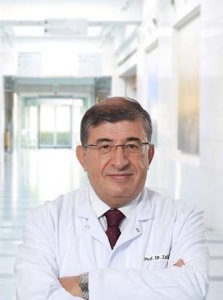
Specialist expertise. Dr. Zafer Gulbas has performed 3,000+ transplants and led Turkey's largest center.
Integrated care. Centers like Anadolu Medical Center maintain formal affiliations with Johns Hopkins Hospital.
Modern infrastructure. Patients stay in sterile rooms with HEPA filters to prevent post-transplant infections.
Successful outcomes. Memorial Sisli Hospital reports a 90% success rate for organ and transplant procedures.
Bookimed Expert Insight: Turkish hematology centers offer uniquely comprehensive packages. These often include 45 to 90 nights of accommodation. Such extended stays are vital for monitoring patients through the critical early recovery phase. This high level of support is rare in other international hubs.
What patients say: Patients note the staff is warm and helps them feel safe during long hospital stays. They describe surgeons like Dr. Gulbas as geniuses who treat health as a top priority. Translators and coordinators are always present to help with every question or detail.
Autologous Stem Cell Transplantation Program (Auto-BMT)
This European-leading transplant center delivers 81% autologous success rates with 3,000+ procedures since 2010. The all-inclusive package costs around $33,000, covering a full 105-day care continuum. At the JCI-accredited Anadolu Medical Center, Professor Zafer Gulbas uses peripheral blood stem cell collection with cryopreservation. Treatment includes 15 days of inpatient care in a super-clean ward, individualized conditioning regimens, and 90 days of post-transplant follow-up. The Johns Hopkins Medicine partnership ensures US-standard protocols.
Prof. Dr. Mutlu Arat specializes in autologous and allogeneic transplant procedures at Memorial Şişli Hospital – Turkey's first JCI-accredited facility. The autologous stem cell transplantation package may cost around $32,500, typically covering 45-day hospitalization, pre-transplant diagnostics, interpreter services, and transfers. The clinic uses HEPA-filtered transplant wards to minimize infection risks and maintains an 80-90% success rate for blood disorders. Memorial Group handles 1.6M annual patients with a 90% organ transplant success rate.
Life-Saving Bone Marrow Transplantation at Medical Park Antalya
Dr. Bulent Eser, who has performed over 900 transplants and follows European EBMT standards, develops personalized protocols at the Medical Park Antalya Hospital Complex. This 135-day all-inclusive package provides around-the-clock care, from donor matching to 90-day recovery support. Priced at about $40,000, it covers the complete procedure, conditioning, isolation care, and follow-up. The clinic's International Health Tourism Authorization Certificate confirms its rigorous safety and quality standards for complex hematologic conditions.
Germany: Top Country for Bone marrow transplantation Abroad – from $120,000
Germany provides access to one of the world's largest donor registries. German donors contribute to 40% of global transplant successes. This ensures rapid matching for allogenic procedures. High success rates for leukemia reach 90%. Patients benefit from specialized university research and precise cell-processing protocols.
Donor availability. The ZKRD registry includes 10% of Germany's population to find matches quickly.
Specialized expertise. Doctors like Bernd Hertenstein have 30+ years of experience in complex stem cell transplants.
Certified quality. Hospitals like Asklepios Barmbek hold MTQA accreditation for serving international patients safely.
Academic rigor. Charité Berlin offers clinical research and 3,000+ beds for highly complex cases.
Bookimed Expert Insight: German university hospitals, like Essen or Charité, prioritize haploidentical transplants to help patients without full matches. They use the latest cell-processing systems to improve graft success. This translates into reliable outcomes for families seeking related donor options.
What patients say: Patients note German hospitals are extremely efficient with precise scheduling and minimal transplant wait times. They appreciate the thorough pre-transplant testing and seamless coordination between registries like DKMS. The supportive staff and family accommodations make long hospital stays much easier.
Spain: Top Country for Bone marrow transplantation Abroad – from $101,100
Spain offers bone marrow transplantation with a 70-92% success rate backed by EBMT-certified specialists. Spanish clinics provide various transplant types, including haploidentical stem cell transplantation, and comprehensive care at internationally accredited hospitals.
Transplant techniques. Allogenic from related/unrelated donors, autologous, and haploidentical options available.
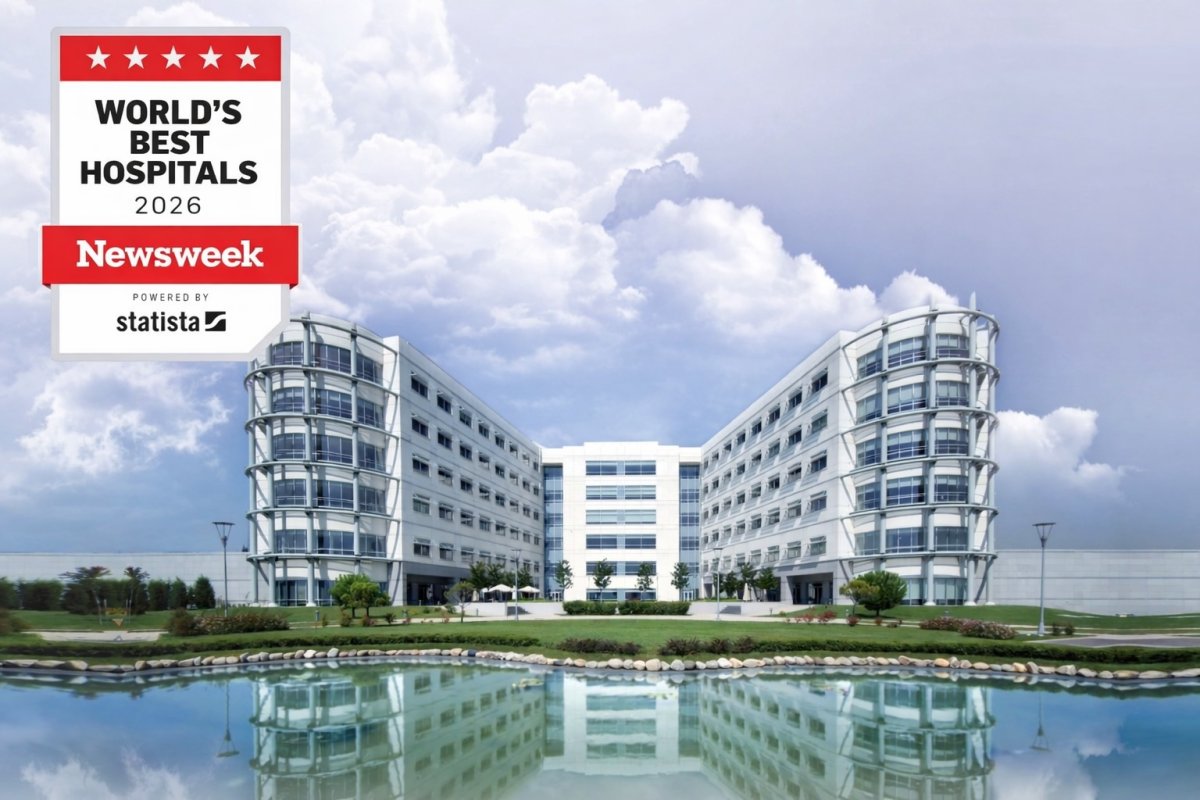
International accreditations. Leading centers hold JCI and Newsweek Best Hospitals awards.
Experienced specialists. Doctors like Dr. Luis Madero head large transplant programs with extensive clinical research.
Comprehensive packages. Some clinics include hospital stays and full pre/post-transplant care.
Bookimed Expert Insight: Madrid and Barcelona concentrate top transplant centers with specialized pediatric and adult programs. Facilities like Quironsalud Madrid serve Europe's largest patient volumes, offering clinical trial opportunities. Barcelona’s children's hospitals specialize in cutting-edge pediatric treatments. Patients can find tailored transplant types depending on donor availability and health status.
What patients say: Patients mention clear, quick hospital care in Spain. Many appreciate the complete treatment packages and shorter waiting times. Spanish clinics often provide personalized support and guidance during the transplant process.
Prices in Top-rated Clinics
Quironsalud Madrid,Madrid - from
$55,000
SJD Barcelona Children’s Hospital,Barcelona - from
$130,000
China: Top Country for Bone marrow transplantation Abroad – from $266,000
China treats over 18,000 bone marrow transplant cases annually, driven by high donor availability and specialized haploidentical protocols. Chinese hospitals provide rapid access to cellular therapies. Large centers manage complex blood cancers using both half-matched family donors and umbilical cord blood stem cells.
Haploidentical expertise. Specialists use half-matched family donors to bypass long wait times for unrelated matches.
High surgical volume. Centers like Lu Daopei Hematology Hospital serve 200,000+ patients across 30 specialized departments.
Integrated cellular therapy. Hospitals like Shanghai Tongji perform 1,500+ CAR-T infusions to treat resistant leukemias.
Diverse donor sources. Allogenic transplants from related donors cost from Price on request
to Price on request
.
Bookimed Expert Insight: China's massive hematology infrastructure concentrates thousands of patients in single-specialty hubs. Centers like Lu Daopei operate with 1,300 beds. This scale allows medical teams to manage post-transplant complications with high efficiency. Patients often combine transplants with CAR-T therapy for better results.
What patients say: Patients describe China as a serious destination for blood cancer treatment with very fast donor matching. They emphasize distinguishing professional university-affiliated hospitals from unregulated stem cell clinics. Many note the post-transplant period is physically demanding but improves during recovery.
How Bookimed Ranks the Best Affordable Countries for Bone marrow transplantation Abroad
Transparent methodology - so you can trust our recommendations.
Whether you're looking for the cheapest place to get bone marrow transplantation or the highest-rated specialists abroad, Bookimed's ranking accounts for everything that matters. It uses a smart algorithm that continuously analyzes real-world data from verified verified clinics worldwide, including:
2,398 patient requests
We analyze thousands of real cases to identify destinations with the highest patient demand and best outcomes for bone marrow transplantation.
19 verified patient reviews
Real feedback on hospital facilities, staff communication, recovery experience, and long-term results.
Accreditation standards
International accreditations such as JCI and ISO 9001, or equivalent national certifications, verified annually.
Board-certified specialists
Evaluated by credentials, volume of successful cases for bone marrow transplantation, and specialized training.
Transparent price data
Aggregated directly from clinics and cross-checked against other ranking criteria - so the cheapest countries for bone marrow transplantation on our list are also among the safest.
Medical excellence & innovation
We prioritize countries using the latest techniques and equipment for bone marrow transplantation, with proven track records in international patient care.
Choosing a country for Bone marrow transplantation abroad shouldn't come down to guesswork. With more than 1,000,000 patient inquiries since 2014, we know which destinations combine the best specialists, safest hospitals, and affordable prices. We're here to help you find the right one.
A certified medical writer with 10+ years of experience, developed Bookimed’s trusted content, backed by a Master’s in Philology and medical expert interviews worldwide.
General practitioner. Winner of 4 scientific awards. Served in Western Asia. Former Team Leader of a medical team supporting Arabic-speaking patients. Now responsible for data processing and medical content accuracy.
All You Need to Know about Bone marrow transplantation
What Is a Bone Marrow Transplant?
A bone marrow transplant is a medical procedure that replaces damaged bone marrow with healthy stem cells. It helps people with diseases like cancer, blood disorders, and autoimmune problems. The goal is to help the body make healthy blood cells essential for staying healthy.
The procedure involves taking stem cells from the patient or a donor and preparing the patient's body to receive them. These stem cells go to the bone marrow and start making new, healthy blood cells.
It’s a life-saving treatment for various blood-related diseases and disorders, such as:
While the procedure offers hope to patients, it also brings significant concerns related to the full scope of bone marrow transplant expenses.
What is Bone Marrow Transplantation?
A bone marrow transplant is a medical procedure that replaces damaged bone marrow with healthy stem cells. It helps people with diseases like cancer, blood disorders, and autoimmune problems. The goal is to help the body make healthy blood cells essential for staying healthy.
The procedure involves taking stem cells from the patient or a donor and preparing the patient's body to receive them. These stem cells go to the bone marrow and start making new, healthy blood cells. Bone marrow transplant is a vital treatment for many serious diseases.
What Are the Types of Bone Marrow Transplants?
Bone marrow transplants can be broadly categorized into two main types: autologous and allogeneic. Each type has unique applications and benefits, depending on the patient’s condition and treatment needs.
The process can be classified into two main types:
Allogeneic, which involves using cells from a related or unrelated donor.
Allogeneic hematopoietic cell transplantation has shown varying success rates and survival outcomes compared to autologous transplants, with factors like donor-recipient matching and patient characteristics significantly influencing its effectiveness and tolerability, often highlighting a specific one-year survival rate.
How Do Bone Marrow Transplants Work?
Understanding how the bone marrow transplant procedure works helps clarify why the cost is so high and the complexities involved in the treatment. Hematopoietic stem cell transplant (HCT) is a procedure similar to a blood transfusion aimed at replacing damaged bone marrow.
The transplant process can be broken down into several stages:
1. Pre-Transplant Evaluation
Before undergoing BMT, patients must undergo a comprehensive evaluation to assess their suitability for the procedure. This includes tests like blood work, imaging studies, and human leukocyte antigen (HLA) typing, which is crucial in the case of allogeneic transplants.
2. Conditioning Treatment
Before the hematopoietic stem cell transplantation, the patient undergoes conditioning treatment, which involves chemotherapy or radiation therapy to destroy diseased bone marrow and suppress the immune system.
Blood-forming stem cells are crucial in restoring blood cells destroyed by these cancer treatments. This step prepares the body to accept the new, healthy stem cells and reduces the risk of rejecting the transplant.
However, conditioning can lead to side effects, such as nausea, fatigue, and increased susceptibility to infections, contributing to the total bone marrow transplant expenses due to extended hospital stays and supportive treatments.
3. Transplantation
The transplant is similar to a blood transfusion, where the stem cells are infused into the patient’s bloodstream. Once inside the body, the cells travel to the bone marrow, producing new, healthy blood cells.
While the process is straightforward, the critical phase comes during recovery, when the body starts generating new blood cells, which can take weeks or even months.
4. Post-Transplant Recovery and Care
Post-transplant care is vital to the success of a bone marrow transplant. Patients need to stay in the hospital for several weeks to monitor the transplant’s progress and manage potential complications such as graft-versus-host disease (GVHD) in allogeneic transplants.
This period is critical for maintaining health and ensuring the new bone marrow functions correctly.
5. Long-Term Follow-Up
Even after discharge, long-term follow-up is essential to monitor the success of the transplant and catch any signs of complications early. This may involve regular blood tests, bone marrow biopsies, and consultations with the transplant team.
These follow-up visits are critical for ensuring the patient’s health post-transplant and can contribute significantly to the total cost of a bone marrow transplant.
What Are the Bone Marrow Transplant Costs?
The bone marrow transplant cost varies depending on factors such as the type of transplant, the patient’s condition, the hospital chosen, and geographical location. This section overviews bone marrow transplant expenses based on the procedure type and country.
Autologous Bone Marrow Transplant Cost
An autologous transplant uses the patient’s stem cells, boasting a high 1-year survival rate of 93.3% and generally incurring lower healthcare costs than allogeneic transplants due to less complexity and fewer associated complications.
This type of transplant is often preferred for diseases like lymphoma and myeloma, where the risk of complications is lower since the patient’s cells are used. In the U.S., the autologous bone marrow transplant cost ranges from $100,000 to $200,000.
Allogeneic Bone Marrow Transplant Cost
An allogeneic bone marrow transplant requires cells from a donor, making it more complex and costly. This type of hematopoietic stem cell transplantation is often used for more severe cases like leukemia and immune deficiency disorders.
The need for a donor search, pre-transplant testing, and managing potential post-transplant complications like graft-versus-host disease (GVHD) makes this procedure more expensive. In the U.S., the allogeneic bone marrow transplant cost can range from $200,000 to $400,000.
What Are the Factors Behind the Bone Marrow Transplant Cost?
Several factors can influence the overall bone marrow transplant cost, including:
Type of Transplant. Autologous transplants are less expensive since they don’t require a donor.
Geographical Location. The cost varies significantly by country. For example, the U.S. has some of the highest bone marrow transplant expenses, while countries like Turkey and India offer more affordable alternatives without compromising the quality of care.
Hospital Fees. Each hospital has its fee structure, affecting the total cost.
Post-Transplant Care. Aftercare, including medications to prevent complications and manage potential issues like GVHD, adds significantly to the overall cost.
Length of Hospital Stay. A more extended stay, which may be necessary in more complex cases, also increases expenses.
The average cost of a bone marrow transplant can range from $350,000 to $800,000 in the U.S., while in countries like Turkey and India, it can be as low as $50,000 to $100,000.
What Is the Bone Marrow Transplant Cost with Insurance?
Bone marrow transplants can be expensive, often costing a significant amount. But insurance can help cover most of the cost. Most health insurance plans cover the transplant, hospital stay, and aftercare. However, coverage can vary depending on the plan and the individual's situation.
The patients should also double-check if their insurance covers donor searches and HLA typing, especially for unrelated donors.
What Are the Bone Marrow Transplant Costs by Country?
Medical tourism for hematopoietic stem cell transplantation has become a popular option for patients who want high-quality care at lower prices. Below are estimates of bone marrow transplant expenses based on country:
Country
Estimated cost
Turkey
From $70,000 to $150,000
Germany
From $150,000 to $300,000
India
From $25,000 to $50,000
Israel
From $140,000
The cost variations between countries are primarily due to differences in healthcare systems, the cost of living, and the availability of advanced medical technology. Countries like Turkey and India offer competitive pricing without sacrificing the quality of care, making them popular choices for international patients.
Which Country Has the Lowest Stem Cell Transplant Price?
Medical tourism offers a viable option for patients concerned about the cost of bone marrow transplant. Countries like Turkey, India, and Israel are known for their lower bone marrow transplant cost without compromising the quality of care.
Turkey has affordable options, with top-rated hospitals like Anadolu and Medipol Mega offering comprehensive care.
India is one of the most affordable countries for BMT, with prices ranging from $25,000 to $50,000.
Israel. Sourasky Medical Center provides excellent care at a reduced average cost of a bone marrow transplant.
What Are the Top Hospitals for Bone Marrow Transplantation?
Choosing the right bone marrow transplant center is vital to success. Below are some top-rated bone marrow transplant hospitals worldwide, according to Bookimed’s Smart Ranking System. We have also ranked them based on the treatment cost, considering the information from hospital representatives and official websites.
Many of these hospitals are accredited by the National Marrow Donor Program, which adds significant credibility and authority to their reputation as comprehensive cancer centers.
Please note that the total price for treatment may vary depending on the hospital’s policy and exchange rates. The Bookimed coordinators will calculate the costs after reviewing your individual case.
Sourasky Medical Center in Tel Aviv is a leading facility for bone marrow transplants. Known for its comprehensive care, advanced technologies, and focus on international patients, Sourasky offers both autologous and allogeneic transplants at competitive prices. The cost of bone marrow transplant in Israel is generally lower compared to Western countries like the U.S., attracting patients globally.
Affiliated with Johns Hopkins Medicine, Anadolu Medical Center in Istanbul offers top-tier cancer care and bone marrow transplants. The hospital attracts international patients due to its affordable pricing and high success rates.
The cost of bone marrow transplants in Turkey is much lower than in the U.S. or Europe, making it a popular choice for medical tourists.
Bone Marrow Transplant Cost: $70,000 to $150,000, depending on the complexity.
Medipol Mega University Hospital in Istanbul is a world-class facility specializing in bone marrow transplants. The hospital’s hematology department treats complex blood disorders with state-of-the-art facilities, offering affordable allogeneic stem cell transplant cost.
Asklepios Klinik Barmbek is one of Europe’s top bone marrow transplant hospitals in Hamburg, Germany. The hospital provides cutting-edge treatments for blood-related diseases, including cellular and gene therapies. Germany’s healthcare system is renowned for its high standards but comes at a higher cost than Turkey or India.
Bone Marrow Transplant Cost: $150,000 to $300,000.
Apollo Hospitals in India is a popular destination for medical tourists seeking high-quality care at lower costs. Known for its advanced medical technology and success in treating international patients, Apollo offers bone marrow transplants at prices significantly lower than those in Western countries.
Bone Marrow Transplant Cost: $25,000 to $50,000.
What Is the Actual Minimum Cost of a Bone Marrow Transplant of a Thalassemia Patient?
The actual minimum cost of a bone marrow transplant for a thalassemia patient varies across different countries.
The price typically starts around $30,000 in Turkey, making it a more affordable option for medical tourists. The cost is generally higher in Israel, where advanced healthcare facilities are well-regarded, beginning at approximately $80,000. India offers some of the most competitive pricing, with a minimum cost of around $20,000.
These differences in cost are influenced by factors such as the type of transplant, hospital facilities, and the level of pre-and post-operative care required.
Where to Get Bone Marrow Transplant Match?
Patients can undergo HLA typing at specialized bone marrow transplant centers or hospitals that offer this service. Facilities listed on Bookimed can also assist with donor matching.
Some top hospitals for HLA typing include Sourasky Medical Center (Israel), Anadolu Medical Center (Turkey), and Apollo Hospitals (India). These centers provide comprehensive donor-matching services, ensuring a suitable match is found for allogeneic transplants.
What Are the New Clinical Trials in BMT?
The field of bone marrow transplantation is constantly evolving, with new clinical trials exploring innovative approaches to improve patient outcomes and address the challenges associated with this procedure. Here are some examples of recent and ongoing clinical trials in bone marrow transplantation:
Novel Conditioning Regimens. Researchers are investigating new conditioning regimens to reduce the toxicity of pre-transplant treatments while maintaining effectiveness. This may involve using lower doses of chemotherapy or radiation or combining these with targeted therapies.
Cellular Therapies. Clinical trials explore using cellular therapies, such as CAR-T cells, to target and eliminate residual cancer cells after a bone marrow transplant. This approach may improve outcomes for patients with certain types of leukemia and lymphoma.
Donor Selection and Matching. Studies are evaluating new methods for selecting and matching donors, including extended HLA matching and cord blood transplants. These approaches may help to improve transplant success rates and reduce the risk of complications.
Graft-versus-Host Disease (GVHD) Prevention and Treatment. Researchers are investigating new strategies to prevent and treat GVHD, a severe complication that can occur after allogeneic bone marrow transplants. This includes the use of novel immunosuppressive drugs and cellular therapies.
Transplantation for Rare Diseases. Clinical trials are exploring the use of bone marrow transplantation for rare blood disorders and genetic diseases. These studies may expand the applicability of this procedure to a broader range of patients.
What Are the Post-Transplant Medications?
Patients will likely require medications to suppress their immune systems to prevent rejection in allogeneic transplants. The cost of these medications and other aftercare measures adds to the overall bone marrow transplant cost.
In the case of autologous transplants, the price may be lower since the risk of complications is reduced, but the recovery process still requires close monitoring.
Why Is Choosing the Right Bone Marrow Transplant Center Important?
Choosing the right bone marrow transplant center is one of the most critical decisions for patients undergoing this procedure. The quality of care, the experience of the transplant team, and the hospital’s facilities can directly impact the transplant’s success.
The National Cancer Institute provides data on the rising costs of cancer care and its implications for healthcare budgets, highlighting the importance of selecting a center that meets comprehensive cancer care standards. Patients should consider:
Reputation of the Hospital. The hospital’s track record is a high stem cell transplant success rate.
Experience of the Transplant Team. The doctor’s and medical staff’s skills and expertise are crucial to the outcome.
Post-Transplant Care. The hospital must provide comprehensive post-transplant care, including managing potential complications and offering long-term follow-up.
Hospitals like Sourasky Medical Center (Israel), Anadolu Medical Center (Turkey), and Apollo Hospitals (India) are globally recognized for their excellence in bone marrow transplants.
These centers provide world-class care at more affordable rates than many Western countries, making them popular choices for international patients seeking quality care at lower prices.
What Are the Complications and Risks of Bone Marrow Transplants?
While bone marrow transplants offer hope for curing or managing blood-related diseases, they have certain risks and complications. The most common risks include:
Graft-versus-host disease (GVHD). This occurs in allogeneic transplants when the donor’s cells attack the patient’s body, leading to various complications.
Infections. Due to weakened immune systems, patients are more susceptible to infections, particularly in the early stages after the transplant.
Bleeding. The hematopoietic stem cell transplantation can affect the body’s ability to produce platelets, increasing the risk of bleeding.
Organ Damage. In some cases, the transplant or pre-conditioning treatments can damage organs like the liver or lungs.
Marrow transplant research shows that different conditioning regimens and patient demographics significantly impact the treatment experience and financial implications, including costs and hospitalization duration.
Patients should discuss these risks with their medical team before transplanting. The hospital’s reputation and credentials are vital to the treatment’s success. That’s why choosing the best hospital for bone marrow transplant is very time-consuming. Bookimed is always ready to give a helping hand and do the hard job for you.
How to Find BMT Center on Bookimed?
To browse through the best bone marrow transplant centers, patients should do a few simple steps:
1. Find Your Perfect Clinic:
Submit your request on our website.
Get personalized recommendations from our Bookimed coordinator. They will suggest the best clinic based on your specific requirements.
2. Share Medical Records. Send your medical history and test results so our doctors can assess your case and recommend the right therapy. Right after, we'll provide a detailed cost estimate and treatment package.
3. Seamless Travel:
Hassle-free arrangements. Our manager will handle your travel logistics once you approve the clinic and cost.
Comfortable stay. We'll be in charge of your flights and accommodations.
4. Expert Support:
24/7 assistance. Bookimed's team will be available throughout your trip.
Language and cultural support. We'll help with any questions or concerns regarding language barriers.
Health care costs among patients with hematologic malignancies receiving allogeneic transplants: a US payer perspective - PubMed. PubMed. URL: https://pubmed.ncbi.nlm.nih.gov/38055922/ (date of access: 17.09.2024).
All You Need to Know about Bone marrow transplantation
These FAQs come from real patients seeking medical assistance through Bookimed. Answers are given by experienced medical coordinators and trusted clinic representatives.
Can leukemia come back after a bone marrow transplant?
Yes, but only post-BMT 20-30% of patients relapse and may require a second transplant.
How long does it take to know if a bone marrow transplant is successful?
The success of transplant is known by successful engraftment. We define it with a test called ‘Chimerism,” which assures that donor cells have successfully reached the patient’s marrow and have started functioning. Generally, after the first 100 days, if there is no grade III/IV GVHD in patients and the patient’s blood parameters are normal, it is said to be a successful transplant.
What is the average life expectancy after a bone marrow transplant?
Post BMT patients can lead an absolutely everyday life and have a life expectancy as the average population.