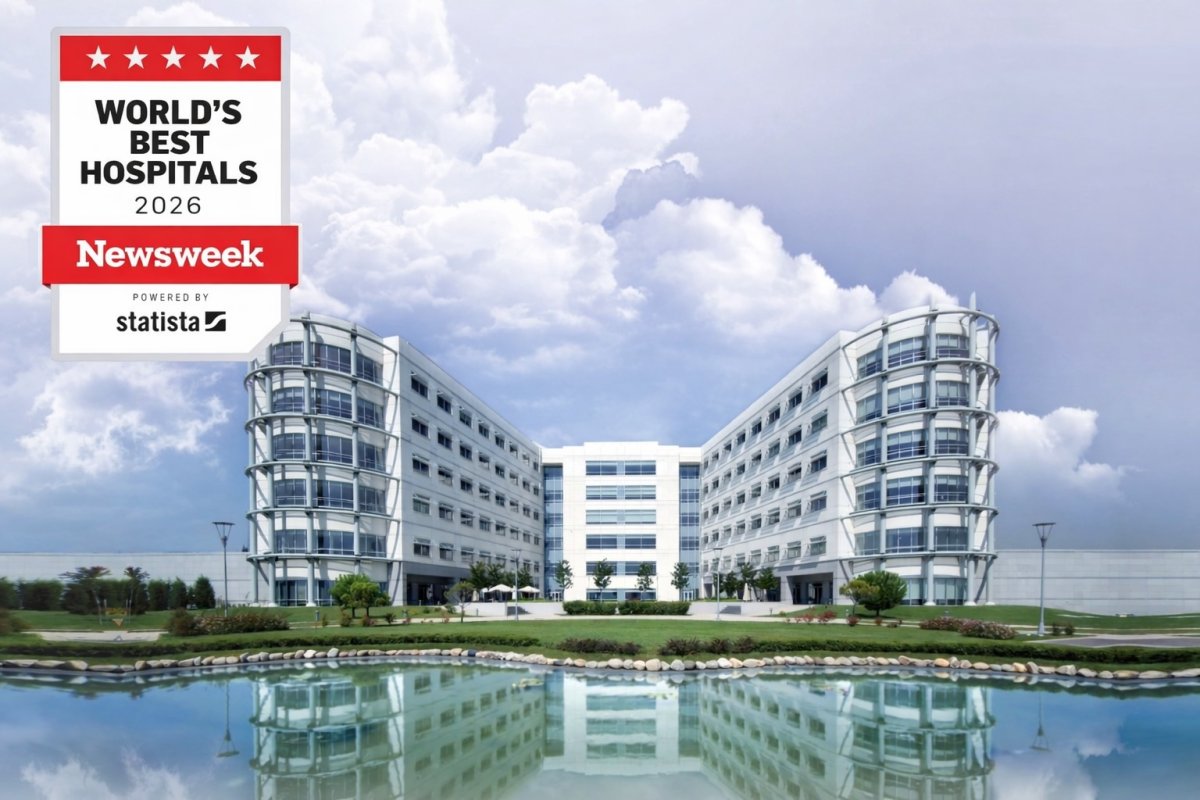
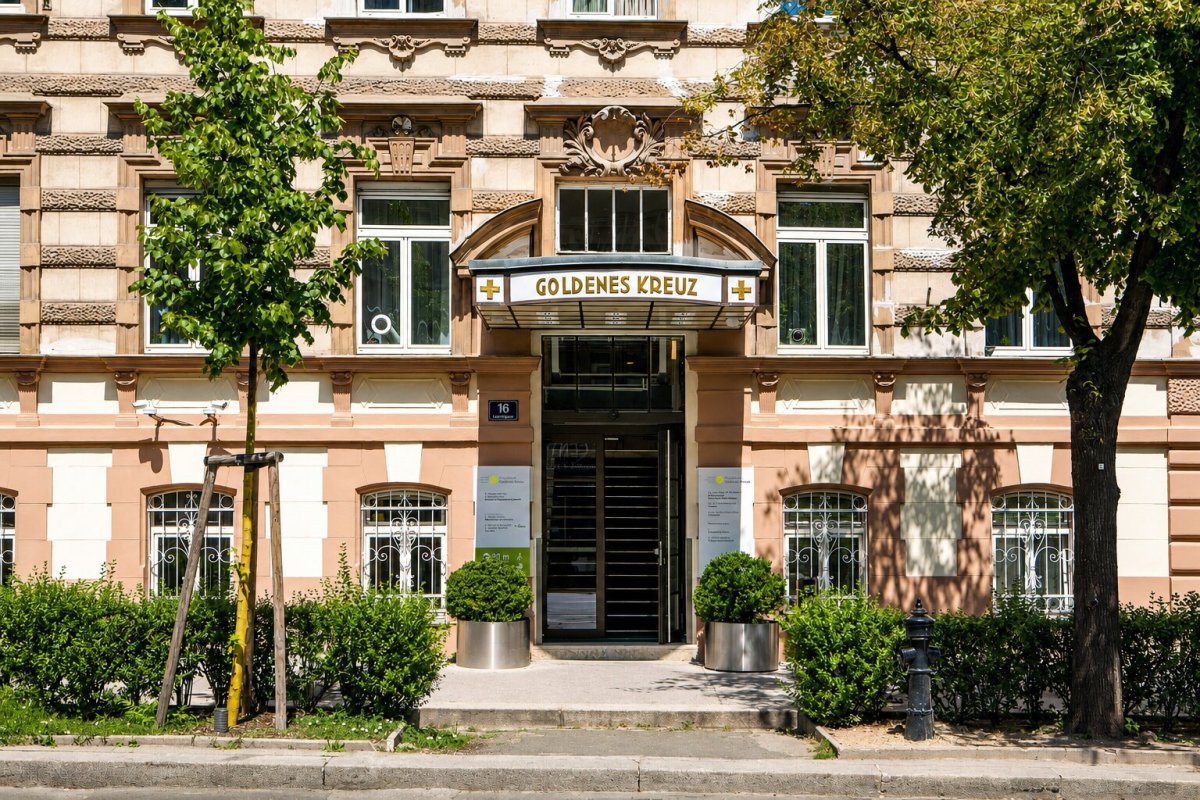
Memorial Şişli Hospital
Turkey, Istanbul
Serkan Keskin
25 years of experience

accreditations : 

Clinic is certified : 

Save up to
85%
vs. average UK or US prices
Last updated: Nov 18, 2026
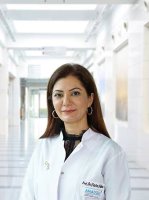
Medically reviewed by
Yesim Yildirim
Medical Disclaimer: Data verified by Bookimed as of November 2026, based on patient requests and official quotes from 153 clinics worldwide. Median costs are based on real invoices (2024–2026) and updated monthly. Actual prices may vary.
Turkey provides efficient sarcoma care through specialized oncology centers that follow international protocols. Major hospitals integrate advanced diagnostics like PET/CT with limb-sparing surgeries and proton-beam therapy. Patients benefit from rapid access to treatment, often moving from biopsy to surgery in just 10 days.
Bookimed Expert Insight: Turkey's largest medical hubs, such as Istanbul Florence Nightingale, concentrate vast diagnostic resources including 512-slice CT and digital PET/CT. This allows coordinated teams to complete complex sarcoma assessments, which usually cost from Price on request to Price on request , in a fraction of the time required in Western Europe.
What patients say: Patients note the care feels professional and honest without being pushed toward unnecessary scans. They often describe the hospital rooms as high-quality and appreciate the kindness of the staff. Many are surprised by how quickly they can start treatment compared to waiting months elsewhere.

Germany operates as a global leader for sarcoma care through specialized centers certified by the German Cancer Society. Patients access rapid diagnostics and complex limb-sparing surgeries. Integrated care teams combine radiotherapy, chemotherapy, and molecular therapies to provide precise, patient-specific treatment protocols for rare bone and soft tissue tumors.
Bookimed Expert Insight: German university hospitals concentrate expertise by hosting multiple research institutes within one site. This allows clinics like Nordwest to offer experimental options, such as therapeutic antitumor vaccines, alongside standard care. Patients often find that the most successful outcomes occur at these high-volume academic centers.
What patients say: Patients note the speed of care in Germany, often moving from diagnosis to surgery within 3 weeks. They describe the medical teams as professional and human, frequently mentioning the emotional relief of receiving clear, reasonable treatment plans. Many highlight the detailed explanations provided by doctors during consultations.


Spain is a leading destination for sarcoma care due to its specialized Reference Centers (CSUR). These hospitals achieve an 82% survival rate compared to 70.4% in non-specialized facilities. Patients access high-volume expertise and limb-sparing techniques that preserve mobility in over 90% of bone tumor cases.
Bookimed Expert Insight: Spain's oncology network is uniquely integrated with American research standards. Several top centers, including Hospital Quiron Barcelona, maintain active collaborations with leading U.S. cancer institutes. This provides patients with direct access to international clinical trials and molecular testing and diagnostics like the Focus Onco test.
What patients say: Patients note that Spanish doctors provide compassionate care and spend significant time listening. Many describe the treatment process as efficient, often moving from diagnosis to surgery in under a month. They feel supported by kind staff and well-prepared oncologists who focus on saving limbs.




China leads in sarcoma care through massive clinical volume and niche ablation technologies. Major centers like Sun Yat-sen University Cancer Center perform 45,000+ operations annually. Specialists integrate rare treatments like NanoKnife and cryoablation for complex tumors. This creates options for cases considered difficult elsewhere.
Bookimed Expert Insight: Chinese oncology centers often combine vascular and non-vascular interventional therapies. Specialists like Dr. Xiao Yueyong have performed 100,000+ guided procedures. This high volume leads to refined techniques for iodine-125 seed implantation and NanoKnife ablation.
What patients say: Patients note the clinics are well-equipped and doctors are extremely knowledgeable. Many emphasize the importance of finding a physician with expertise in their specific sarcoma subtype. Travelers should prepare for upfront admission deposits before starting their care plan.
Austria offers centralized expertise for sarcoma care through university-based high-volume centers. These facilities integrate oncology, orthopedics, and radiotherapy into unified teams. This structure allows for rapid diagnostics. Patients often receive full evaluations within 1 day. This speed improves overall treatment outcomes and planning.
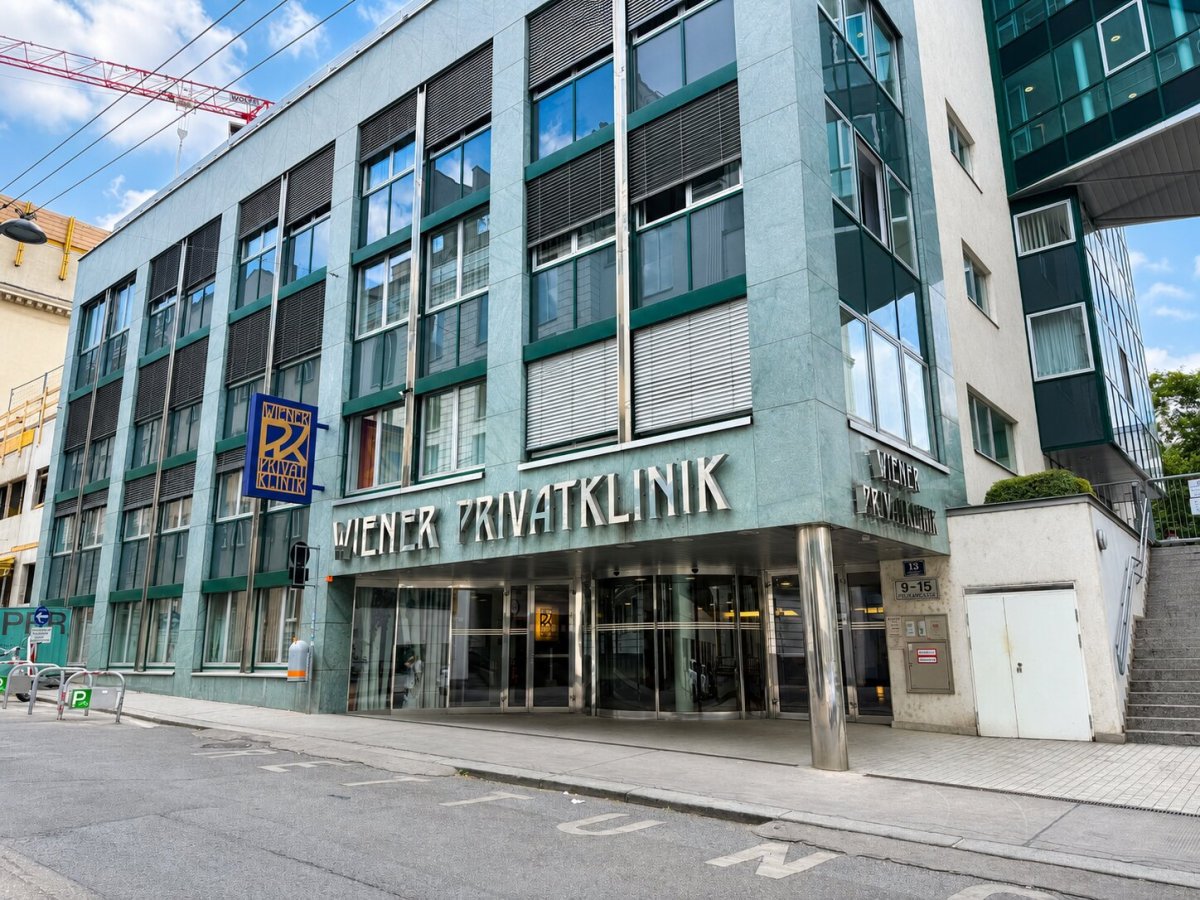
Bookimed Expert Insight: Austria is unique because even private clinics maintain direct links to university research. Centers like Wiener Privatklinik provide access to world-renowned professors from the Medical University of Vienna. This ensures patients receive academic-level care within a more comfortable, hotel-like private environment.
What patients say: Patients note the efficiency is surprising compared to other European countries. They appreciate having all examinations completed in 1 day. The clinic environment feels more like a hotel than a hospital.



Transparent methodology - so you can trust our recommendations.
This ranking is based on data from Bookimed's platform collected between 2021-2025, analyzing:
120,000+ patient requests
in the epilepsy & neurology category
Verified reviews only
from patients who completed treatment (min. 10 reviews per clinic to be included)
Accreditation data
JCI, ISO 9001, national health ministry certifications verified annually
Price data
aggregated from clinic offers on the platform, updated quarterly
Expert review
this guide was reviewed by Dr. Anna Kovalenko, MD, Neurologist, 15 years clinical experience
Countries with fewer than 5 verified clinics in this category were excluded from the ranking. Prices shown are starting prices and may vary based on individual diagnosis and clinic selection.
Choosing a country for Sarcoma treatment abroad shouldn't come down to guesswork. With more than 1,000,000 patient inquiries since 2014, we know which destinations combine the best specialists, safest hospitals, and affordable prices. We're here to help you find the right one.

 Anna Leonova
Sarcoma is a rare type of cancer that develops in the soft tissue, including muscles, tendons, and blood vessels. The incidence rate for sarcoma is less than 1% of new adult cases annually.
A comprehensive approach to cancer diagnosis is crucial, particularly for rare cancers like sarcoma. Sarcomas can occur in any body part. Sarcomas can occur in people of all ages but are more commonly diagnosed in children and young adults.
The exact cause of sarcoma is unknown, but several factors can increase the risk of developing this type of cancer:
Genetic predisposition. Certain inherited genetic conditions, such as Li-Fraumeni syndrome or neurofibromatosis, increase sarcoma risk;
Radiation exposure. Previous exposure to radiation therapy, especially for treating other cancers, can lead to the development of sarcoma in the treated area;
Chemical exposure. Prolonged exposure to chemicals like dioxins and herbicides has been linked to a higher risk of sarcoma;
Chronic lymphedema. A long-term build-up of lymph fluid in the tissues can cause a specific type of sarcoma called angiosarcoma.

Sarcomas are divided into two main categories: bone sarcomas and soft tissue sarcomas. Within these categories, several subtypes exist.
Osteosarcoma. Bone cancer primarily affects the arms and legs.
Chondrosarcoma. A bone sarcoma that begins in cartilage cells, usually affecting older adults;
Ewing Sarcoma. A rare but aggressive form of bone cancer that commonly occurs in children and teenagers;
Liposarcoma. A soft tissue sarcoma arises from fat cells and can occur in various body parts, such as the limbs or abdomen;
Leiomyosarcoma. A type of soft tissue sarcoma that starts in the smooth muscles, often in the uterus, gastrointestinal tract, or blood vessels.
| Type of Sarcoma | Description |
Incidence rate (compared to other types) |
| Osteosarcoma |
Bone cancer primarily affects the arms and legs. |
5% |
| Chondrosarcoma | A bone sarcoma that begins in cartilage cells, usually affecting older adults. | 10% |
| Ewing's Sarcoma | A rare but aggressive form of bone cancer that commonly occurs in children and teenagers. | Less than 5% |
| Liposarcoma | A soft tissue sarcoma arises from fat cells and can occur in various body parts, such as the limbs or abdomen. | 11% |
| Leiomyosarcoma | A type of soft tissue sarcoma that starts in the smooth muscles, often in the uterus, gastrointestinal tract, or blood vessels. | 12% |
Sarcomas and carcinomas affect bones but come from different cells and spread differently.
Sarcomas start in bone or soft tissue and grow as "ball-like" masses, pushing nearby structures like muscles, blood vessels, and nerves away. This makes them easier to remove with surgery. Sarcomas usually spread to the lungs or other bones and rarely to lymph nodes.
Carcinomas usually start in organs like the breast or lungs and can spread to bones. They grow by invading nearby tissues like nerves and muscles, making surgery more challenging. Carcinomas are more likely to spread to lymph nodes, lungs, bones, and other organs.
Both types of cancer behave differently, so their treatment plans vary accordingly.
| Condition | Carcinoma | Sarcoma |
| Origin | Epithelial tissue |
Mesenchymal tissue |
| Age | More in old | More in young |
| Vascularity | Less vascular | More vascular |
| Rate of growth | Less rapid | More rapid |
| Prognosis | Less bad | Worse |
The doctors use the TNM staging system:
🛑 T refers to the tumor size;
🛑 N refers to the spread to lymph nodes;
🛑 M refers to metastasis.
There are four main stages of sarcoma:
Stage I. The size of a tumor is around 5 cm, and the cancer doesn't spread to the nearby lymph nodes.
Stage II. The tumor is smaller than 5 cm and doesn't metastasize. However, the pathologist can see mutated cancer cells under the microscope.
Stage III. The tumor is 5-10 cm, and the cells look very different from normal tissue.
Stage IV. Sarcoma can be any size and spreads to the lymph nodes and distant organs.
The symptoms of sarcoma vary depending on the tumor's location and size. Some common symptoms include:
A painless lump or swelling in the soft tissues (arms, legs, or abdomen).
Persistent bone pain that worsens over time.
Limited movement or difficulty using the affected limb.
Fatigue, weight loss, or unexplained fever.
Unfortunately, sarcoma symptoms can often be mistaken for other conditions, leading to a delayed diagnosis. It won’t happen with patients who leave a request on Bookimed. The experienced onologists will analyze the symptoms and align your treatment strategy with your disease history.
Early detection of sarcoma can significantly improve treatment outcomes. Several diagnostic tools are used to identify sarcomas:
Imaging tests, such as X-rays, CT scans, MRIs, and PET scans, detect and assess tumors’ size and location;
Biopsy, to examine a tissue sample under a microscope and confirm the cancer cells;
Genetic testing. Some sarcomas are the result of genetic mutations. Looking for specific gene changes can affect treatment choices.
Treatment for sarcoma depends on its type, location, and stage and often involves a combination of sarcoma treatment options:
👨🏻⚕️ Surgery is the primary treatment for localized sarcoma. For bone sarcomas, this may include limb-sparing surgery or, in more advanced cases, amputation;
🩻 Radiation Therapy is applied before surgery to shrink tumors or after surgery to destroy any remaining cancer cells. Intensity-modulated radiation therapy (IMRT) and proton therapy are advanced techniques used to minimize damage to surrounding healthy tissues;
💊 Chemotherapy is an option for osteosarcoma and Ewing’s sarcoma. This systemic treatment helps to prevent metastasis;
🧪 Targeted Therapy focuses on specific molecules driving cancer growth. For example, Pazopanib treats advanced soft tissue sarcomas, and Tazemetostat works well for epithelioid sarcomas;
🦠 Immunotherapy involves stimulating the immune system to fight sarcoma cells. Drugs like PD-1 and PD-L1 inhibitors prevent the T cells from attacking the healthy body parts;
🔬CAR-T cell therapy targets the proteins on the surface of sarcoma cells. It works great for patients with advanced synovial sarcoma after the course of chemotherapy.
A sarcoma care team is essential in providing comprehensive care tailored to the unique needs of sarcoma patients. A sarcoma specialist within the care team ensures that patients receive top-tier treatment tailored to their needs. Ongoing research in cancer treatment is crucial, as patients may access new drugs through clinical trials.
Afami-cel is the FDA-approved T-cell therapy to treat solid tumor cancers (such as synovial sarcoma). It differs from CAR-T therapy because the T-cells can recognize the hidden cancer markers, whereas CAR-T therapy targets only those markers on the cell's surface.
Synovial sarcoma is a rare type of cancer (only 800-1000 new cases annually) that occurs near large joints (mainly knees). It is usually present in young adults under 30. The main symptoms are a painless lump, numbness, and swelling.
More than 85 out of every 100 (more than 85%) patients will survive their cancer for 1 year after diagnosis. Around 60 out of every 100 people (around 60%) will survive their cancer for 5 years or more after diagnosis.
Here's a price overview for sarcoma treatment at well-known cancer centers.
| Country | Israel | Turkey | Spain |
| Treatment cost |
From $12,330 to $34,420 |
From $8,333 to $25,000 |
From $12,330 to $34,420 |
Sarcoma treatment in Israel provides advanced therapies for all types of sarcoma, including granulocytic sarcoma, oral Kaposi sarcoma, bone and spine metastases, and other orthopedic conditions.
New Phase is one of the latest treatment methods developed in Israeli cancer clinics. It uses advanced technology to treat metastatic solid tumors by delivering heat directly to cancer cells using tiny particles called "nanoparticles."
Sourasky Medical Center (Ichilov). The Head of Sourasky Oncology Division, Prof. Ofer Merimsky, shows 90% limb preservation in case of sarcoma metastases. During surgery, the doctors apply the O-ARM 3-dimensional navigation system, which reduces operation time and boosts postoperative recovery.
Assuta Medical Center. Assuta was the first Israeli hospital to receive Joint Commission International (JCI) accreditation. The doctors here performed more than 92,000 surgeries and 685,000 diagnostic procedures.
Sheba Medical Center. Sheba is among the Top 10 Global Hospitals, according to Newsweek. The Jusidman Oncology Hospital at Sheba Medical Center is one of Israel's best sarcoma treatment centers.
| Sarcoma centers | Treatment cost |
| Sourasky Medical Center (Ichilov) | Treatment — $1000 - $2000 Diagnostics — $700 - $1800 |
| Assuta Medical Center | Immunotherapy — $3800 - $5000 PET/CT — $1680 |
| Sheba Medical Center | PET/CT — $2200 |
Have questions? Submit a request on Bookimed and our coordinator will contact you to answer all questions.
Turkey is home to some of the best sarcoma cancer hospitals, offering advanced medical care and cutting-edge technologies. These hospitals are internationally recognized for their expertise in oncology and have well-established reputations for treating sarcoma, a type of cancer that affects soft tissues and bones.
Anadolu Medical Center. This hospital is known for its comprehensive cancer care, which is supported by collaborations with global leaders like Johns Hopkins Medicine. The center offers personalized treatment plans for sarcoma patients using the latest technologies, such as robotic surgery and precision medicine techniques.
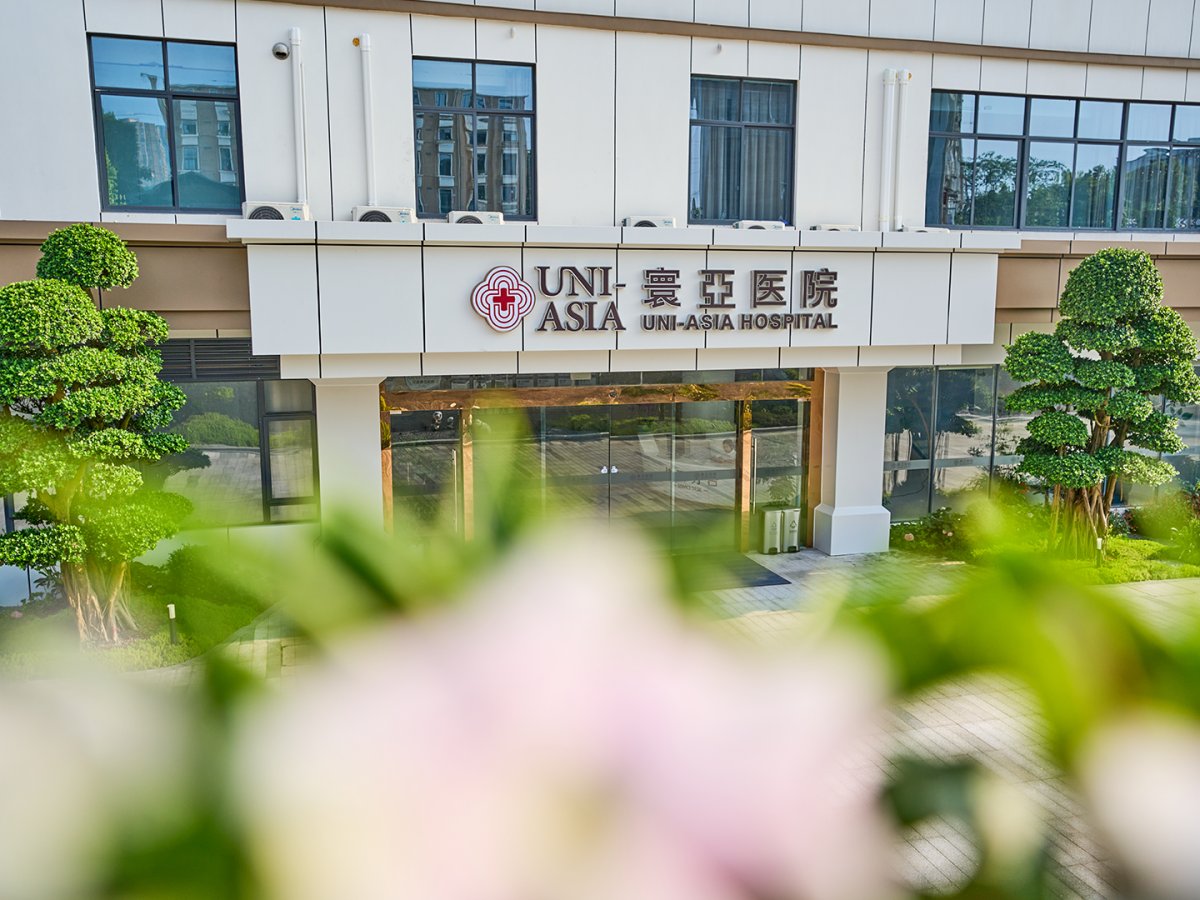
Memorial Şişli Hospital. Located in Istanbul, this hospital is part of the Memorial Healthcare Group, known for its world-class oncology departments. Memorial Şişli has modern diagnostic tools, including PET-CT and MRI, ensuring accurate diagnoses and effective treatment strategies.
Istanbul Florence Nightingale Hospital. With a strong focus on oncology, this hospital offers state-of-the-art treatments for sarcoma, including minimally invasive surgery, radiation therapy, and personalized medicine.
| Sarcoma centers | Treatment cost |
|
Anadolu Medical Center |
Treatment — $3100 - $6100 Diagnostics — $2400 - $5000 |
| Memorial Şişli Hospital | Treatment — $3000 - $5500 Diagnostics — $600 - $2100 |
| Istanbul Florence Nightingale Hospital | Treatment from $3000 |
Spanish hospitals have emerged as one of the leading destinations for sarcoma treatment.
Centro Médico Teknon. The Teknon Oncology Institute is one of Spain's most prominent cancer treatment centers, serving patients since 2000. Prof. Raimon Miralbell is a leading oncologist at Teknon Hospital in Barcelona.
SJD Barcelona Children’s Hospital. SJD Barcelona Children's Hospital offers Spain's first joint treatment protocol for both children and adults with Ewing's sarcoma. Advanced techniques reconstruct the affected limb using either the patient's bone material or a donor's, helping to avoid amputation.
| Sarcoma centers | Treatment cost |
|
Centro Médico Teknon |
Radiation Therapy for Sarcomas $17748 — $19967 |
|
SJD Barcelona Children’s Hospital |
Sarcoma surgery $29950 — $55463 Complex diagnosis of sarcoma $7765 — $13311 |
When searching for the best hospital for sarcoma treatment, consider the following factors:
Accreditations. It is the cornerstone of quality assurance in healthcare. This should be the main criterion of the hospital's excellence for patients looking for the best diagnostics and treatment.
Membership in International Organizations. Such as the Union for International Cancer Control (UICC) or the International Cancer Foundation. It means that the hospital team strives to provide better outcomes in battling cancer.
Access to Clinical Trials. Sarcoma research is evolving, and clinical trials may offer access to the latest treatments that can improve outcomes.
Doctor's Experience. Oncologists with successful surgeries and chemos will likely work at the best sarcoma treatment centers. That's why finding the physician and the hospital can be beneficial.
Technological Advancements. Facilities with cutting-edge technologies like proton therapy, robotic surgery, and personalized genetic testing provide more precise and effective treatments.
Patient Support Services. Hospitals with comprehensive patient support services, including rehabilitation, counseling, and financial assistance, can enhance the treatment experience.
If you're in doubt, leave a request on Bookimed, and our medical coordinator will pick the top hospital according to your needs.
Clinical characteristics of sarcoma patients: a population-based data analysis from a German clinical cancer registry. PubMed Central (PMC). URL: https://www.ncbi.nlm.nih.gov/pmc/articles/PMC10657284/ (date of access: 09.09.2024).
FDA Approves First Engineered Cell Therapy for Treating Rare Sarcoma. Memorial Sloan Kettering Cancer Center. URL: https://www.mskcc.org/news/immunotherapy-clinical-trial-shows-promise-for-treating-rare-sarcomas (date of access: 09.09.2024).
Immunotherapy for Soft Tissue Sarcoma. Information and Resources about Cancer: Breast, Colon, Lung, Prostate, Skin | American Cancer Society. URL: https://www.cancer.org/cancer/types/soft-tissue-sarcoma/treating/immunotherapy.html (date of access: 09.09.2024).
Survival for soft tissue sarcomas. Cancer Research UK. URL: https://www.cancerresearchuk.org/about-cancer/soft-tissue-sarcoma/survival (date of access: 09.09.2024).
Synovial Cell Sarcoma - StatPearls - NCBI Bookshelf. National Center for Biotechnology Information. URL: https://www.ncbi.nlm.nih.gov/books/NBK587366/ (date of access: 10.09.2024).