Best Countries & Costs for CAR T-cell therapy in the World
The best countries for CAR T-cell therapy in the world are Turkey, Spain, Germany, China, and Israel. All five combine accredited hospitals, experienced surgeons, and procedure costs up to 83% lower than in the US. Bookimed's ranking is based on 717 patient requests and 29 verified clinics across 32+ countries.
Affordable local CAR-T products and integrated hematology care
Turkey offers locally developed ISIKOK-19 therapy to increase accessibility for relapsed patients. JCI-accredited centers feature experts trained at MD Anderson and Mayo Clinic who manage complex cell reprogramming.
Pioneering academic immunotherapy and pediatric blood cancer cases
Spain hosts JCI-accredited centers that developed non-profit CAR T-cell models. Specialist centers report a 94% survival rate for pediatric acute lymphoblastic leukemia using integrated cellular therapies.
#3
Germany
From $350,000
Up to17%
University-led care and local cell manufacturing
German university hospitals hold local manufacturing licenses. This reduces cell production time to 12 days. Specialized centers use TÜV-certified quality management to handle complex immunotherapy protocols safely.
Rapid production and complex hematologic malignancies
Chinese centers offer automated manufacturing that reduces cell production to 24–36 hours. Specialist hematology hospitals feature 350+ physicians and 30 departments focused on refractory blood cancers.
In-house cell manufacturing and faster treatment turnaround
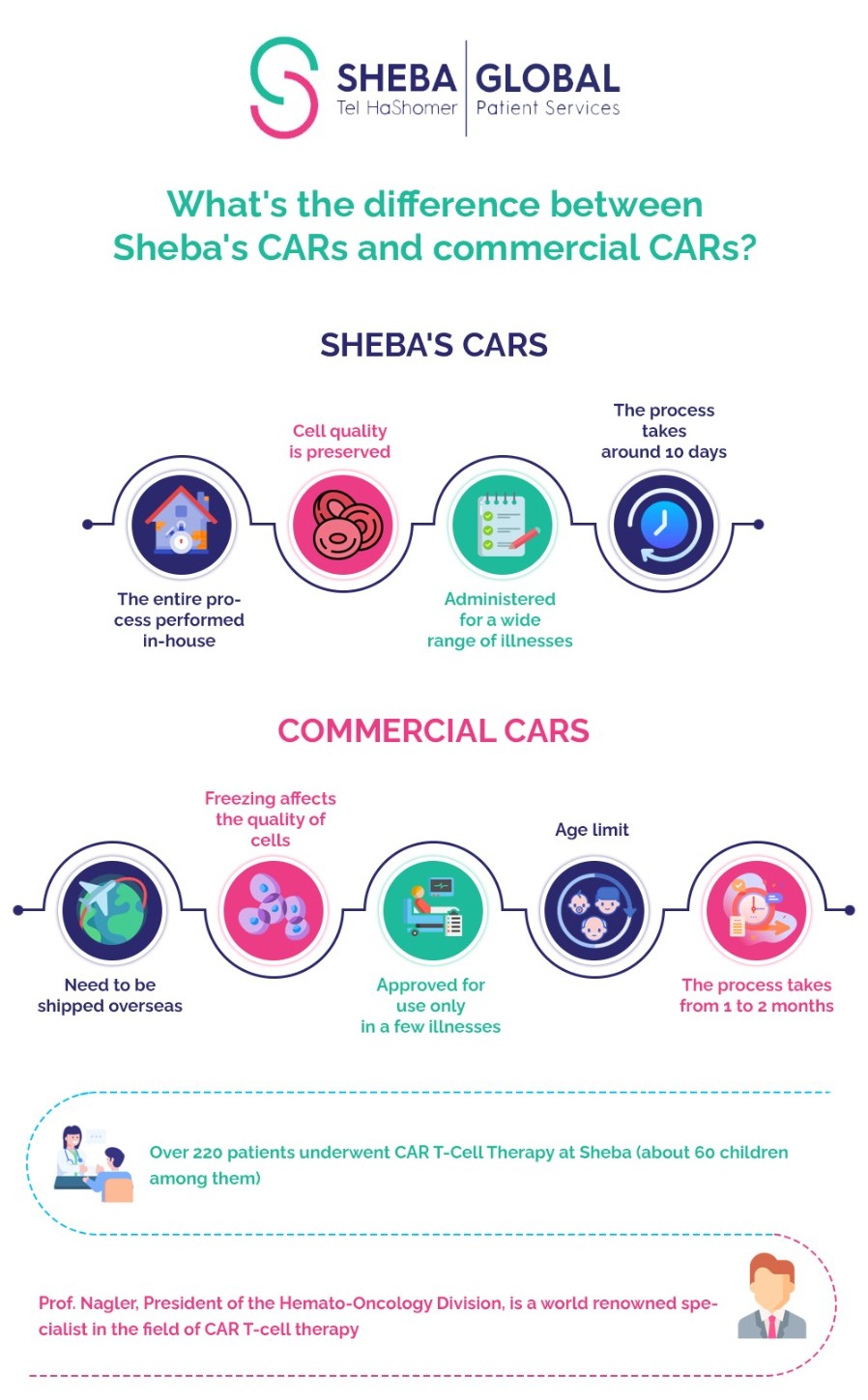
Hospitals like Sheba manufacture CAR T-cells on-site, reducing delivery time to 10 days. This prevents disease progression and avoids freezing cells, which maximizes their potency for patients.
Medical Disclaimer: Data verified by Bookimed as of October 2026, based on patient requests and official quotes from 29 clinics worldwide. Median costs are based on real invoices (2024–2026) and updated monthly. Actual prices may vary.
Turkey: Best Country for CAR T-cell therapy in the World – from $200,000
Turkey provides affordable access to cell engineering for B-cell malignancies. Local medical centers use the ISIKOK-19 product to lower financial barriers. Specialists often undergo training at globally recognized centers like MD Anderson. Clinical protocols include a mandatory 28-day hospital stay for monitoring.
Specialized infrastructure. Emsey Hospital operates one of the region's largest bone marrow units with 45 beds.
Expert credentials. Dr. Osman Ilhan performed Turkey's first bone marrow transplant and holds EBMT certification.
Global standards. Major oncology centers like Hisar Hospital maintain JCI accreditation and HEPA-filtered recovery rooms.
Treatment range. Centers provide full cycles from laboratory T-cell reprogramming to intensive post-infusion care.
Bookimed Expert Insight: While many search for this therapy, clinics like Istanbul Florence Nightingale often recommend it for specific relapsed cases. Patients should expect the procedure to cost from $200,000. Most successful outcomes come from centers that combine Mayo Clinic-trained hematologists with green-certified recovery environments.
What patients say: Patients note that Turkey is a viable choice for out-of-pocket cancer care and treatment. They mention that individual clinic consultations are necessary to confirm if this therapy is available. People often observe that specialized nursing and doctor expertise are key for long-term monitoring.
CAR T-cell Therapy by Mayo Clinic-Trained Hematologist at JCI Center
Professor Omur Gokmen Sevindik, who completed a hematology fellowship at the Mayo Clinic, leads this treatment. The package costs approximately $200,000 – covering the entire 28-day inpatient cycle, all meals, and accommodation for one companion at the JCI-accredited Istanbul Florence Nightingale Hospital. This TÜV Hessen-certified smart hospital provides dedicated nursing and multi-language support. Patients should plan to stay in Istanbul for at least two months following discharge for monitoring.
CAR T-cell Therapy by SIOP & EBMT-Certified Hematologist — Full Package
This package provides personalized CAR-T cell dosing tailored to a patient's specific disease progression. Professor Ceyhun Bozkurt, a published SIOP/EBMT member with expertise in childhood blood disorders, leads the full-cycle management at Medical Park Bahcelievler Hospital. The approximate $300,000 fee covers a 28-day hospital stay in infection-controlled rooms with 24/7 monitoring. CAR-T cells are produced at the GMP-certified Acıbadem Labcell laboratory for safety. A bridge therapy option allows for continuous medical supervision prior to infusion if needed.
Spain: Top Country for CAR T-cell therapy Abroad – from $385,300
Spain offers high-success immunotherapy through academic and commercial CAR T-cell models. Specialized centers in Barcelona and Madrid provide access to clinical trials for refractory blood cancers. Treatment protocols follow strict European Medicines Agency standards. This ensures high safety for pediatric and adult patients alike.
Academic breakthroughs. Barcelona centers like SJD Children’s Hospital achieve 94% survival for acute lymphoblastic leukemia.
Specialist expertise. Dr. Francesc Cobo Valien brings 25+ years of experience to complex oncohematology cases.
Global certifications. Major hospitals like Clinica Universidad de Navarra hold JCI and ESMO oncology accreditations.
Scale of care. The Quironsalud group manages massive patient volumes across Madrid and Barcelona annually.
Bookimed Expert Insight: Spain’s unique academic manufacturing model allows hospitals to produce CAR-T cells in-house. This capability, found in centers like Hospital Clínic de Barcelona, often speeds up treatment starts compared to waiting for commercial labs. You should plan to stay near the clinic for three months post-infusion for monitoring.
What patients say: Patients note that Spain offers a less harsh recovery than traditional chemotherapy. The logistical process is intense. Staying close to the hospital helps manage fatigue and common side effects.
Germany: Top Country for CAR T-cell therapy Abroad – from $350,000
Germany is a global hub for CAR T-cell therapy. Major university centers hold local manufacturing licenses. This reduces cell production time to 12 days. Patients access treatment for refractory lymphoma and leukemia. Highly specialized labs ensure safety during genetic cell modification. German law allows compassionate use for serious cases.
Rapid cell production. Centers like Heidelberg University Hospital manufacture cells locally. This cuts typical waiting periods significantly.
Research-driven care. Nordwest Clinic operates 5 research institutes. These centers focus on developing new cancer innovations.
Strict safety standards. Clinics maintain TÜV certification. This ensures rigorous quality control during the cell infusion process.
Oncology expertise. German specialists serve 60,000+ patients annually. They manage complex immune responses after therapy.
Bookimed Expert Insight: Germany's internal manufacturing licenses are a major advantage. Hospitals often produce therapy on-site rather than shipping cells abroad. This helps patients start treatment faster. CAR T-cell therapy costs from $350,000 to $500,000 here. It remains a primary choice for European patients seeking EU-approved protocols.
What patients say: Patients in Germany note the high quality of clinical care. Some mention that strict regulations can impact initial scheduling. Many choose German clinics due to the availability of specific EU-approved treatments.
China: Top Country for CAR T-cell therapy Abroad – from $230,000
China leads global hematology with the most CAR T-cell clinical trials worldwide. Specialized hospitals like Lu Daopei handle 200,000+ patients annually. Rapid manufacturing platforms produce cells within 36 hours. This speed is vital for patients with aggressive, relapsed, or refractory blood cancers.
Specialized infrastructure. Lu Daopei Hematology Hospital provides 1,300 beds and 30 specialized departments for blood disorders.
Expert medical leadership. Dr. Li Ping leads national CAR-T trials for leukemia, lymphoma, and multiple myeloma.
Safety accreditation. Fuda Cancer Hospital holds JCI accreditation, ensuring international standards for patient safety.
Rapid cell manufacturing. Automated platforms reduce production cycles to 24–36 hours for faster treatment delivery.
Bookimed Expert Insight: China's hematology centers offer concentrated expertise in pediatric care. Dr. Xiao Juan manages high-risk childhood cases, including infant leukemia and EBV infection. This specialized focus makes China a primary choice for families seeking refractory pediatric CAR-T treatment.
What patients say: Patients note China provides a vital final option when treatments at home are unavailable. Many find the process more accessible and clinical trials easier to join. They also find coordination of pre-treatment testing and hospital communication to be manageable challenges.
Injection medicine only of CAR-T therapy (Yikeda® Axicabtagene Ciloleucel Injection).
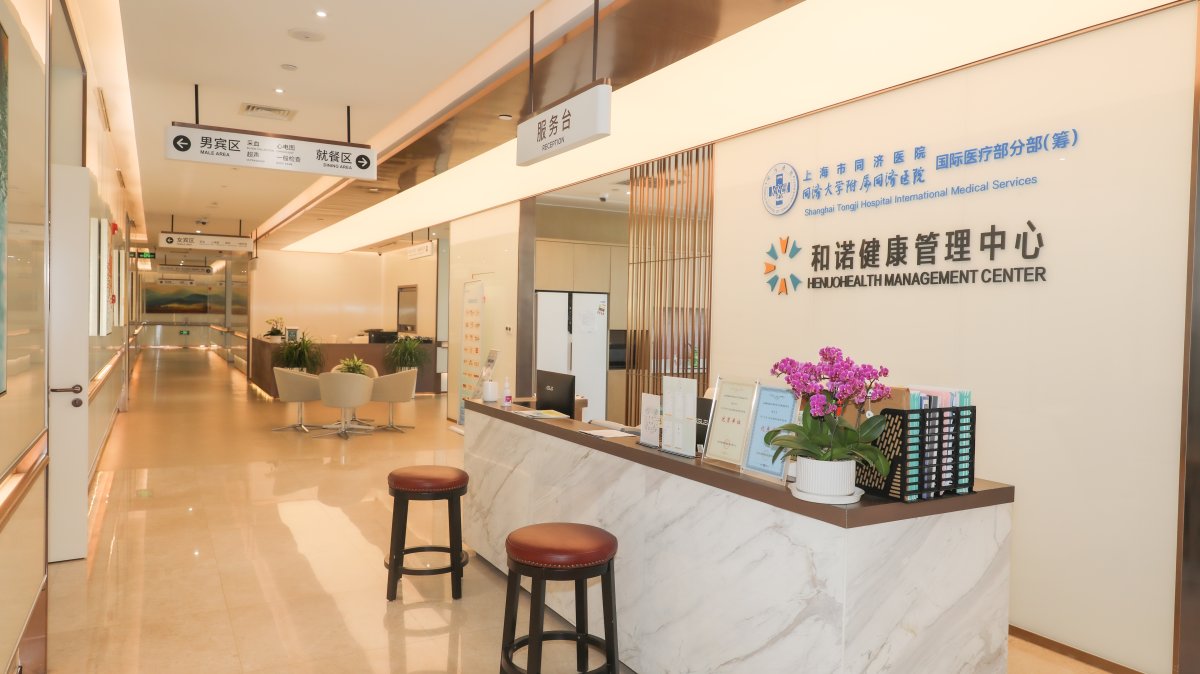
Shanghai Tongji Hospital has performed 1,500+ CAR-T infusions, making it one of the most experienced centers globally. The program started in 2014 and follows a standardized pathway for cell preparation and patient monitoring. As a tertiary university-affiliated hospital, it uses advanced immunophenotyping to determine eligibility for therapy. A multidisciplinary tumor board including hematology and pathology specialists plans each case. This international department offers personalized bridging therapy and long-term follow-up care for high-risk refractory cases.
Israel: Top Country for CAR T-cell therapy Abroad – from $84,000
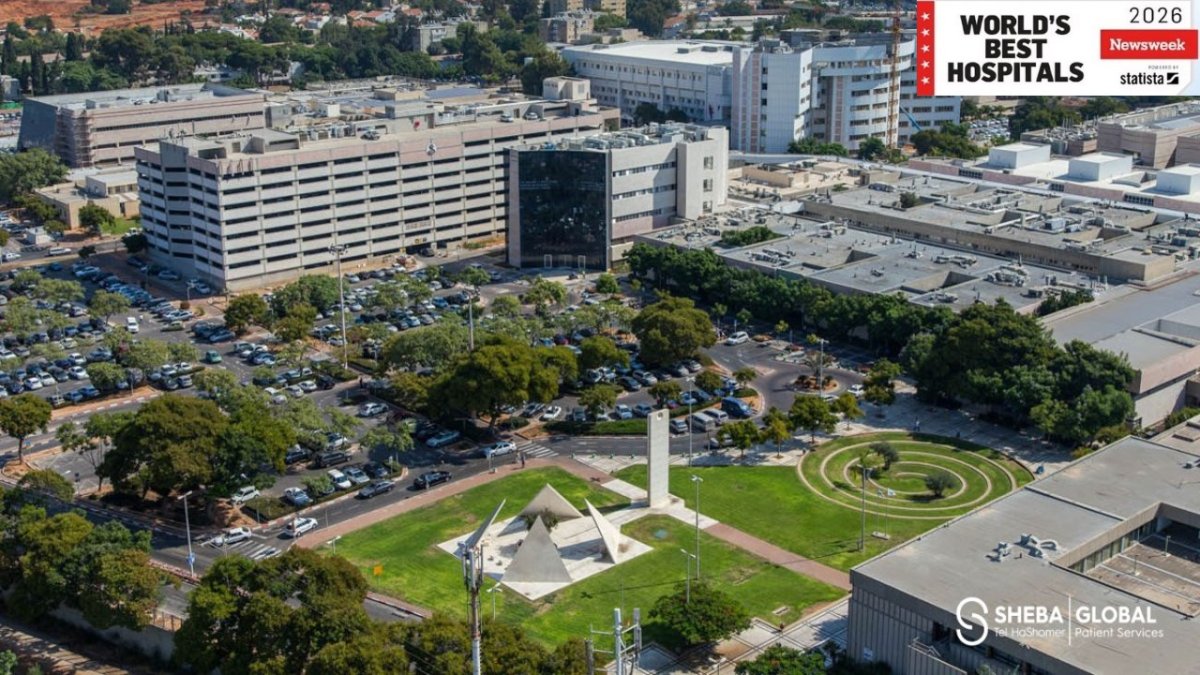
Israel is a global leader in cellular immunotherapy due to its in-house manufacturing capabilities. Hospitals like Sheba Medical Center produce CAR T-cells on-site. This cuts preparation time to roughly 10 days. Direct delivery avoids freezing cells, which preserves their strength for fighting cancer.
In-house manufacturing. Local labs produce modified cells quickly to prevent disease progression during the wait.
High cell potency. Avoiding cryopreservation keeps engineered cells active and vital for more effective treatment.
Massive clinical volume. Major centers like Sourasky treat 1,800,000+ patients annually across multiple specialized departments.
Pediatric expertise. Specialized programs at centers like Sheba offer personalized immunotherapy for high-risk childhood leukemias.
Bookimed Expert Insight: Israel's major medical centers often include 21-day hospital stays and extensive diagnostics in their packages. Specialists like Dr. Ron Ram have managed 900+ complex cases. This high surgical volume provides a level of experience rarely found in smaller regional clinics.
What patients say: Patients view Israel as a source of hope for treating resistant blood cancers. They note that while side effects like fever occur, they feel manageable compared to chemotherapy. The experience involves a standard 3-week hospital stay for close monitoring and safety.
How Bookimed Ranks the Best Affordable Countries for CAR T-cell therapy Abroad
Transparent methodology - so you can trust our recommendations.
Whether you're looking for the cheapest place to get car t-cell therapy or the highest-rated specialists abroad, Bookimed's ranking accounts for everything that matters. It uses a smart algorithm that continuously analyzes real-world data from verified verified clinics worldwide, including:
717 patient requests
We analyze thousands of real cases to identify destinations with the highest patient demand and best outcomes for car t-cell therapy.
5 verified patient reviews
Real feedback on hospital facilities, staff communication, recovery experience, and long-term results.
Accreditation standards
International accreditations such as JCI and ISO 9001, or equivalent national certifications, verified annually.
Board-certified specialists
Evaluated by credentials, volume of successful cases for car t-cell therapy, and specialized training.
Transparent price data
Aggregated directly from clinics and cross-checked against other ranking criteria - so the cheapest countries for car t-cell therapy on our list are also among the safest.
Medical excellence & innovation
We prioritize countries using the latest techniques and equipment for car t-cell therapy, with proven track records in international patient care.
Choosing a country for CAR T-cell therapy abroad shouldn't come down to guesswork. Having helped over 900,000 patients, we know which destinations combine the best specialists, safest hospitals, and affordable prices. We're here to help you find the right one.
A certified medical writer with 10+ years of experience, developed Bookimed’s trusted content, backed by a Master’s in Philology and medical expert interviews worldwide.
General practitioner. Winner of 4 scientific awards. Served in Western Asia. Former Team Leader of a medical team supporting Arabic-speaking patients. Now responsible for data processing and medical content accuracy.
CAR T-cell therapy, or chimeric antigen receptor T-cell therapy, is an immunotherapy that uses genetically altered T cells to target and destroy cancer cells. This treatment is FDA-approved to treat several types of blood cancer, including acute lymphoblastic leukemia and diffuse large B-cell lymphoma.
CAR T-cell infusion combines three types of therapy:
Cell therapy;
Immunotherapy;
Gene therapy.
The leukapheresis process, where white blood cells are harvested, is a critical step in therapy preparation.
The studies show 60% of patients with B-cell lymphoma go into remission for at least 5 years. That’s why CAR T cell therapy is a “living drug” that has a long-term effect on destroying cancer cells.
The process begins with the collection of the patient’s T cells, a type of white blood cell that plays a crucial role in the immune response. Once the T cells are modified, they are expanded in number and reinfused into the patient’s bloodstream.
The CAR allows these engineered T cells to identify and attach to cancer cells, marking them for destruction. This targeted approach ensures that the immune system can effectively attack cancer cells while minimizing damage to healthy cells.
CAR T cell therapies work by:
Identifying and targeting specific cancer cells;
Activating the immune system to attack cancer cells;
Enhancing the body’s natural ability to fight cancer;
Providing a personalized treatment approach.
Who Is a Candidate for CAR T-cell Therapy?
CAR T-cell therapy is not a one-size-fits-all treatment. It's typically considered for patients with specific types of cancer, including:
Relapsed or refractory Acute Lymphoblastic Leukemia (ALL). The patients whose leukemia has returned after initial treatment or hasn't responded to existing therapies.
Relapsed or refractory Diffuse Large B-cell Lymphoma (DLBCL). The patients with a specific type of aggressive lymphoma that has recurred or failed to respond to other treatments.
Multiple Myeloma. CAR T-cell therapy for multiple myeloma shows great results in destroying damaged bone marrow cells.
Follicular Lymphoma. The patients with affected lymph nodes develop small, round nodules called follicles.
Refractory mantle cell lymphoma. The patients with a subtype of B-cell non-Hodgkin lymphoma who suffer from lymph node enlargement and don't respond to traditional chemotherapy.
Other types of blood cancers. Research is ongoing to explore CAR T-cell therapy's effectiveness in treating other blood cancers and potentially some solid tumors.
What Factors Have an Impact on Patient's Potential?
Here's the list of standpoints that make a patient more or less suitable for undergoing CAR T-cell treatment:
Age and overall health. Younger patients with a more robust immune system are better candidates.
Specific cancer type. T-cell therapy is most effective for certain cancer types (leukemia and lymphoma).
Prior treatments. Patients who haven't responded well to other treatments may be suitable candidates.
What Are the Safety Concerns Associated with CAR T-cell Treatment?
While CAR T-cell therapy offers promising results, there are potential safety concerns, including:
Cytokine Release Syndrome (CRS) is a common side effect (42-100% of patients), which includes fever, chills, fatigue, and difficulty breathing. It usually occurs within a few days of receiving the CAR T-cells and can be managed with medication (antipyretics or corticosteroids for advanced cases).
Immune Effector Cell-Associated Neurotoxicity Syndrome (ICANS) is a less common (3-64% occurrence rate) but more serious side effect affecting the nervous system. It may cause confusion, tremors, headaches, and difficulty speaking.
Tumor lysis syndrome (TLS) occurs when large numbers of cancer cells are rapidly destroyed, leading to electrolyte imbalances and kidney problems.
Risk of infection. Due to the suppression of the immune system during treatment, patients are more susceptible to infections.
What Are the Differences Between CAR-T Cell Therapies and Other Immunotherapy Treatments?
There are several key differences between CAR T-cell therapy and other immunotherapy approaches (such as targeted therapy and monoclonal antibodies):
Feature
CAR T-cell Therapy
Other Immunotherapies
Mechanism of Action
Genetically modified T-cells target specific antigens on cancer cells.
Stimulates the body's immune system to recognize and attack cancer broadly.
Specificity
Highly targeted towards particular cancer cells.
It can have a broader effect on the immune system.
Customization
Personalized treatment using the patient's T-cells.
Not personalized.
Administration
Requires complex procedures for T-cell extraction, modification, and reinfusion.
It can be administered through injections or infusions.
The other table shows precise differences between CAR T-cell therapy and the most common cancer treatments.
Feature
CAR T-cell Therapy
Chemotherapy
Stem Cell Transplant
Target cells
ONLY tumor cells.
ALL the cells that are rapidly dividing (including healthy tissues).
Not defined.
Type of cells
Patient’s OWN immune cells.
Not defined.
Donor’s cells.
What Are the CAR T-Cell Therapy Side Effects?
CAR T therapy is a one-time treatment. Once the CAR T cells are back in the body, they can fight cancer immediately.
Despite the safety concerns mentioned earlier, CAR T-cell therapy can cause other side effects, including:
Fatigue;
Nausea and vomiting;
Low blood counts;
Fever;
Hair loss;
Mouth sores.
These side effects are usually temporary and manageable.
What to Expect Before, During, and After Treatment?
Before receiving CAR T-cell therapy, patients may undergo a conditioning regimen of lymphodepleting chemotherapy (which reduces the number of damaged lymphocytes). This preparatory step aims to reduce the presence of existing immune cells, thereby minimizing the risk of the body rejecting the infused CAR T cells.
The administration of CAR T cells involves a relatively straightforward procedure. The engineered cells are infused intravenously, similar to receiving blood, and the process typically takes between 5 and 30 minutes.
Following CAR T-cell therapy, patients often require hospitalization for 7 to 10 days to allow for close monitoring and management.
Do Patients Still Need Stem Cell Transplants After CAR T-Cell Therapy?
Allogenic stem cell transplant (allo-HCT) is a standard treatment for B-cell lymphomas, but it often doesn't work for long. Patients may have relapses even after the transplant. As a type of immune cell therapy, CAR T-cell treatment for cancer can be combined with allo-HCT to speed up the remission.
The studies show that patients with CAR T-cell therapy alone lived for an average of 10.5 months. On the contrary, those who had transplantation after the T-cell treatment had an average survival of 70.2 months. This is an excellent example of how combining cancer treatments improves patient outcomes.
Stem cell transplantation is also an option for the following cases:
When lymphoma/multiple myeloma doesn't respond to CAR T-cell therapy;
When the initial disease relapses multiple times;
After the previous stem cell transplantation.
What Are the Top Hospitals Offering CAR T-Cell Therapy?
Bookimed has selected the top CAR T-cell centers using our Smart Ranking System. This system considers various factors, such as:
Doctor's experience;
Success rates;
Technological advancements;
Patient satisfaction.
By leveraging this data-driven approach, we ensure our patients can access the most effective and cutting-edge treatments available. The choice is always yours, and we highly recommend consulting with our medical coordinators before signing up for the treatment.
Here's the list of the best hospitals where is car t-cell therapy available:
The Hematology Institute is a leading CAR T-cell therapy clinic in Israel. Their experts have much experience treating patients with CAR T-cells and managing any side effects. The center has a 90% success rate in oncology clinical trials and treatments.
Dr. Ron Ram is one of the best hematology/oncology department specialists. He has performed numerous stem cell transplants and contributed to chimeric cancer treatment.
The Ichilov was also the first CAR T hospital in Israel to get government approval.
Sheba Medical Center is an example of how large academic hospitals are developing CAR T-cell therapy through integrated clinical and laboratory programs. The hospital has performed 450+ CAR-T procedures for patients with leukemia, lymphoma, multiple myeloma, and other relapsed or refractory blood cancers.
A key feature of Sheba’s program is in-house CAR-T manufacturing. The hospital produces CAR-T cells onsite through its GMP-certified Advanced Biotherapy Center (ABC), rather than relying only on external commercial production. This model can shorten the “vein-to-vein” timeline — from T-cell collection to reinfusion — to approximately 10 days.
Sheba’s cellular therapy program is also connected with bone marrow transplantation, pediatric hemato-oncology, precision oncology, bispecific antibody therapy, and TIL therapy for metastatic melanoma. The center is also involved in research on CAR-T approaches for severe autoimmune diseases, including lupus, rheumatoid arthritis, Sjögren’s syndrome, vasculitis, and scleroderma.
The head of the oncology department, Dr. Guo Li Gai, has studied thousands of CAR T-cell therapy for non-Hodgkin lymphoma cases to administer effective CAR T-cell therapy for his patients.
The hospital's oncology department works closely with the Mayo Clinic. The doctors use a system called MICM to make accurate cancer diagnoses. Here's what they evaluate:
Shape of cells (morphology);
Specific substances (immunology);
Chromosomes (cytogenetics);
DNA of cells (molecular science).
Besides collecting stem cells, the local laboratory also separates and cryopreserves their components for later use. This can benefit urgent cases for patients in the last stages of cancer.
Sant Joan de Déu is known for its technological advances and discoveries. The specialists here were the first in Spain to develop a vaccine against tumors of the brain and medulla, as well as a nanofiber tissue for local cancer treatment.
The cell therapy center accepts children and young adults up to 21 years old. It has the best conditions for both bone marrow transplantation and CAR T-cell therapy. The cancer center has 4 boxes with HEPA filters and positive pressure for transplant-eligible patients.
Is CAR T-Cell Therapy Suitable for Solid Tumors?
While CAR T-cell therapies have shown significant success in treating blood cancers, their application in solid tumors (such as sarcomas, carcinomas, and lymphomas) presents unique challenges.
Solid tumors have a complex microenvironment that can hinder CAR T cells from effectively reaching and attacking the tumor site. This has made it difficult to achieve the same level of success seen in blood cancers.
However, researchers are actively exploring new strategies to overcome these obstacles, including:
Developing CAR T cells that can target specific proteins on solid tumor cells;
Using CAR T-cell therapies in combination with other treatment methods to enhance their effectiveness;
Investigating the use of CAR T cells in combination with other treatments, such as checkpoint inhibitors or chemotherapy.
CAR T-cell therapy has the potential to help many patients with solid tumors. More research is needed to learn how it works and find new ways to use it.
How Can Bookimed Help You Find the Best Hospital for CAR T-Cell Therapy?
Finding the right center for CAR T-cell therapy can be challenging. Bookimed coordinators will be happy to assist you with:
Applying to reputable hospitals. Our medical partners have well-trained staff and expertise in CAR T-cell therapy programs.
Transparent cost estimates. We will calculate all the potential costs associated with treatment abroad.
Travel arrangements. We will arrange flights, accommodation, and local transportation.
Language assistance. Our coordinators will provide translation services to ease your treatment journey.
References
CAR-T after Stem Cell Transplantation in B-Cell Lymphoproliferative Disorders: Are They Really Autologous or Allogenic Cell Therapies?. PubMed Central (PMC). URL: https://www.ncbi.nlm.nih.gov/pmc/articles/PMC8470158/ (date of access: 23.09.2024).
CART Cell Therapy Toxicity - StatPearls - NCBI Bookshelf. National Center for Biotechnology Information. URL: https://www.ncbi.nlm.nih.gov/books/NBK592426/ (date of access: 23.09.2024).