To homepage
1M+ patients have got assistance since 2014
50 countries
1,500 clinics
6K+ reviews
3K+ qualified doctors

How Much Does CAR T-cell therapy Cost in Israel?

CAR T-cell therapy in Israel ranges from $70,000 depending on the protocol type. Costs vary based on whether hospitals use in-house "home-grown" cells or commercial FDA-approved products. Patients save approximately 85% compared to the US, where the average price is $480,000. Israeli packages typically include cell collection, genetic engineering, chemotherapy, and a 21-day hospital stay with monitoring.

  • In-house protocols: Typically cost $80,000 to $150,000 for locally manufactured cell treatments.
  • Commercial products: Prices for FDA-approved drugs like Kymriah range from $366,000 to $475,000.
  • Hospitalization: Most quotes include 21 to 28 days of inpatient care for safety monitoring.
  • Destination hubs: Primary treatment centers are located in Tel Aviv, Jerusalem, and Ramat Gan.

Bookimed Expert Insight: Choosing in-house protocols at centers like Sheba Medical Center can reduce costs by 60%. These "home-grown" treatments avoid high US shipping fees and shorten processing to 10 days. For commercial cases, Sourasky Medical Center offers packages around $367,000. These include 21 days of hospitalization and 14 days of hotel stay. Expert directors like Dr. Ron Ram provide high-volume experience in these complex cell transplants.

Key Benefits

Why choose Israel for CAR T-cell therapy?

  • Accredited clinics: JCI-certified hospitals provide top-quality care and adhere to international standards.
  • Latest technologies: Clinics employ CAR T-cell therapy methods such as Yescarta and Therapy. These are well-regarded for their effectiveness in treating various hematological malignancies.
  • High success rates: CAR T-cell therapy demonstrates an efficacy rate of 70-90% in patients with certain types of lymphoma and leukemia.
  • Expert surgeons: Leading oncologists, certified in hematology and immunotherapy, have performed over 500 CAR T-cell therapy cases. This highlights their expertise and experience.

Access advanced CAR T-cell therapy solutions in trusted clinics from $70,000.

IsraelTurkeyAustria
CAR T-cell therapyfrom $70,000from $200,000≈ $280,000
CAR-T for Pediatric ALL≈ $280,000≈ $140,000≈ $290,000
CAR-T for Multiple Myelomafrom $72,500≈ $140,000≈ $330,000
CAR-T for DLBCL≈ $280,000≈ $140,000≈ $290,000
Data verified by Bookimed as of October 2026, based on patient requests and official quotes from 29 clinics worldwide. Median costs are based on real invoices (2025–2026) and updated monthly. Actual prices may vary.

Your Benefits and Guarantees with Bookimed

Transparent Prices & Flexible Installments

No hidden fees – just official clinic prices. Pay at the clinic for CAR T-cell therapy upon arrival and use a flexible installment plan if needed.

Verified Clinics & Doctors Only

Bookimed is committed to your safety. We only work with medical institutions that maintain high international standards in CAR T-cell therapy and have the necessary licenses to serve international patients worldwide.

Free 24/7 Assistance

Bookimed offers free expert assistance. A personal medical coordinator supports you before, during, and after your treatment, solving any issues. You're never alone on your CAR T-cell therapy journey.

Why we?

Your personal Bookimed medical coordinator

  • Supports you at every stage
  • Helps choose the right clinic and doctor
  • Ensures quick and convenient access to information

Discover the Best CAR T-cell therapy Clinics in Israel: 13 Verified Options and Prices

Procedure type
Sheba's Pediatric CAR-T Program for Burkitt Lymphoma

Israel, Ramat Gan

Amos Toren

43 years of experience
Clinic is certified
  • Amos Toren is internationally recognized for pioneering advanced CAR T-cell therapies in pediatric oncology.
  • Sheba Medical Center is a global leader in CAR-T immunotherapies and treats over 2 million patients annually.
  • Included Services: Anti-HIV test, Anti-HBC test, Anti-HCVAb test, blood tests, biochemistry, biopsy, chest X-ray, CBC, cancer marker analysis, multiple specialist consultations, ECG, echocardiography, head MRI, 24-hour nurse services, nutritionist meals, hospitalization, airport transfers.
  • Stay Info: 20 days hospital stay included; no hotel stay included in the price.
  • Treatment method: Advanced CAR T-cell therapy for pediatric Burkitt lymphoma.
You’ve viewed 1 of 13 packages

CAR T-cell therapy Overview in Israel

Takeaways
Related procedures & Costs
How it works
What to expect
Pros & Cons
Benefits
Payment
patients recommend -
85%
Surgery Time - 4 hours
Stay in the country - 14 days
Rehabilitation - 30 days
Anesthesia - General anesthesia
Requests processed - 6882
Verified patient reviews - 9
Bookimed fees - $0

Bookimed, a leading global medical tourism platform, is committed to helping clients looking for CAR T-cell therapy in Israel by offering expert assistance and trustworthy medical solutions for every situation. Smart automatic ranking system is used to compose transparent clinic listings, meticulously maintained by a data scientist using AI for accuracy. The platform guarantees authenticity by publishing reviews from real patients after their treatments. Bookimed offers comprehensive medical solutions, with updates from clinics to ensure trustworthiness. The content about CAR T-cell therapy in Israel, crafted by experienced medical authors and reviewed by specialists, adheres to Bookimed"s Editorial Guidelines, reflecting the platform"s commitment to delivering high-quality and clear health information. For more details or inquiries, feel free to contact us at marketing@bookimed.com or learn more about us and our mission here.

Our Trusted Doctors

View all Doctors
verified

Arnon Nagler Md

46 years of experience

Dr. Arnon Nagler is a hematologist at Sheba Medical Center in Israel. He is a professor at Tel Aviv University and a renowned transplant expert. Dr. Nagler founded Israel’s first public cord blood bank. He also performed the first cord blood transplantations in the country. He completed postdoctoral training at Stanford University and is board-certified in hematology.

  • Pioneered reduced–intensity allogeneic transplant protocols for blood cancers.
  • Served as Chair of the Acute Leukemia Working Party for the EBMT.
  • Published over 400 articles in leading journals like Blood and Leukemia.
  • Works at Sheba Medical Center, ranked 7th worldwide by Newsweek in 2026.
verified

Ram Ron

24 years of experience

Dr. Ram Ron specializes in CAR T-cell therapy at Sourasky Medical Center (Ichilov), bringing extensive expertise to this advanced treatment.

  • Focused on cutting-edge cellular therapies
  • Works at a leading medical center for oncology
  • Dedicated to personalized treatment approaches
verified

Ronit El Hasid

38 years of experience

Head of Pediatric Oncohematology at Dana Dwek Children's Hospital – Dr. Ronit El Hasid specializes in bone marrow and blood transplants for children.

  • Performed 300+ transplant procedures
  • Published 50+ medical papers
  • Presented research at 40+ conferences
  • Fellow of American Association for Hematology
  • Trained at City of Hope Hospital in Los Angeles
verified

Ron Ram

24 years of experience

Dr. Ron Ram has performed several hundred stem cell transplants and published over 30 scientific articles in hematology and oncology.

  • Board-certified in Internal Medicine, Hematology, and Medical Oncology
  • Fellowship-trained at New York Medical College
  • Specializes in hematologic malignancies and transplants
  • Academic contributor with textbook chapter authorship

Reviews about Bookimed: Discover Patients' Insights

All reviews
Дарья • Leukemia chemotherapy
Ukraine
Oct 16, 2023
Verified review.
Thank you for your professionalism and help in organizing a video consultation with Professor Zuckerman.
About Bookimed service
Thanks to the team, you are doing important work and helping people whose relatives have faced serious illnesses. Separately, I would like to note the humanity and sincere interest of the coordinators, in our time it is a great treasure, may your kindness be returned to you a hundredfold.
Anonymous • Lymphoma
Israel
Dec 31, 2019
Verified review.
Everything went well! Thank you for quickly making my turn!
About Bookimed service
Yes
Mr.Ciorba • Online Consultation with Oncologist
Romania
Feb 18, 2020
Verified review.
I had a great result from my treatment and I'm so pleased with how it has turned out
Very professional and patient orientated
About Bookimed service
Yes

Related Articles

Share this content

Video Stories from Bookimed Patients

Dayana
I combined my vacation in Antalya with a check-up.
Procedure: Female check-up
Igor
It was great! Transfers, accommodation, treatment—all included.
Procedure: Dental Implant
Marina
Bookimed did everything for me. I didn't have to worry about anything.
Procedure: Female check-up
Updated: 10/05/2026
Authored by
Anna Leonova
Anna Leonova
Head of Content Marketing Team
A certified medical writer with 10+ years of experience, developed Bookimed’s trusted content, backed by a Master’s in Philology and medical expert interviews worldwide.
Fahad Mawlood
Medical Editor & Data Scientist
General practitioner. Winner of 4 scientific awards. Served in Western Asia. Former Team Leader of a medical team supporting Arabic-speaking patients. Now responsible for data processing and medical content accuracy.
Fahad Mawlood Linkedin
This page may feature information relating to various medical conditions, treatments, and healthcare services available in different countries. Please be advised that the content is provided for informational purposes only and should not be construed as medical advice or guidance. Please consult with your doctor or a qualified medical professional before starting or changing medical treatment.

All You Need to Know about CAR T-cell therapy in Israel

Medical Disclaimer: This article is for informational purposes only and is not medical advice. Always consult a qualified healthcare provider before any medical decisions. Results may vary. Read the full disclaimer

What Is CAR T-Cell Therapy?

genetic modification life saving treatment

CAR T-cell therapy is an advanced treatment for certain cancers, primarily blood cancers like lymphoma and leukemia. The therapy uses genetically modified T-cells (a type of immune cell) —your immune system's soldiers—to target and destroy cancer cells. That way, your body's immune system can recognize and fight cancer more effectively.

💡The primary goal of CAR T-cell therapy is to treat cancers by boosting the body's immune response. It addresses conditions like aggressive blood cancers that have not responded to traditional treatments.

❕CAR T-cell therapy in Israel targets cancers resistant to chemotherapy or other forms of treatment. That gives hope to patients who've run out of options.

Which Technique Works Best for Your Needs?

When considering cancer treatment, you need to weigh the options. Some treatments are better suited to your condition than others.

Traditional method

Including chemotherapy or radiation. Works by targeting all fast-growing cells. These methods involve general immune suppression and have significant side effects.

Innovative techniques

CAR T-cell therapy is an innovative technique that involves modifying a patient's T-cells to attack cancer cells better. Specialists use gene editing techniques to optimize T-cell function.

✅ Unlike traditional treatments, CAR T-cell therapy is minimally invasive as it involves collecting T-cells from the patient, modifying them outside the body, and reintroducing them without surgery. It is typically used when other treatments have failed or when cancer recurs. It is especially effective for blood cancers.

❕The CAR T-cell therapy cost in Israel is higher than traditional methods, but the treatment's effectiveness in cases where chemotherapy fails makes it a compelling choice.

💡Researchers are investigating the potential of combining CAR T-cell therapy with other cancer treatments, such as checkpoint inhibitors and chemotherapy. These combination therapies may enhance the overall effectiveness of cancer treatment.

Who Is a Candidate for CAR T-Cell Therapy?

Suitable candidates for CAR T therapy in Israel typically have blood cancers that are resistant to other treatments or have relapsed after chemotherapy. The procedure is most effective for patients with B-cell malignancies, like lymphoma.

👉The ZUMA-1 trial showed promising results for patients with aggressive large B-cell lymphoma, with 82% responding to treatment and 54% achieving complete remission. Some patients experienced long-term remission, though survival times varied.

✅The therapy is generally suitable for adults and children with specific cancers, but patients must be healthy enough to undergo the procedure.

❗Not recommended for people with certain pre-existing conditions, like severe heart or lung diseases.

How Is CAR T-Cell Therapy Performed?

car t therapy FROM acute lymphoblastic leukemia

Patients undergo tests like blood work and imaging scans to evaluate their suitability for the CAR T treatment. Patients may also need to undergo a round of chemotherapy to make space for the engineered T-cells.

Procedure steps:

  1. Cell collection. T-cells are extracted from the patient's blood.

  2. Modification. The T-cells are genetically modified in a lab to enhance their cancer-fighting properties.

  3. Re-infusion.The modified T-cells are reintroduced into the patient’s body to target cancer cells.

🕒The procedure takes several weeks from collecting cells to re-infusion, with a typical treatment course lasting about 2-3 weeks.

What Happens During the Recovery Journey?

The recovery timeline after CAR T treatments generally follows this pattern.

  • First 1-2 weeks. Patients are monitored in the hospital for 1-2 weeks for side effects like cytokine release syndrome or infections.

  • Weeks 3-4. Most patients return to normal activities, though mild fatigue may persist.

  • Ongoing follow-ups. Regular check-ups help monitor progress and manage any late side effects.

  • Long-term recovery (1-6 months). Full recovery may take months, with ongoing restrictions on strenuous activities.

What Are The Risks and Possible Complications?

CAR T-cell therapy is generally safe but carries some risks like any treatment involving the modification of immune system cells. Most patients tolerate the procedure well with minimal complications.

Common side effects of CAR T-cell therapy in Israel include fever, fatigue, and low blood pressure.

Rare complications: While rare, complications can include neurological issues or cytokine release syndrome, which occurs when the immune system overreacts to the treatment.

Minimizing risks: Choosing an accredited and experienced treatment center can reduce the likelihood of complications.

CAR T-cell therapy is safe, but it comes with some risks like any treatment. Most patients find the procedure manageable—with minimal complications.

  • Some of the most common side effects of CAR T-cell therapy are:

    • fever,

    • fatigue,

    • and low blood pressure.

  • There are also rare complications:

    • neurological issues,

    • cytokine release syndrome.

Those are among the most serious of these. That’s what happens when the immune system overreacts to the treatment.

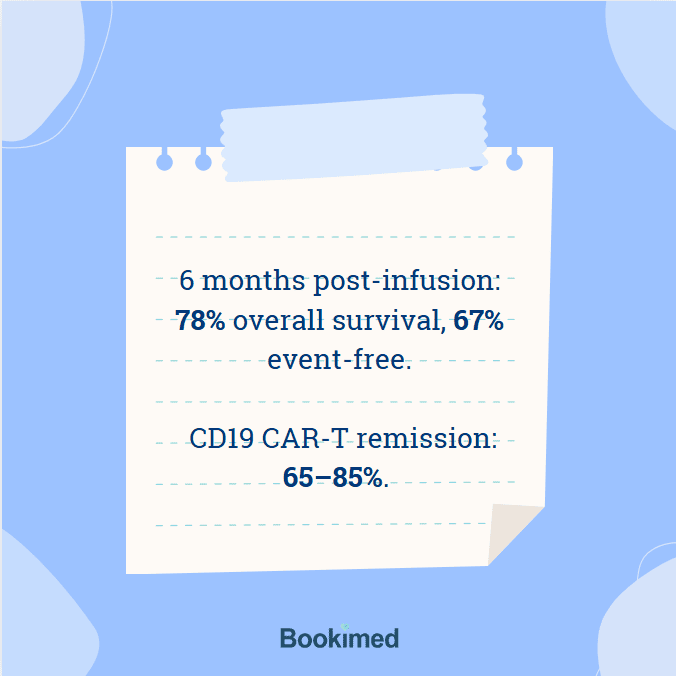
👉A study found that 6 months after infusion, 78% of patients were still alive, and 67% had no major disease-related events. For CD19-targeting CAR therapies, remission rates ranged from 65% to 85%, while long-term survival depended on the treatment type—for example, Therapy had a 55% overall survival rate at five years.
relatively new treatment from acute lymphocytic leukemia

💚Choosing an experienced and accredited treatment center can reduce the likelihood of complications. You want to be in good hands. Bookimed works exclusively with verified specialists.

Results: When to Expect an Effect?

You can start seeing the effects of CAR T-cell therapy in as little as a month or two. But full remission might take longer to achieve. 

💡Some patients may need another treatment round to get the desired results.

The effectiveness of CAR T-cell therapy can last for months or even years, though some patients may relapse.

Why Choose CAR T-Cell Therapy in Israel?

Israel ranks 8th worldwide in the Medical Tourism Index and holds the top spot for facilities and services. It showcases its advanced healthcare system and highly skilled medical professionals.

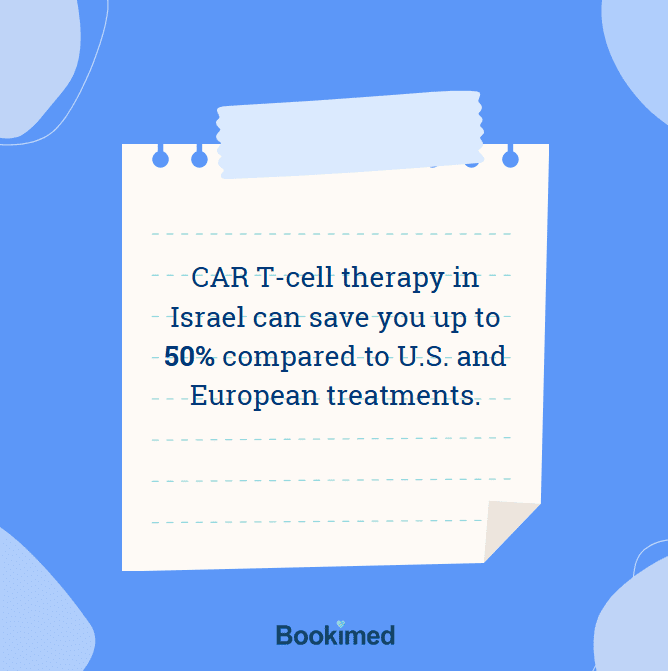
  • Cost savings. CAR T-cell therapy in Israel can save you up to 50% compared to U.S. and European treatments.

  • High success rates. Israeli medical institutions report impressive results with CAR T-cell therapy. 

  • Accredited facilities. Israel's medical centers are JCI-accredited, so they meet international healthcare standards.

  • Advanced technology. Israeli clinics use cutting-edge gene-editing technologies, such as CRISPR, to enhance the effectiveness of CAR T-cell therapies.

  • Experienced specialists. Israeli doctors are internationally trained, with over 30 years of experience in CAR T-cell therapy. They hold certifications from prominent organizations like the American Society of Hematology (ASH) and the European Society for Medical Oncology (ESMO).

  • Convenient accessibility. Israel is easily accessible, with direct flights from the U.S. taking 10-12 hours, from the UK 4-5 hours, and from Europe 3-4 hours. With multiple daily flights, it’s a convenient destination for affordable, high-quality care.

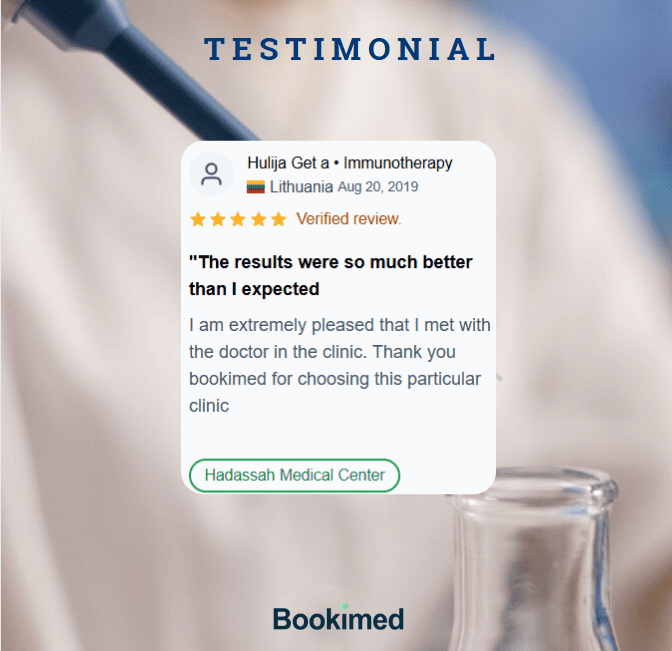
Patients can find real reviews from others who have undergone treatment.
patient's immune system testimonial

What to Know Before You Undergo CAR T Cell Therapy in israel?

When traveling for CAR T-cell therapy in Israel, here are a few things to consider:

  • Visa. Most international patients can enter Israel for up to 90 days without a visa. Ensure your passport is valid for at least 6 months beyond your stay.

  • Duration of stay. Patients usually stay in Israel for 2-3 weeks for the treatment, but follow-up visits may be needed.

  • Payment. Most clinics accept credit cards, but check with your clinic for payment procedures. 

💚 Bookimed offers transparent pricing with direct payments to clinics at official rates.

What Is The CAR T Cell Therapy Cost in israel Therapy in Israel?
patient's multiple myelomapersonalized treatment

Compared to the U.S., where CAR T-cell therapy can cost up to $373,000, CAR-T cell therapy cost in Israel starts at around $150,000, offering a 30-50% cost saving.

💡The price depends on the patient’s case, the Israelcomplexity of treatment, and the clinic’s location and expertise.

💚The price usually includes the therapy, hospital stay, and some follow-up care, but extra costs may include travel, accommodation, and additional tests.

CAR T-Cell Therapy Packages in Israel

Israeli CAR T cell transplant packages offer comprehensive, all-inclusive care for medical tourists.

💚 When considering CAR T-cell therapy abroad, package deals in Israel offer excellent value. These all-inclusive packages often cost less than booking each service separately, making them a smart choice for those seeking high-quality treatment at a more affordable price. 

Such deals often include:

  1. Pre-treatment. This includes consultation with an oncologist, diagnostic tests (blood work, imaging), and patient education.

  2. CAR T-Cell therapy. T-cells are collected, modified in the lab, and infused into the patient.

  3. Accommodation & transfers. Hospital stay, high-quality hotel accommodations, and VIP airport transfers.

  4. Post-treatment. Monitoring for 1-2 weeks, pain management, and CRS monitoring. Remote follow-up support is available.

  5. Additional services. Interpreter services and insurance support for claims.

References

  1. Cappell K. M., Kochenderfer J. N. Long-term outcomes following CAR T cell therapy: what we know so far. Nature Reviews Clinical Oncology. 2023. URL: https://doi.org/10.1038/s41571-023-00754-1 (date of access: 03.04.2025).

  2. De Marco R. C., Monzo H. J., Ojala P. M. CAR T Cell Therapy: A Versatile Living Drug. International Journal of Molecular Sciences. 2023. Vol. 24, no. 7. P. 6300. URL: https://doi.org/10.3390/ijms24076300 (date of access: 03.04.2025).

  3. Israel Medical Tourism Market Competition, Forecast and Opportunities, 2028. Market Research Reports and Industry Analysis. URL: https://www.asdreports.com/market-research-report-625123/israel-medical-tourism-market-competition-forecast-opportunities (date of access: 03.04.2025).

FAQ about CAR T-cell therapy in Israel

These FAQs come from real patients seeking medical assistance through Bookimed. Answers are given by experienced medical coordinators and trusted clinic representatives.

What is the effectiveness and success rate of CAR T-cell therapy in Israel?

CAR T-cell therapy in Israel delivers remarkable success rates between 70% and 90% for specific blood cancers like multiple myeloma and pediatric leukemia. These outcomes match global standards within JCI-accredited facilities. Specialized centers currently provide faster, in-house cell production, reducing critical treatment delays for high-risk lymphoma and leukemia patients.

  • Remission rates: Patients with pediatric acute lymphoblastic leukemia achieve 90% remission at top-rated centers.
  • Treatment speed: In-house manufacturing at Sheba Medical Center cuts production time to 10–11 days.
  • Long-term durability: Many patients maintain progression-free survival for 2–5 years following personalized immunotherapy.
  • Physician expertise: Procedures are led by specialists like Dr. Ron Ram with 900+ transplant cases.

Bookimed Expert Insight: Israeli centers like Sheba and Ichilov offer a significant logistical advantage through point-of-care manufacturing. While US clinics often ship cells to centralized labs, Israeli doctors engineer them on-site. This removes weeks of waiting. It also potentially lowers costs by up to 85% compared to the US average of $480,000.

Patient Consensus: Many see this as a functional cure that keeps them cancer-free for years. Recovery usually spans one year and requires full re-vaccination to rebuild the altered immune system.

Is CAR-T therapy used for autoimmune diseases in Israel?

Israeli institutions like Sheba Medical Center are world leaders in using CAR T-cell therapy for severe, treatment-resistant autoimmune diseases. Currently, this treatment is available primarily through clinical trials for conditions like systemic lupus erythematosus, scleroderma, and multiple sclerosis at specialized centers.

  • Target diseases: Specialized trials focus on lupus, scleroderma, rheumatoid arthritis, vasculitis, and myositis.
  • Clinical eligibility: Patients typically must have failed at least 2 or 3 standard treatments.
  • In-house manufacturing: Sheba Medical Center uses independent CAR-T production to accelerate patient access times.
  • Hospital duration: Most CAR-T protocols in Israel require a 21-day inpatient stay for monitoring.

Bookimed Expert Insight: While most clinics focus on oncology, Sheba Medical Center uniquely utilizes its own GMP-certified manufacturing facility to produce CAR-T cells on-site. This vertical integration allows them to modify protocols for autoimmune patients faster than centers relying on external pharma suppliers.

Patient Consensus: Patients emphasize that while early results show drug-free remission, these therapies remain experimental for autoimmune issues. Most recommend verifying trial eligibility for specific biomarkers like B-cell markers before traveling.

What makes Israel a leader in CAR T-cell therapy and what is the 'in-house' CAR-T program?

Israel leads in CAR T-cell therapy through vertical integration of research and treatment. Since Dr. Zelig Eshhar pioneered the technology in 1989, Israeli centers like Sheba and Sourasky have utilized on-site GMP labs to engineer personalized cells, ensuring rapid delivery and high success rates.

  • In-house production: Hospitals manufacture genetic therapies in local labs, bypassing expensive commercial shipping.
  • Treatment speed: Local engineering reduces wait times to 10 days, preventing disease progression.
  • Success rates: Clinical programs report up to 90% remission for resistant multiple myeloma cases.
  • Safety profile: Patient data indicates local protocols maintain high efficacy without typical neurotoxicity.

Bookimed Expert Insight: While commercial CAR-T can exceed $525,000, Israel's in-house programs provide high-tier care for $70,000. Doctors like Elad Jacoby at Sheba even integrate advanced pediatric protocols that aren't widely available yet, making it a hub for complex childhood relapses.

Patient Consensus: Patients value the speed of the homegrown program, often noting that local production removes the logistical stress of importing cells. Many report a safer recovery experience and high confidence in the foundational research performed by Israeli scientists.

What types of cancer can be treated with CAR-T in Israel?

Israel treats several relapsed or refractory blood cancers with CAR T-cell therapy, specifically targeting leukemia, lymphoma, and multiple myeloma. Major JCI-accredited facilities like Sheba Medical Center and Sourasky Medical Center (Ichilov) also pioneer CAR-T applications for severe autoimmune diseases and Richter's transformation.

  • Leukemia types: Treats pediatric and adult acute lymphoblastic leukemia (ALL) and chronic lymphocytic leukemia (CLL).
  • Lymphoma types: Includes diffuse large B-cell (DLBCL), follicular (FL), mantle cell, and Burkitt lymphoma.
  • Multiple myeloma: Available for patients who have relapsed after standard treatments like stem cell transplants.
  • Experimental applications: Clinics are researching CAR-T for severe lupus, rheumatoid arthritis, and primary CNS lymphoma.

Bookimed Expert Insight: Patient data shows a clear speed advantage at Sheba Medical Center due to their in-house, point-of-care manufacturing. While commercial CAR-T can take weeks to import, local production can reduce the time from collection to infusion to just 10 days.

Patient Consensus: Patients emphasize that this therapy is a vital last-line option for resistant cancers. They recommend consulting hematologists at major centers early to determine eligibility for `homegrown` Israeli protocols.

What is included in the CAR T-cell treatment package?

CAR T-cell treatment packages in Israel include comprehensive medical services covering leukapheresis, genetic modification, lymphodepleting chemotherapy, and the final cellular infusion. These bundles also provide extensive 21-day hospitalization and 24-hour nursing care to monitor for cytokine release syndrome and neurotoxicity.

  • Medical evaluations: Packages include oncologist consultations, PET/CT scans, biopsies, and multidisciplinary eligibility screenings.
  • Cell manufacturing: Laboratory genetic engineering of patient T-cells is a core inclusion across centers.
  • Hospital stay: Most plans guarantee 21 days of inpatient care for intensive post-infusion monitoring.
  • Travel logistics: VIP airport-to-clinic transfers are standard, with some packages adding 7-14 hotel nights.

Bookimed Expert Insight: Israeli centers like Sheba Medical Center offer a distinct advantage with in-house CAR-T manufacturing. This `Point-of-Care` model can reduce manufacturing time and total costs. While US prices average $480,000, Israeli programs offer similar success rates at $70,000.

Patient Consensus: Patients value the multidisciplinary evaluation that confirms eligibility before travel. Practical insights highlight the necessity of bridging therapy to manage tumor burden during the 2-week cell manufacturing phase.

What are the steps of the CAR T-cell therapy process?

The CAR T-cell process involves extracting a patient's T-cells through leukapheresis, genetically engineering them to recognize cancer, and re-infusing them after lymphodepleting chemotherapy. This personalized immunotherapy typically requires a 30-day manufacturing window followed by 21 days of inpatient monitoring in specialized hematology departments.

  • Cell collection: Leukapheresis extracts white blood cells over 4 to 6 hours without anesthesia.
  • Genetic engineering: Specialized labs insert Chimeric Antigen Receptors (CAR) into T-cells using viral vectors.
  • Cell expansion: Scientists multiply engineered cells until reaching millions or billions for therapeutic potency.
  • Pre-conditioning: Brief chemotherapy clear space for new cells to expand and function effectively.
  • Inpatient stay: Patients remain hospitalized for 20 to 21 days to monitor for immune responses.

Bookimed Expert Insight: Israeli centers like Sheba Medical Center offer a unique advantage through in-house Advanced Biotherapy Centers. While many global clinics wait for external logistics, these homegrown facilities can expedite point-of-care manufacturing for complex cases. This proximity is vital for high-risk patients who require immediate bridging therapy to remain stable during the cell-growth window.

Patient Consensus: Timing is critical because the 30-day manufacturing period requires patients to remain stable. Successful outcomes often depend on clearing strict health screens regarding heart, lung, and kidney function before eligibility confirms.

Where can I find CAR T-cell clinical trials in Israel?

CAR T-cell clinical trials in Israel are conducted at major academic centers including Sheba Medical Center, Hadassah Medical Center, and Sourasky Medical Center. These JCI-accredited institutions host trials for relapsed blood cancers and autoimmune diseases, often utilizing in-house manufacturing to reduce wait times.

  • Sheba Medical Center: Features GMP-certified labs for point-of-care cell manufacturing within 10–11 days.
  • Hadassah Medical Center: Leads breakthrough trials specifically for multiple myeloma and resistant blood cancers.
  • Sourasky Medical Center: Conducts trials for advanced lymphomas under the leadership of triple board-certified experts.
  • Eligibility criteria: Most trials require patients to have failed 2 or 3 standard treatment lines.

Bookimed Expert Insight: Israeli centers like Sheba and Sourasky are unique because they manufacture CAR-T cells in-house rather than shipping samples to external pharmaceutical labs. This approach typically cuts the typical 4-week waiting period by half. For international patients, this speed is critical as it reduces the risk of disease progression while the cells are being engineered.

Patient Consensus: Patients value these trials for high safety standards, with many noting a significant lack of serious neurotoxicity side effects. Navigating the qualification process usually requires recent bone marrow biopsy results and a history of previous therapy failures.

Why is Israel a top destination for neurosurgery?

Israel is a premier neurosurgery hub due to its fusion of high-density medical innovation and elite surgical expertise. Top facilities like Sheba Medical Center integrate AI-guided navigation and real-time intraoperative MRI. Specialized centers report 98% success rates for complex procedures including awake craniotomy and movement disorder treatments.

  • Advanced technology: Clinics utilize MRI-guided focused ultrasound (MRgFUS) and robotic systems for incisions.
  • Surgical expertise: Surgeons like Dr. Zvi Ram lead international associations with 25+ years experience.
  • Rapid access: International patients typically schedule complex brain or spine surgeries within 2–4 weeks.
  • Accredited care: Major centers like Sourasky (Ichilov) and Assuta hold JCI accreditation for safety.

Bookimed Expert Insight: Data shows a clear divide between public and private options in Israel. Private centers like Assuta Medical Center perform over 92,000 operations annually and allow patients to select their specific lead surgeon. This is a vital advantage for complex cases where a specific expert like Dr. Eli Ashkenazi is preferred for his 1,000+ spine surgery record.

Patient Consensus: Patients emphasize bringing original imaging on a USB for local review to streamline the surgical plan. They also note that private packages often include hotel coordination and airport transfers, making the logistics much smoother.

What types of neurosurgical conditions are treated in Israel?

Israeli neurosurgeons treat a full spectrum of conditions ranging from brain and spinal tumors to complex functional disorders. Specialized centers utilize advanced technologies like Gamma Knife, deep brain stimulation, and intraoperative MRI to manage epilepsy, Parkinson disease, and cerebrovascular pathologies with high precision.

  • Oncological conditions: Treatment for gliomas, meningiomas, and pituitary tumors using skull base resection.
  • Functional disorders: Management of Parkinson disease and essential tremors via deep brain stimulation.
  • Spinal pathologies: Correction of scoliosis, herniated discs, and spinal tumors using robotic systems.
  • Cerebrovascular care: Surgical repair of brain aneurysms and arteriovenous malformations with endovascular interventions.
  • Pediatric neurosurgery: Specialized care for hydrocephalus and congenital anomalies at dedicated children centers.

Bookimed Expert Insight: Israeli hospitals often combine specialties to handle complex cases. At Sourasky Medical Center, neurosurgeons like Dr. Zvi Lidar bridge neurosurgery and orthopedics for spinal care. This multidisciplinary approach allows clinics to perform 34,000+ operations annually. Choosing a facility with this crossover expertise often leads to more comprehensive treatment plans for degenerative diseases.

Patient Consensus: Patients value the ability to access specialized treatments like fluorescence-guided surgery for tumors which are often unavailable elsewhere. Many note that the staff is fluent in English and provides clear communication through teleconsultations before traveling.

Which hospitals in Israel are best known for neurosurgery?

Israel is home to world-renowned neurosurgery centers like Sourasky Medical Center, Sheba Medical Center, and Hadassah Medical Center. These facilities are globally ranked for treating complex brain tumors, spinal disorders, and movement diseases. They utilize advanced technologies like Gamma Knife, robotic systems, and intra-operative MRI.

  • Sourasky (Ichilov): Performs 2,500+ neurosurgical operations yearly with a 98% success rate in Tel Aviv.
  • Sheba Medical Center: Ranked among the world's top 10 hospitals. It treats 1.9 million patients annually.
  • Hadassah Medical Center: A Nobel Peace Prize nominee. It leads in pediatric neurosurgery and gene-based therapies.
  • Assuta Medical Center: Israel's largest private facility. It specializes in minimally invasive spine and brain surgeries.
  • Schneider Children's: The primary center for pediatric neurosurgery. It treats 275,000 children every year.

Bookimed Expert Insight: Our data shows that while most patients focus on Tel Aviv, Rambam Medical Center in Haifa offers unique expertise in neuro-trauma. It operates a specialized neuro-ICU and serves nearly 1 million patients annually. This makes it an essential choice for complex post-trauma brain surgeries that requires intensive recovery support.

Patient Consensus: Patients note it is important to start consultations early. They often highlight that the precision and follow-up care for complex brain tumors exceeded their expectations. One patient emphasized how quickly they could connect with top professors for second opinions during critical neurosurgical cases.

Who are Israel’s leading neurosurgeons?

Israel's leading neurosurgeons include Prof. Zvi Ram, Prof. Shlomi Constantini, and Prof. Itzhak Fried at Sourasky Medical Center. These specialists hold leadership roles in the European Association of Neurosurgical Societies (EANS) and the World Society for Stereotactic and Functional Neurosurgery (WSSFN). They utilize advanced intraoperative mapping and robotic systems.

  • Prof. Zvi Ram: Expert in minimally invasive brain tumor surgery and gene-based oncology therapies.
  • Prof. Shlomi Constantini: Specializes in complex pediatric neuro-endoscopy and brain tumor microsurgery.
  • Prof. Itzhak Fried: Authority on epilepsy surgery, functional brain mapping, and deep brain stimulation.
  • Dr. Eli Ashkenazi: Leading spine surgeon at Assuta, specializing in the innovative TOPS system.

Bookimed Expert Insight: Data from Sourasky and Sheba indicates a strong correlation between high surgical volumes and patient safety. For example, Sourasky performs 34,000+ operations annually with a 90% oncology success rate. Patients seeking complex tumor removals should prioritize centers like these where surgeons perform hundreds of specific cases each year.

Patient Consensus: Patients emphasize the importance of finding a surgeon who specializes specifically in your condition rather than a generalist. Many note that high-volume centers provide better access to English-speaking staff and coordinated care for international visitors.

What are the admission requirements for international neurosurgery patients?

International neurosurgery patients in Israel must provide comprehensive medical records including recent MRI or CT scans translated into English. Admission requires a clinical review by specialists to confirm treatment feasibility. Hospitals often mandate full advance payment or a significant deposit before confirming surgery dates or issuing visa support letters.

  • Medical documentation: Submit detailed English-translated reports and imaging for clinical review within 48 hours.
  • Financial clearance: Provide proof of funds for approximately from $70,000 for treatment.
  • Visa support: Clinics like Sourasky Medical Center (Ichilov) issue official letters for medical B-2 visas.
  • Consultation phase: Initial assessment often occurs via online consultation with surgeons like Dr. Strauss Ido.

Bookimed Expert Insight: Data shows that top Israeli facilities like Sheba Medical Center and Hadassah Medical Center handle massive patient volumes, exceeding 1,000,000 people annually. This high demand means clinics prioritize complex or rare cases over routine procedures. Patients with unique or high-risk conditions often receive faster admission approval than those seeking standard treatments available elsewhere.

Patient Consensus: Patients note that having all imaging results ready in English is essential for quick scheduling. Many emphasize that while the medical care is excellent, coordinating around Shabbat closures is necessary to avoid unexpected diagnostic delays.

How long will I need to stay in Israel for neurosurgery and follow-up?

A standard stay for neurosurgery in Israel ranges from 10 to 14 days for uncomplicated cases. Patients undergoing complex procedures like brain tumor removal or deep brain stimulation often require 4 to 6 weeks. This timeline covers pre-operative diagnostics, the surgical procedure, and essential post-operative monitoring.

  • Hospitalization duration: Minimally invasive procedures require 1–3 days. Regular craniotomies average 3–10 days.
  • Local recovery: Stay in Israel for 7–14 days post-discharge for mandatory follow-up checks.
  • Flight safety: Surgeons recommend waiting 4–6 weeks before flying to stabilize internal head pressure.
  • Follow-up schedule: In-person clinical reviews typically occur at days 3, 7, and 14 post-surgery.

Bookimed Expert Insight: Data from Sourasky Medical Center shows they treat over 400,000 patients annually with high success rates. Clinics with such high volumes, like Hadassah or Assuta, often have streamlined discharge protocols. This helps international patients transition to hotel-based recovery faster while maintaining access to top specialists.

Patient Consensus: Patients note it is vital not to rush home too early. Some travelers extended their stay to 3 weeks due to swelling or to ensure they received final surgeon clearance before flying.

What advanced technologies make Israeli neurosurgery minimally invasive?

Israeli neurosurgery uses robotic guidance, real-time 3D imaging, and incisionless technologies to minimize physical trauma. Systems like Mazor Robotics provide sub-millimeter precision for spine implants. MRI-guided focused ultrasound (MRgFUS) treats tremors without incisions. These advanced tools ensure high accuracy and reduce recovery times.

  • Robotic systems: Mazor and ROSA robotics enable precise instrument placement through tiny incisions.
  • Incisionless ultrasound: MRgFUS uses high-intensity sound waves to treat brain tissue without anesthesia.
  • Digital navigation: Intraoperative MRI and 3D mapping allow surgeons to verify results in real-time.
  • Advanced endoscopy: Transnasal and trans-orbital approaches remove tumors without traditional skull-opening craniotomies.

Bookimed Expert Insight: Israeli clinics like Sourasky or Hadassah integrate proprietary Israeli-born technologies like Surgical Theater before they hit global markets. Our data shows these centers often use VR flight-through models for pre-surgical planning. This allows surgeons to rehearse complex cases, which is a key factor in their 90% success rates.

Patient Consensus: Patients note that technologies like the Gamma Knife allowed them to return home in days rather than weeks. Many move from traditional 10cm incisions to cuts under 2cm when using robotic-assisted systems.

Why is Israel considered a top destination for neurosurgery?

Israel is a global leader in neurosurgery due to its integration of proprietary medical innovations and internationally trained specialists. High-capacity centers like Sourasky Medical Center (Ichilov) perform over 34,000 annual surgeries. Patients access advanced techniques like awake craniotomy and MR-guided focused ultrasound.

  • Advanced technology: Facilities use CyberKnife, Gamma Knife, and robotic systems for precision.
  • Expert credentials: Specialists like Dr. Zvi Ram hold leadership roles in European neurosurgical societies.
  • Global training: Most senior neurosurgeons completed fellowships at premier United States and European institutions.
  • Specialized departments: Centers feature niche units for pediatric neurosurgery, skull base, and functional disorders.

Bookimed Expert Insight: Israeli neurosurgery stands out because of the high concentration of dually certified experts. Many top surgeons, such as Dr. Zvi Lidar, are certified to practice in both Israel and the USA. This ensures that patients receive American-standard surgical care while staying in Tel Aviv or Jerusalem. Our data shows that private centers like Assuta offer significantly faster access to these specific specialists compared to the public system.

Patient Consensus: Patients note it is important to confirm a surgeon's specific volume of cases for your exact condition. They also value the ability to get expert second opinions quickly through online consultations with world-renowned professors.

Which hospitals are ranked among the best for neurosurgery in Israel?

Sheba Medical Center and Sourasky Medical Center (Ichilov) are among the best neurosurgery hospitals in Israel. These JCI-accredited facilities perform thousands of operations annually. They utilize advanced technologies like CyberKnife and intraoperative MRI to treat complex brain tumors and cerebrovascular lesions.

  • Sheba Medical Center: Ranked among the top 10 world hospitals by Newsweek magazine.
  • Sourasky (Ichilov): Reports a 98% success rate and performs 2,500+ neurosurgical operations annually.
  • Hadassah Medical Center: Known for pioneering endoscopic techniques and integrated advanced research programs.
  • Assuta Medical Center: Israel largest private facility specializing in minimally invasive spine procedures.
  • Rambam Medical Center: Employs Nobel Prize laureates and serves as a major referral center.

Bookimed Expert Insight: Our data shows that top Israeli centers like Sourasky and Hadassah perform over 40,000 total operations yearly. This high volume allows surgeons to maintain a 90% success rate even in complex oncology cases. Patients seeking robotic spine surgery or deep brain stimulation should focus on these high-capacity municipal centers for the most experienced teams.

Patient Consensus: Patients appreciate that some hospitals quickly coordinate consultations even during regional strikes. Families of pediatric patients especially value surgeons trained at prestigious international institutions.

Who are the leading neurosurgeons in Israel?

Israel's leading neurosurgeons include Professor Zvi Ram, Professor Shlomi Constantini, and Professor Itzhak Fried at Sourasky Medical Center. These experts specialize in awake craniotomy, pediatric brain tumors, and functional mapping. Most hold JCI accreditation and international fellowships from institutions like Johns Hopkins and Yale.

  • Brain tumors: Professor Zvi Ram specializes in image-guided microsurgery and complex brain mapping techniques.
  • Pediatric expertise: Professor Shlomi Constantini leads pediatric neurosurgery, focusing on endoscopic treatments and malformations.
  • Functional surgery: Professor Itzhak Fried is a global authority on epilepsy and deep brain stimulation.
  • Spine specialists: Dr. Zvi Lidar and Dr. Eli Ashkenazi focus on minimally invasive spinal oncology.

Bookimed Expert Insight: Data shows that top-tier Israeli neurosurgeons, such as those at Sourasky Medical Center, often hold dual board certifications in Israel and the US. This unique crossover ensures patients receive American-standard protocols. These specialists typically manage over 34,000 annual operations, providing high-volume clinical experience that smaller private clinics cannot match.

Patient Consensus: Patients note that highly qualified doctors like Professor Shlomo Constantini provide satisfactory answers quickly. People emphasize that outcomes often depend on the hospital’s integrated resources rather than just a doctor's prestige.

What neurosurgical conditions and sub-specialties are treated in Israel?

Israel is a global leader in neurosurgery, treating complex brain and spinal conditions using robotic-assisted and minimally invasive techniques. Highly specialized units at JCI-accredited centers like Sourasky Medical Center (Ichilov) and Hadassah Medical Center focus on neuro-oncology, pediatric neurosurgery, and functional procedures.

  • Neuro-oncology: Treating glioblastoma, meningioma, and skull base tumors with 90% success rates.
  • Functional neurosurgery: Performing deep brain stimulation (DBS) for Parkinson’s and drug-resistant epilepsy.
  • Pediatric specialty: Specialized care for congenital defects and childhood tumors at Schneider Children’s.
  • Spine surgery: Utilizing Mazor X robotic systems for scoliosis and herniated disc correction.

Bookimed Expert Insight: Israeli neurosurgical departments often function as rapid-response hubs for international patients. Data shows that large centers like Sourasky, which serves 1,800,000 patients annually, can organize expert video consultations in a very short time. This speed is critical for neuro-oncology cases where starting treatment a few days earlier significantly impacts outcomes.

Patient Consensus: Patients note that Israeli teams often accept high-risk cases that other hospitals decline. They emphasize the importance of using local coordinators to manage travel logistics or potential local disruptions during their two-week stay.

What documentation do international patients need before traveling to Israel for neurosurgery?

International patients traveling to Israel for neurosurgery require a valid passport, an entry permit or medical visa, and a formal hospital invitation. You must provide recent MRI or CT scans in DICOM format and detailed medical summaries. Proof of private health insurance and financial stability are also mandatory for border entry.

  • Travel authorization: Most visa-exempt travelers now need an approved ETA-IL before departure.
  • Hospital invitation: A signed letter from facilities like Sourasky Medical Center is required.
  • Medical records: Provide updated summaries of diagnoses, medications, and previous neurological treatments.
  • Imaging files: Digital copies of scans are essential for planning complex brain surgeries.
  • Legal consent: Notarized power of attorney is required for patients under 18 years old.

Bookimed Expert Insight: Our data shows that top neurosurgeons at Hadassah Medical Center and Sourasky often request records 4–6 weeks before arrival. Submitting these early prevents appointment shifts. High-volume centers with over 30,000 annual operations have dedicated portals for secure DICOM file uploads. Using these ensures your surgeon reviews high-quality images before you land in Tel Aviv.

Patient Consensus: Patients emphasize bringing physical copies and digital backups of all scans on a USB drive. They also note that private insurance needs pre-authorization specifically for neurosurgery to avoid payment delays at the clinic.

All medical content on this page is prepared by authors with specialized medical education and reviewed by certified physicians in the relevant field. Medical review by Fahad Mawlood, Medical Editor & Data Scientist.

Last updated: 10/05/2026.

  • Statistics: Figures are based on Bookimed’s internal database October 2026, which includes analysis of 12,450 patient requests across 13 accredited clinics in Israel.
  • Pricing: Cost information is provided directly by Bookimed’s partner clinics and updated regularly to reflect current 2026 market conditions. Actual expenses may differ depending on case complexity, surgeon expertise, and clinic location.
  • Clinical Data: Treatment outcomes and patient satisfaction figures are collected from Bookimed’s verified clinic database and supported by data from peer-reviewed medical sources such as PubMed, The Lancet, JAMA, and NEJM (2023–2026).

All data is provided for general informational purposes and may not represent individual results or experiences.

Get a free consultation

Select the best way to contact you