


In clinical trials, CAR T-cell therapy has shown promising results across several cancer types. These include large B-cell lymphoma, with a 58% success rate, and multiple myeloma at 60%. Yet a single infusion can cost up to $600,000 in the US.
Chimeric Antigen Receptor (CAR) T-cell therapy is a form of immunotherapy. It uses genetically modified T cells to target and kill cancer cells.
Key Takeaways
- The broad range across the countries Bookimed covers is $84,000 – $600,000, with the US at the top ($450,000 – $600,000).
- The most affordable destinations are Turkey ($150,000 – $225,000), China ($165,000 – $275,000) and Israel ($84,000 – $89,400).
- The CAR T price is the same for children and adults.
- Commercial drug list prices (for example, Carvykti from about $465,000) are only part of the total cost.
- Hospital policy and government regulations also affect the final cost.
- Bookimed can compare verified clinics and prices for your specific case on request.
Table of Contents
- What Types of Cancers Qualify for T-Cell Therapy?
- What's the Difference Between In-House and Commercial CARs?
- What Factors Influence the CAR T Price?
- Where to Get CAR T-Cell Treatment
- How Much Does CAR T Cost in Europe?
- The Cost of CAR T-Cell Therapy for Children
- Comparing Costs with Traditional Cancer Treatments
- Indirect Costs Associated with CAR T-Cell Therapy
- Why Is CAR T-Cell Therapy So Expensive?
- How to Reduce CAR T-Cell Therapy Costs
- Does Insurance Cover CAR T-Cell Therapy?
- The Value of CAR T-Cell Therapy
- Efficacy of Clinical Trials
- How to Request Help at Bookimed
- The Bottom Line
- FAQs
What Types of Cancers Qualify for T-Cell Therapy?
CAR T-cell therapy is primarily approved for the treatment of certain blood cancers, including:
- acute lymphoblastic leukemia (ALL);
- diffuse large B-cell lymphoma (DLBCL);
- primary mediastinal large B cell lymphoma (PMBCL);
- mantle cell lymphoma;
- multiple myeloma.
CAR T-cells can stay in the body for months or even years after treatment, but this varies between patients. Over time, their numbers may decrease. Researchers are also studying whether T-cells can improve outcomes for sarcomas and other solid tumors.

"The boundless potential of CAR T-cell therapy extends beyond cancer, with applications in autoimmune diseases and other conditions." – Dr. Ronit El Hasid, Head of Pediatric Oncohematology and Oncology at Dana Dwek Children’s Hospital (Sourasky), with 37 years of experience.
Get a Free Quote
What's the Difference Between In-House and Commercial CARs?
Patients often assume a lower CAR T-cell price signals weaker expertise or lower-grade gene material. The real driver is usually simpler: where the cells are engineered.
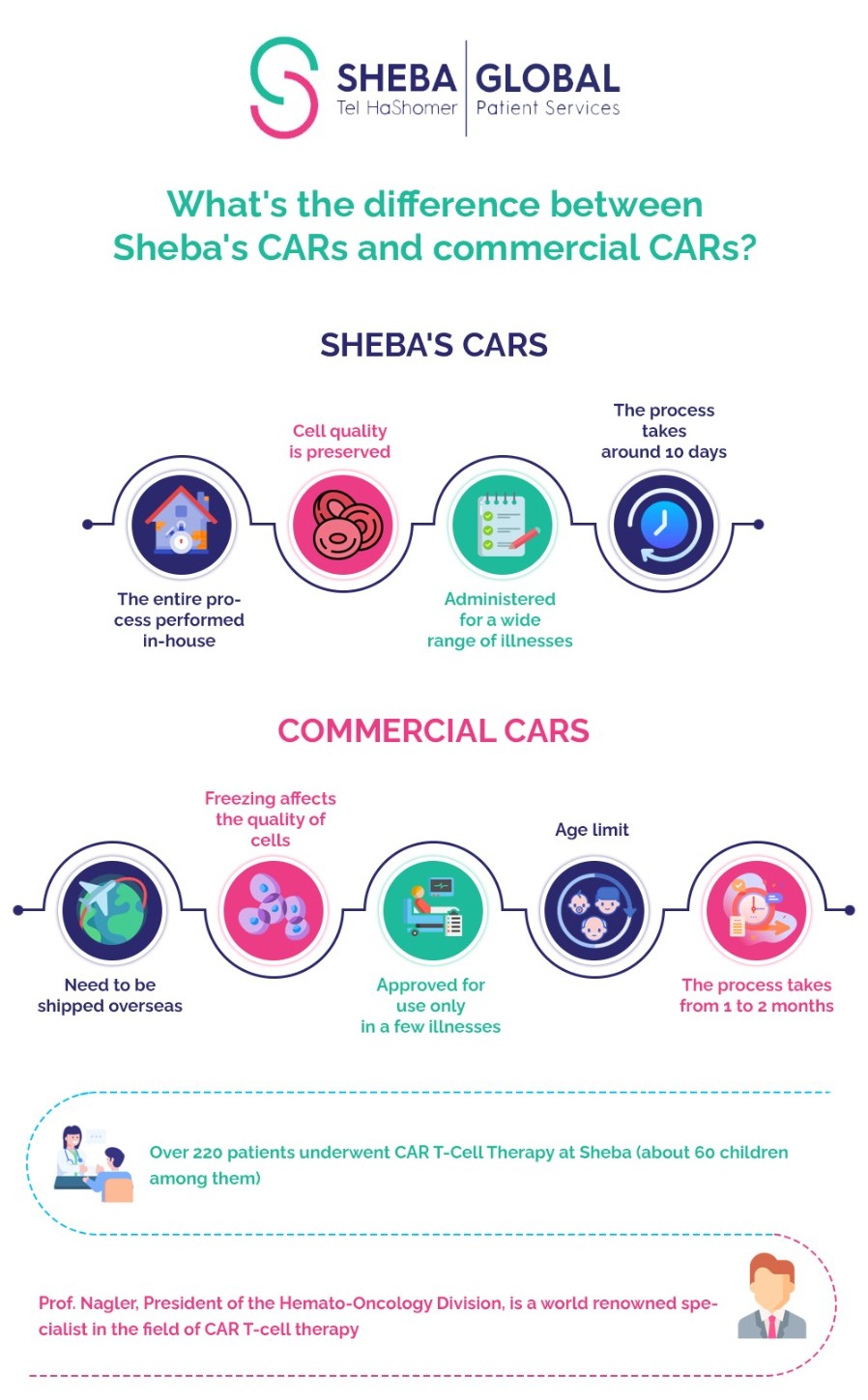
Advanced centers with on-site GMP laboratories grow the modified T-cells in-house. Other hospitals freeze and ship patient cells abroad for commercial processing. That lengthens the timeline and raises the cost through a more complex supply chain.
Below are the main differences between the so-called in-house (academic) and commercial (branded, regulator-approved) CAR T-cell therapies.

Commercial CAR T-cell therapy is approved for a limited set of blood cancers. The table lists the most widely used branded products with their reported US manufacturer list-price estimates (industry trade reporting). These are US drug-acquisition figures, not Bookimed treatment prices.
Product | What it treats | Manufacturer list-price estimate |
|---|---|---|
Kymriah (tisa-cel) | The first-in-class therapy, approved for acute lymphoblastic leukemia (ALL) and diffuse large B-cell lymphoma (DLBCL). | From $373,000 |
Yescarta (axi-cel) | Used for relapsed large B-cell lymphoma and follicular lymphoma. | From $373,000 |
Tecartus (brexu-cel) | A treatment of choice for adults with mantle cell lymphoma and ALL. | From $373,000 |
Breyanzi (liso-cel) | For relapsed or refractory B-cell lymphoma, chronic lymphocytic leukemia (CLL) and others. | From $410,300 |
Abecma (ide-cel) | For adults with relapsed multiple myeloma. | From $419,500 |
Carvykti (cilta-cel) | Also for relapsed or refractory multiple myeloma after four or more prior lines of therapy. | From $465,000 |
To answer the common Carvykti cost question directly: its reported list price starts at about $465,000 for the drug alone. That is before hospital, conditioning and monitoring charges are added.
Researchers continue to test CAR T-cell drugs against a wider range of cancers, including solid tumors. So this list is expected to grow.
The key practical difference is manufacturing location. When hospitals ship patient cells abroad for commercial processing, the vein-to-vein time and the total bill both rise.
Some centers, such as Sheba Medical Center in Israel, manufacture CAR-T cells on-site in dedicated GMP-certified laboratories. Handling the full process in one place improves cell viability and shortens the vein-to-vein window. That window is the gap between collecting and reinfusing the T-cells.
Sheba has performed more than 450 CAR-T procedures and trimmed the average manufacturing step to roughly 10 days. The center treats leukemia, lymphoma, multiple myeloma and other complex blood cancers. It is also among the few hospitals worldwide studying CAR-T for severe autoimmune conditions. These include lupus, rheumatoid arthritis, Sjögren’s syndrome, vasculitis and scleroderma.
Get a Free Quote
What Factors Influence the CAR T Price?

Here's an overview of the most common factors affecting T-cell therapy cost:
- Country. Government rules and manufacturing methods drive big gaps. China and Turkey can cost about half as much as Israel and the UK. Prices also differ between hospitals that ship cells abroad and those that modify them on-site.
- Type of CAR T-cell therapy. Branded drug list prices range from about $373,000 to $465,000 for the drug alone. Carvykti, approved in 2022, sits at the top of that range at about $465,000.
- Specific cancer type. The type of cancer being treated can influence the cost. The most common conditions include advanced/resistant lymphoma and acute lymphoblastic leukemia.
- Treatment center. The cost of CAR T-cell therapy can be influenced by the chosen medical center's pricing policies and location.
Where to Get CAR T-Cell Treatment
CAR T-cell therapy is delivered in only a small number of countries. Each needs the laboratory capacity and specialist hematology-oncology teams the procedure requires. Bookimed coordinates care in several of them, each at a very different price point.
China
Chinese teams developed a newer generation of CAR T-cell therapy at a lower cost. High patient demand and state funding support it.
Highest-rated clinics for CAR T-cell therapy

Shanghai Tongji Hospital, International Department

Shanghai Tongji Hospital has performed 1,500+ CAR-T infusions since establishing its program in 2014. The center reports a 3-month complete remission rate of 87.5% for lymphoma patients. Their clinical team focuses on combination strategies for refractory cases and researches next-generation CAR-NK therapies. A multidisciplinary tumor board manages every case, bringing together hematology, pathology, and nutrition specialists. As a tertiary university hospital, the facility follows standardized treatment pathways developed over more than 5 years of clinical practice.
| treatment | |
|---|---|
| CAR T-cell therapy | $250,000 - $320,000 |
Lu Daopei Hematology Hospital
Dr. Lu Peihua has performed 900+ CAR T-cell therapies with of hematology experience. The program may cost around $90,000 USD, typically covering CAR T-cell therapy, PET/CT diagnostics, bone marrow biopsy, and 28-45 days hospitalization in an individual hotel chamber. Lu Daopei Hematology Hospital specializes in blood disorders, offering CD7-directed CAR-T for T-ALL among other approaches. The package includes airport transfers and oncohematologist consultation.
| treatment | |
|---|---|
| CAR T-cell therapy | $124,900 - $129,900 |
Boao International Medical Center

Boao International Medical Center is a private multidisciplinary medical center located in Hainan, China. The clinic specializes in oncology, neurology, kidney diseases, diabetes, rehabilitation, stem cell therapy, and Traditional Chinese Medicine (TCM).
The center provides care for both adults and children, and more than 20,000 patients receive treatment there each year. It welcomes international patients, particularly from Europe, Commonwealth countries, Africa, and Asia, supported by a multilingual medical team.
Turkey
Turkey has become a popular destination, with English-speaking specialists and accredited international hospitals. Bookimed-network centers include Istanbul Florence Nightingale Hospital, Memorial Sisli Hospital and Medipol Mega University Hospital. The CAR T-cell therapy range in Turkey is roughly $150,000 – $225,000.
Highest-rated clinics for CAR T-cell therapy
Istanbul Florence Nightingale Hospital

Prof. Ömür Gökmen Sevindik has 12 years of hematology experience, including training at Mayo Clinic and 300+ academic works. CAR-T therapy may cost around $200,000 – typically covering cell collection, lab processing, 28-day hospitalization, and follow-up. The JCI-accredited hospital features Turkey's first EOS radiation-reducing imaging and provides full monitoring during treatment. Prof. Sevindik chairs the Multiple Myeloma Scientific Subcommittee and has performed numerous stem cell transplantations.
Hisar Hospital Intercontinental
Dr. Sebnem Izmir Guner brings of hematology experience with 900+ CAR T-cell procedures performed. Treatment typically costs around $84,550, covering diagnostics, 4 chemotherapy cycles, and potential stem cell transplantation. The JCI-accredited hospital provides comprehensive monitoring throughout the 2-3 month program. Dr. Guner is an award-winning author of 19+ international hematology articles.
Medipol Mega University Hospital
Medipol Mega University Hospital offers CAR T-cell therapy with advanced genetic sequencing for mutation analysis, specializing in refractory cases. The procedure may cost around $2,000–$200,000 USD, typically including the therapy, genetic sequencing, specialist consultation, and diagnostic tests. The JCI-accredited hospital operates a specialized adult and pediatric bone marrow transplantation center. Assoc. Prof. Dr. Omur Gökmen Sevindik specializes in complex hematology cases, including refractory lymphomas.
Israel
Israel is the homeland of CAR T-cell therapy. The approach traces back to pioneering work at the Weizmann Institute in the late 1980s. Israeli centers grow T-cells on-site rather than shipping them abroad, which helps keep prices well below the United States. Sheba Medical Center is one of the most prominent hospitals offering the treatment. CAR T-cell therapy in Israel is about $84,000 – $89,400, compared with $450,000 – $600,000 in the US.
Highest-rated clinics for CAR T-cell therapy
Sourasky Medical Center (Ichilov)

Dr. Erel Joffe brings of oncology experience with 900+ CAR T-cell procedures performed at Sourasky Medical Center. The preliminary consultation package costs around $950, covering initial evaluation and tests, while the full therapy program may run approximately $70,610 including 21 days of hospitalization. As head of hematology at Ichilov, Dr. Joffe specializes in lymphoma treatments using both Novartis implants and customized CAR-T cell preparations. The JCI-certified center ranks among Newsweek's Top 10 medical tourism hospitals.
Sheba Medical Center
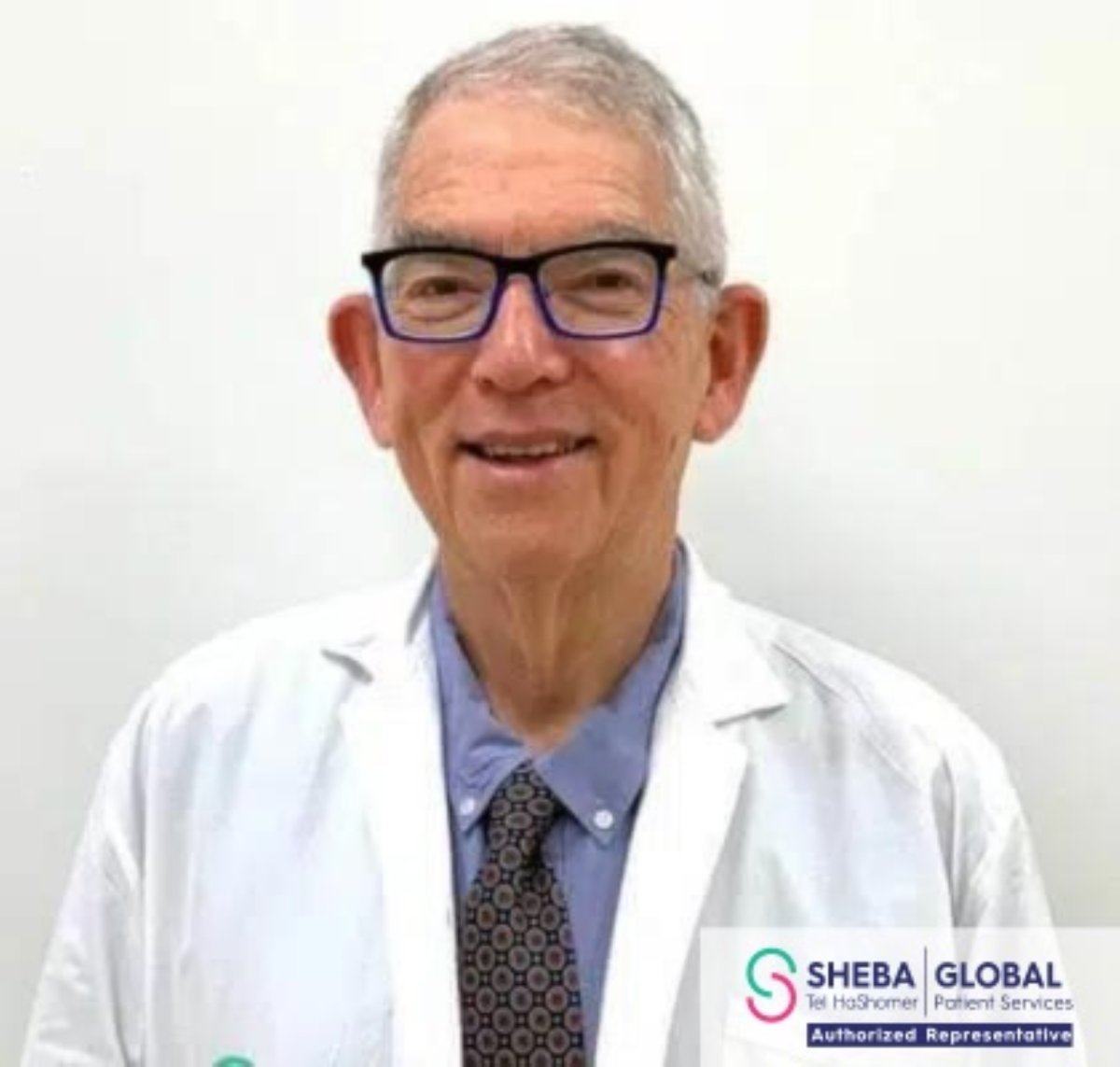
Sheba Medical Center is the largest hospital in the Middle East and ranked 7th worldwide by Newsweek in 2026. It treats over 2 million patients annually and is a global leader in CAR-T and TIL immunotherapies. Core specialties include oncology, immunotherapy, precision medicine, and cardiology.
- JCI and ISO accredited with eight consecutive years in the Newsweek global Top 10.
- In-house CAR-T manufacturing through its GMP-certified Advanced Biotherapy Center (ABC).
- Over 200 Sheba doctors are listed among Forbes' Top Doctors.
- One of the few centers worldwide developing CAR-T therapies for severe autoimmune diseases.
- Campus includes six major hospitals, among them the Leviev Heart Center and Edmond and Lily Safra Children's Hospital.
| treatment | |
|---|---|
| CAR T-cell therapy | $70,000 - $85,000 |
Hadassah Medical Center
Prof. Moshe Gatt brings 23 years of hematology expertise, trained at Harvard's Dana-Farber Cancer Institute and leading Israel's Myeloma Treatment Society. CAR T-cell therapy at Hadassah Medical Center – ranked first in Israel for this treatment – may cost around $12,642, typically covering a 7-day diagnostic program with consultations, bone marrow aspiration, lab tests, and renal ultrasound. The clinic holds Newsweek's World's Best Hospitals 2024 recognition.
Spain
Spain pairs strong academic oncology with European standards of care. Bookimed-network options include SJD Barcelona Children’s Hospital and Centro Medico Teknon, both accredited international hospitals. CAR T-cell therapy in Spain costs roughly $330,000 – $420,000.
Highest-rated clinics for CAR T-cell therapy
SJD Barcelona Children’s Hospital

SJD Barcelona Children’s Hospital ranks among Europe's top three medical institutions. It has provided care since 1867 and treats patients from infancy through 18. Core specialties include pediatric oncology, cardiology, neurology, and orthopedics.
- Survival rate for acute lymphoblastic leukemia reaches 94%.
- Bone marrow transplant survival rates: 90–100% for related donors, 70–80% for unrelated.
- Cardiology center performs over 300 surgeries yearly with high success and low mortality.
- Uses intra-arterial chemotherapy for retinoblastoma and anti-GD2 immunotherapy for neuroblastoma.
- HEPA-filtered rooms protect patients after bone marrow transplants.
Centro Médico Teknon

CAR T-cell therapy at Centro Médico Teknon may cost around $470,390, typically covering KYMRIAH CAR T-cell infusion, 30-day hospitalization, pre-treatment diagnostics, and follow-up care. The JCI-accredited clinic maintains a 4.7/5 rating from 409+ patient reviews. Dr. Rafael Cobo brings 20+ years of oncohematology expertise, specializing in CAR T-cell therapy for aggressive lymphomas with comprehensive monitoring protocols.
| treatment | |
|---|---|
| CAR T-cell therapy | $392,045 - $448,051 |
Quironsalud Madrid
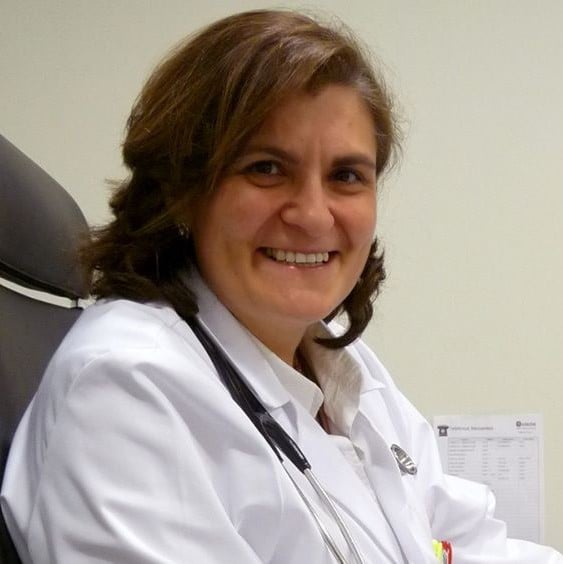
Prof. Dr. Luis Madero has performed 1,100 CAR T-cell therapies over , pioneering pediatric leukemia treatment in Spain. The special program may cost around $411,590, typically covering therapy, hospitalization, infusion, monitoring, and supportive treatments. As Chief Specialist in Pediatric Oncology, he leads CAR T protocols with outstanding results at Quirónsalud Madrid – ranked among World's Best Hospitals by Newsweek.
In all four countries, your case is managed by the treating hematology-oncology team at the chosen hospital. That team confirms eligibility, plans conditioning and monitors for side effects. Many of these centers also run broader immunotherapy programs for patients who are not CAR-T candidates.
Sheba Medical Center is the largest hospital in the Middle East and ranked 7th worldwide by Newsweek in 2026. It treats over 2 million patients annually and is a global leader in CAR-T and TIL immunotherapies. Core specialties include oncology, immunotherapy, precision medicine, and cardiology.
- JCI and ISO accredited with eight consecutive years in the Newsweek global Top 10.
- In-house CAR-T manufacturing through its GMP-certified Advanced Biotherapy Center (ABC).
- Over 200 Sheba doctors are listed among Forbes' Top Doctors.
- One of the few centers worldwide developing CAR-T therapies for severe autoimmune diseases.
- Campus includes six major hospitals, among them the Leviev Heart Center and Edmond and Lily Safra Children's Hospital.
Hospital certificates and accreditation of quality
| CAR T-cell therapy | $70000 - $85000 |

Get a Free Quote
How Much Does CAR T Cost in Europe?
In Europe, branded products such as Kymriah and Yescarta are the most widely used CAR T-cell therapies for blood cancers. Total treatment prices sit well below US levels but remain among the highest in oncology.
Here are current Bookimed CAR T-cell therapy ranges across major European destinations, all in US dollars:
Country | CAR T-cell therapy (USD) | Notes |
|---|---|---|
Spain | $330,000 – $420,000 | Lower end of Western Europe; strong academic centers. |
Germany | $350,000 – $500,000 | Varies by therapy and treatment center. |
Italy | $350,000 – $500,000 | Depends on region and hospital. |
France | $300,000 – $450,000 | Among the more accessible Western European ranges. |
Austria | $350,000 – $500,000 | Comparable to Germany. |
United Kingdom | $350,000 – $500,000 | NHS price negotiation can shift figures. |
Turkey sits just outside this group as the lower-cost, European-adjacent option at about $150,000 – $225,000. Final figures depend on the center’s policy, exchange rates and the individual treatment plan.
"While CAR T-cell therapy may be complex, its potential to revolutionize cancer care makes it a game-changer in oncology." – Dr. Ronit El Hasid, a specialist in bone marrow and umbilical-blood transplantation with more than 300 transplants and 50 published papers.
European cost-effectiveness analyses keep weighing these prices against durable-remission outcomes. That is why public payers negotiate hard on each indication.
Get a Free Quote
The Cost of CAR T-Cell Therapy for Children
One of the most common child malignancies is B-cell precursor acute lymphoblastic leukemia (B-ALL). It affects nearly 79% of kids from 2 to 6 years old, among the other pediatric leukemias. B-ALL is a blood cancer marked by too many immature white blood cells, called B-cell lymphoblasts. They grow too quickly in the bone marrow and blood.
A US study of 37 children with B-ALL who received CAR-T therapy tracked their costs. The average was $25,000 – $55,000 over 90 days. Most of the cost was for hospital stays. European clinics report lower 90-day figures – around $15,000 – $25,000 in both Israel and Spain – even accounting for the additional expenses.
There are no significant differences in CAR T cancer treatment cost based on age or whether the child had CRS. CAR T-cells offer clear clinical benefits for large B-cell lymphoma and other cancers. Still, their high price can limit access for many patients.
The cost would likely be similar to adult patients, but only medical facilities can provide the estimated price. For families whose child needs this treatment, the high cost can be a heavy financial burden.
Comparing Costs with Traditional Cancer Treatments
CAR T-cell therapy costs far more than conventional options such as chemotherapy or radiation. Each dose is manufactured from the patient’s own immune cells. The table below sets current Bookimed ranges side by side. You can see the gap, and where a bone marrow transplant fits in.
Country | CAR T-cell therapy | Chemotherapy | Targeted therapy | Bone marrow transplant |
|---|---|---|---|---|
$150,000 – $225,000 | $2,400 – $3,800 | $36,000 – $56,400 | ||
United States | $450,000 – $600,000 | $8,000 – $18,000 | $25,000 – $55,000 | $400,000 – $800,000 |
$330,000 – $420,000 | $2,500 – $4,500 | $71,800 – $189,400 | ||
$84,000 – $89,400 | $2,400 – $4,900 | $79,000 – $167,000 |
Radiation therapy is another lower-cost adjunct in these networks; Bookimed lists it in Turkey, Israel and Spain.
CAR T-cell therapy is not better value than every alternative. It is reserved for patients whose disease has resisted these cheaper options. In those cases, a single durable response can justify the price.
Indirect Costs Associated with CAR T-Cell Therapy
How much does CAR T-cell therapy cost in total? The treatment itself ranges from about $84,000 – $89,400 in Israel to $450,000 – $600,000 in the United States. The indirect costs around it can add a meaningful amount on top.
There are several additional costs to consider beyond the price of the infusion itself.
Travel and Accommodation
Patients who travel abroad to specialized centers face transport, lodging and meal costs. One published analysis put the average at about $5,400 per patient for flights and accommodation. That estimate varies widely by route and length of stay. This is especially relevant for treatment in the United States, Israel or Turkey.
Caregiver Time and Post-Treatment Monitoring
CAR T-cell therapy needs close follow-up to catch and manage side effects. That can mean:
- regular specialist appointments;
- laboratory tests;
- imaging studies;
- on-site management of complications such as cytokine release syndrome.
Patients and caregivers often take time off work during the hospital stay and recovery. That adds an indirect financial load. None of these figures should be alarming – they are simply worth budgeting for alongside the headline price.
Why Is CAR T-Cell Therapy So Expensive?
The main reasons include:
- Research and development. It takes a lot of time and money to develop specific T cells.
- Complex manufacturing process. It's a personalized treatment, so it's made specifically for each patient. This makes it more complex and expensive to produce.
- Need for special equipment. The CAR T-cell therapies require advanced equipment and skilled workers.
- Regulatory compliance. It must meet strict safety standards, which adds to the cost.
- Limited eligibility. CAR T-cell therapy is approved for only a few cancers. It is usually used when other treatments have failed. So relatively few patients qualify.
The cost of CAR T therapy reflects its personalized nature and expensive clinical trials. Thus, the cost is high due to the special conditions required to manufacture T cells.
How to Reduce CAR T-Cell Therapy Costs

The single biggest lever on the bill is where you have the treatment. The same therapy costs a fraction of the US price in several Bookimed-network countries:
- Turkey – about $150,000 – $225,000, versus $450,000 – $600,000 in the United States.
- China – roughly $165,000 – $275,000, supported by local manufacturing.
- Israel – around $84,000 – $89,400, with on-site cell production.
Beyond destination, two access routes can lower or offset the cost:
- Clinical trials may cover the therapy for eligible patients, though places are limited and entry criteria are strict.
- Manufacturer and charity assistance programs can reduce the drug-acquisition portion for those who qualify.
A free Bookimed quote lets you compare verified clinics and confirmed prices side by side before you commit. It does not guarantee coverage or a specific outcome, but it makes the real trade-offs visible.
Does Insurance Cover CAR T-Cell Therapy?
Given the high cost, financial support matters for many large B-cell lymphoma patients. Several concrete routes can help:
- Public programs. In the US, Medicare and Medicaid cover FDA-approved CAR T-cell therapy for eligible patients. Terms depend on the plan and condition.
- Private insurers. Many commercial plans cover the approved products for on-label use. Confirm your out-of-pocket costs with the provider first.
- Manufacturer assistance. Drug makers run patient-assistance programs that can offset part of the drug-acquisition cost for those who qualify.
- Nonprofit support. Groups such as the Leukemia & Lymphoma Society help patients navigate coverage and find financial aid.
Exploring these options early is the best way to find the right fit for your situation.
Get a Free Quote

The Value of CAR T-Cell Therapy

CAR T-cell therapy is a complex, one-time treatment. In the United States it reaches $450,000 – $600,000. That price has fueled an ongoing debate about whether it is worth it.
Some studies suggest CAR T-cell therapy can be cost-effective in selected cases. That is especially true when it delivers durable remission and better quality of life than the alternatives. For many patients, though, the current prices remain out of reach without assistance.
Researchers are working to make the therapy more affordable. Its value in any case depends on the cancer type, the patient’s health and the financial support available.
Efficacy of Clinical Trials
CAR T-cell therapy has performed strongly in clinical trials, especially for patients whose cancer has not responded to other treatments. In the approved blood-cancer indications, peer-reviewed analyses report durable remissions in a large share of patients. For example, complete-response rates run near 58% in large B-cell lymphoma and about 60% in multiple myeloma.
These established uses – certain leukemias, lymphomas and multiple myeloma – should be read separately from investigational ones. Work on solid tumors and autoimmune disease is promising but still experimental, and outcomes there are not yet settled.
Researchers keep refining the technology, including new CAR designs that more precisely target cancer cells while limiting off-target effects. They are also testing combination approaches aimed at improving response.
"CAR T-cell therapy represents a personalized approach to cancer treatment, tailoring each patient’s therapy to their unique genetic makeup." – Dr. Ronit El Hasid, an expert in pediatric oncohematology and a member of the American Society of Hematology and the Israeli Society for Pediatric Hematology-Oncology.
How to Request Help at Bookimed
Getting matched with the right clinic takes just a few steps:
- Explore options. Discover the range of CAR T-cell therapy options available on Bookimed.
- Submit a request. Share your medical details and treatment goals using our simple form.
- Consult with a coordinator. A Bookimed medical coordinator will personally guide you through the process.
- Choose a clinic. Select the clinic and specialist that fit your case, with the coordinator's help.
- Get a detailed quote. Receive a transparent cost breakdown, with no surprises.
- Confirm the details. Finalize your treatment plan with your coordinator.
- Prepare for your trip. Your coordinator will handle travel and accommodation arrangements.
The Bottom Line
CAR T-cell therapy is one of the most expensive treatments in oncology, but the price swings widely by country. Here is what matters most before you plan care abroad:
- $84,000 – $600,000 is the broad range across the countries Bookimed covers. The United States sits at the top ($450,000 – $600,000).
- The most affordable covered destinations are Turkey ($150,000 – $225,000), China ($165,000 – $275,000) and Israel ($84,000 – $89,400).
- The CAR T-cell price is the same for children and adults – age does not change the catalog cost.
- Commercial drug list prices (for example, Carvykti from about $465,000) are only part of the total cost. The total also covers hospital, conditioning and monitoring.
- Indirect costs – travel, accommodation and follow-up – add a meaningful amount worth budgeting for.
- Bookimed can compare verified clinics and confirmed prices for your specific case on request.
FAQs
What Are the Eligibility Criteria?
Several points are weighed before CAR T-cell therapy is offered:
- Age. Some products are approved up to age 25; others have different limits.
- Stage of cancer. The disease must be advanced and unresponsive to earlier treatments.
- Overall health. The patient must tolerate the treatment and be free of uncontrolled infection such as HIV or active hepatitis C. The therapy is not recommended while such an infection is active.
- Comorbidities. Heart disease or diabetes do not automatically exclude a patient but require close monitoring.
Is CAR T-Cell Therapy Possible After Autologous Stem Cell Transplantation?
Patients with precursor B-ALL who relapse after autologous stem cell transplantation have historically faced a poor outlook.
Clinical-trial data show these patients still have a better chance when relapse comes more than six months later. In that group, the complete-response rate is 55.5%, versus 18.4% for earlier relapse.
A previous HSCT does not change the odds. The two-year survival rate is 45.3% with or without an autologous transplant, per the same cohort analysis.
How Does CAR T-Cell Therapy Work?
Antigens and immune receptors fit together like a lock and key – only the matching receptor binds a given foreign antigen.

The CAR T-cell process involves several steps:
- Strategy. Doctors confirm CAR T-cell therapy is the right option.
- Line placement. A large-bore IV is placed to collect T-cells.
- Apheresis. The needed dose of T-cells is separated and the rest returned.
- Genetic modification. The cells are engineered to express a chimeric antigen receptor.
- Expansion. Millions of modified cells are grown.
- Conditioning. Short chemotherapy clears space for the new cells.
- Reinfusion. The engineered CAR T-cells are returned to the bloodstream.
- Observation. The patient is monitored closely for early side effects.
Side Effects and Risks: Cytokine Release Syndrome
Cytokine release syndrome (CRS) is the most common side effect. It is reported in 37% to 93% of patients, depending on the cancer type. It usually starts within a few days but can appear up to 14 days later.
CRS happens when the immune system is overactivated and releases large amounts of cytokines. It is managed with supportive care and medication but can be dangerous if treated late. The main symptom is fever of 38.0 °C or higher, alongside:
- muscle aches;
- tiredness;
- low blood pressure;
- trouble breathing;
- stomach upset;
- fast heartbeat;
- rash.
Immune Effector Cell-Associated Neurotoxicity Syndrome (ICANS)
The other key side effect is ICANS. It occurs in roughly 40% of patients, within a reported 20% to 60% range. It often follows CRS, sometimes after it resolves, and typically appears 4 to 10 days after treatment.
One main mechanism is damage to the blood-brain barrier, causing swelling and changes in behavior. Symptoms include:
- trouble finding words;
- difficulty with fine movements;
- limb weakness;
- memory loss;
- confusion or agitation;
- tremors.
How much does CAR T-cell therapy cost in the UK?
In the United Kingdom, CAR T-cell therapy runs about $350,000 – $500,000 as a total treatment price. The NHS negotiates product prices directly with manufacturers, which can shift the figure for funded patients. For self-funding or overseas patients, comparing accredited centers abroad – where the same therapy can cost far less – is often worthwhile.
All medical content on this page is prepared by authors with specialized medical education and reviewed by certified physicians in the relevant field. Medical review by Yesim Yildirim, Clinical oncologist.
Last updated: October, 2026.
- Statistics: Figures are based on Bookimed’s internal database October 2026, which includes analysis of 12,450 patient requests across 1 accredited clinics in Israel.
- Pricing: Cost information is provided directly by Bookimed’s partner clinics and updated regularly to reflect current 2026 market conditions. Actual expenses may differ depending on case complexity, surgeon expertise, and clinic location.
- Clinical Data: Treatment outcomes and patient satisfaction figures are collected from Bookimed’s verified clinic database and supported by data from peer-reviewed medical sources such as PubMed, The Lancet, JAMA, and NEJM (2023–2026).
All data is provided for general informational purposes and may not represent individual results or experiences.