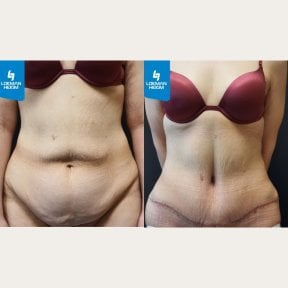
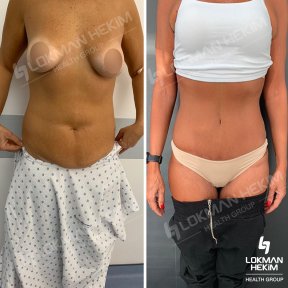
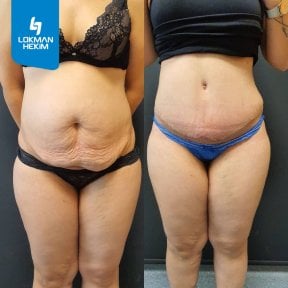
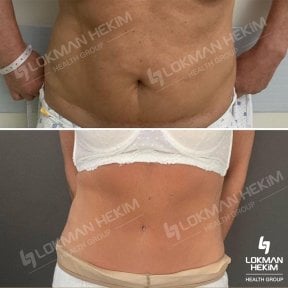
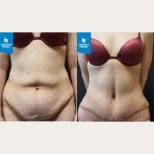
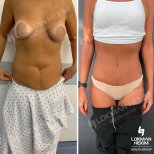
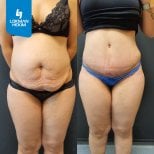
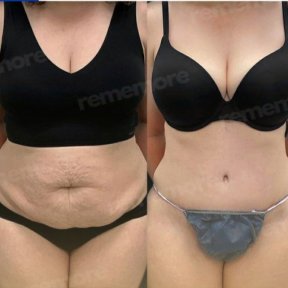
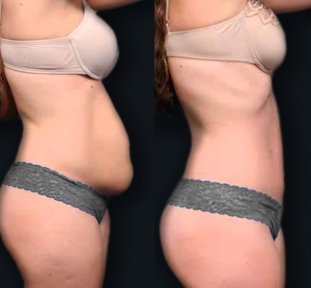
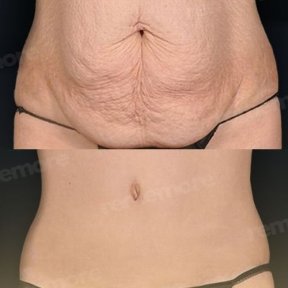
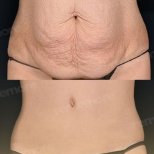
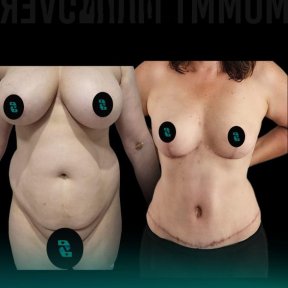
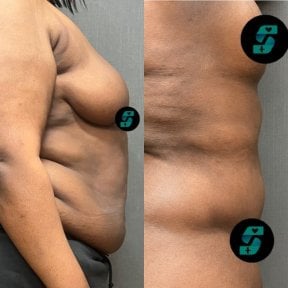
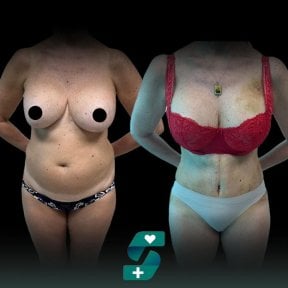
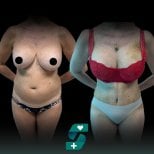
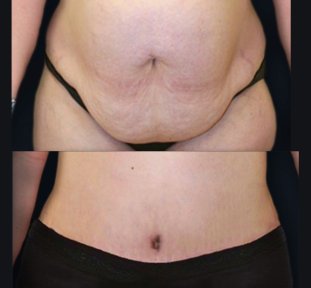
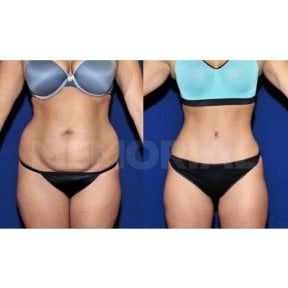
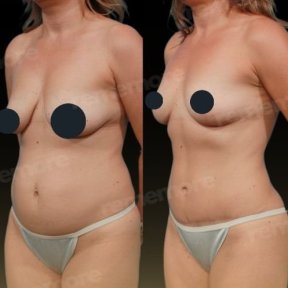
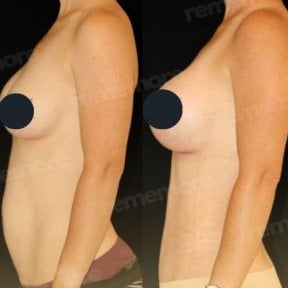
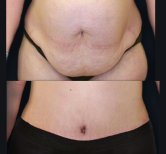
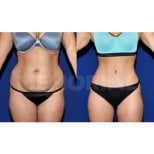
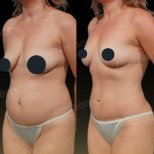
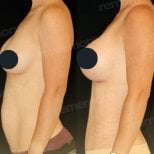
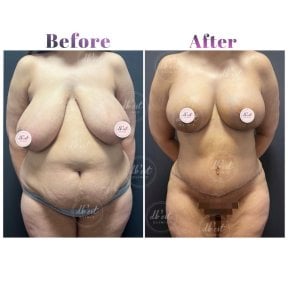
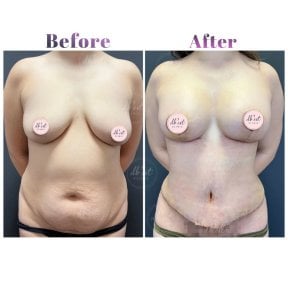
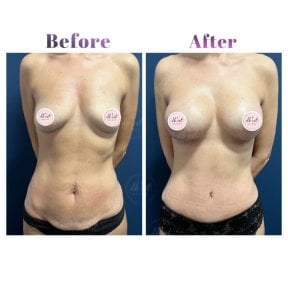
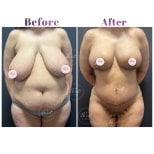
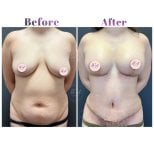
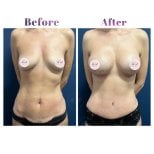
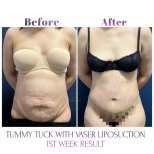
Tummy tuck packages in Turkey start from $3,900 – 60% less than the US ($9,000–$15,000) or UK ($8,500–$13,500). Bookimed's 130+ partner clinics bundle the surgeon's fee, anesthesia, hospital stay, 4*–5* hotel, airport transfers, medications, and compression garments into a single price. One thing to know before you book: plan to stay at least 7–10 days post-surgery before flying home. It's not a suggestion – it's a medical requirement tied to blood clot risk.
How to Choose a Safe Tummy Tuck Clinic in Turkey
Turkey has hundreds of clinics competing for international patients. Marketing claims like "10,000+ treatments" and "Board-certified" tell you very little. Two official bodies have issued specific, verifiable criteria instead.
Surgeon credentials to verify
After cosmetic tourism complications rose 35% in 2022, BAAPS and TSPRAS issued joint guidelines with a concrete checklist. The core standard is the "Rule of 5 and 3":
- TSPRAS membership – the Turkish Society of Plastic Reconstructive and Aesthetic Surgeons is the official national body. Membership is publicly verifiable.
- 5+ years of plastic surgery specialty experience – the BAAPS/TSPRAS minimum.
- 3+ years at the same clinic – frequent clinic changes are a warning sign.
- EBOPRAS certificate (European Board of Plastic, Reconstructive and Aesthetic Surgery) – highly desirable for international patients.
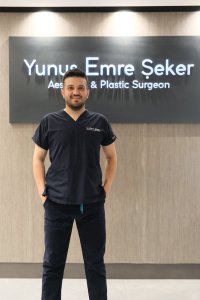
Several Bookimed-vetted Turkish surgeons meet these standards. Dr. Gürhan Özcan holds both TSPRAS and EBOPRAS certificates and has been twice awarded by the American Society for Plastic Surgery (ASPS). Dr. Derya Bingöl holds an EBOPRAS certificate and performs 150–200 aesthetic operations annually. Per TSPRAS, membership can be confirmed by name before you book.
Facility standards that matter
The BAAPS/TSPRAS guidelines set a minimum facility requirement: at least 30 beds and an on-site ICU. That immediately rules out small aesthetic clinics that can't handle surgical emergencies.
Worth knowing: Two Bookimed partner hospitals clear this bar by a wide margin. Lokman Hekim Istanbul Hospital has 200 beds, JCI and TÜV NORD ISO accreditation, and a 4.8/5 rating from 148 verified patient reviews. Memorial Bahçelievler Hospital has 267 beds, dual JCI and ISO accreditation – it's Turkey's first plastic surgery center certified for both safety and eco-design.
Clinical Complication Rates and Techniques That Reduce Risk
Here's the reality: before choosing a surgeon, you deserve the actual clinical numbers. Here's what peer-reviewed research shows, and what to specifically ask before committing.
Complication rates by the numbers
According to clinical data from NCBI, over 80% of standard abdominoplasty patients experience no major complications. For post-bariatric patients – those who've had major weight-loss surgery – the complication-free rate falls to 50–70%, which is why thorough pre-operative evaluation matters. The most common complications are:
- Seroma (fluid buildup under the skin): 5%–43% of cases – the most frequent issue after surgery.
- Infection: 3%–14%.
- Hematoma (blood pooling): 3%–7%.
- Skin necrosis (tissue death, typically linked to smoking): 1.6%.
Surgical techniques that lower your risk
Not all surgeons use the same techniques – and the difference matters for seroma outcomes. A systematic review and meta-analysis published in PMC found that combining progressive tension sutures with Scarpa fascia preservation lowers seroma risk compared to drains alone. In plain terms: progressive tension sutures close the space under the skin from the inside, while Scarpa fascia preservation keeps a supportive tissue layer that aids healing.
Worth knowing: Ask your prospective surgeon directly – "Do you use progressive tension sutures and do you preserve the Scarpa fascia?" A surgeon who knows why you're asking is a good sign.
Who should not get a tummy tuck abroad
Candidacy matters as much as clinic choice. Per Mayo Clinic and NCBI clinical guidelines, these are firm contraindications:
- BMI significantly over 35 – elective abdominoplasty isn't appropriate.
- Uncontrolled diabetes – impairs wound healing and raises infection risk significantly.
- Active infections or pregnancy – absolute contraindications per clinical guidelines.
- Any nicotine use within 4–6 weeks before surgery – nicotine constricts blood vessels and directly causes skin necrosis, wound separation, and delayed healing. Some surgeons require a cotinine urine test on surgery day.
Recovery Timeline and Flying Home Safely
The most common planning mistake overseas patients make is treating recovery as a holiday extension. It isn't. Here's what recovery actually requires.
The no-fly window
You must wait 7–10 days before flying home after a tummy tuck. The NHS warns explicitly about flying after overseas cosmetic surgery without clearance, citing deep vein thrombosis (DVT) and pulmonary embolism (PE) as serious risks. Combining major abdominal surgery with long-haul immobility is a known DVT trigger, and clinical DVT prophylaxis guidelines are clear that post-operative patients need time and protocols before air travel.
Worth knowing: Most Bookimed Turkey packages include 5–7 hotel nights – which lines up with this requirement. For long-haul flights, get written clearance from your surgeon before your departure date. In the air: wear compression stockings, stand and move every 90 minutes, and stay hydrated.
What the first week looks like
Days 1–3: you're in the clinic or a recovery hotel, with daily surgeon check-ins. Days 2–5 are typically the hardest. That's when anesthesia wears off and swelling peaks – and many patients experience a temporary dip of anxiety, tearfulness, or body image distortion. This is well-documented and normal, not a sign something went wrong. Having a support person nearby makes a real difference.
For the full recovery period, swimming, sunbathing, alcohol, and extensive sightseeing aren't options. This trip is medical. Bookimed's coordinators are available 24/7 throughout your stay – patients consistently rate this highly. One UK patient put it this way: "If I ever want surgery in the future I would only ever book with Bookimed. They were very patient, reassuring and found me the best hospital and surgeon."
Understanding Your Financial Exposure: Packages, Hidden Costs, and Insurance
The headline package price is genuinely good value. But the full financial picture includes what's not in the package – and what you're liable for if something goes wrong after you're home.
What Turkey packages include
According to Bookimed data, packages range from $3,900 to $6,000 all-inclusive. Here's a representative comparison:
| Package |
Price (USD) |
Key inclusions |
Clinic |
| Premium Tummy Tuck All Included |
$3,900 |
Surgery, anesthesia, tests, medications, compression garments, 4* hotel, VIP transfers, language assistance |
Lokman Hekim Istanbul Hospital |
| Tummy Tuck – 6 Nights at 5★ Hotel |
$5,500 |
Surgery, anesthesia, tests, medications, compression garments, 5* hotel, transfers, follow-up visits |
Istanbul Aesthetic Plastic Surgery Center |
The same procedure in the US costs $9,000–$15,000 – without hotel, transfers, or post-op care included.
Financial risks to plan for
The package covers the surgery itself. What happens if complications arise after you're home is a separate question. Plan for these realities:
- Standard travel insurance excludes complications from elective cosmetic surgery, as NHS guidance confirms. You'll need a separate specialized medical travel policy.
- Mandatory complication insurance that Turkey previously required for medical tourists was suspended by the Turkish high court. Patients carry full financial exposure unless independently insured.
- Revision surgery back home: $15,000–$30,000 in the US. Research in PMC documented that the NHS spends substantial resources per cosmetic tourism patient who returns with complications.
- Orphaned patient risk: without operative notes, local surgeons may decline to treat overseas surgery complications – this situation is real and well-documented.
Bottom line: Budget for the full trip – surgical package plus flights, incidentals, and a medical travel insurance policy. Then compare that total to your home-country quote.
Documents to Secure Before You Fly Home
Leaving Turkey without a complete medical record is one of the most preventable mistakes overseas surgery patients make. Your local doctor needs this paperwork to continue your care, and you need it if any issue arises months later.
Per ISAPS guidelines for patients considering surgery abroad, request all of the following in English before you leave:
- Operative notes – the exact techniques your surgeon used: suturing method, whether Scarpa fascia was preserved, drain details.
- Pathology reports – if any tissue was sent for analysis.
- Imaging studies – any scans taken before or after surgery.
- Written post-operative care plan – wound care, medications, activity restrictions, follow-up timeline.
- Discharge summary in English – required for any GP or specialist treating you at home.
Under Turkish law, informed consent for foreign patients must be given with a certified translator present to be legally valid. Bookimed's coordinators handle documentation and translation arrangements throughout the patient journey. As one patient at Soraca Med described it: "Everything was very organised, fast and I didn't even have time to get scared. Special thanks to the interpreter, she is always there, in touch 24/7."