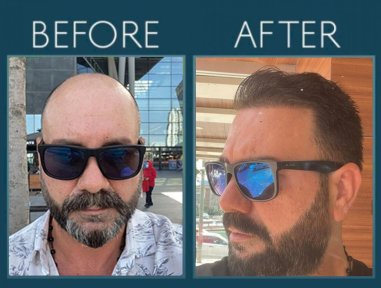
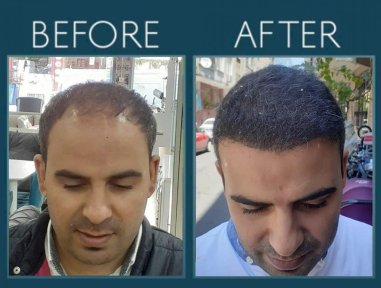
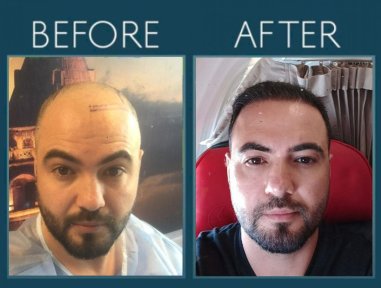
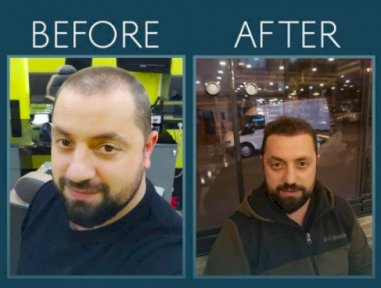
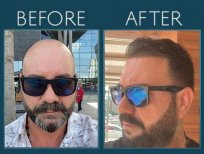
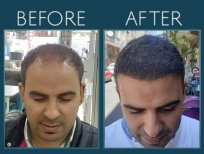
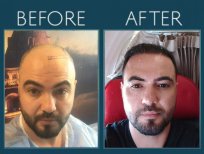
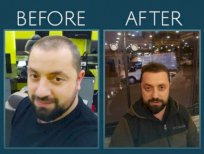
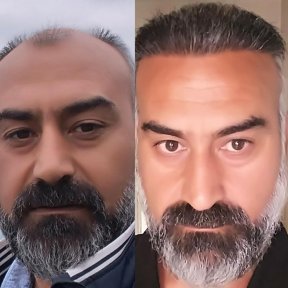
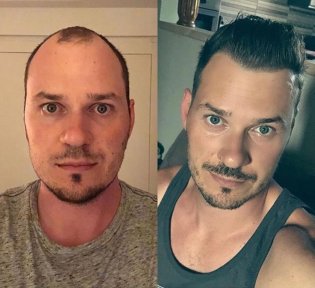
What is DHI Hair Transplant?
DHI hair transplant (direct hair implantation) is the latest technique for hair restoration. No cuts, no stitches. A unique tool called a Choi implanter pen implants each hair follicle directly into the scalp. This means a natural hairline and faster healing.
The Choi implanter pen has 0.6–1.0mm diameter tips that simultaneously create recipient channels and implant follicles at 15–40 degree angles to match natural hair direction. This direct implantation method achieves 90–95% graft survival rates according to clinical studies, with initial healing occurring within 7–10 days and visible new growth beginning at 3–4 months post-procedure.
According to research, hair transplantation helps even in advanced cases of primary scarring alopecia, with 77% of patients experiencing positive results.
This procedure suits thinning hair, bald spots, and receding hairlines.
![faq image]()
Hair Implantation Options
There are several ways to restore hair depending on how much you've lost and what results you strive for. Some are traditional and time-tested, while others use new tools.
Classic
The FUT method (follicular unit transplantation) is the old-school way. It involves removing a strip of skin from the back of the head, removing hair follicles, and planting them in bald areas.
New Way
Newer methods like direct hair implantation and FUE (follicular unit extraction) are less invasive.
- DHI uses a Choi implanter pen to place each follicle directly into the scalp without cutting incisions.
- FUE extracts follicles one by one and plants them manually.
Non-surgical Options
Not everyone needs surgery. PRP therapy (Platelet-rich plasma) and low-level laser therapy can slow down hair loss and strengthen existing hair. But they won't make the lost hair grow back.
When to choose cach
| Technique |
Best for |
| FUT |
Severe baldness, max grafts needed. |
| FUE |
Moderate hair loss, no visible scars. |
| DHI |
Precise implantation, restoring hairline. |
| PRP/Laser |
Early-stage thinning, maintenance. |
DHI vs. Other Hair Transplant Methods
Direct hair implantation is a minimally invasive technique. Unlike traditional methods, it does not require channel openings before implantation.
| Method |
Invasivenes |
Procedure |
Recovery time |
Final result |
| DHI |
Minimally invasive |
Follicles implanted directly with a Choi implanter pen, no pre-made incisions. |
Fast, scabs fall off in 7-10 days. |
DHI hair transplant results show natural density and precise placement. DHI hair transplant recovery is shorter due to direct implantation. |
| FUE |
Less invasive |
Follicles are extracted individually and then manually implanted. Requires tiny incisions. |
Slightly longer, 10-14 days. |
Good density, but less control over angles. |
| FUT |
More invasive |
A strip of scalp is removed, follicles extracted, and implanted. Leaves a linear scar. |
Longest, 2-3 weeks due to stitches. |
Good density, but visible scarring. |
Many comparing direct hair implantation vs FUE prefer the former for better implantation and quicker healing. Patients oftentimes choose this method over FUT for its scar-free approach.
Who is a Candidate for Turkish DHI Hair Transplant?
Candidates with stable hair loss, a healthy supply of donor hair, and reasonable expectations achieve the best outcomes with the procedure.
Who benefits the most
- Men and women with thinning hair, receding hairlines, or bald patches.
- Patients with genetic hair loss.
- Individuals over 25 years old, as hair loss should be stable.
- Patients in good health, with no chronic conditions.
Who should avoid the procedure
Not everyone qualifies for the treatment.
- Those with severe hair loss and weak donor areas.
- Patients with scalp infections, dermatitis, or blood clotting disorders.
- Some medical conditions like diabetes, heart disease, or autoimmune disorders may require a doctor's approval.
With Bookimed, you can get a consultation with verified specialists from 420+ Turkish clinics, including Dr. Oya Şişman (3,500+ procedures), Dr. Leyla Arvas (DHI expert), and Dr. Hakan Ikizoglu (24 years of experience) to determine if the DHI method is right for you.
Is Turkey Good for Hair Transplant?
Yes, and here's why
- Experienced surgeons – Leading facilities such as Istanbul Aesthetic Plastic Surgery Center (4.8/5), Quartz Hospital (4.7/5), and Hair Clinic (4.8/5) employ surgeons with 10–30 years of experience, including specialists like Dr. Oya Şişman with over 3,500 FUE procedures and Dr. Hakan Ikizoglu with 24 years in trichology.
- Advanced techniques – Direct hair implantation, Sapphire FUE, Stem Cell Hair Transplant.
- Internationally accredited clinics – Top-rated facilities like Adem and Havva Medical Center (4.8/5, 16,000+ procedures) and Quartz Hospital maintain JCI, ISO, and International Society of Hair Restoration Surgery accreditation standards.
- Affordable – DHI hair transplant costs in Turkey range from $2,600–$3,700, compared to $8,500–$15,000 in the UK and $16,000–$24,000 in the US, making Turkey 3–7 times more affordable.
- All-Inclusive packages
- High success rates – 90–95% graft survival rate according to clinical studies.
According to Turkish Health Ministry data, Turkey hosted 2 million medical tourists in 2024, generating $3 billion in revenue, with hair transplants representing 50% of this market.
A patient from Germany who received DHI treatment at Quartz Hospital shared: "The whole hair transplant journey was positive throughout and perfectly organised. I received excellent support - the assistance, including via WhatsApp, was always quick and very helpful. The doctors were extremely competent and did a great job. I am absolutely happy with the end result and can only warmly recommend the team!" (Bookimed verified review, 5.0/5 rating)
According to research, graft survival rates vary, with scalp hair at 80–95% after six months, body hair lower (e.g., chest hair around 75% at one year), and scarring alopecia grafts surviving at about 50%.
Choosing ISHRS-certified surgeons
When choosing a hair transplant clinic in Turkey, look for surgeons certified by the International Society of Hair Restoration Surgery (ISHRS) or American Board of Hair Restoration Surgery (ABHRS). These certifications ensure surgeons meet strict educational requirements, have performed minimum procedure volumes, and maintain continuing education standards. ISHRS-certified surgeons must complete specialized training in hair restoration techniques and demonstrate proficiency in both surgical and non-surgical hair loss treatments.
How Does the DHI Hair Transplant Operation Go?
![faq image]()
Before the procedure, the doctor first consults to see if the patient is a good candidate. During this, they might ask for:
- Blood tests.
- Scalp analysis.
- Medication adjustments, such as blood thinners and certain supplements, need to be stopped before surgery.
Patients should
- Avoid alcohol, smoking, and caffeine for at least a week before the procedure.
- Wash their hair with the prescribed shampoo on the day of surgery.
- Wear comfortable clothes to avoid disturbing the scalp post-surgery.
Procedure
The best hair restoration in Turkey follows predetermined steps that the patient knows, making the process clear.
| Step |
Description |
| Anesthesia |
Local anesthesia is applied so the patient feels no pain but remains awake. |
| Extraction |
Healthy hair follicles are extracted from the donor area using a micromotor device. |
| Implantation |
Each follicle is implanted using a Choi implanter pen directly into the scalp. |
| Completion |
The transplanted area is cleaned, and aftercare instructions are provided. |
A patient from Poland treated at Quartz Clinique noted: "The medical team that attended me with the hair transplant did a great job! The intervention took quite a while yet the team attending me displayed a high level of patience and professionalism. I could not be more happy with all the experience." (Bookimed verified review, 5.0/5 rating)
Duration
Depending on the number of grafts, the treatment takes 6–8 hours. Small sessions can take 4–5 hours, while larger procedures take up to 10 hours.
Recovery and Rehabilitation After DHI Hair Transplant
Recovery time is shorter compared to other hair restoration methods. Patients can resume daily activities in 2–3 days, but full recovery takes a few weeks.
Recovery timeline
| Recovery stage |
Timeframe |
| Initial healing |
First 7–10 days |
| Follicle settlement |
7–10 days |
| Shock loss |
2–8 weeks |
| New hair growth |
3–4 months |
| Full results |
12 months |
What to expect after surgery
- Swelling and redness in the treated area is normal and subsides in a few days.
- Small scabs form around the transplanted follicles and usually drop off in 7–10 days, with complete healing of donor area occurring within 3 months and full scalp recovery by 12 months.
- Some patients experience shock loss, where transplanted hair temporarily sheds.
A patient from Portugal treated at Dr. MED Clinic stated: "The team of Doctors was the absolute best in the world! My surgery is healing up perfectly and I am so glad that I came here!" (Bookimed verified review, 5.0/5 rating)
Do's and don'ts after the hair implantation
| Do |
Don't |
| Sleep with your head elevated for the first few nights. |
Don't touch, scratch, or rub the scalp. |
| Use mild, prescribed shampoo after 48 hours. |
Don't wash hair too aggressively in the first 10 days. |
| Drink plenty of water to aid healing. |
Avoid alcohol and smoking for at least 2 weeks. |
| Wear a loose hat for sun protection if needed. |
Stay away from direct sunlight for 3–4 weeks. |
| Follow aftercare instructions. |
Avoid heavy exercise, swimming, and sauna for at least a month. |
Regular check-ups at the hair restoration clinic will monitor your progress and ensure proper healing.
Risks and Possible Complications of DHI Hair Transplant in Turkey
The procedure in Turkey is generally safe when done by experienced professionals. According to a comprehensive 2025 scoping review from Harvard Medical School, overall complication rates in modern hair transplantation range from 1.2–4.7%. This means over 95% of procedures proceed without complications.
Possible side effects
- Swelling and redness around the transplanted area (subsides in a few days).
- Scabbing and itching as the scalp heals.
- Shock loss, transplanted hair falls out before new growth starts.
- Infection occurs in less than 1% of cases when proper sterile protocols are followed.
- Bleeding requiring intervention in up to 8% of cases.
- Persistent numbness in up to 11% of patients.
Bookimed works only with verified seasoned specialists who can prove their competence. Choosing ISHRS-certified surgeons and accredited clinics significantly reduces these risks through strict safety protocols and advanced surgical techniques.
DHI Hair Transplant Results: When to Expect the Effect
![faq image]()
Patients undergoing the procedure in Turkey can expect gradual improvements over 3–12 months. The transplanted hair follows a natural growth cycle, meaning results take time to develop.
Is a second correction necessary?
Most patients only need 1 session for a natural, full look. However, a second session might be necessary if the hair loss is severe or they want more density.
A follow-up consultation will help determine if more treatment is required.
How long does the effect last?
The procedure gives permanent results because the transplanted follicles are from areas resistant to hair loss. However, patients with ongoing hair loss will need further treatment or maintenance procedures.
Before Traveling for DHI Hair Transplant in a Turkish Clinic
Planning makes for a smooth process when traveling for hair restoration in Turkey.
Visa requirements
Visa rules vary by country. UK, EU, and US nationals get visa-free entry or e-visas that can be applied for online before departure.
Duration of stay
Most procedures require a 3–5 day stay in Turkey. Typically, the schedule is:
- Day 1: Arrival and consultation at the hair restoration clinic.
- Day 2: The procedure.
- Day 3–4: Recovery and post-op check-up before heading home.
Some clinics offer hotel and transfer packages, so check with your chosen clinic.
A patient from Sweden who chose Hair Clinic reported: "Overall it was a great and very welcoming experience with the Hair Clinic. I could not have had a more helpful and informative pre procedure with Kubra and Mehmet in perfect English." (Bookimed verified review, 5.0/5 rating)
Payment methods
- Clinics accept cash and credit/debit cards.
- Some clinics allow bank transfers or installments.
Choose from 420+ verified clinics in Turkey with Bookimed, including top-rated facilities like Hair Clinic (4.8/5, 20,000+ patients), Istanbul Aesthetic Plastic Surgery Center (4.8/5), and Quartz Hospital (4.7/5) for a safe, quality DHI experience backed by over 398,000 served requests. Always check clinic credentials and reviews before booking.
![faq image]()
DHI Hair Transplant Cost in Turkey: Is It Cheaper?
The cost varies between countries. In Western countries prices are 3 to 7 times higher.
Based on 2025 data, hair transplant costs in Turkey are 50–80% lower than Western countries. DHI hair transplant costs in Turkey range from $2,600 to $3,700, compared to $8,500–$15,000 in the UK and $16,000–$24,000 in the US. The average cost per graft in Turkey is $1.07 versus $5.44 in the United States, representing a 70–80% cost reduction.
The procedure in Turkey offers high quality at a lower price, thanks to lower medical costs and high demand for medical tourism. This is why Turkey is known for hair restoration.
Remember that packages exclude flight tickets, but the Bookimed medical coordinator assists at every step.
What affects the price
Several factors impact the cost in Turkey:
- Number of grafts – More grafts increase the cost.
- Clinic reputation and surgeon experience – The best clinics in Turkey may charge more for expertise.
- Additional services
Why is hair transplant cheap in Turkey?
- Lower clinic and staff costs
- Favorable currency exchange
- Government support for medical tourism
- High patient volume
- All-inclusive packages
Are additional services included?
Major Turkish cities provide comprehensive deals, unlike Western clinics, where costs quickly add up. For example, Istanbul packages often include:
- 4 or 5-star hotel accommodation
- Airport-hotel-clinic transfers
- Post-op care
Bookimed ensures pricing remains transparent. It follows a direct price policy, meaning patients pay official clinic rates with no hidden fees. Payments are made directly to the clinic.
References
-
A Systematic Review of the Outcome of Hair Transplantation in Primary Scarring Alopecia - PubMed. PubMed. URL: https://pubmed.ncbi.nlm.nih.gov/30815438/ (date of access: 26.02.2025).
-
Turkey Medical Tourism Market Size | Mordor Intelligence. Market Research Company - Mordor Intelligence™. URL: https://www.mordorintelligence.com/industry-reports/turkey-medical-tourism-market/market-size (date of access: 26.02.2025).
- A Systematic Review of the Outcome of Hair Transplantation in Primary Scarring Alopecia - PubMed. PubMed. URL: https://pmc.ncbi.nlm.nih.gov/articles/PMC6388556/ (date of access: 26.02.2025).