Coronary Stenting in Austria — Get 3 Top Clinic Matches with Costs
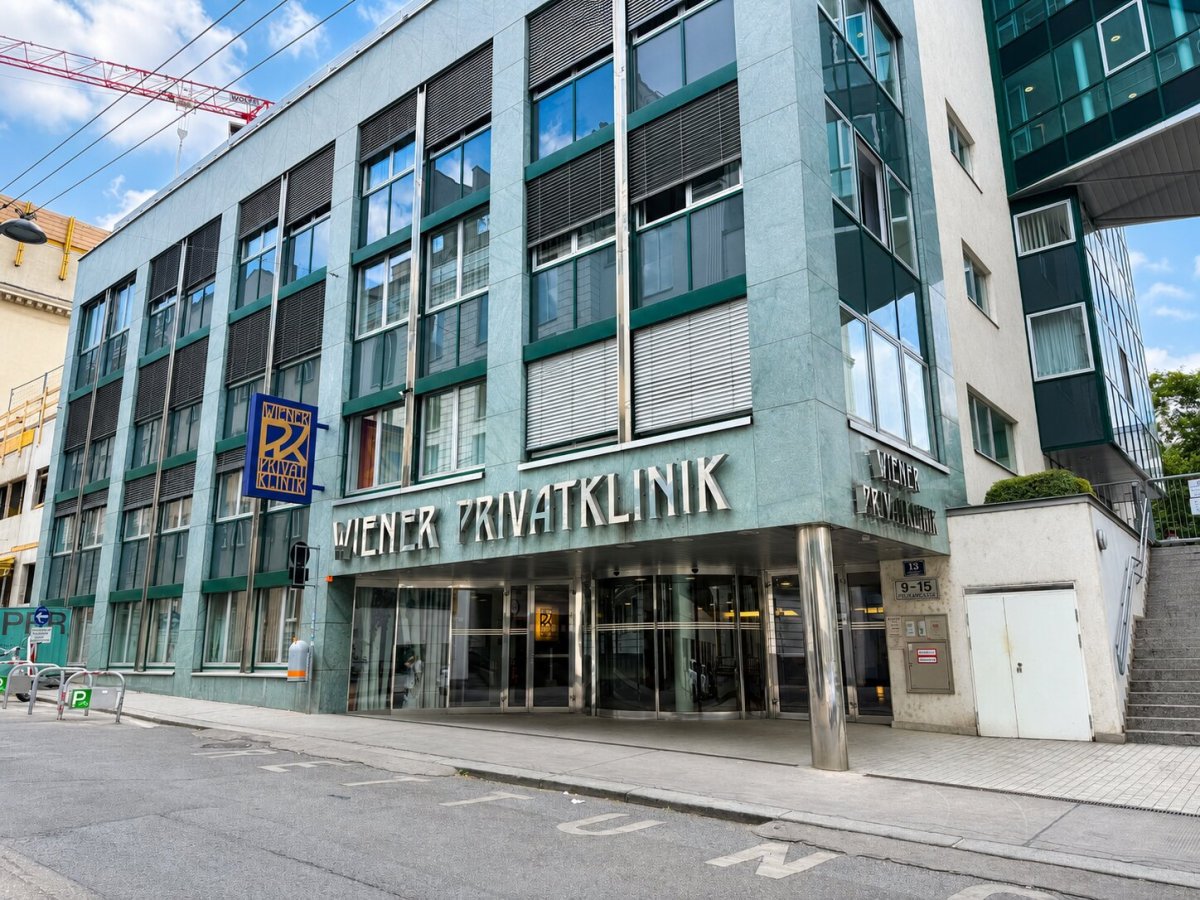
Coronary stenting in Austria is offered by Wiener Privatklinik, an ISO-certified clinic in Vienna. The clinic is rated 4.6/5 in 175 verified patient reviews on Bookimed.

Medically reviewed by
Hasim Ustunsoy
How Much Does Coronary stenting Cost in Austria?
Coronary stenting in Austria typically costs from $9,500 to $14,500. The final price depends on the stent type, hospital stay duration, and clinic tier. In the US, similar procedures cost around $36,500 on average. Patients save around 67% compared to US prices. This range usually covers the surgical procedure, medical materials, and standard inpatient care.
- Stent technology: Using drug-eluting stents or bioresorbable scaffolds often increases the base procedure cost.
- Diagnostic imaging: Pre-operative CT scans or MRIs can add significant costs to the medical bill.
- Regional hubs: Main cardiac centers are located in Vienna, Graz, and Salzburg.
- Clinical setting: Private facilities in Vienna may charge 10-12% more than regional Austrian clinics.
Bookimed Expert Insight: Choosing a facility like Wiener Privatklinik provides access to professors from the Medical University of Vienna. This clinic is recognized by Newsweek as one of the world's best hospitals. For complex cases, seeking specialists like Professor Marek Ehrlich is a smart move. He has managed major aneurysm programs since 2010 and trained at Stanford and Mount Sinai.
| Turkey | Austria | Spain | |
|---|---|---|---|
| Coronary stenting | from $1,100 | ≈ $9,500 | from $11,000 |
Your Benefits and Guarantees with Bookimed
Transparent Prices & Flexible Installments
No hidden fees – just official clinic prices. Pay at the clinic for Coronary stenting upon arrival and use a flexible installment plan if needed.
Verified Clinics & Doctors Only
Bookimed is committed to your safety. We only work with medical institutions that maintain high international standards in Coronary stenting and have the necessary licenses to serve international patients worldwide.
Free 24/7 Assistance
Bookimed offers free expert assistance. A personal medical coordinator supports you before, during, and after your treatment, solving any issues. You're never alone on your Coronary stenting journey.

Your personal Bookimed medical coordinator
- Supports you at every stage
- Helps choose the right clinic and doctor
- Ensures quick and convenient access to information
Discover the Best Coronary stenting Clinics in Austria: 1 Verified Option and Prices






Coronary stenting Overview in Austria
Day 1: Arrival
- Arrive at the airport.
- Transfer to the hotel.
Day 2: Pre-Operation
- Consult with cardiologists and interventional radiologists.
- Perform a CT angiography.
- Prepare for the coronary stenting procedure.
Day 3: Coronary Stenting
- Admission to the hospital.
- Undergo coronary stenting under local anesthesia.
- The procedure lasts 1-2 hours.
Day 4: Post-Operation
- Stay in the hospital for observation.
- Receive care from the medical team.
Day 5: Discharge
- Get discharged from the hospital.
- Transfer back to the hotel.
Week 1-2: Rehabilitation
- Take prescribed medications.
- Follow a heart-healthy diet.
Week 3-4: Rehabilitation
- Gradually return to work and daily activities.
- Avoid strenuous exercises.
Week 5-6: Rehabilitation
- Resume more strenuous activities.
- See the final result of the procedure.
Please note that each patient"s experience may vary. These are typical steps and timeframes for coronary stenting.
- Bookimed deposit: $200 or €200.
- Clinic deposit: Pay a set percentage in advance.
As the leading global medical tourism platform, we have a huge responsibility to our clients — both patients and medical centers. All the information provided on Bookimed.com related to Coronary stenting in Austria is grounded in research, foresight, and expertise and meets high interest related to the product and follows:
Smart automatic ranking system
We form our listings of clinics and doctors with strict regulations of our smart automatic ranking system. The system is based on real Bookimed patient rates to provide the most objective and transparent information about clinics and medical services related to Coronary stenting in Austria there.
Our experienced data scientist collects data daily, monitors and optimizes the ranking system using machine learning and artificial intelligence to ensure that the ranking system is up-to-date and provides accurate results.
Real people"s experience only
We collect the opinions of Bookimed clients only after getting medical experience with the clinic related to Coronary stenting in Austria — so everyone on the platform can trust the facility they choose. We strive to make the content on our platform as useful as possible and ensure the freedom to express critical opinions. Thus, we publish positive and negative reviews, aiming at being a source for informed decision-making for our future clients.
Topics with high levels of expertise, authority, and trustworthiness
On Bookimed.com related to Coronary stenting in Austria, you may find choice and convenience to find the best medical solutions from top medical services providers just in one place, and often at competitive prices. Making sure to deliver the freshest information, the clinic’s representatives update doctors’ CVs, clinics’ capacities, before-after pictures, prices, packages, and specials by themselves shortly. You may meet the clinic’s representative and check the date of updated content at every clinic’s page to make sure of its trustworthiness.
Our blog and supportive pieces related to Coronary stenting in Austria are created by professional authors with at least 3-year experience in medical writing and edited by medical specialists with relevant clinical and research expertise — all carefully recruited to the team. We strive to enhance patient access to health information, making it expert but easy to understand. All pieces follow the Bookimed’s Editorial Guidelines.
Bookimed values
We are made of people and for people — and that"s our core value. That"s why all the data presented on the platform related to Coronary stenting in Austria is collected, edited, reviewed, and updated regularly by our patients, our partner clinics, and our team, including the Bookimed Medical Advisory Board, which consists of the world-renowned doctors with value expertise over 20 years of practice, and a positive reputation. Learn more about us and our mission.
In case you find any mistake or have any questions on the information presented on Bookimed.com related to Coronary stenting in Austria, please feel free to contact us at marketing@bookimed.com.
Our Doctors
View all Doctors
Marek Ehrlich
Professor Ehrlich manages the aneurysm program at Vienna General Hospital, with over 100 publications in aneurysm surgery.
- Specialized in cardiac surgery since 2005
- Trained at Mount Sinai Hospital in New York
- Fluent in English and Polish for international patients
- Published extensively on neuroprotection in aortic surgery

Christoph Kopp
Dr. Christoph Kopp is a senior cardiologist and angiologist at Wiener Privatklinik in Vienna. He has performed vascular interventions since 2001 and interventional cardiology since 2007. Dr. Kopp specializes in catheter-based techniques for coronary artery disease and hypertension. He focuses on early detection through advanced cardiac imaging and stress testing.
- Expert in coronary angiography, echocardiography, and carotid artery ultrasound.
- Treats complex conditions like atrial fibrillation, heart failure, and myocardial infarction.
- Introduced modern catheter-based techniques at Wiener Privatklinik.
- Works at a Newsweek-ranked hospital certified by ISO standards.
Video Stories from Bookimed Patients
Reviews about Bookimed: Discover Patients' Insights
All reviewsShare this content
 Anna Leonova
Fast Facts about Coronary stenting

Coronary stenting
Coronary stenting is a cardiac procedure involving the placement of a stent to keep arteries open and improve blood flow.
FAQ about Coronary stenting in Austria
What kind of follow-up medication is required after getting a coronary stent?
Coronary stent follow-up requires Dual Antiplatelet Therapy (DAPT), combining aspirin with a P2Y12 inhibitor like clopidogrel or ticagrelor. This protocol prevents stent thrombosis during the high-risk 6 to 12-month healing period. Austrian specialists at centers like Wiener Privatklinik also prescribe statins for vascular stabilization.
- Dual antiplatelet therapy: Combines low-dose aspirin with ticagrelor or clopidogrel for 6–12 months.
- Plaque stabilization: High-dose statins like atorvastatin stabilize artery walls and manage cholesterol.
- Heart protection: Beta-blockers or ACE inhibitors regulate blood pressure and reduce oxygen demand.
- Gastric support: Proton pump inhibitors may be added to manage stomach irritation from thinners.
Bookimed Expert Insight: While basic DAPT is standard, Austrian cardiologists often adjust therapy duration based on endovascular findings. High-volume centers in Vienna prioritize individualized timelines for patients with complex cases. This precision approach balances clotting prevention with bleeding risks effectively.
Patient Consensus: Many patients emphasize reporting side effects like reflux or bruising early. Consistent medication adherence during the first year is vital for long-term stent success.
What types of stents are typically used during the procedure?
Coronary stenting in Austria primarily utilizes drug-eluting stents (DES) as the clinical standard. These advanced devices release medication to prevent artery re-narrowing. Specialists also offer bioresorbable scaffolds that dissolve over time and bare-metal stents for patients with specific blood-thinning medication needs.
- Drug-eluting stents: Coated with medication to minimize scar tissue growth and restenosis risks.
- Bioresorbable scaffolds: Temporary structures designed to dissolve completely within 12 to 24 months.
- Bare-metal stents: Uncoated mesh used when patients cannot tolerate long-term antiplatelet therapy.
- Premium brands: Doctors use top-tier models like Abbott Xience, Medtronic Resolute, and Boston Scientific Synergy.
Bookimed Expert Insight: Leading Austrian specialists like Prof. Dr. Marek Ehrlich at Vienna General Hospital utilize advanced angiography for precise stent sizing. Data shows that matching the stent model to vessel anatomy, often 2.0–3.0 mm, significantly improves long-term outcomes. Many top-rated clinics in Vienna integrate these high-end brands into procedures within 30 specialized departments.
Patient Consensus: Patients emphasize that drug-eluting stents are the default choice for heart cases. Most recommend asking your cardiologist for the specific model name and size for your records.
What is the expected hospital stay and recovery time after a stent procedure?
Most patients undergo a stent procedure with same-day discharge or a 1-night hospital stay for observation. Recovery for light activities typically takes 1 to 2 weeks, while full physical labor or heavy exercise usually requires 3 to 6 weeks to ensure the arterial access site heals completely.
- Hospital duration: Expect discharge within 4–8 hours or after 1 night of monitoring.
- Access site impact: Wrist access allows faster discharge than groin access due to bleeding risks.
- Daily activities: Return to light desk work and driving within 3 to 7 days.
- Physical restrictions: Avoid heavy lifting over 10–20 pounds for at least 2 weeks.
Bookimed Expert Insight: Austria offers a high density of Newsweek-ranked facilities like Wiener Privatklinik. Data shows patients often choose these clinics for the advanced radial access technique. This approach significantly reduces the mandatory lying-flat time compared to femoral access, often cutting hospital stays by 50% for elective cases.
Patient Consensus: Patients frequently report that soreness at the entry wound is the primary concern during the first 48 hours. Most feel surprised by how quickly they can walk, yet emphasize the importance of having someone drive them home after discharge.
Where are the primary medical hubs for cardiac interventions in Austria?
Primary medical hubs for cardiac interventions in Austria center on Vienna, Innsbruck, Graz, and Linz. These hubs feature university hospitals and specialized private clinics holding ISO 9001 certifications and Newsweek honors. Facilities like Vienna General Hospital (AKH) lead in complex coronary stenting and heart transplantation protocols.
- Vienna hub: Houses AKH and Wiener Privatklinik, performing high-volume coronary and vascular interventions.
- Innsbruck center: Serves the western alpine region for complex congenital defects and valve therapies.
- Graz anchor: Provides interdisciplinary 3D electrophysiology mapping and advanced coronary artery bypass grafting.
- Upper Austria: Kepler University Hospital specializes in endoscopic heart-valve reconstructions and coronary stenting.
Bookimed Expert Insight: While Vienna General Hospital (AKH) is the largest academic hub, private facilities like Wiener Privatklinik (WPK) offer faster access to specialists. WPK holds multiple Newsweek World's Best Hospitals awards and serves over 12,000 patients yearly. This balance between public academic power and private efficiency defines the Austrian cardiac landscape.
Patient Consensus: Patients emphasize that Vienna is the primary destination for heart-related operations. They often recommend seeking referrals to specific experts in Graz for highly unusual or complex vascular cases.