Plasmapheresis in Austria — Get 3 Top Clinic Matches with Costs
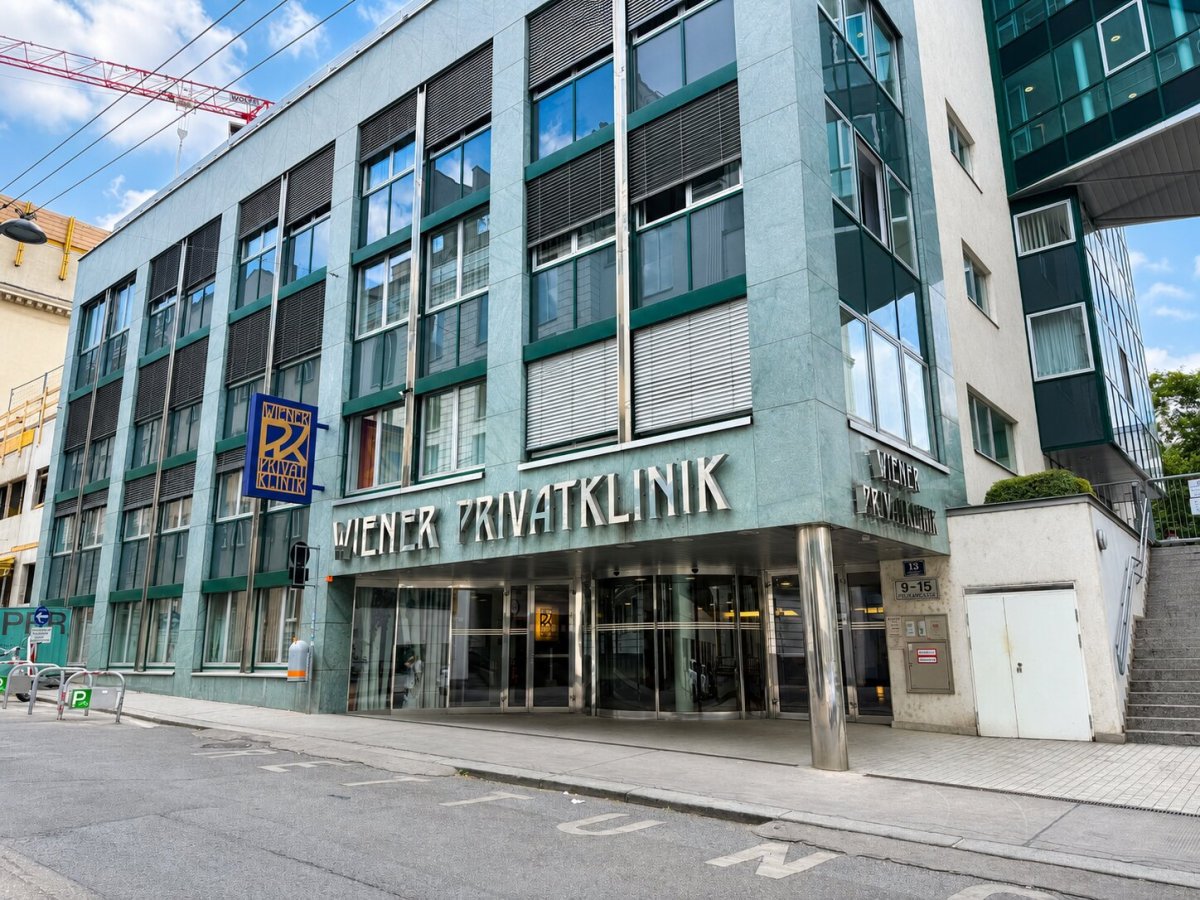
Plasmapheresis in Austria is offered by Wiener Privatklinik, an ISO-certified clinic in Vienna. The clinic is rated 4.6/5 in 175 verified patient reviews on Bookimed.


Medically reviewed by
Fahad Mawlood
How Much Does Plasmapheresis Cost in Austria?
Plasmapheresis in Austria typically costs from $1,500 to $3,200. The final price depends on the number of sessions and the specific medical condition treated. In the US, similar procedures cost around $6,800 on average. Patients save around 65% compared to US rates. Treatment usually includes clinical consultations, laboratory tests, disposables, and specialist supervision.
- Per session rate: $1,500 to $3,200 for a single therapeutic exchange.
- Advanced filtration: Specialized techniques like INUSpheresis or H.E.L.P. apheresis typically add 20-30% premium.
- Treatment courses: Multi-session packages for chronic conditions often reduce the cost per individual procedure.
- Administrative hubs: Vienna is the primary destination for private apheresis with high-tier medical infrastructure.
Bookimed Expert Insight: Choosing a facility like Wiener Privatklinik provides access to professors from the Medical University of Vienna. This clinic is ranked among the World's Best Hospitals 2021 by Newsweek. While sessions start around $2,000, the value lies in having 400+ physicians available. For international patients, the multilingual environment ensures clear communication during complex blood filtration protocols.
| Turkey | Austria | Spain | |
|---|---|---|---|
| Plasmapheresis | from $3,200 | ≈ $1,500 | from $12,000 |
Your Benefits and Guarantees with Bookimed
Transparent Prices & Flexible Installments
No hidden fees – just official clinic prices. Pay at the clinic for Plasmapheresis upon arrival and use a flexible installment plan if needed.
Verified Clinics & Doctors Only
Bookimed is committed to your safety. We only work with medical institutions that maintain high international standards in Plasmapheresis and have the necessary licenses to serve international patients worldwide.
Free 24/7 Assistance
Bookimed offers free expert assistance. A personal medical coordinator supports you before, during, and after your treatment, solving any issues. You're never alone on your Plasmapheresis journey.

Your personal Bookimed medical coordinator
- Supports you at every stage
- Helps choose the right clinic and doctor
- Ensures quick and convenient access to information
Discover the Best Plasmapheresis Clinics in Austria: 1 Verified Option and Prices






Plasmapheresis Overview in Austria
Day 1
- Arrive in the country and transfer to your accommodation.
- Rest and acclimatize to the new environment.
Day 2
- Visit the clinic for a consultation with the doctor.
- Undergo necessary medical tests as directed by the doctor.
Day 3
- Review test results with the doctor.
- Prepare for the Plasmapheresis procedure.
Day 4
- Undergo the Plasmapheresis process, which lasts 2-4 hours.
- No anesthesia is used during this procedure.
Day 5
- Stay in the clinic for monitoring and any necessary post-procedure care.
Day 6
- Discharge from the clinic if no complications are observed.
Day 7
- Rest and recuperate at your accommodation.
Week 2
- Follow-up with the doctor to assess your recovery progress.
Week 3
- Continue to rest and recuperate as required.
- Return to normal activities as advised by the doctor.
Please note that each patient"s case is individual and the provided schedule is an approximate plan. The actual process may vary based on individual health conditions and the doctor"s advice.
- Bookimed deposit: $200 or €200.
- Clinic deposit: Pay a set percentage in advance.
As the leading global medical tourism platform, we have huge responsibility before our clients — both patients and medical centers. All the information provided on Bookimed.com is grounded in research, foresight, and expertise and meets high interest related to the product and follows:
Smart automatic ranking system
We form our listings of clinics and doctors with strict regulations of our smart automatic ranking system. The system is based on real Bookimed patient rates to provide the most objective and transparent information about clinics and medical services in Austria there.
Our experienced data scientist collects data daily, monitors and optimizes the ranking system using machine learning and artificial intelligence to ensure that the ranking system is up-to-date and provides accurate results.
Real people"s experience only
We collect the opinions of Bookimed clients only after getting medical experience with the clinic in Austria — so everyone on the platform can trust the facility they choose. We strive to make the content on our platform as useful as possible and ensure the freedom to express critical opinions. Thus, we publish positive and negative reviews, aiming at being a source for informed decision-making for our future clients.
Topics with high levels of expertise, authority, and trustworthiness
On Bookimed.com you may find choice and convenience to find the best medical solutions from top medical services providers in Austria just in one place, and often at competitive prices. Making sure to deliver the freshest information, the clinic’s representatives update doctors’ CVs, clinics’ capacities, before-after pictures, prices, packages, and specials by themselves shortly. You may meet the clinic’s representative and check the date of updated content at every clinic’s page in Austria to make sure of its trustworthiness.
Our blog and supportive pieces are created by professional authors with at least 3-year experience in medical writing and edited by medical specialists with relevant clinical and research expertise — all carefully recruited to the team. We strive to enhance patient access to health information, making it expert but easy to understand. All pieces follow the Bookimed’s Editorial Guidelines.
Bookimed values
We are made of people and for people — and that"s our core value. That"s why all the data presented on the platform is collected, edited, reviewed, and updated regularly by our patients, our partner clinics in Austria, and our team, including the Bookimed Medical Advisory Board, which consists of the world-renowned doctors with value expertise over 20 years of practice, and a positive reputation. Learn more about us and our mission.
In case you find any mistake or have any questions on the information presented on Bookimed.com, please feel free to contact us at marketing@bookimed.com.
Reviews about Bookimed: Discover Patients' Insights
All reviewsShare this content
Video Stories from Bookimed Patients
 Anna Leonova

FAQ about Plasmapheresis in Austria
Who is eligible to donate plasma in Austria?
Eligible plasma donors in Austria must be healthy adults aged 18 to 60, weighing between 50 kg and 150 kg. Regular donors may continue past age 60 with medical approval. Candidates require a valid photo ID and proof of residence in Austria or neighboring countries.
- Health status: Must be in good physical and mental health without any acute illnesses.
- Medical screening: A staff doctor evaluates vital signs and reviews a detailed health questionnaire.
- Weight limits: Body weight must fall strictly between 50 kg and 150 kg range.
- Temporary deferrals: Tattoos, piercings, or endoscopies require a mandatory 4-month waiting period before donating.
Bookimed Expert Insight: While basic criteria are nationwide, centers like Wiener Privatklinik emphasize laboratory screening for safety. Blood samples are tested for infectious diseases before every batch of plasma is cleared. This rigorous protocol maintains high quality across major Austrian networks like BioLife and Europlasma.
Patient Consensus: Donors recommend eating high-protein meals and drinking water before appointments. Small donors should expect extra scrutiny regarding iron levels and hydration to prevent fainting.
How often can you donate plasma?
Plasma donation frequency depends on the facility type and local health regulations. At private centers, you can typically donate twice within a rolling 7-day period. Non-profit organizations usually limit donations to once every 28 days to ensure total protein levels and long-term donor health remain stable.
- Minimum interval: Wait 48 hours between visits to allow your body to replenish liquid volume.
- Annual limits: Non-profit donors are capped at 13 sessions per year for safety reasons.
- Basic requirements: Donors must be 18 years old and weigh at least 110 pounds.
- Vital screenings: Every session requires checks for blood pressure, temperature, and iron levels.
Bookimed Expert Insight: Donors in Austria often find higher standards at specialized centers like Wiener Privatklinik. Professional medical environments prioritize protein monitoring more stringently than high-volume commercial centers. Maintaining consistent sleep and salt intake can significantly improve your recovery between twice-weekly sessions.
Patient Consensus: Many donors emphasize that hydration and eating before your appointment prevent dizziness. While the first few sessions feel easy, frequent donors warn that fatigue can build up over time.
What medical conditions are treated with therapeutic plasmapheresis?
Therapeutic plasmapheresis treats severe autoimmune and hematological conditions by removing harmful antibodies, immune complexes, and abnormal proteins from the blood. It is a vital frontline therapy for neurological disorders like Guillain-Barre syndrome and life-threatening blood conditions such as thrombotic thrombocytopenic purpura.
- Neurological disorders: Treats myasthenia gravis, chronic inflammatory demyelinating polyneuropathy, and acute multiple sclerosis relapses.
- Hematological conditions: Manages hyperviscosity syndrome in Waldenstrom macroglobulinemia and life-critical blood clotting disorders.
- Renal diseases: Addresses rapidly progressive glomerulonephritis and Goodpasture syndrome to prevent organ failure.
- Transplant care: Used for antibody-mediated rejection and desensitization before organ transplant procedures.
Bookimed Expert Insight: Clinics in Austria, such as Wiener Privatklinik, benefit from close ties with the Medical University of Vienna. These facilities often provide plasmapheresis as a high-precision rescue therapy for complex oncology and cardiovascular cases. While common in some regions as a detox, Austrian centers strictly apply it to antibody-driven medical emergencies.
Patient Consensus: Patients describe the procedure as an intense but life-saving bridge. Most emphasize that while it reduces symptoms quickly, it is physically draining and requires repeated sessions to manage underlying conditions.