Get Heart Surgery Costs in India

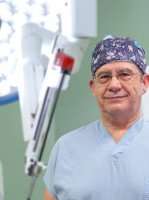
Medically reviewed by
Hasim Ustunsoy
What's the cost for Heart Surgery procedures in India?
Heart surgery in India typically costs from $6,600 to $15,600. Total expenses depend on the surgical technique, hospital accreditation, and the length of the intensive care stay. Patients often find 70-85% savings compared to the US while receiving treatment at internationally recognized medical centers.
Typical Heart Surgery Costs in India
- Consultation with creation of treatment plan: $60 – $80
- Coronary angiography: $500 – $700
- Coronary artery bypass grafting: $5,500 – $8,800
- Heart Valve Replacement: $6,000 – $6,500
- Installing heart pacemaker: $6,000 – $7,500
- Open heart surgery: $6,500 – $10,500
- Coronary stenting: $3,500 – $4,000
- Transcatheter aortic valve implantation (TAVI): $18,000 – $32,000
- Aortic aneurysm surgery: $7,500 – $12,000
- Radiofrequency ablation: $3,000 – $4,800
Major cardiac centers are located in New Delhi, Mumbai, Chennai, and Bangalore. Prices in Chennai and Hyderabad are sometimes 10-20% lower than in Delhi or Mumbai. Consult with a cardiac specialist to get accurate pricing for your specific medical case.
| India | Turkey | Austria | |
|---|---|---|---|
| Transluminal Arterial Angioplasty (PTA) and Stenting | ≈ $3,200 | from $2,600 | ≈ $7,200 |
| Transcatheter aortic valve implantation (TAVI) | from $18,000 | from $20,500 | ≈ $28,000 |
| Replacement of the aortic valve | from $7,000 | from $13,300 | ≈ $32,000 |
| Radiofrequency ablation with 3D mapping | ≈ $4,800 | ≈ $4,800 | ≈ $9,500 |
| Radiofrequency ablation | from $3,000 | from $5,000 | ≈ $7,500 |
All Heart Surgery conditions
Your Benefits and Guarantees with Bookimed
Transparent Prices & Flexible Installments
No hidden fees – just official clinic prices. Pay at the clinic for Heart Surgery treatment upon arrival and use a flexible installment plan if needed.
Verified Clinics & Doctors Only
Bookimed is committed to your safety. We only work with medical institutions that maintain high international standards in Heart Surgery treatment and have the necessary licenses to serve international patients worldwide.
Free 24/7 Assistance
Bookimed offers free expert assistance. A personal medical coordinator supports you before, during, and after your treatment, solving any issues. You're never alone on your Heart Surgery treatment journey.

Your personal Bookimed medical coordinator
- Supports you at every stage
- Helps choose the right clinic and doctor
- Ensures quick and convenient access to information
Best Heart Surgery Clinics in India: 66 Verified Options and Prices



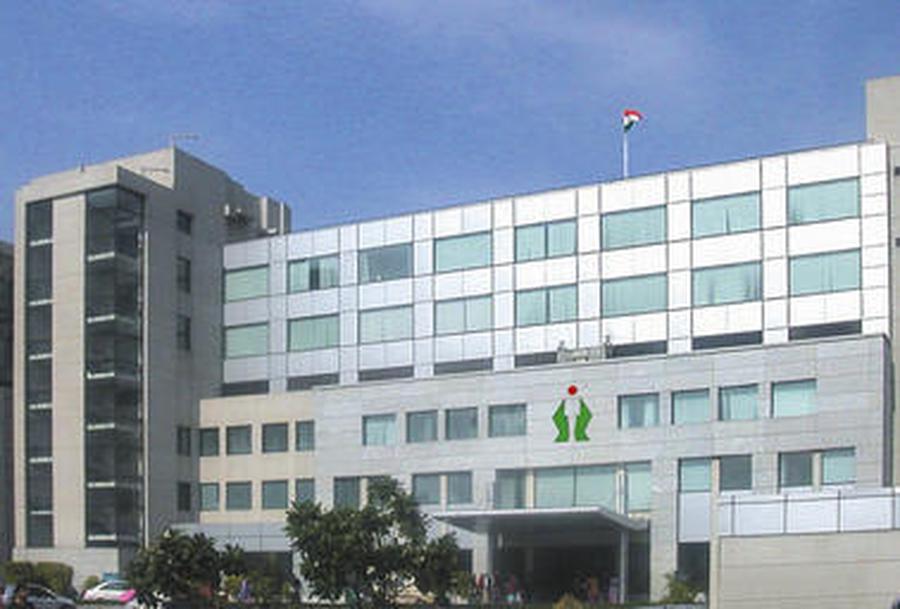






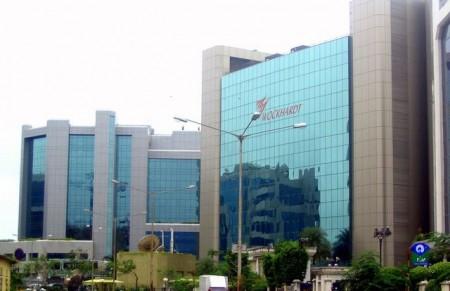
Wockhardt Hospital





Top Heart Surgery centers in India
- Artemis Hospitals, India
- Fortis Escorts Heart Institute, India
- Apollo Hospital Indraprastha, India
- Fortis Gurgaon, India
- Medanta Hospital, India
- Wockhardt Hospital, India
- Kokilaben Dhirubhai Ambani , India
- Manipal Hospitals, India
- Global Hospital Chennai, India
- BLK Super Speciality Hospital, India
Our Trusted Doctors
View all Doctors
Ritwick Raj Bhuyan

Praveer Agarwal

Niti Chadha Negi
Krishna Prasad
Reviews about Bookimed: Discover Patients' Insights
All reviewsRelated Articles

How much does the thoracic aortic aneurysm cost?
Written by Veronika Kazina
Share this content
Video Stories from Bookimed Patients
 Anna Leonova
FAQ about Heart Surgery in India
Which are the top hospitals for heart surgery in India and why?
India hosts some of the highest-rated cardiac centers globally, featuring JCI-accredited facilities and surgeons with over 15,000 procedures performed. Leading hospitals like Fortis Escorts, Apollo Indraprastha, and Medanta provide advanced robotic-assisted surgery and specialized pediatric care with 96% to 99% success rates.
- Fortis Escorts: Reports a 99% success rate for bypass and complex pediatric cardiac surgeries.
- Apollo Indraprastha: Operates one of the largest transplant centers with 300,000+ total cardiac procedures.
- Medanta Hospital: Specializes in robotic heart surgery and hybrid operating suites for redo operations.
- Global Hospital: Achieves an 85–90% success rate in high-risk heart and lung transplants.
Bookimed Expert Insight: Volume translates directly into safety in India. Hospitals like Manipal and Apollo serve over 1,000,000 patients annually across their networks. This massive scale allows surgeons like Dr. Ajay Kaul to perform 15,000+ operations, creating a level of procedural expertise rarely found in lower-volume Western clinics.
Patient Consensus: Patients note that top results depend on choosing a specific surgeon rather than just a hospital brand. They appreciate that private centers like Apollo provide clear cost estimates and dedicated teams to handle travel logistics and language needs.
What is the success rate for heart surgery in India?
Heart surgery success rates in India range from 95% to 99% for major procedures. These outcomes align with global medical standards. High-volume, JCI-accredited centers perform over 1,000,000 cardiac procedures annually. This extensive experience contributes to high survival rates and low complication risks across the country.
- Bypass surgery (CABG): Success rates typically range from 95% to 98% at specialized hospitals.
- Valve replacement: Major cardiac centers report success rates between 90% and 95%.
- Pediatric surgery: Specialized centers achieve 97% success for common congenital defect repairs.
- Heart transplants: Success rates for organ transplants range from 85% to 90%.
Bookimed Expert Insight: Data from top-tier facilities shows a direct link between procedure volume and safety. For instance, Global Hospital Chennai and Apollo Hospital Indraprastha manage over 1,000,000 patients yearly. This massive scale allows surgeons like Dr. Ajay Kaul to perform 15,000+ cardiac surgeries. Large networks often achieve 99% survival rates for elective cases due to this concentrated expertise.
Patient Consensus: Patients often note that the level of care in India matches Western standards but stays more accessible. Many emphasize the importance of choosing JCI-accredited hospitals to ensure the highest safety protocols during recovery.
What warning signs should I monitor after surgery?
Post-operative monitoring after heart surgery in India focuses on detecting infection, cardiovascular distress, and blood clots early. Patients must track physiological shifts like temperature, heart rhythm, and breathing. Immediate medical attention is required for sharp chest pain or sudden respiratory changes. These can indicate pleural effusion or pulmonary embolism.
- Infection signals: Monitor for fever above 101°F or foul-smelling drainage from incision sites.
- Cardiovascular distress: Watch for palpitations, skipped beats, or irregular heartbeat patterns.
- Respiratory warning: Seek help for shortness of breath at rest or minimal activity.
- Clot indicators: Check for calf pain, localized leg warmth, or sudden limb numbness.
Bookimed Expert Insight: Indian cardiac centers like Global Hospital Chennai and Medanta often perform 10,000+ surgeries. These high volumes mean staff quickly recognize subtle recovery shifts. Patients should maintain a 4-week symptom log for these details. This log helps surgeons at BLK Super Speciality Hospital or Artemis verify recovery during follow-up visits.
Patient Consensus: Patients emphasize distinguishing between manageable surgical soreness and sharp, radiating pain. Many note that having a family member present helps bridge communication gaps and ensures complications are reported faster.
Are minimally invasive and robotic heart surgery options available?
Minimally invasive and robotic heart surgery is widely available in specialized Indian cardiac centers. Surgeons perform these complex procedures through 4–6 cm incisions using da Vinci robotic systems. This approach avoids cutting the breastbone. It is used for valve repairs, coronary bypass, and defect closures.
- Available technologies: Centers use advanced da Vinci robotic systems for high-precision cardiac interventions.
- Recovery time: Patients typically return to normal activities within 2–4 weeks after surgery.
- Hospital discharge: Robotic heart surgery patients often experience a 3-day typical hospital discharge.
- Specialized procedures: Options include mitral valve repair, beating heart surgery, and total arterial revascularization.
- Clinic credentials: Leading facilities hold JCI and National Board for Hospitals & Healthcare Providers (NABH) accreditations.
Bookimed Expert Insight: India's largest private networks often consolidate robotic expertise in specific hubs. Fortis Gurgaon is ranked as the second most technically advanced hospital globally. Facilities like Apollo Hospital Indraprastha serve 1 million patients annually. This massive volume allows surgeons to maintain high proficiency in robotic valve and bypass procedures.
Patient Consensus: Patients note that robotic approaches significantly reduce physical trauma. One patient highlighted that a specialized coordinator helped manage the entire process in just 2 days. This made the international travel for surgery much less stressful than attempting to contact multiple hospitals alone.
How long does recovery after heart surgery in India usually take?
Recovery after heart surgery in India typically takes 6 to 12 weeks for a full return to normal activities. Patients usually spend 5 to 10 days in JCI-accredited hospitals like Apollo Hospital Indraprastha or Medanta Hospital. Initial healing focuses on the sternum during the first 6 weeks.
- Hospital stay: Patients typically remain hospitalized for 5 to 10 days post-surgery.
- Initial recovery: Most patients regain basic mobility and light activity within 4 to 6 weeks.
- Travel clearance: International patients usually require 4 to 6 weeks before flying home safely.
- Full healing: Complete breastbone recovery and return to heavy labor takes 3 to 6 months.
Bookimed Expert Insight: Data from high-volume centers like Global Hospital Chennai, where Dr. Sandeep Attawar has performed 10,000+ surgeries, shows that integrated physiotherapy starts on day 3. Clinics with on-site rehabilitation facilities often help patients return to desk work in just 4 weeks. Choosing a facility with a dedicated transplant program often ensures more intensive post-operative monitoring for complex cases.
Patient Consensus: Patients note that while they were walking within 3 days, managing lingering fatigue required about 5 months of patience. Many suggest arranging a driver for the first 6 weeks as steering and shifting gears can strain the healing chest bone.
What support services are available for international patients?
Indian cardiac centers provide comprehensive support through dedicated international patient departments. These teams coordinate medical visas, airport transfers, and local accommodations. Facilities like Apollo Hospital Indraprastha and Medanta Hospital serve thousands of global patients annually with specialized logistics, language interpretation, and financial guidance.
- Travel coordination: Includes medical visa invitation letters and free VIP airport pickups.
- Language support: Professional interpreters and English-speaking staff assist with clinical consultations.
- Accommodation assistance: Clinics arrange stays in hospital guest houses or discounted nearby hotels.
- Care management: Dedicated coordinators manage appointments, medical records, and post-operative follow-up care.
Bookimed Expert Insight: High-volume centers like Manipal Hospitals and Global Hospital Chennai often integrate recovery into their support. Our data shows clinics serving over 1,000,000 patients annually typically provide 24/7 personal navigators. These experts handle everything from local SIM cards to coordinating follow-ups via WhatsApp for up to 6 months.
Patient Consensus: Patients appreciate when hospitals arrange reliable drivers who speak English and assist with local sightseeing. They often suggest exchanging currency before arrival and confirming if specific support services are bundled to avoid extra costs.