Transluminal Arterial Angioplasty (PTA) and Stenting in Turkey — Get 3 Top Clinic Matches with Costs
Transluminal arterial angioplasty and stenting in Turkey costs $2,600 to $4,300, compared with about $24,000 in the US (Bookimed data, November 2026). Bookimed lists 6 transluminal arterial angioplasty and stenting clinics in Turkey, in Istanbul, Antalya, and Kayseri, including JCI-accredited clinics. These clinics are rated 4.6/5 in 376 verified patient reviews on Bookimed.


Medically reviewed by
Fahad Mawlood
How Much Does Transluminal Arterial Angioplasty (PTA) and Stenting Cost in Turkey?
Transluminal Arterial Angioplasty (PTA) and Stenting in Turkey typically costs from $2,600 to $4,300. The final price depends on the artery location, stent type, and the clinic's city. In the US, similar procedures cost around $24,000 on average. Turkey offers savings of around 85%. Standard packages often include the procedure, pre-operative blood work, and hospital stays.
- Coronary stenting: Typically ranges from $950 to $4,100 for heart artery interventions.
- Carotid stenting: Often starts around $5,000 for procedures involving the neck arteries.
- Vertebral artery stenting: Usually starts from $1,150 to $3,800 depending on complexity.
- Peripheral vascular stenting: Generally starts from $5,000 for leg or arm artery treatments.
Bookimed Expert Insight: Choosing JCI-accredited hubs in Istanbul provides high-value care with advanced diagnostics. For instance, Medipol Bahçelievler Hospital offers competitive rates starting approximately $2,500. Clinics like Hisar Hospital Intercontinental utilize advanced IVUS and OCT imaging for precision. Memorial Bahçelievler Hospital provides eco-friendly environments with packages typically running about $4,750. This ensures patients receive top-tier technology and comfortable recoveries at a fraction of US costs.
| Turkey | Austria | Spain | |
|---|---|---|---|
| Transluminal Arterial Angioplasty (PTA) and Stenting | from $2,600 | ≈ $7,200 | ≈ $7,800 |
Your Benefits and Guarantees with Bookimed
Transparent Prices & Flexible Installments
No hidden fees – just official clinic prices. Pay at the clinic for Transluminal Arterial Angioplasty (PTA) and Stenting upon arrival and use a flexible installment plan if needed.
Verified Clinics & Doctors Only
Bookimed is committed to your safety. We only work with medical institutions that maintain high international standards in Transluminal Arterial Angioplasty (PTA) and Stenting and have the necessary licenses to serve international patients worldwide.
Free 24/7 Assistance
Bookimed offers free expert assistance. A personal medical coordinator supports you before, during, and after your treatment, solving any issues. You're never alone on your Transluminal Arterial Angioplasty (PTA) and Stenting journey.

Your personal Bookimed medical coordinator
- Supports you at every stage
- Helps choose the right clinic and doctor
- Ensures quick and convenient access to information
Discover the Best Transluminal Arterial Angioplasty (PTA) and Stenting Clinics in Turkey: 20 Verified Options and Prices







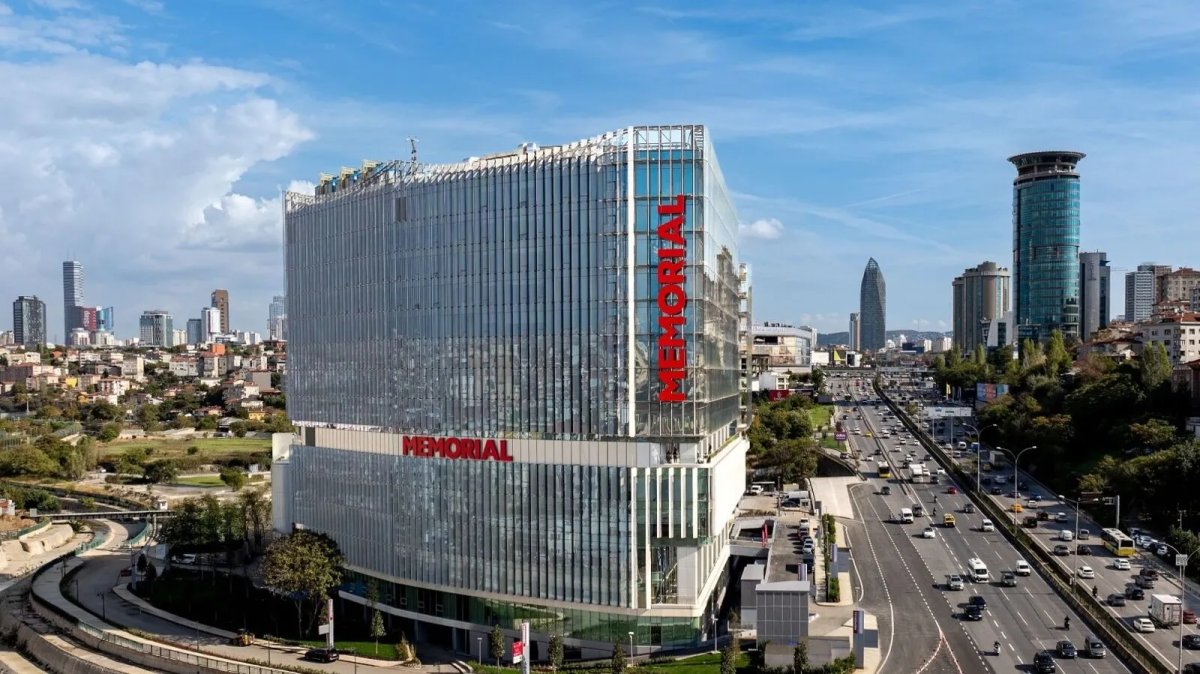
Memorial Göztepe Hospital

Hisar Hospital Intercontinental
Ibrahim Halil Tanboga







Valued Med Hub Hospitals
Sahin Kaplan


Medicalpoint International Hospital
Cihan Altin





Transluminal Arterial Angioplasty (PTA) and Stenting Overview in Turkey
- Peripheral Vascular Stenting - from $3,800This treatment opens narrowed vessels via small tubes, aiding blood flow and reducing pain, providing quick recovery.
- Angioplasty - from $1,200This therapy expands narrowed arteries, using a small balloon and stent, improving blood flow effectively and safely.
- Carotid Angioplasty and Stenting - from $9,000The procedure widens narrowed neck arteries via balloon inflation and stent placement, mitigating stroke risk.
- Intracranial Arterial Angioplasty and Stenting - from $7,000Opening up narrowed brain arteries with a stent to prevent stroke, enhancing blood flow efficiently.
- Vertebral Artery Angioplasty and Stenting - from $6,000The operation involves dilating narrowed vertebral arteries and placing a stent, improving blood flow to reduce stroke risks.
- Transluminal Arterial Angioplasty (PTA) and Stenting - from $2,600This therapy widens narrowed blood vessels using a balloon and places a stent for ongoing openness, improving blood flow.
Day 1 - Arrival
- Arrive at the hospital and check-in.
- Settle into your individual chamber.
- Initial consultation with a cardiologist.
Day 2 - Pre-operation
- Undergo necessary medical tests.
- Complete blood tests as recommended.
- Pre-operation consultation with the surgical team.
Day 3 - PTA and Stenting Procedure
- Begin the procedure under local anesthesia.
- Angioplasty takes place via a small incision.
- Stent is inserted post-angioplasty.
- Procedure duration is approximately two hours.
Day 4 - Post-operation
- Rest in your room post-procedure.
- Monitor your condition closely.
- Stay in the hospital for observation.
Week 1 - Rehabilitation
- Begin gentle physical therapy.
- Consultations with a nutritionist to plan a heart-healthy diet.
- Cardiologist follow-up for progress check.
Week 2 - Rehabilitation
- Continue physical therapy.
- You can return to work if your job is not physically demanding.
- Begin light exercise such as walking.
Week 6 - Rehabilitation
- Resume regular activities.
- Continue following a heart-healthy diet.
- See the final result of the procedure.
Please note that the process can vary slightly for each patient depending on individual health conditions. Always consult with your medical team for personalized care.
- Bookimed deposit: $200 or €200.
- Clinic deposit: Pay a set percentage in advance.
Our Trusted Doctors
View all DoctorsIbrahim Halil Tanboga
Prof. Dr. Ibrahim Halil Tanboga specializes in arterial interventions including PTA and stenting, with extensive training at prestigious institutions like St Thomas Hospital in London.
- High expertise in coronary artery disease diagnosis and treatment
- Skilled in advanced techniques like IVUS and FFR for precise interventions
- Member of the European Society of Cardiology
- Special focus on structural heart diseases and valve treatments

Mustafa Saglam
Prof. Mustafa Saglam specializes in endovascular procedures, including Transluminal Arterial Angioplasty (PTA) and Stenting, at Hisar Hospital Intercontinental.
- Head of the Cardiology Department since 2016
- Expert in stress tests for coronary artery diseases
- Performs balloon valvuloplasty and temporary pacemaker implantation
- Trained at Koşuyolu Heart Teaching and Research Hospital

Fatih Mehmet Ucar
Specializes in Transluminal Arterial Angioplasty (PTA) and Stenting at Istanbul Florence Nightingale Hospital – trained in electrophysiology at Germany Lübeck Hospital.
- Associate Professor at Trakya University Faculty of Medicine
- Completed electrophysiology training at TC. Ministry of Health Türkiye Higher Specialization Training and Research Hospital
- Member of the European Society of Cardiology and European Arrhythmia Association
- Observant doctor at Cleveland Clinic, United States

Bulent Polat
Video Stories from Bookimed Patients
Reviews about Bookimed: Discover Patients' Insights
All reviews



Share this content
 Anna Leonova

Fast Facts about Transluminal Arterial Angioplasty (PTA) and Stenting
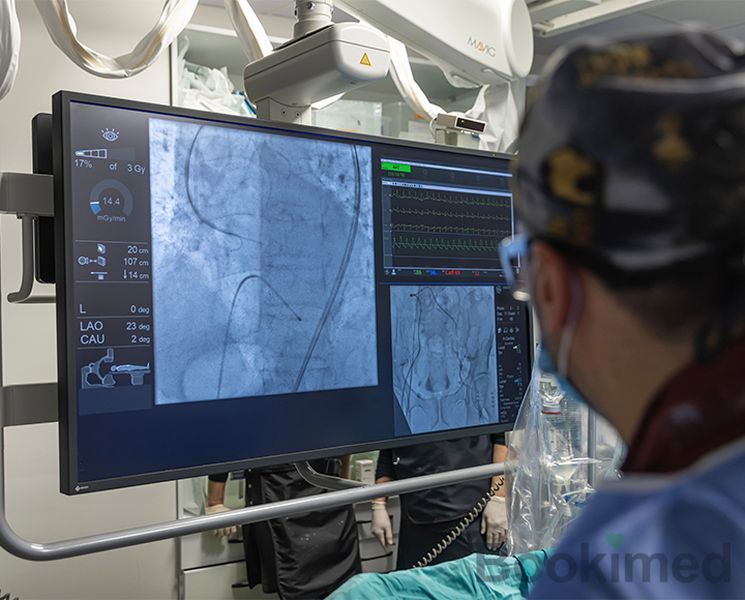
Transluminal Arterial Angioplasty (PTA) and Stenting
This procedure involves using a balloon catheter to widen blocked or narrowed arteries, often followed by placing a stent to keep the artery open and restore blood flow.
FAQ about Transluminal Arterial Angioplasty (PTA) and Stenting in Turkey
Is Percutaneous Transluminal Angioplasty (PTA) with stenting in Turkey safe, and what complications should I know about?
Percutaneous Transluminal Angioplasty (PTA) with stenting is highly safe in Turkey, boasting success rates between 90% and 95%. Procedures occur in JCI-accredited facilities using advanced imaging like intravascular ultrasound (IVUS) and optical coherence tomography (OCT) to ensure precise stent placement and minimize vascular damage.
- Surgeon expertise: Turkish professors often complete fellowships at institutions like Royal Brompton Hospital in London.
- Clinical technology: Top centers utilize fractional flow reserve (FFR) to confirm the necessity of stenting.
- Access methods: Surgeons offer transradial access which reduces site bleeding risks by 70% compared to femoral.
- Safety protocols: Facilities like Memorial Şişli Hospital were among the first 21 globally to earn JCI-accreditation.
Bookimed Expert Insight: Data from high-volume centers like Hisar Hospital Intercontinental shows that the safest outcomes involve using drug-eluting stents (DES) rather than bare-metal options. While DES may have a slightly higher upfront cost, they significantly lower the risk of restenosis, which is a common long-term complication in peripheral artery procedures.
Patient Consensus: Patients emphasize the importance of a strict post-procedure medication plan. Many highlight that following dual antiplatelet therapy is essential to prevent rare but serious blood clots inside the stent.
What are the qualification and accreditation standards for doctors performing PTA and stenting in Turkey?
Doctors performing PTA and stenting in Turkey must be licensed specialists in cardiology, cardiovascular surgery, or interventional radiology. They undergo 6 years of medical school followed by a 4 to 6-year residency and a mandatory Turkish Ministry of Health Specialty Certificate. Many hold European Society of Cardiology Board certification.
- Specialist qualification: Practitioners must complete a 4-6 year residency in cardiology or radiology.
- Mandatory licensing: Surgeons must possess a Specialty Certificate from the Turkish Ministry of Health.
- Hospital accreditation: Leading centers like Hisar Hospital Intercontinental maintain Joint Commission International (JCI) accreditation.
- Device standards: All stents must be registered in the Turkish Product Tracking System (ÜTS).
Bookimed Expert Insight: Look for professors at high-volume centers like Medipol Mega, which serves 1,000,000 patients annually. Our data shows top-tier Turkish interventionalists often pursue fellowships at prestigious institutions like the Cleveland Clinic or St. Thomas Hospital in London. This international training is a key differentiator for complex endovascular cases.
Patient Consensus: Patients recommend verifying a surgeon's university affiliation and requesting specific case logs. Many prioritize JCI-accredited facilities over smaller clinics to ensure stricter safety protocols and lower complication rates.
What results can I realistically expect from PTA and stenting – changes in blood flow, pain relief, long-term patency?
Patients typically experience immediate blood flow restoration and significant relief from intermittent claudication within 24 to 48 hours. Technical success rates for opening blocked arteries reach 90-96%, often improving the ankle-brachial index from 0.4 to 0.9 overnight in specialized JCI-accredited centers.
- Blood flow restoration: Expect 80-100% immediate flow improvement confirmed by Doppler ultrasound.
- Pain relief: Walking distance often increases from 50 meters to 500 meters pain-free.
- Long-term patency: One-year patency rates typically range from 66% to 82% depending on lesion.
- Recovery milestones: Most patients achieve full mobility and return to activity within 3-7 days.
Bookimed Expert Insight: Data from top Istanbul clinics like Hisar Hospital Intercontinental show that choosing drug-eluting technology over bare-metal stents is the single biggest factor for durability. While standard stents may see patency drop to 58% at 5 years, drug-eluting options maintain significantly higher success. Patients should prioritize surgeons like Dr. Hasan Yucel, who has performed over 10,000 vascular interventions, to ensure precise placement and lower re-intervention risks.
Patient Consensus: Many patients find that leg heaviness disappears almost instantly, though sticking to the 6-month antiplatelet medication schedule is the hardest but most vital part of keeping the artery open. Longevity of the result often depends on lifestyle changes, as smoking cessation can actually double the odds of the stent staying clear.
How long is the typical hospital stay and total recovery period after PTA and stent placement?
A typical hospital stay for PTA and stent placement in Turkey ranges from same-day discharge to 2 days. While patients often return to light activities within 1 week, achieving full recovery and site healing generally takes 1 to 6 weeks depending on the arterial access method.
- Hospital stay: Most elective cases require 0 to 2 days for post-procedure monitoring.
- Initial recovery: Return to light desk work and driving typically occurs in 2 to 3 days.
- Physical restrictions: Avoid heavy lifting over 10 to 20 lbs for at least 2 weeks.
- Access site: Radial wrist access allows for faster mobilization compared to femoral groin incisions.
Bookimed Expert Insight: Turkish cardiac centers center their recovery protocols on the access point used. Data from clinics like Hisar Hospital Intercontinental shows that radial access patients often recover 2x faster than femoral cases. If your surgeon uses the wrist instead of the groin, you can often expect discharge within 10 hours rather than an overnight stay.
Patient Consensus: Patients frequently mention feeling fine initially but experiencing a wave of fatigue around the second week. While light walking is encouraged on day 1, significant bruising is common due to required blood-thinning medications.
What medical pre-tests must be completed prior to the intervention, and what does a standard package in Turkey cover?
Pre-tests for Transluminal Arterial Angioplasty (PTA) and stenting in Turkey include complete blood counts, coagulation profiles, kidney function tests, and an electrocardiogram (ECG). Standard packages at JCI-accredited clinics usually bundle these lab tests, imaging like Doppler ultrasound, hospital stays, and VIP transfers into one price.
- Imaging requirements: Doppler ultrasound or CT/MR angiography confirms vessel blockage site.
- Cardiac screening: Electrocardiogram (ECG) assesses heart rhythm before endovascular intervention.
- Blood panels: CBC, electrolytes, and kidney function ensure safe contrast dye processing.
- Package inclusions: Surgery, anesthesia, hospital stay, 4-star hotel, and airport transfers.
Bookimed Expert Insight: While many clinics like Hisar Hospital Intercontinental offer all-inclusive pricing, the most comprehensive plans include advanced intraoperative imaging like IVUS or OCT. These technologies allow surgeons to place stents with higher precision. Choosing a package with these features can significantly improve long-term vessel patency.
Patient Consensus: Patients recommend confirming in writing that Doppler scans and post-stent imaging are included. Obtaining baseline tests at home can help avoid rushed evaluations and clarify which specific labs are covered by the Turkish clinic.
What post-procedure guidelines should I follow after leaving Turkey (medication, compression, follow-up schedule)?
Post-procedure care after angioplasty and stenting in Turkey requires strict adherence to dual antiplatelet therapy (DAPT) and specialized incision site management. Patients must coordinate with a local cardiologist within 7 days of return to monitor the stent and manage long-term medication protocols.
- Medication management: Take aspirin and clopidogrel exactly as prescribed to prevent stent thrombosis.
- Access site care: Maintain site compression for 24–48 hours and avoid lifting over 10 lbs.
- Follow-up schedule: Book a local cardiology review 1 week post-return for baseline imaging.
- Documentation: Secure a British or English discharge summary listing the specific stent model.
Bookimed Expert Insight: Clinics like Hisar Hospital Intercontinental and Anadolu Medical Center use international standards that align with US protocols. This is vital because home insurance often requires specific stent serial numbers and material data (drug-eluting vs. bare metal) to cover follow-up ultrasounds. Always request these details in English before discharge to avoid diagnostic delays at home.
Patient Consensus: Patients emphasize that dual antiplatelet therapy is non-negotiable for 6–12 months. Many recommend securing a local specialist appointment before even flying to Turkey to ensure seamless continuity of care.
Who is a good candidate and who should not have PTA with stenting?
Good candidates for PTA with stenting include patients with symptomatic arterial blockages of 50–70% or greater who do not improve with medication. This procedure is ideal for treating focal lesions, chronic occlusions, and high-risk surgical patients in JCI-accredited Turkish facilities.
- Symptomatic blockages: Persistent chest or leg pain limiting daily movement despite medical therapy.
- High-grade stenosis: Arterial narrowing of 50–90% in carotid, coronary, or peripheral vessels.
- Specific lesions: Highly effective for focal lesions, calcified arteries, or long-segment blockages.
- Contraindications: Not recommended for patients with iodine allergies or severe kidney disease.
- Medical necessity: Patients must safely tolerate long-term antiplatelet therapy to prevent clotting.
Bookimed Expert Insight: Data from top Istanbul centers like Anadolu Medical Center shows a focus on focal lesions for 5-year success. Patients with diffuse disease over 5cm often face higher reocclusion risks. Choosing a professor like Ibrahim Halil Tanboga ensures access to advanced diagnostics like IVUS or OCT.
Patient Consensus: Patients emphasize that clearing focal blockages results in immediate relief for leg pain. Many suggest confirming good distal blood flow through an angiogram before scheduling the full stenting procedure.