Get Maxillofacial Surgery Costs in Lithuania


Medically reviewed by
Fahad Mawlood
What's the cost for Maxillofacial Surgery procedures in Lithuania?
| Turkey | Austria | |
|---|---|---|
| Orthognathic surgery | from $3,400 | ≈ $13,500 |
| Mandibular osteotomy | from $5,000 | ≈ $9,500 |
| Jaw Implant | from $3,500 | ≈ $5,800 |
Your Benefits and Guarantees with Bookimed
Transparent Prices & Flexible Installments
No hidden fees – just official clinic prices. Pay at the clinic for Maxillofacial Surgery treatment upon arrival and use a flexible installment plan if needed.
Verified Clinics & Doctors Only
Bookimed is committed to your safety. We only work with medical institutions that maintain high international standards in Maxillofacial Surgery treatment and have the necessary licenses to serve international patients worldwide.
Free 24/7 Assistance
Bookimed offers free expert assistance. A personal medical coordinator supports you before, during, and after your treatment, solving any issues. You're never alone on your Maxillofacial Surgery treatment journey.

Your personal Bookimed medical coordinator
- Supports you at every stage
- Helps choose the right clinic and doctor
- Ensures quick and convenient access to information
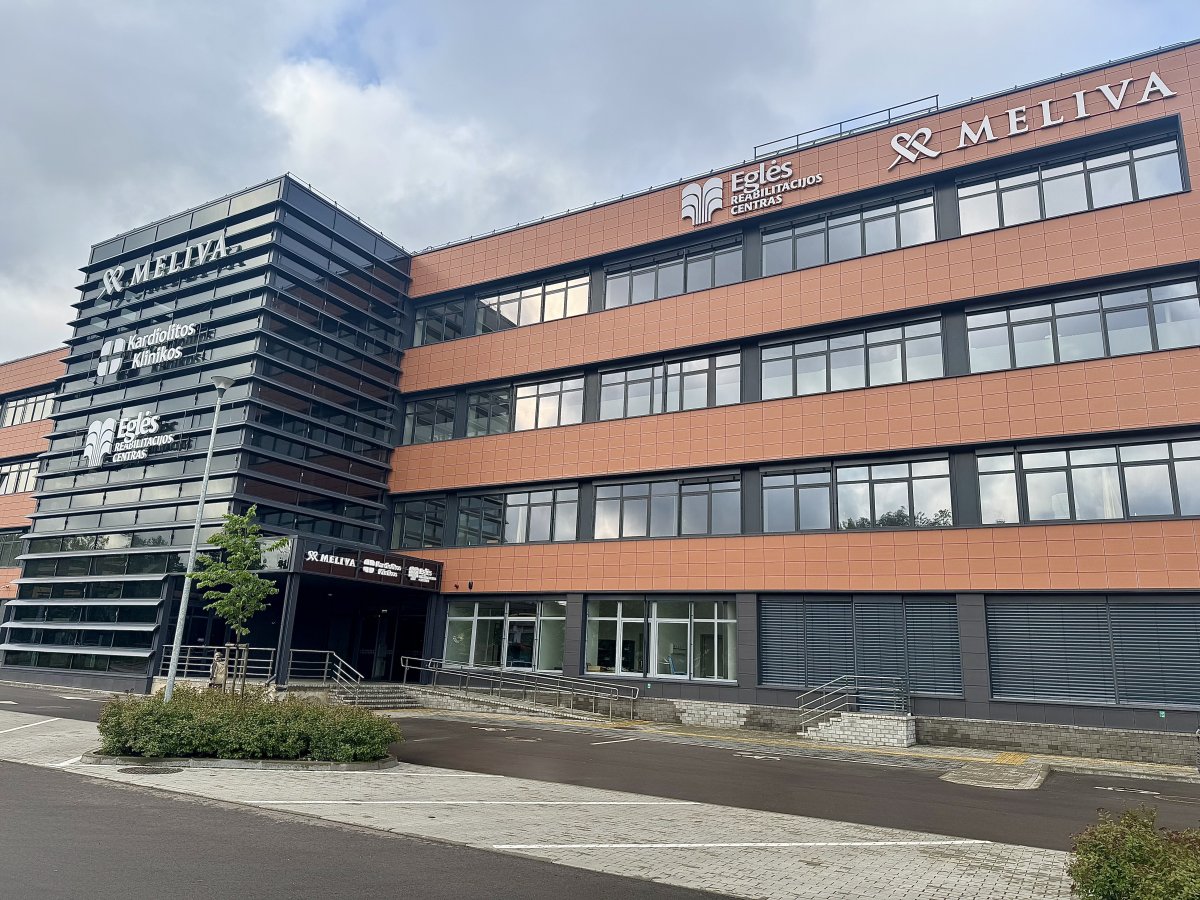
Best Maxillofacial Surgery Clinics in Lithuania: 1 Verified Option and Prices

Share this content
Video Stories from Bookimed Patients
 Anna Leonova

FAQ about Maxillofacial Surgery in Lithuania
Is maxillofacial surgery safe in Lithuania?
Maxillofacial surgery in Lithuania is safe. Clinics follow strict European Union medical regulations. Facilities like Meliva Kardiolita Hospital hold Joint Commission International (JCI) accreditation. This ensures high safety and quality standards. Lithuanian surgeons complete training that aligns with all EU healthcare requirements.
- Clinic accreditation: Meliva Kardiolita Hospital maintains Joint Commission International (JCI) standards for safety.
- EU standards: Medical protocols in Lithuania must strictly align with European Union health regulations.
- High volume: Leading hospitals like Meliva Kardiolita treat 298,000 patients annually across 33 departments.
- Infection control: Patients report modern equipment and high success in avoiding post-operative infections.
Bookimed Expert Insight: Hospitals with high patient volumes often provide better safety for international travelers. Meliva Kardiolita Hospital manages 298,000 cases yearly. This massive scale allows them to employ 510 doctors. Large teams mean specialized support is always available for complex maxillofacial cases.
Patient Consensus: Patients note that choosing clinics in Vilnius helps with communication. They suggest using remote monitoring apps to bridge any gaps during follow-up care.
What are the qualifications of maxillofacial surgeons in Lithuania?
Lithuanian maxillofacial surgeons must hold a medical doctorate (MD). They complete 5 to 6 years of specialized residency. This training aligns with European Union Directive 2005/36/EC. Many surgeons also hold a dental degree. This creates a dual-qualified expertise for complex cases.
- Medical education: Professionals finish 6 years of medical school before specializing.
- Specialized residency: Surgeons undergo 5+ years of oral and maxillofacial training.
- EU certification: Degrees meet European Union standards for mutual medical recognition.
- Clinical scope: Qualifications cover oncology, trauma surgery, and complex facial reconstruction.
Bookimed Expert Insight: Quality indicators in Lithuania often link to high-volume multi-specialty centers. Meliva Kardiolita Hospital serves 298,000 patients annually. This massive volume ensures surgeons maintain peak technical proficiency. Large facilities also hold JCI accreditation. This confirms their surgical protocols meet international safety standards.
Patient Consensus: Patients often note that these surgeons are far more than dentists. They appreciate that specialists handle everything from nerve repair to bone grafting. Many find the dual medical and dental backgrounds very reassuring.
What are the risks and recovery process for maxillofacial surgery in Lithuania?
Lithuanian maxillofacial centers manage risks like nerve numbness and infection through rigid fixation and nerve-sparing techniques. Facilities like Meliva Kardiolita Hospital prioritize safety with JCI-accredited protocols. Surgeons utilize advanced imaging to protect facial nerves. Most patients resume normal activities after a 6-week recovery period.
- Nerve protection: Surgeons use nerve-sparing techniques to minimize long-term sensory changes.
- Infection control: Facilities provide 5-day prophylactic antibiotic courses to prevent post-operative complications.
- Bite stability: Rigid fixation plates and long-term retainers prevent potential alignment relapse.
- Emergency readiness: JCI-accredited hospitals provide ICU backup for immediate intra-operative vascular management.
Bookimed Expert Insight: Our data shows high-volume centers in Vilnius, like Meliva Kardiolita Hospital, handle 298,000 patients annually. This massive scale ensures surgeons maintain peak proficiency in complex facial reconstructions. Choosing a multidisciplinary hospital over a small clinic provides essential access to 33 specialized departments if needed.
Patient Consensus: Patients note that while the first week is intense, strict icing for 72 hours helps. They recommend preparing a liquid diet with protein shakes to support the 8-week healing phase.
How long do I need to stay in Lithuania after maxillofacial surgery?
Patients usually stay in Lithuania for 10 to 14 days after maxillofacial surgery. You can typically fly home once surgeons remove your sutures and confirm stable healing. This timeframe helps manage swelling and prevents complications from cabin pressure changes during your flight.
- Hospital stay: Expect 1 to 3 days of inpatient care for complex jaw procedures.
- Recovery period: Plan for 7 to 10 days in Vilnius for initial healing and monitoring.
- Suture removal: Surgeons usually remove stitches between day 7 and day 10 post-surgery.
- Flying clearance: Patients are generally cleared for air travel 10 to 14 days after surgery.
Bookimed Expert Insight: Meliva Kardiolita Hospital manages over 298,000 patients annually with a massive team of 510 doctors. Their high patient volume suggests efficient recovery protocols. We recommend booking flexible return tickets. This allows for a 3 to 5 day extension if post-op swelling lasts longer than expected.
Patient Consensus: Patients note it is important to pack for peak swelling during days 2 to 5. One patient shared they stayed 10 days total and felt ready to fly only after their final check-up.
What is included in maxillofacial surgery packages in Lithuania?
Typical maxillofacial surgery packages in Lithuania include the surgical procedure and general anesthesia. They cover 3–5 hospital nights with meals and necessary painkillers. Standard inclusions feature pre-operative scans and clinical consultations. One follow-up visit is usually bundled into the total price for international patients.
- Hospital stay: Includes 3–5 nights in a private room with full catering.
- Medical services: Covers surgeon fees, anesthesia, and all basic post-operative medications.
- Diagnostics: Includes essential pre-operative imaging like X-rays or basic CT scans.
- Logistics: Often provides airport pickup and local transfers to the medical facility.
Bookimed Expert Insight: Data from Meliva Kardiolita Hospital shows high-volume centers often operate more efficiently. This clinic treats 298,000 patients annually across 33 departments. Patients benefit from this scale because larger institutions typically have all diagnostic tools on-site. This reduces the time spent traveling between different facilities for tests.
Patient Consensus: Patients note that while surgery and stays are covered, orthodontist fees are separate. It is helpful to budget extra for liquid diet supplies and specialized compression gear.
Do maxillofacial surgeries in Lithuania leave visible scars?
Most maxillofacial surgery in Lithuania uses intraoral incisions to ensure no visible external scarring. Surgeons at JCI-accredited facilities like Meliva Kardiolita Hospital prioritize internal approaches. If external incisions are necessary, they follow natural skin folds or hairlines to remain discreet after 12 months.
- Incision location: Surgeons use intraoral or vestibular techniques to hide scars inside the mouth.
- Healing timeline: External scars typically fade and become virtually unnoticeable within 12 to 18 months.
- Management protocol: Using silicone gels immediately post-op significantly improves long-term skin texture and color.
- Skin protection: Avoiding sun exposure prevents scars from staying pink during the first year.
Bookimed Expert Insight: Data from Meliva Kardiolita Hospital shows high patient volumes of 298,000 annually. This large scale allows surgeons to master specialized internal suturing techniques. Consistent practice at such high-capacity centers often leads to cleaner healing outcomes for complex jaw alignment procedures.
Patient Consensus: Patients note that choosing an intraoral approach left them with no visible marks after 6 months. Many emphasize that following the post-op scar management routine is essential for the best results.
Which cities in Lithuania are best for maxillofacial surgery?
Kaunas and Vilnius offer the premier maxillofacial centers in Lithuania for medical tourists. Kaunas is the primary hub for complex jaw surgeries and orthognathic procedures. Vilnius provides high-capacity facilities like Meliva Kardiolita Hospital. Both cities feature specialists holding European Union board certifications.
- Specialized hub: Kaunas is the leading city for reconstructive and cosmetic jaw surgery.
- Clinical capacity: Meliva Kardiolita Hospital in Vilnius treats 298,000 patients every year.
- Recovery timeline: Private clinics in Kaunas report patients returning to work within 3 weeks.
- Accreditation standards: Major centers in Vilnius maintain Joint Commission International (JCI) accreditation.
Bookimed Expert Insight: Data shows a clear geographic specialization between the two main cities. While Vilnius centers like Meliva Kardiolita Hospital excel in high patient volumes and multi-specialty care, Kaunas clinics focus heavily on niche maxillofacial sets. Choosing Kaunas often results in shorter wait times for elective jaw procedures compared to the larger capital hospitals.
Patient Consensus: Patients often recommend flying directly into Kaunas for its specialized recovery packages and English-speaking staff. They emphasize that smaller practices there provide personalized care including organized hotel stays and local transport.