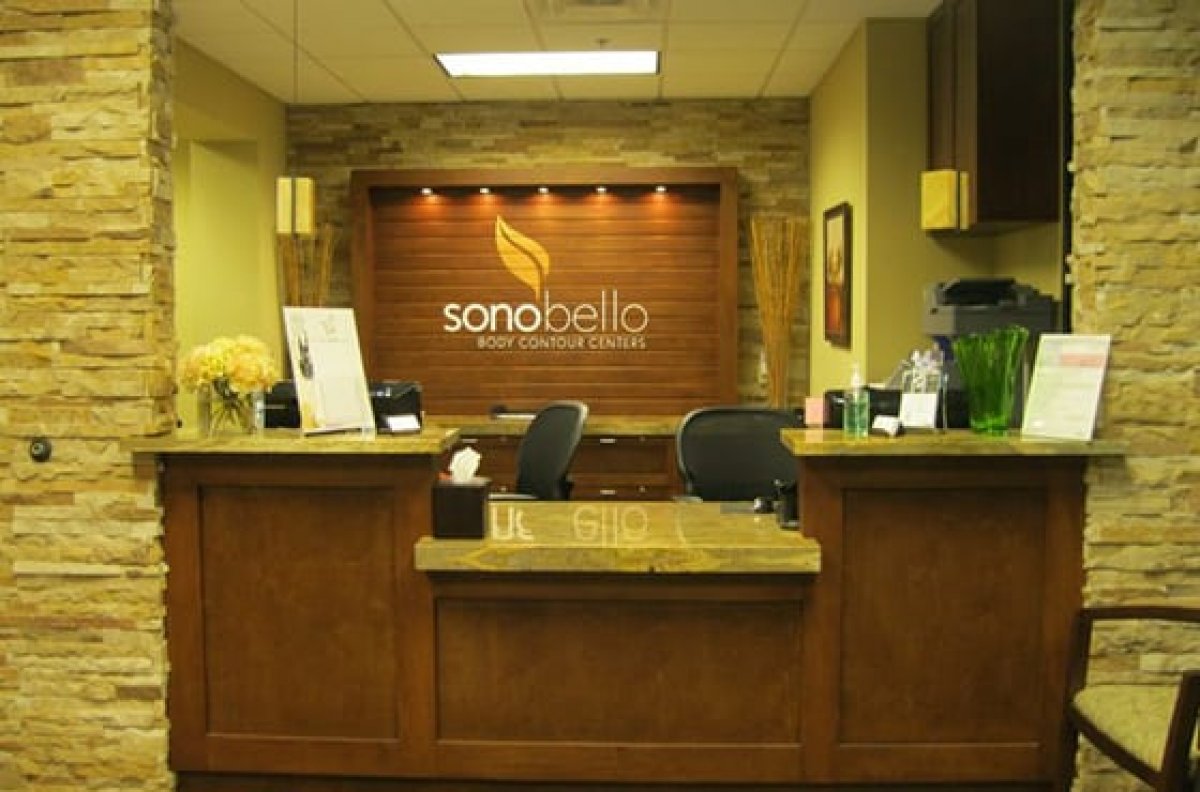
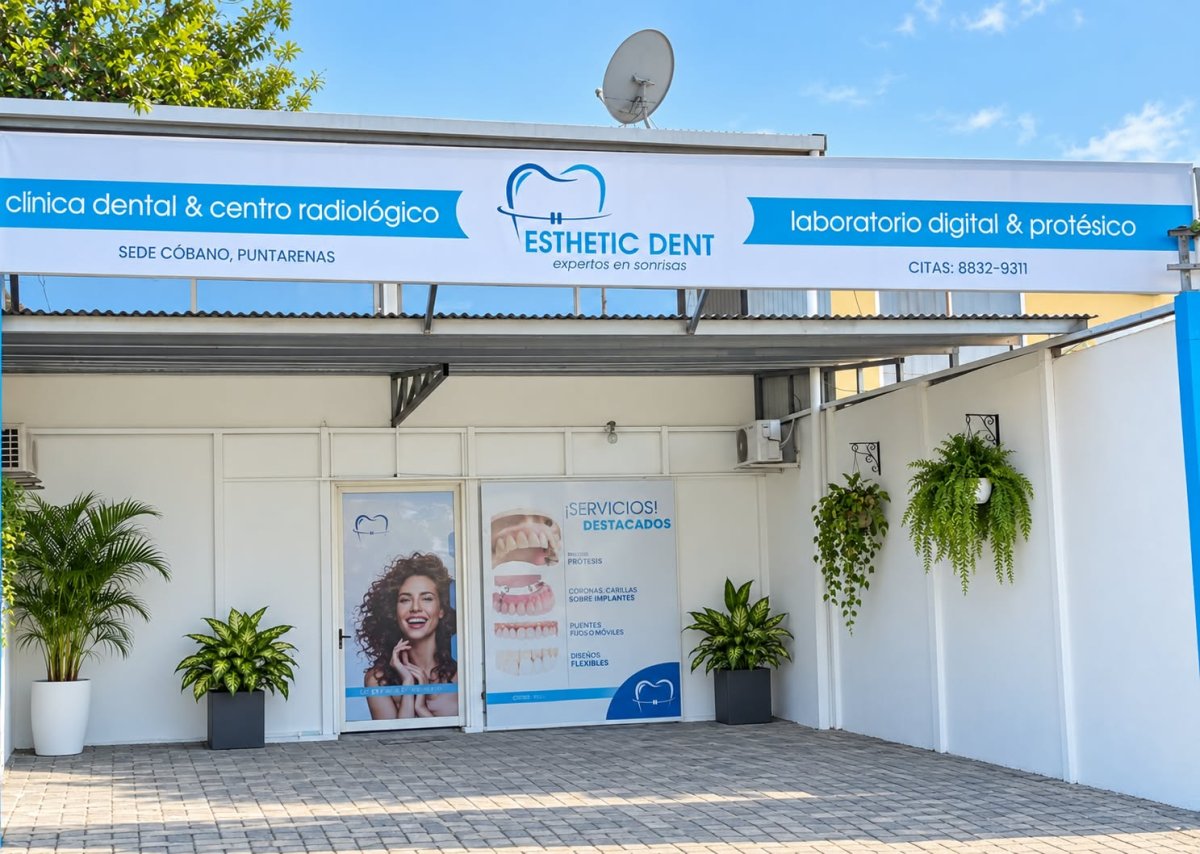
Stanford Plastic & Reconstructive Surgery Clinic in San Jose
Costa Rica, San José


Medically reviewed by
Fahad Mawlood
| Turkey | Austria | |
|---|---|---|
| Orthognathic surgery | from $3,400 | ≈ $13,500 |
| Mandibular osteotomy | from $5,000 | ≈ $9,500 |
| Jaw Implant | from $3,500 | ≈ $5,800 |
No hidden fees – just official clinic prices. Pay at the clinic for Maxillofacial Surgery treatment upon arrival and use a flexible installment plan if needed.
Bookimed is committed to your safety. We only work with medical institutions that maintain high international standards in Maxillofacial Surgery treatment and have the necessary licenses to serve international patients worldwide.
Bookimed offers free expert assistance. A personal medical coordinator supports you before, during, and after your treatment, solving any issues. You're never alone on your Maxillofacial Surgery treatment journey.

 Anna Leonova

Maxillofacial surgeons in Costa Rica complete 5–6 years of dental school followed by a 3–4 year specialized residency. Many train at the University of Costa Rica or ULACIT. Surgeons handling complex cases often hold international credentials from the US, Spain, or Mexico to enhance their expertise.
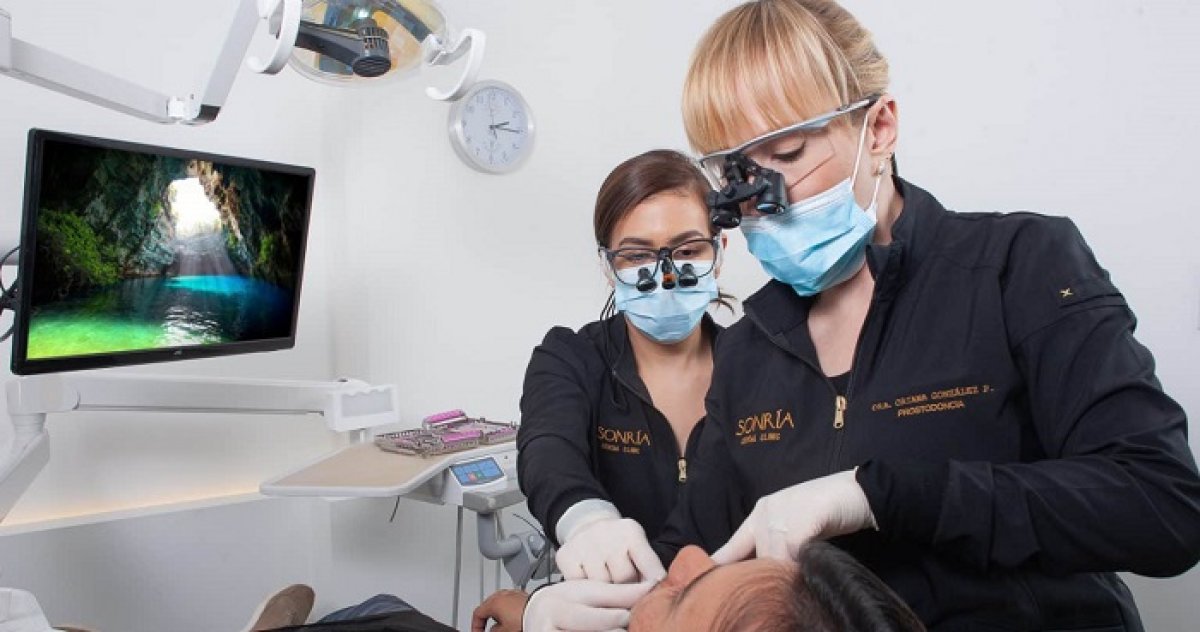
Bookimed Expert Insight: While high-tech facilities like Sonría Dental Clinic use state-of-the-art equipment, clinical longevity is a key quality signal in San José. Dentavac Dental Clinic has served 10,000+ patients over 25 years. This high volume suggests a deep level of practical experience with diverse surgical cases.
Patient Consensus: Patients suggest looking past clinic amenities to verify a surgeon's specific case volume for your procedure. It is helpful to ask for residency completion documents directly since online licensing databases can be difficult for English speakers to navigate.
Maxillofacial surgery in Costa Rica is generally safe when performed by board-certified specialists in San Jose. Key risks include temporary nerve numbness, infection, or hardware misalignment. Most patients recover fully within 2 to 4 weeks. Specialized clinics use meticulous digital planning to improve surgical outcomes.
Bookimed Expert Insight: Data from Dentavac Dental Clinic shows that high-volume centers with 28+ years of experience often have more streamlined recovery protocols. These established clinics in San Jose frequently provide free airport and clinic transfers. This logistics support is vital for maxillofacial patients who must avoid heavy lifting or stress during the first 72 hours.
Patient Consensus: Patients note it is vital to budget for an extended stay of up to 4 weeks. They also emphasize getting comprehensive travel insurance that specifically covers medical evacuations if any follow-up care is needed after returning home.
Corrective jaw surgery in Costa Rica utilizes advanced techniques like LeFort I osteotomy and Bilateral Sagittal Split Osteotomy (BSSO). Surgeons often employ Virtual Surgical Planning (VSP) and 3D-printed guides for precision. These procedures effectively correct malocclusion and facial asymmetry in modern facilities in San Jose.
Bookimed Expert Insight: Clinics in San Jose, such as Dentavac Dental Clinic, emphasize high patient volumes with over 10,000 cases. This experience often leads to smoother logistics, as these centers typically provide free private airport and hotel transfers. High-volume clinics often integrate 3D technologies more consistently than smaller practices.
Patient Consensus: Patients often recommend budgeting for a two-week recovery stay in Costa Rica after double jaw surgery. While results are generally praised, some suggest ensuring 3D planning portfolios are reviewed during the virtual consultation.
Post-operative recovery for maxillofacial surgery in Costa Rica typically lasts 2 to 6 weeks. Swelling usually peaks between days 3 and 5. Most patients manage discomfort by the second week. International patients should stay in-country for 10 to 14 days before flying home.
Bookimed Expert Insight: Clinics with high volume like Dentavac Dental Clinic, which has treated 10,000+ patients, often streamline the international follow-up process. They prioritize pre-flight clearance scans by day 10 to ensure patient safety before travel. Choosing a clinic with on-site laboratory technicians in San Jose can also speed up functional adjustments during your initial stay.
Patient Consensus: Patients note that the tropical heat in Costa Rica actually helps reduce swelling faster than cold climates. They recommend booking refundable flights and packing a blender for the first 2 weeks of recovery.
Maxillofacial surgeons in Costa Rica manage scars by using intraoral incisions and hidden anatomical placements. They position external cuts along natural skin folds, hairlines, or ear creases. Surgeons favor tension-free closure and subcuticular sutures. These techniques ensure healing lines remain nearly invisible to the naked eye.
Bookimed Expert Insight: Clinics in San Jose, such as Dentavac Dental Clinic, handle over 10,000 patients using FDA-approved materials. High-volume centers often offer integrated care where prosthetic specialists and surgeons collaborate. This teamwork ensures that bone reconstruction and soft tissue healing align perfectly for the best aesthetic outcome.
Patient Consensus: Patients note that while scars look prominent at two weeks, they fade significantly by six months. Using silicone gel sheets and following nutrition advice are key steps for those wanting the best healing results.
Patients typically stay 14 to 18 days in Costa Rica for maxillofacial surgery. This includes pre-operative planning and essential recovery time. Surgeons usually require a 5 to 7 day post-operative check before granting travel clearance. Costs range from _price_from_ to _price_to_.
Bookimed Expert Insight: Clinics with high patient volumes often streamline the recovery logistics for international visitors. Dentavac Dental Clinic has treated over 10,000 patients and offers free airport and clinic transfers. Choosing such experienced centers in San José can simplify the frequent travel needed for mandatory post-op checks.
Patient Consensus: Individuals advise staying very close to the clinic to make frequent follow-up appointments easier. They also suggest confirming all clearance requirements before arriving, as most surgeons strictly require in-person sign-offs before you fly.