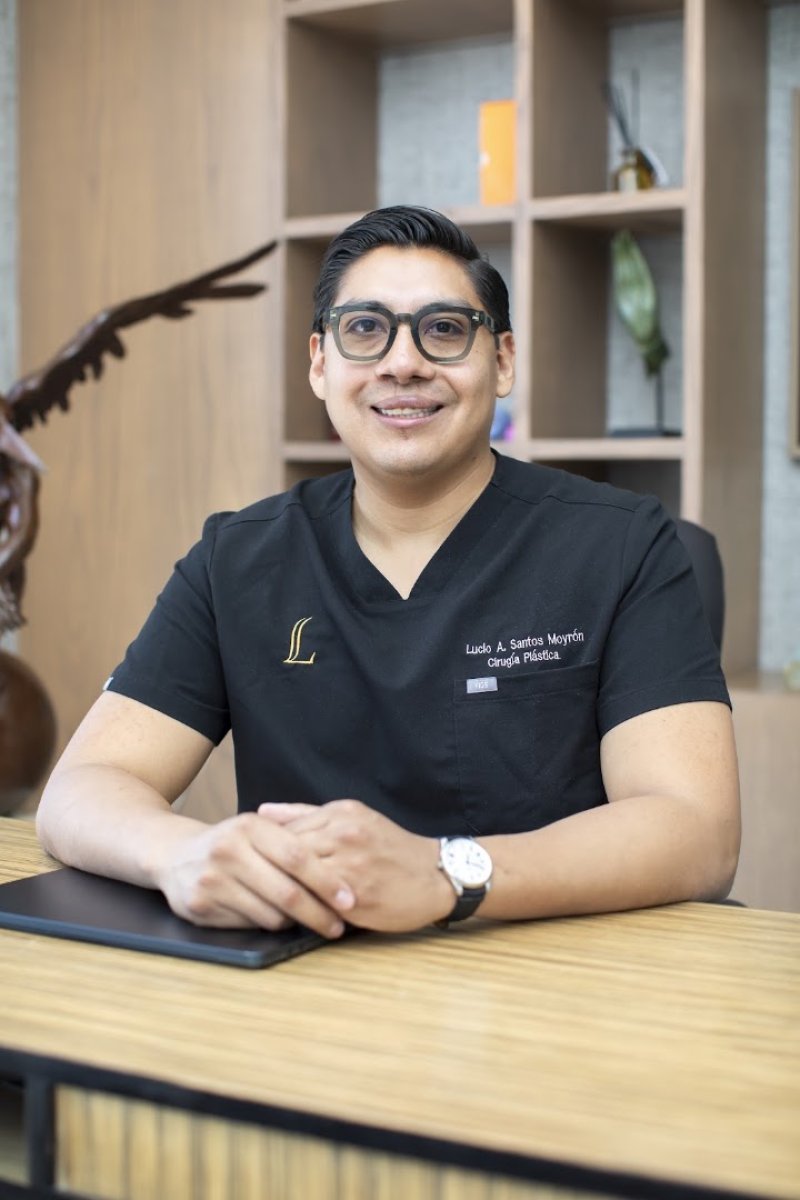


Ultrasonic rhinoplasty with piezotome technology allows for ultra-precise bone sculpting, which reduces inflammation and speeds recovery. Dr. Marco Tulio Marroquin Batres, a board-certified plastic surgeon recognized with a University Medallion of Merit, performs this structured open technique at Marroquín & Sandoval Plastic Surgery Clinic. The procedure costs around $3,600, covering surgery, general anesthesia, and consultations, with blood tests available for an additional $75. Patients typically have same-day discharge and a 7-day stay before flying home.
How it works
How Much Does Ultrasonic rhinoplasty Cost in Mexico?
Ultrasonic rhinoplasty in Mexico typically costs from $3,600 to $6,300. The final price depends on the surgeon's expertise, clinic accreditation, and the specific city. In the US, similar procedures cost around $10,500 on average. Patients save around 52% compared to US prices. Standard inclusions often cover surgeon fees, general anesthesia, and pre-operative blood tests.
- Technique premium: Piezotome technology typically adds 20-30% over traditional rhinoplasty due to specialized equipment.
- City variations: Packages in Mexico City typically range from 30% to 45% higher than Mexicali.
- Revision surgery: Correcting a previous procedure is significantly more expensive than primary ultrasonic surgery.
- Clinic tier: Facilities with CSG or JCI accreditation generally price at the higher end.
Bookimed Expert Insight: Choosing Guadalajara offers exceptional value for high-precision surgery. Marroquín & Sandoval Plastic Surgery Clinic performs 300 annual procedures for international patients. Their packages start around $3,600 and feature board-certified specialists with ISAPS and ASPS memberships. This mirrors the quality of top US centers at a fraction of the cost. Many elite Mexican clinics also hold FILACP and AMCPER certifications for safety.
| Mexico | The USA | Turkey | |
|---|---|---|---|
| Ultrasonic rhinoplasty | from $3,600 | ≈ $8,500 | from $2,700 |
Factors affecting Ultrasonic rhinoplasty cost in Mexico
Cost variables to consider:
- Board-certified plastic surgeons with AMCPER or ISAPS credentials can charge 25%–35% more for their expertise.
- Clinics accredited by JCI or affiliated with ASPS may charge 15%–20% more.
- Procedures performed in major cities like Cancun or Mexico City can cost up to 30% more due to medical tourism demand.
- Use of ultrasonic piezoelectric technology can increase costs by 20%–30% due to specialized equipment and training.
- Complexity of nasal reshaping can impact price by 15%–25%, especially for major structural changes.
- 3D imaging for surgical planning adds 10%–15% to the total, offering enhanced precision and customization.
Ultrasonic rhinoplasty Packages in Mexico — November 2026
Ultrasonic rhinoplasty packages in Mexico provide a cost-effective way to enhance nasal shape, with prices around $3,600 to $6,300. Packages include board-certified plastic surgeon fees, general anesthesia, pre-op blood tests, anesthesiologist and surgeon consultations, and post-op care. Patients usually stay 8-10 days for consultation, surgery, and follow-up. Procedures are performed in accredited facilities, with surgeons holding at least 5 years' experience. Always consult with a qualified doctor to ensure the package meets your needs. Individual results and recovery may vary—discuss all risks with your provider.
Ultrasonic rhinoplasty in Mexico: Pros and Cons
Ultrasonic rhinoplasty in Mexico can offer significant cost savings, but it's crucial to weigh the potential benefits against the risks.
| Pros | Cons |
|---|---|
| Lower costs. Ultrasonic rhinoplasty in Mexico starts at $3,600 versus $7,000+ in the US, offering up to 50% savings. Cost breakdown includes surgeon fees, facility charges, anesthesia, and preoperative labs (about $75). | Safety concerns. Potential risks include infection (1-3%) and swelling. These are similar to rates in the US when performed by qualified surgeons. |
| Qualified surgeons. Surgeons are certified by the Mexican Council of Plastic Surgery (CMCPER), with many trained in US or European programs and extensive experience in rhinoplasty techniques. | Follow-up care. Managing post-op care from abroad can be challenging, but clinics offer telemedicine and detailed discharge instructions. |
| Modern facilities. Procedures are performed in COFEPRIS- and ISO-accredited hospitals, using advanced piezotome ultrasonic devices and equipment from leading brands. | Different regulatory standards. COFEPRIS standards differ from the FDA, but top clinics meet JCI/ISO standards and follow FDA-aligned protocols for safety. |
| Faster recovery and natural results. Ultrasonic technology minimizes tissue trauma, leading to less bruising, reduced inflammation, and a quicker recovery compared to traditional methods. | Travel and recovery logistics. Patients must arrive 36–48 hours before surgery and stay 7 days post-op; recovery houses cost $150–$170 per night. |
| Personal coordinator support. Bookimed’s medical coordinator helps compare clinics, request personalized quotes, and manage treatment logistics at no additional cost. |
It's crucial to thoroughly research clinics and verify surgeon credentials before making a decision. When performed by qualified specialists in accredited facilities, ultrasonic rhinoplasty in Mexico can offer safe, effective, and affordable results.
Discover the Best Ultrasonic rhinoplasty Clinics in Mexico: 6 Verified Options and Prices
The best ultrasonic rhinoplasty clinics in Mexico are accredited by the CMCPER, upholding high clinical standards in cities like Guadalajara. According to Bookimed’s ranking, the top clinic is Hospital de la Familia. It stands out for board-certified plastic surgeons, ISAPS membership, and expertise in ultrasonic structured and hybrid rhinoplasty. When choosing a provider, look for CMCPER certification, international accreditations like ASPS, and a proven record of natural, high-quality results. Always consult a qualified plastic surgeon before making a decision.
Hospital de la Familia
Joaquin Ayala Del Muro


Dr. Alexandro Aguilera - Plastic Surgery
Alexandro Aguilera


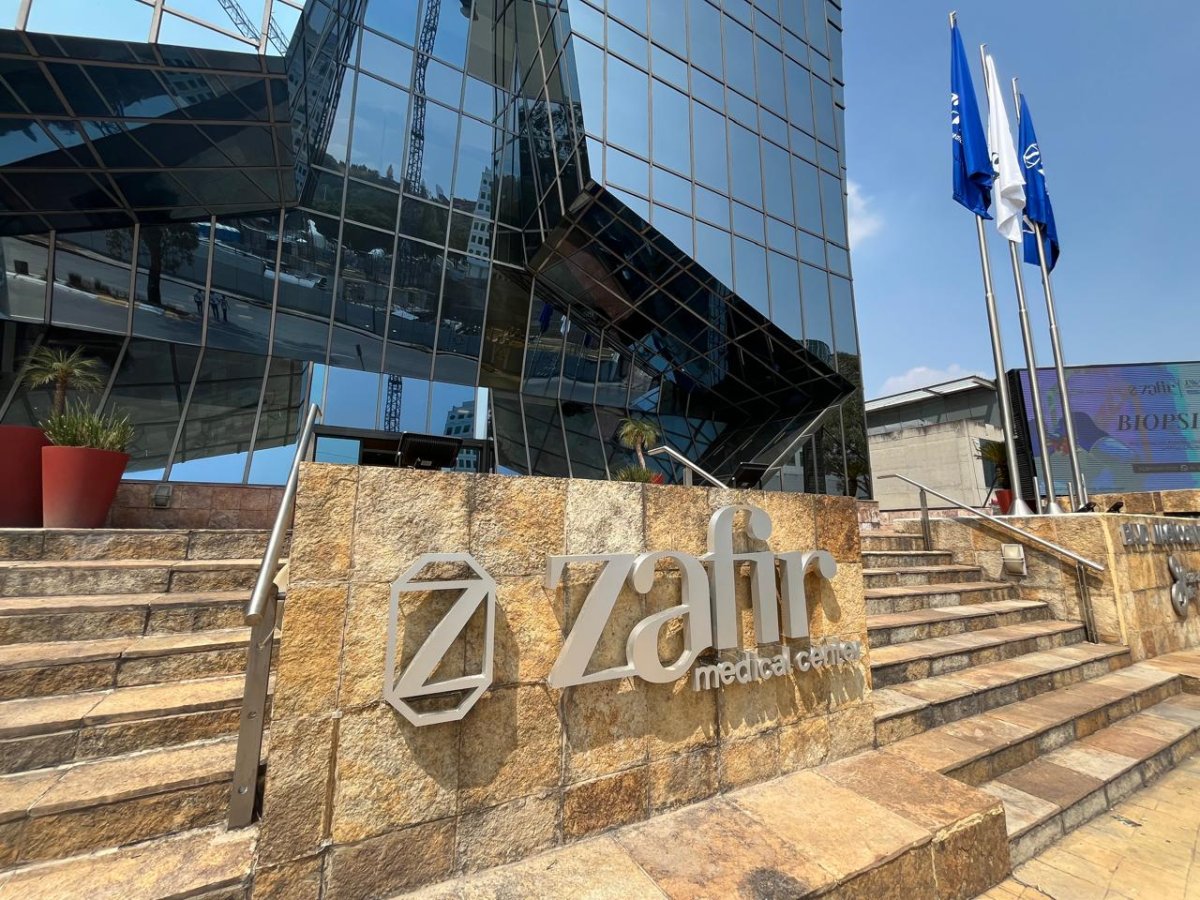
Zafir Medical Center
Fernando Franco Cravioto


Ultrasonic rhinoplasty Overview in Mexico
- Rhinoplasty (nose job) - from $2,500The procedure alters the shape or size of the nose, enhancing facial harmony, and improving breathing issues.
- Tip rhinoplasty - from $2,400The procedure refines the nose"s tip, enhancing nasal balance and harmony through reshaping, offering a more aesthetically pleasing appearance.
- Open rhinoplasty - from $3,200The nose reshaping via incisions on the outside to achieve greater surgical control and visibility.
- Revision rhinoplasty - from $3,600The procedure repairs previous nose surgeries results to improve nasal function and appearance through precise reconstructive techniques.
- Asian Rhinoplasty - from $3,500**Asian Rhinoplasty**: This surgery reshapes the nose to achieve a natural, harmonious look, often using implants or cartilage grafts, with a focus on cultural and aesthetic preferences.
- Ethnic Rhinoplasty - from $3,500Reshaping the nose to enhance facial harmony while respecting and preserving the patient"s unique ethnic features, ensuring a natural-looking result with careful treatment planning and recovery guidance.
- Filler Rhinoplasty (Nose Filler) - from $1,200A non-surgical procedure uses injectable fillers to reshape and enhance the nose"s appearance, offering immediate results with minimal recovery time.
- Liquid Rhinoplasty - from $750A procedure to use injectable fillers to reshape and contour the nose, offering immediate results with minimal recovery time, perfect for those seeking subtle enhancements.
- Bulbous Nose Rhinoplasty - from $3,500Reshaping a rounded nasal tip by refining cartilage and tissue, enhancing facial harmony, with recovery typically involving mild swelling and downtime.
- Male Rhinoplasty - from $3,500Reshaping of a man"s nose for improved appearance or function, involving adjustments to bone and cartilage with a recovery period of several weeks.
- Wide Nose Rhinoplasty - from $3,500This surgical procedure reshapes the nose by narrowing and refining the nasal structure, enhancing facial harmony and often leading to improved breathing and self-confidence.
- Bookimed deposit: $200 or €200.
- Clinic deposit: Pay a set percentage in advance.
Our Doctors
View all Doctors
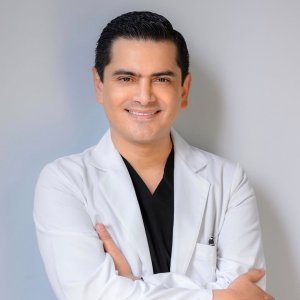
Marco Tulio Marroquin Batres
Dr. Marco Tulio Marroquin Batres is an award-winning plastic surgeon at Marroquín & Sandoval Clinic. He is certified by the Mexican Board of Plastic, Aesthetic and Reconstructive Surgery. Dr. Marroquin Batres specializes in Brazilian Butt Lift (BBL), rhinoplasty, and liposuction in Mexico City.
- Winner of the Francisco Marroquín University Medallion of Merit.
- Performs Vaser ultrasonic liposuction and ultrasonic rhinoplasty.
- Treats 300+ international patients annually from the USA, Canada, and Australia.
- Completed surgical training at the Jalisco Institute of Reconstructive Surgery.

Fernando Franco Cravioto
Dr. Fer Cravioto is a board-certified plastic, aesthetic, and reconstructive surgeon based in Interlomas, Mexico City. He focuses on upper-face plastic surgery and breast surgery. Key procedures include forehead reduction, brow lift, facelift, rhinoplasty, and breast augmentation.
He uses the Premiere Facial Harmonization Method. It combines individualized planning and 360° facial analysis and aims for natural, balanced results. International patients receive support from virtual consultation through structured postoperative care in Mexico City.
Accreditations: current CMCPER certification. Active member of AMCPER, the Colegio de Cirujanos Plásticos del Valle de México, and the Sociedad Médica del Hospital Ángeles Lomas.

Alexandro Aguilera
Dr. Alexandro Aguilera specializes in Ultr sigh well-known frightening field surgery. His multiple awards show excellence in reconstructive microsurgery techniques.
- Trained in Plastic and Reconstructive Surgery at Hospital General 'Dr. Manuel Gea González'
- Winner of the 2016 International Travel Grant by the American Society for Reconstructive Microsurgery
- Associate Professor of the 'Experimental Microsurgery Training Course' at UNAM
- Head of the Continuing Medical Education Committee of AMPCPER since 2016

Israel Villalobos Blasquez
Specializes in ultrasonic rhinoplasty with advanced training in facial plastic surgery under Dr. Lazaro Cardenas Camarena at Hospital Innovare.
- Fellowship-trained in body contour and advanced facial plastic surgery
- Board-certified in plastic and reconstructive surgery
- Member of the International Society of Plastic and Aesthetic Surgery (ISAPS)
- Residency at University Hospital 'Dr. Jose Eleuterio González'
Video Stories from Bookimed Patients
Reviews about Bookimed: Discover Patients' Insights
All reviews


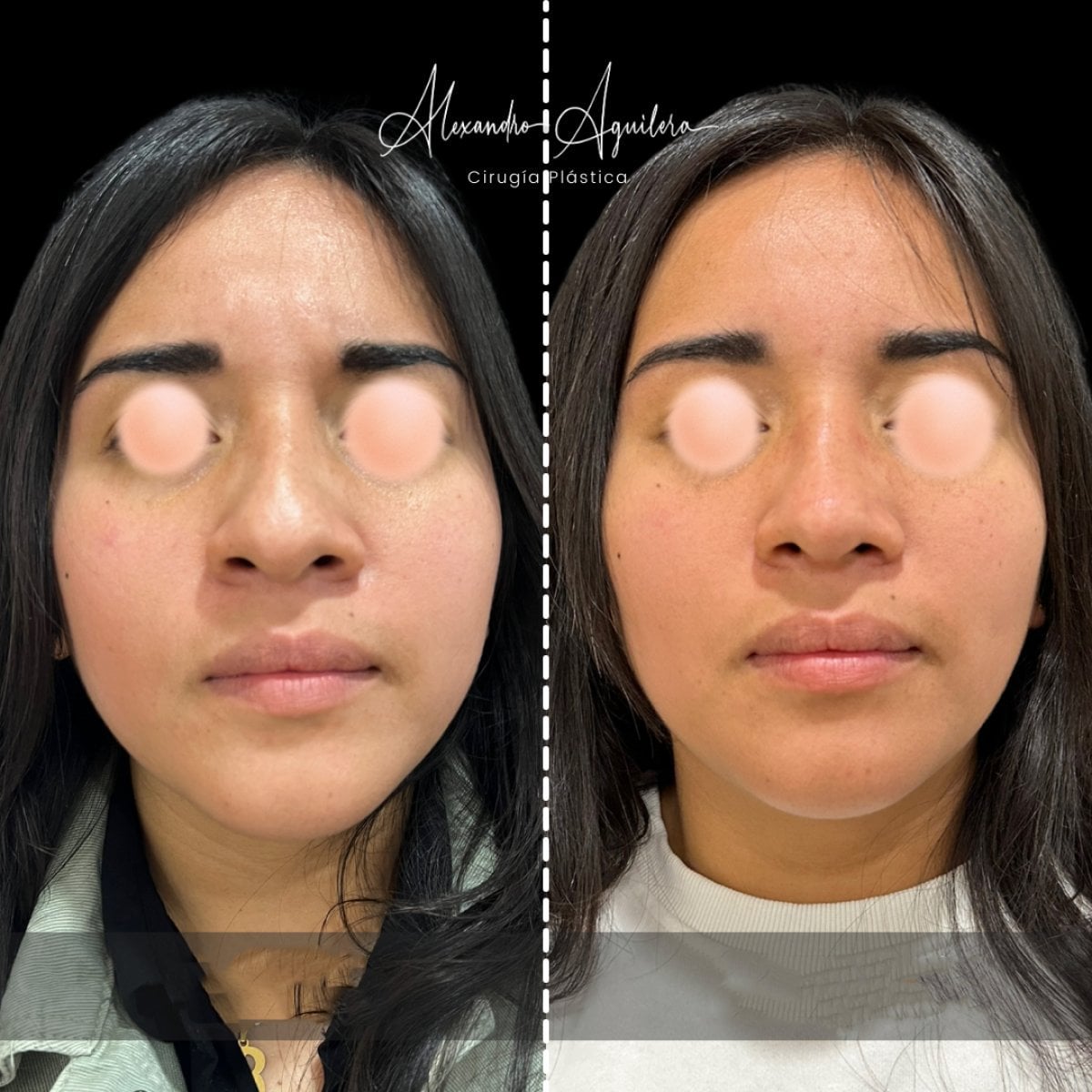
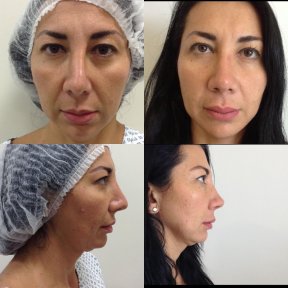
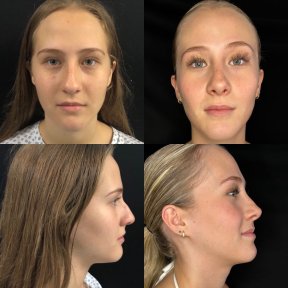
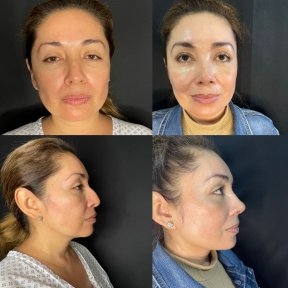
Ultrasonic rhinoplasty: Before & after photos
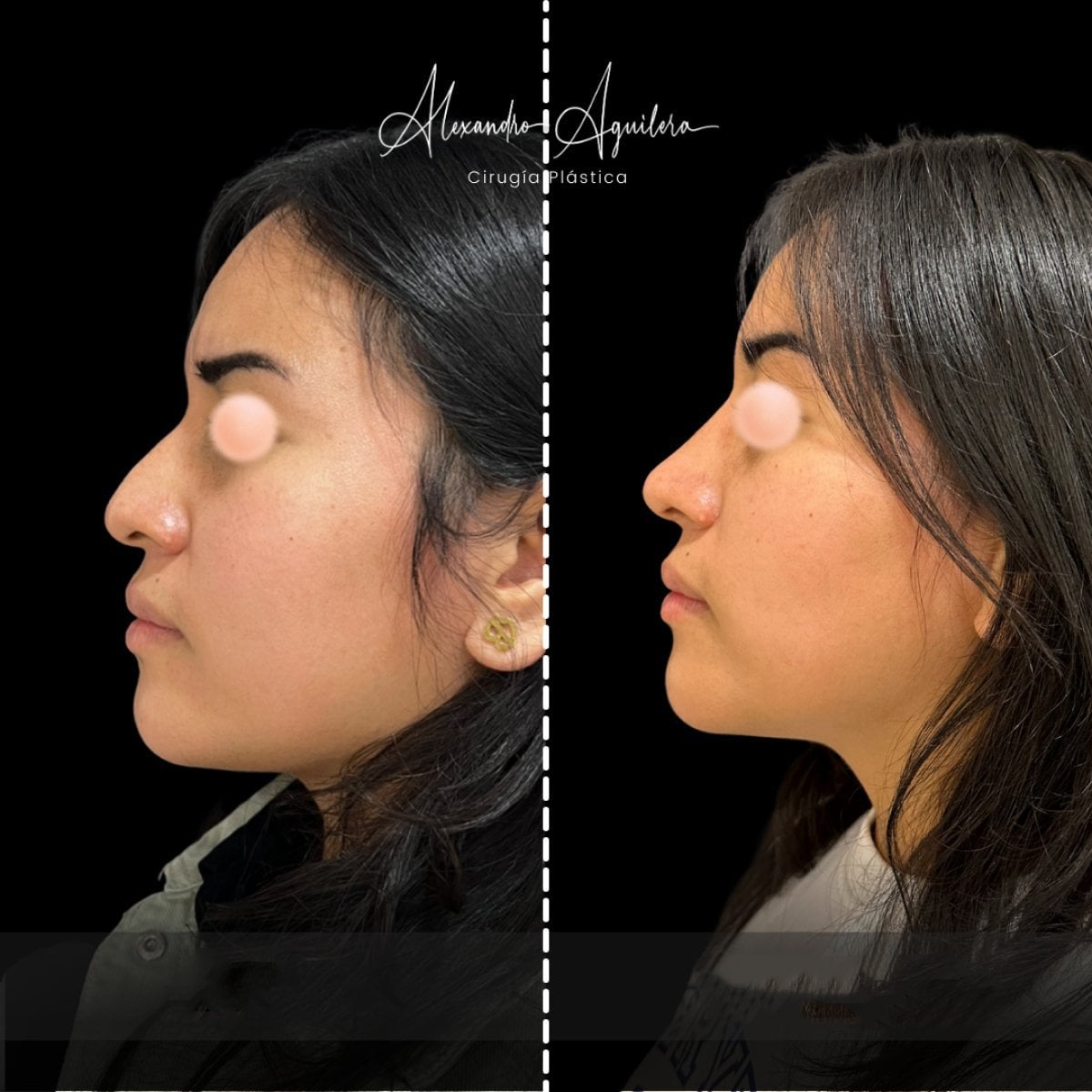
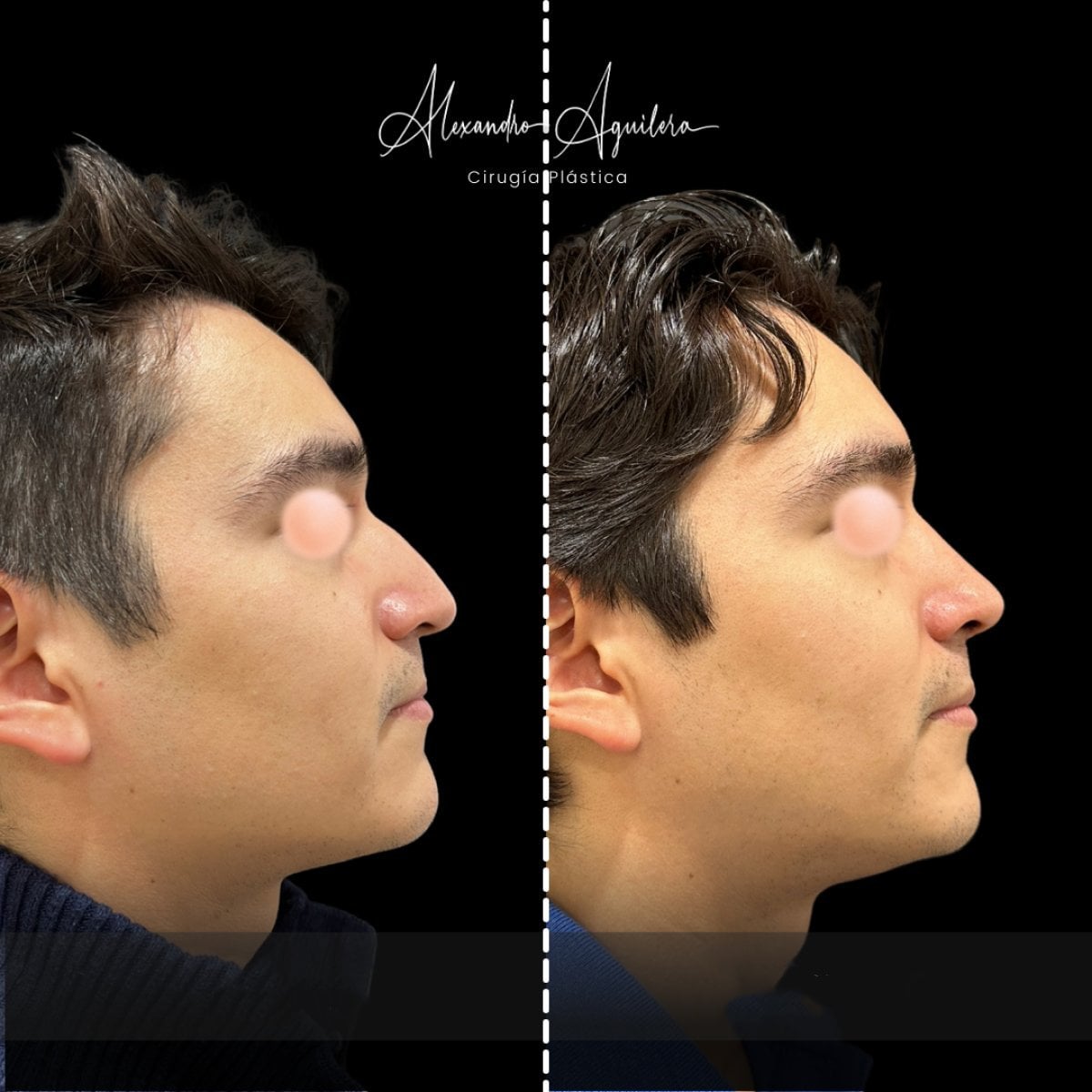
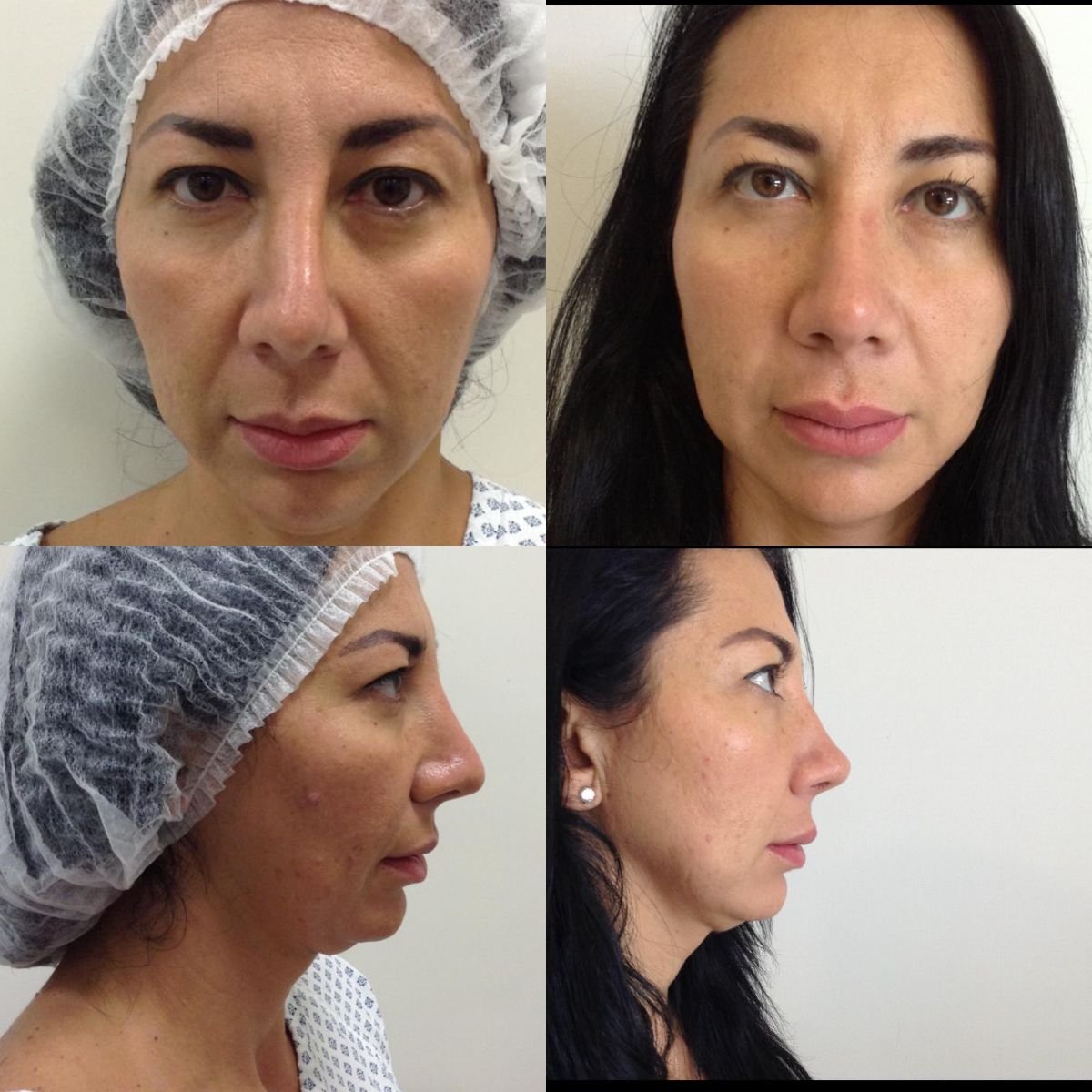
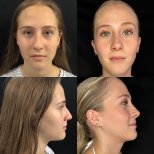
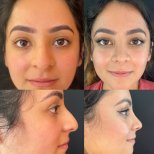
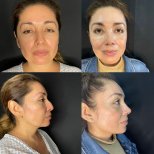
View allBefore and after photos of ultrasonic rhinoplasty in Mexico can help you imagine a refined nose shape and smoother facial balance. These images clearly demonstrate the transformation from prominent nasal humps or asymmetry to a more harmonious profile. Results are especially noticeable for patients seeking precise bone contouring, with a significant improvement in nasal definition and symmetry.
Patients typically experience visible changes within 2 to 3 months, with final results achieved in 6 to 12 months. The procedure uses piezoelectric ultrasonic technology, which allows for accurate bone reshaping with less trauma to surrounding tissues. Ultrasonic rhinoplasty results are long-lasting, with a reported 90–95% satisfaction rate.
Share this content
Anna Leonova
Fast Facts about Ultrasonic rhinoplasty

Ultrasonic Rhinoplasty
Utilizes ultrasonic technology to reshape the nose with precision and minimal trauma.
FAQ about Ultrasonic rhinoplasty in Mexico
Is it safe to get an ultrasonic nose job in Mexico?
Ultrasonic rhinoplasty is safe in Mexico when performed by board-certified plastic surgeons in accredited facilities. This advanced technique uses sound vibrations to reshape nasal bones with microscopic precision. It significantly reduces tissue trauma and eliminates the need for manual hammers or chisels.
- Surgeon certification: Surgeons must hold Mexican Council of Plastic Surgery (CMCPER) certification for safety.
- Technology benefits: Piezotome tools preserve soft tissue, reducing bruising by up to 30%.
- Facility standards: Verified clinics maintain COFEPRIS or JCI accreditation to ensure sterile surgical environments.
- Recovery timeline: Patients should plan a 7-to-10-day stay for proper splint removal and monitoring.
Bookimed Expert Insight: The true safety advantage in Mexico lies in regional specialization. Tijuana and Guadalajara clinics often perform higher volumes of ultrasonic cases than some US centers. This repetition creates a precision loop where surgeons manage complex bone reshaping with minimal swelling. Always confirm the clinic uses a genuine Piezotome device rather than standard power tools.
Patient Consensus: Many patients highlight the absence of typical raccoon eyes and heavy facial bruising. They often feel ready for public outings much sooner than those undergoing traditional surgery.
Does ultrasonic rhinoplasty require an open or closed surgical approach?
Ultrasonic rhinoplasty is performed using both open and closed approaches, though the open method is most common. This technique utilizes piezoelectric tools for precise bone sculpting. The choice depends on surgical complexity, required visibility, and the surgeon's training with specialized Piezotome technology.
- Open approach: Provides wide visualization for complex reshaping and major asymmetry correction.
- Closed approach: Less common method hiding all incisions inside the nostrils for minor adjustments.
- Piezotome technology: Specialized ultrasonic tools used to shape bone with minimal soft tissue trauma.
- Approach decision: Determined by nasal anatomy and structural needs rather than the equipment itself.
Bookimed Expert Insight: Mexican clinics like Marroquín & Sandoval often pair ultrasonic tools with hybrid techniques. While the open approach is standard for Piezotome visibility, these specialists serve 300+ international patients annually. They use this precision to ensure the minimal swelling promised in their $3,600 packages.
Patient Consensus: Patients emphasize that ultrasonic tools don't guarantee a scarless result. The technology impacts bone healing, but the skin incision depends entirely on your specific correction needs.
How long do I need to stay in Mexico after the surgery?
Most patients undergo ultrasonic rhinoplasty in Mexico stay for 7 to 10 days before returning home. This timeframe allows surgeons to monitor initial healing, manage nasal congestion, and remove the external splint safely. Major structural changes or revision cases may require up to 14 days post-operatively.
- Splint removal: Surgeons typically remove the protective nasal splint between day 5 and day 7.
- Healing technology: Piezotome technology reduces bruising and swelling, often allowing for a faster travel clearance.
- Flight safety: Patients must wait at least 7 days to avoid pressure-related bleeding or swelling.
- Surgeon credentials: Top Mexican specialists maintain certifications from AMCPER and the International Society of Aesthetic Plastic Surgery.
Bookimed Expert Insight: While many clinics offer a 7-day estimate, clinics in Guadalajara and Mexico City often recommend 10 days for international patients. This extra buffer ensures you attend the final follow-up where doctors check internal nasal valves. Choosing a JCI-accredited facility like Marroquín & Sandoval ensures higher safety standards during this critical window.
Patient Consensus: Patients suggest booking flexible flight tickets because swelling or minor bleeding can sometimes delay travel clearance. The most common advice is to avoid heavy lifting or long airport walks during the return journey.
How can I verify a plastic surgeon's credentials in Mexico?
Verifying a plastic surgeon in Mexico involves checking for two mandatory government professional licenses known as Cedulas Profesionales. You must also confirm active board certification through the Mexican Council of Plastic, Aesthetic and Reconstructive Surgery (CMCPER) which legally recognizes specialists every 5 years.
- License check: Search the National Registry of Professionals using the surgeon full name.
- Board status: Ensure the doctor appears in the official CMCPER certified specialist directory.
- Specialty confirmation: Verify a specific specialist license for Cirugia Plastica beyond general medicine.
- Association membership: Look for active listings in AMCPER or international bodies like ISAPS.
Bookimed Expert Insight: High-volume clinics often list multiple certifications, but individual surgeon numbers matter most. Dr. Alexandro Aguilera at his Mexico City clinic has performed over 3,000 procedures and maintains FILACP and ASPS credentials. Always verify the Piezotome specialist training separately if you are seeking ultrasonic rhinoplasty specifically.
Patient Consensus: Patients emphasize finding surgeons with clear hospital privileges rather than just boutique offices. They suggest cross-referencing names with official medical board staff pages to avoid surgeons who only hold cosmetic certificates.
Am I a good candidate for ultrasonic rhinoplasty?
You are a prime candidate for ultrasonic rhinoplasty in Mexico if you require precise bony reshaping, such as smoothing a dorsal hump or narrowing a wide nasal bridge. This technique uses a Piezotome device to selectively target bone while preserving delicate soft tissues and blood vessels.
- Anatomy focus: Ideal for correcting bony humps, crooked bridges, or wide nasal bones.
- Soft tissue: Not suitable for tip refinement alone as ultrasound cannot reshape soft cartilage.
- Age requirement: Candidates must have completed facial growth, typically between 16 and 18 years.
- Health status: Best for non-smokers in good health seeking minimal bruising and faster recovery.
Bookimed Expert Insight: While many choose Mexico for savings reaching 52%, the real value lies in surgical volume. Specialized clinics like Marroquín & Sandoval serve over 300 international patients annually. Data shows these high-volume centers often combine Piezotome technology with rib grafts. This hybrid approach ensures both cosmetic refinement and structural support for long-term breathing health.
Patient Consensus: Patients emphasize that while the ultrasonic tool reduces trauma, surgeon skill remains the most critical factor. Many suggest verifying a surgeon's specific experience with thick skin or functional breathing issues before booking.
What does the recovery timeline look like?
Recovery from ultrasonic rhinoplasty in Mexico typically allows patients to return to social activities within 7 to 14 days. Using Piezotome technology reduces bone trauma and bruising compared to traditional methods. Most patients travel home after 7 days once the nasal splint is removed.
- First 3 days: Peak swelling and nasal congestion often lead to temporary sleep disturbances.
- Day 7 milestone: Surgeons usually remove the external splint and internal dressings at this stage.
- 14-day mark: Bruising typically fades enough for patients to return to work comfortably.
- Long-term healing: Nasal tip definition evolves over 12 months as residual swelling fully resolves.
Bookimed Expert Insight: While ultrasonic tools minimize bruising, patient data shows surgeons like Dr. Alexandro Aguilera manage over 3,000 cases to refine results. Many Guadalajara clinics suggest a 7-day hotel stay. This allows proper monitoring before you encounter airplane cabin pressure during your flight home.
Patient Consensus: Expect emotional ups and downs during the first month. Early swelling often hides fine details, but significant nasal definition typically emerges between 3 and 6 months.
Can ultrasonic tools reshape the tip of the nose?
Ultrasonic tools cannot directly reshape the nasal tip because they only affect dense bone and hard cartilage. Surgeons use high-frequency vibrations from piezotome technology to sculpt the nasal bridge and dorsal hump while completely sparing the soft, flexible cartilage that forms the tip.
- Energy selectivity: Ultrasonic vibrations precisely cut bone without damaging surrounding soft tissue or membranes.
- Tip techniques: Surgeons use traditional suturing and trimming to narrow or lift the nasal tip.
- Structural support: Cartilage grafts are often manually carved to provide better definition and structural lift.
- Recovery focus: Piezotome reduces trauma to the bridge, though tip swelling persists for several months.
Bookimed Expert Insight: Many patients believe ultrasonic technology creates a more refined tip, but our data from Guadalajara and Mexico City clinics shows this is an indirect effect. By lowering a bony hump or narrowing the bridge with a piezotome, surgeons create a balanced foundation. This allows for more effective manual tip refinement, often using rib or septal grafts for long-term stability.
Patient Consensus: Patients report significantly less bruising and a faster return to daily activities compared to traditional methods. However, many emphasize that while the bridge heals quickly, the tip remains firm and swollen longer than expected.
Does it require an open or closed surgical approach?
Ultrasonic rhinoplasty in Mexico can be performed using either an open or closed approach depending on your surgical plan. While the Piezotome tool reshapes bone with high precision, the incision style is a separate clinical decision based on your specific nasal anatomy and goals.
- Open approach: Surgeons utilize a columellar incision for maximum visibility during complex structural remodeling.
- Closed approach: All incisions stay inside nostrils, preventing visible scarring for simpler dorsal bone reshaping.
- Bone technology: Piezotome ultrasonic waves precisely target bone while preserving surrounding soft tissue and vessels.
- Clinical choice: The technique depends on whether you require tip refinement or major hump reduction.
Bookimed Expert Insight: While patients often search for closed ultrasonic surgery, data from top clinics like Marroquín & Sandoval shows that the most durable results often require an open approach. Dr. Marco Tulio Marroquin Batres specializes in structured rhinoplasty, where an open incision provides the necessary access to utilize Piezotome technology effectively across the entire nasal bridge.
Patient Consensus: Patients emphasize that ultrasonic refers to the bone-cutting tool rather than the incision style. Many warn that the term can be misleading and suggest asking your surgeon for a specific written plan on whether your procedure will be open or closed.
How long do I need to stay in Mexico after surgery?
For ultrasonic rhinoplasty in Mexico, patients should plan to stay between 7 and 10 days post-surgery. This timeframe allows for essential surgical follow-ups, initial splint removal, and ensuring nasal swelling stabilizes enough for safe air travel without increasing the risk of pressure-related complications.
- Travel timeframe: Most clinics recommend waiting 7 days before boarding any return flight home.
- Surgical follow-up: The 10-day mark is ideal for final checkups and nasal splint removal.
- Technology impact: Piezotome technology reduces bruising but still requires professional monitoring for internal healing.
- Safety requirement: Surgeons must issue a fit-to-fly letter to ensure safe travel through customs.
Bookimed Expert Insight: While ultrasonic techniques like those used at Marroquín & Sandoval Plastic Surgery Clinic reduce recovery time, don't rush your departure. Data shows that 10 days is the safest window for patients traveling from the USA or Canada. Staying the full 10 days ensures your surgeon can handle any immediate adjustments before you leave their direct care.
Patient Consensus: Many patients find 10 days to be the sweet spot for recovery. They emphasize that while ultrasonic surgery feels gentler, flying too early often causes uncomfortable swelling or pressure.