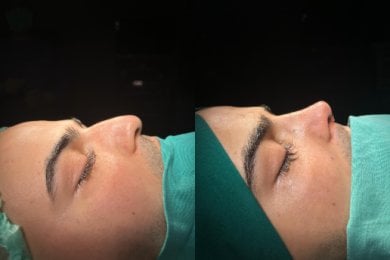
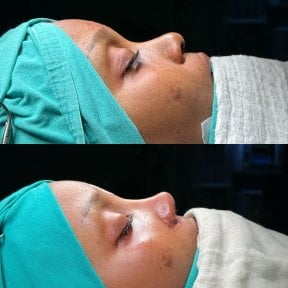
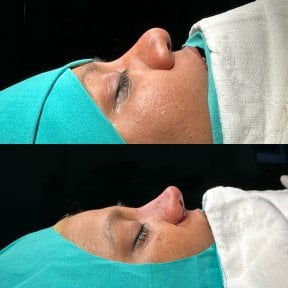
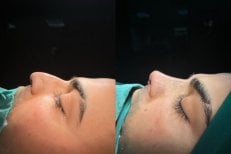
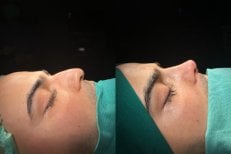
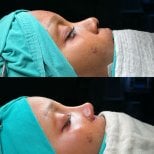
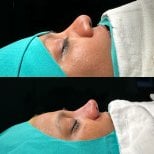
Ultrasonic rhinoplasty in Turkey typically costs from $2,900 to $4,700. The final price depends on the surgeon's expertise, the clinic's international accreditation, and the city hub. In the US, similar procedures cost around $16,000 on average. Patients save around 76% compared to the US. Most Turkish packages include 5-star hotel stays, VIP transfers, and follow-up care.
Bookimed Expert Insight: Choosing a university-affiliated hospital offers high-level safety at a competitive price point. For example, Atlas University Hospital maintains a 99% success rate for nasal procedures. Their packages start around $3,500 and include stays at 5-star hotels. This provides academic-level surgical precision alongside premium recovery amenities. It is a smart move for patients seeking both low risk and luxury.
| Turkey | The UK | The USA | |
| Ultrasonic rhinoplasty | from $2,870 | from $7,500 | from $10,000 |
Dr. Kadriye Ipek Uzunoglu is one of Turkey's top-rated revision rhinoplasty surgeons, specializing in ultrasonic rhinoplasty at Memorial Şişli Hospital.
Prof. Firat specializes in ultrasonic rhinoplasty at Medical Park Antalya Hospital, with expertise in microsurgery and reconstructive techniques.
Specializes in ultrasonic rhinoplasty – a precise technique that minimizes tissue trauma for smoother recovery at Elixirmed Clinic.
Dr. Aydenizoz specializes in ultrasonic rhinoplasty, combining functional health with natural-looking aesthetic results at Medical Park Antalya.
Utilizes ultrasonic technology to reshape the nose with precision and minimal trauma.
All-inclusive ultrasonic rhinoplasty packages in Turkey typically bundle the surgical procedure, specialized Piezo device use, and bilateral nasal surgery. These comprehensive plans also cover luxury hotel stays, VIP airport transfers, pre-operative blood tests, and follow-up care to ensure a seamless medical travel experience in Istanbul or Antalya.
Bookimed Expert Insight: While most packages highlight 5-star hotels, the real differentiator is the hospital accreditation. At clinics like Atlas University Medicine Hospital, the package includes triple-accredited facility access and comprehensive biochemistry tests. Choosing a package with a 1-year revision policy is smarter than prioritizing an extra hotel night.
Patient Consensus: Many patients emphasize that while VIP transfers and hotels are standard, you should budget an extra $300–$500 for long-term medications or specialized tests. Reviewing the specific hotel on independent sites before booking ensures the recovery environment meets your comfort expectations.
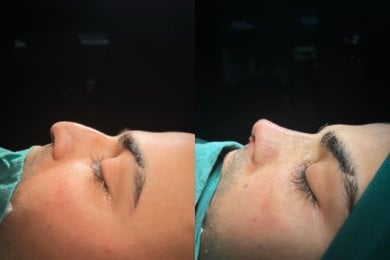
Recovery after ultrasonic rhinoplasty in Turkey typically involves 7 days for splint removal and 10 to 14 days before returning to work. While major swelling and bruising subside within 2 weeks, reaching the final refined nasal shape takes 6 to 12 months.
Bookimed Expert Insight: The ultrasonic technique significantly reduces recovery downtime compared to traditional methods. Data shows this precision tool preserves soft tissue and blood vessels. This often results in 30% to 50% faster resolution of bruising and less post-operative pain.
Patient Consensus: Many patients suggest buffering 2 full weeks for the most visible healing. Those with thicker skin should expect a slightly longer wait of 3 to 4 weeks for initial swelling to drop.
Ultrasonic rhinoplasty is generally safer than traditional methods because it uses piezoelectric vibrations to precisely sculpt nasal bones. This technology targets only hard mineralized tissue, leaving surrounding blood vessels, soft tissue, and nerves intact. This significantly reduces the risk of uncontrolled fractures, excessive bleeding, and tissue trauma.
Bookimed Expert Insight: While ultrasonic tools offer superior precision for bone work, the surgeon's experience remains the primary safety factor. Data from clinics like Atlas University Medicine Hospital shows that top-tier results come from combining piezo technology with specialized pre-operative blood panels. Success relies on the surgeon having performed at least 100 ultrasonic cases to master the device's unique tactile feedback.
Patient Consensus: Recent patients report that the investment in ultrasonic technology is worth it for the significantly smoother recovery. Many highlight that reduced swelling allowed them to return to work much faster than expected.
Most patients can safely fly home 7 to 14 days after ultrasonic rhinoplasty in Turkey. Surgeons generally require you to stay until the nasal cast is removed, typically on day 7. This timeframe allows initial swelling to subside and ensures you are fit for cabin pressure changes.
Bookimed Expert Insight: While basic packages offer 1 night in the hospital, data shows that premium options like those at Atlas University Medicine Hospital include 5 nights at a hotel. This extended stay is a strategic choice; having those extra days on the ground significantly reduces the risk of explosive swelling caused by premature exposure to airplane cabin pressure.
Patient Consensus: Patients emphasize waiting at least 10 days to avoid extreme swelling and recommend staying hydrated while using nasal saline sprays during the flight home.
The primary difference lies in the tools used for bone reshaping; ultrasonic rhinoplasty uses high-frequency vibrations to sculpt bone precisely, while traditional methods use manual chisels and mallets. Ultrasonic technology selectively targets bone to spare soft tissue, potentially reducing bruising and initial swelling during the first week.
Bookimed Expert Insight: While many Turkish clinics market ultrasonic rhinoplasty as a standalone premium service, top surgeons like those at Atlas University Hospital often use a hybrid approach. They selectively use Piezo for delicate bone sculpting and traditional tools for the nasal tip, ensuring structural stability without the 20-40% price markup sometimes found in technology-only marketing.
Patient Consensus: Patients often report a more comfortable first 5 days with less `black-and-blue` bruising, yet they emphasize that the final 6-month aesthetic result depends far more on the surgeon's artistic skill than the vibration of the tool.
Ultrasonic rhinoplasty recovery typically allows patients to return to normal activities within 7 to 14 days. This technique uses piezo ultrasonic osteotomy to selectively target bone, significantly reducing trauma to surrounding soft tissues. While major swelling subsides quickly, full nasal refinement takes 6 to 12 months.
Bookimed Expert Insight: High-volume Turkish centers often achieve 97% to 98% success rates by combining ultrasonic tools with extended observation. Clinics like Atlas University Hospital include 5 nights in a hotel. This ensures patients don't fly too early, which is vital for preventing pressure-related swelling during the first week.
Patient Consensus: Many patients report minimal bruising around the eyes compared to traditional surgery. They emphasize that while the bridge heals fast, the tip remains firm and numb for several months.
Ultrasonic rhinoplasty effectively corrects breathing issues like a deviated septum by using piezoelectric vibrations to reshape nasal bones with millimeter precision. This advanced technique replaces traditional hammers and chisels, allowing surgeons to realign the septum and reduce turbinates while preserving delicate soft tissues and blood vessels.
Bookimed Expert Insight: Data from 30,000+ Turkish medical requests shows a rising trend in `dual-specialty` bookings. For breathing issues, patients increasingly choose surgeons like Dr. Yasin Kulaksiz at Medipol Acibadem, who holds ENT and facial plastic certifications. This combination ensures the ultrasonic device is used for both structural airflow optimization and aesthetic refinement in one session.
Patient Consensus: Patients frequently report dramatic breathing improvements within 10 days of surgery. Many highlight that choosing surgeons with a functional portfolio leads to better long-term airflow results compared to purely cosmetic clinics.
Turkey is a premier destination for ultrasonic rhinoplasty due to its high surgical volume and early adoption of piezoelectric technology. Turkish surgeons often perform over 100 procedures monthly, achieving 97.4% success rates. This precision-based approach minimizes tissue trauma, reducing bruising and accelerating the standard 1-week recovery timeline.
Bookimed Expert Insight: A major differentiator in Turkey is the level of triple-accredited care combined with high-capacity facilities like Atlas University Hospital, which serves 565,000 patients annually. While many boutique clinics focus on aesthetics, these large-scale university hospitals integrate intensive post-operative monitoring that smaller centers rarely match, ensuring higher safety for complex or functional nasal corrections.
Patient Consensus: Patients frequently highlight the absence of `raccoon eyes` and the convenience of all-inclusive packages covering 5-star hotels. Many emphasize the importance of viewing ethnic-preserving portfolios to ensure natural results rather than standardized trends.
Selecting a reliable surgeon for ultrasonic rhinoplasty in Turkey involves verifying board certifications and specialised piezo-assisted experience. Focus on specialists holding credentials from EBOPRAS or ISAPS within JCI-accredited facilities.
Bookimed Expert Insight: High-volume trauma experience is a reliable proxy for precision. Surgeons like Dr Kadri Ila at Vanity Cosmetic Surgery Hospital have performed 7,000+ operations. This level of experience with complex anatomy often leads to natural-looking results when using ultrasonic tools.
Patient Consensus: Patients in Turkey suggest choosing surgeons who specialise exclusively in noses rather than generalists. They recommend requesting photos taken 12 months after surgery to see true tip definition and breathing outcomes.
Ultrasonic (Piezo) rhinoplasty in Turkey is a surgical nose reshaping technique. It uses high-frequency vibrations to sculpt bone with extreme precision. The procedure employs a specialised piezoelectric device to contour nasal bones. This spares surrounding soft tissue, blood vessels, and cartilage to reach natural results.
Bookimed Expert Insight: Turkish clinics like Atlas University Hospital often bundle Piezo technology into packages around A$5,600. While the technology reduces bone trauma, the final aesthetic depends on the surgeon's skill. Patients should confirm if Piezo-driven shaping covers the entire bony bridge or just the initial cuts.
Patient Consensus: Patients in Turkey find the recovery more comfortable but note that swelling still requires patience. They recommend requesting a plan that clarifies which steps use the Piezo device.
Ultrasonic rhinoplasty in Turkey treats breathing problems by correcting structural blockages with piezoelectric precision. Surgeons often combine this technique with functional procedures like septoplasty or turbinate reduction. This dual approach improves airflow while refining the nose shape within JCI-accredited facilities.
Bookimed Expert Insight: Patients seeking airway relief should choose surgeons with ENT backgrounds, such as Dr Yasin Kulaksiz. Plastic surgeons often focus on aesthetics. However, ENT specialists are specifically trained to manage internal structures like turbinate hypertrophy. Choosing a surgeon who performs 5,000+ procedures helps them navigate complex internal anatomy safely.
Patient Consensus: Turkey is a top choice for correcting deviated septums and enlarged turbinates simultaneously. Patients appreciate that surgeons document exact obstruction causes before surgery. Expect temporary congestion from initial swelling before experiencing clearer breathing. Practitioners there clearly explain how functional repairs fit into the cosmetic plan.
Ultrasonic rhinoplasty in Turkey is generally less painful than traditional methods. It uses high-frequency vibrations to sculpt bone. This Piezo technology avoids manual hammers and chisels. It causes less trauma to soft tissues and blood vessels. This leads to much less bruising and swelling during recovery.
Bookimed Expert Insight: Piezo systems reduce bone trauma. Many Turkish clinics bundle this technology into all-inclusive packages around $2,900. Centres like Atlas University Hospital often include 2 days of hospitalisation. This extra medical supervision helps manage discomfort better than immediate hotel discharge.
Patient Consensus: Recovery in Turkey felt easier due to the lighter bruising. Some noted that nasal splints caused more pressure than actual pain. Patients appreciated how quickly they could enjoy local sightseeing after the procedure.
Ultrasonic rhinoplasty in Turkey offers a faster recovery than traditional methods. It uses vibrations to reshape bone without damaging soft tissue. Patients generally wear a nasal splint for 7–10 days. Initial swelling subsides in 4 weeks. Final tip refinement becomes visible after 6–12 months.
Bookimed Expert Insight: Patients often focus on the A$18,650 Australian average. However, the real advantage in Turkey is volume. Surgeons like Dr Caner Kaya have performed 10,000+ operations. This experience with ultrasonic tools often leads to less post-operative swelling.
Patient Consensus: The first week in Turkey feels congested with pressure. Removing the splint brings relief. Most patients feel ready for public-facing activities by week 3 as facial swelling stabilises.
Patients should plan to stay in Turkey for 7 to 10 days for ultrasonic rhinoplasty. This timeframe allows 1 to 2 days for hospitalisation and several days for initial healing. It also includes a final clinic visit to remove nasal splints or casts before flying.
Bookimed Expert Insight: While a 7-day stay is common, patients travelling to Australia should extend to 10 days. The Piezo ultrasonic tool causes less bruising, but long-haul flight pressure requires more stability. High-volume clinics like Atlas University Hospital often structure 5-night hotel packages to match this recovery window.
Patient Consensus: Visitors to Turkey recommend staying at least a week. This ensures the surgeon removes the cast in person. Many suggest adding extra buffer days to handle jet lag and post-operative swelling comfortably.
Medical tourism packages for ultrasonic rhinoplasty in Turkey typically bundle the surgery, anaesthesia, and pre-operative blood tests with accommodation and VIP transfers. These all-inclusive deals frequently cover 1–2 nights of hospital observation and 5 nights at a 4 or 5-star hotel.
Bookimed Expert Insight: Data shows that packages like the one at Atlas University Hospital often secure AACI-accredited facilities for a total cost of A$5,600. This is a significant saving compared to the $13,500 Australian average. These bundles often include matching patients with doctors who specialise in international care.
Patient Consensus: Patients recommend requesting an itemised list covering everything from nasal splints to post-op medications. Confirm if English-speaking coordinators and telehealth follow-up are available for the return to Australia.