Wide Nose Rhinoplasty in Turkey — get 3 top clinic matches with costs
Wide nose rhinoplasty in Turkey costs $5,000 to $5,300, about 50% less than the US average of $10,500 (Bookimed data, November 2026). Bookimed lists 3 wide nose rhinoplasty clinics in Turkey, in Antalya and Istanbul, including JCI-accredited clinics. These clinics are rated 4.5/5 in 516 verified patient reviews on Bookimed.

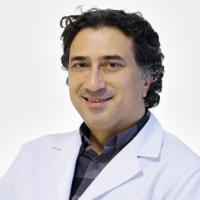
Medically reviewed by
Ergin Er
How it works
How Much Does Wide Nose Rhinoplasty Cost in Turkey?
Wide nose rhinoplasty in Turkey typically costs from $5,000 to $5,300. The final price depends on the surgical technique, the surgeon's experience, and the clinic's location. In the US, similar procedures cost around $10,500 on average. Turkey offers savings of around 50%. Most Turkish clinics provide all-inclusive packages covering surgery, hotel stays, and VIP transfers.
- Ultrasonic (Piezo) technique: Usually adds 15-20% to the base cost for precise bone shaping.
- Hospital accreditation: Surgery in JCI-accredited facilities often carries a 15-20% premium for safety.
- Regional variations: Packages in Istanbul may cost 15-20% more than in cities like Izmir.
- Surgical complexity: Revision cases or complex ethnic rhinoplasty typically require higher budgets than primary procedures.
Bookimed Expert Insight: Choosing a multi-specialty hospital like Memorial Antalya or Medipol Mega often provides the best value. These JCI-accredited centers offer international safety standards at competitive rates. For instance, Memorial Antalya is recognized for its high-tech hybrid operating rooms. Patients can find top-tier expertise from EBOPRAS-certified surgeons while still saving significantly compared to North American prices.
| Turkey | The UK | The USA | |
|---|---|---|---|
| Wide Nose Rhinoplasty | from $5,000 | ≈ $8,800 | ≈ $8,000 |
Discover the Best Wide Nose Rhinoplasty Clinics in Turkey: 13 Verified Options and Prices






See your new nose before surgery
Try the shape you want on your own photo and see how it sits with your features.
- Will it look natural, not obviously operated on?
- Will this shape suit my face and my features?
- What will I actually look like?

Scan to try it on your photo
Free in the Bookimed app · iOS and Android
Point your phone camera at the code
Free in the Bookimed app · iOS and Android
Try it on your photo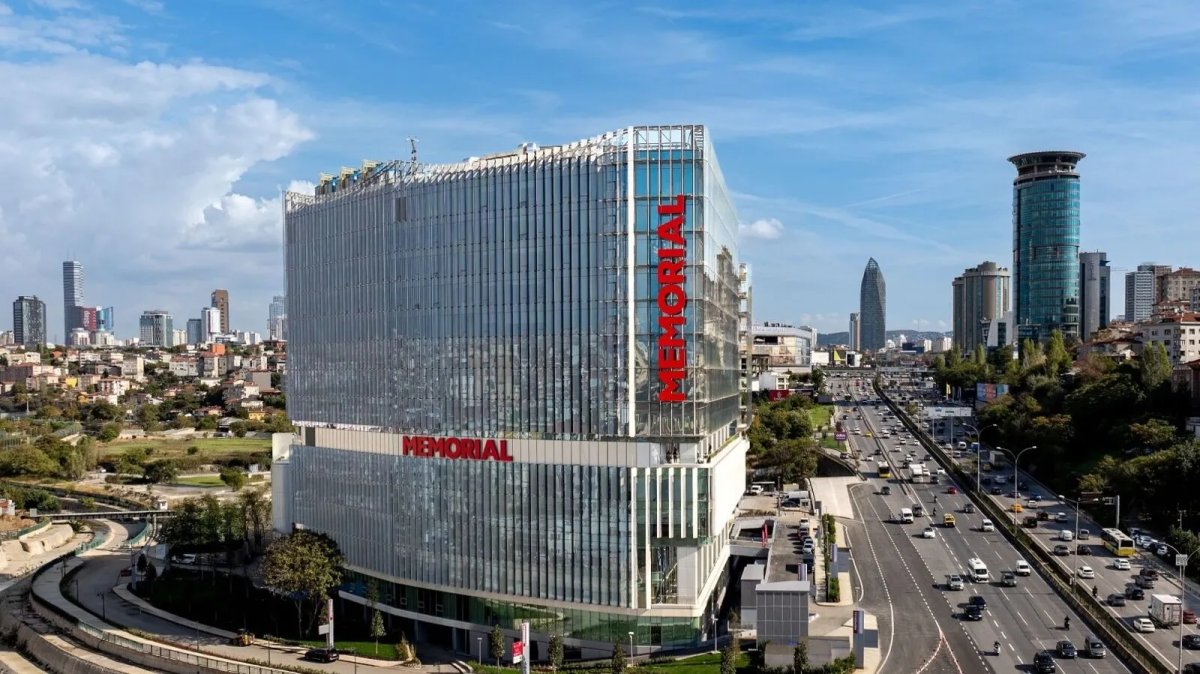
Memorial Göztepe Hospital
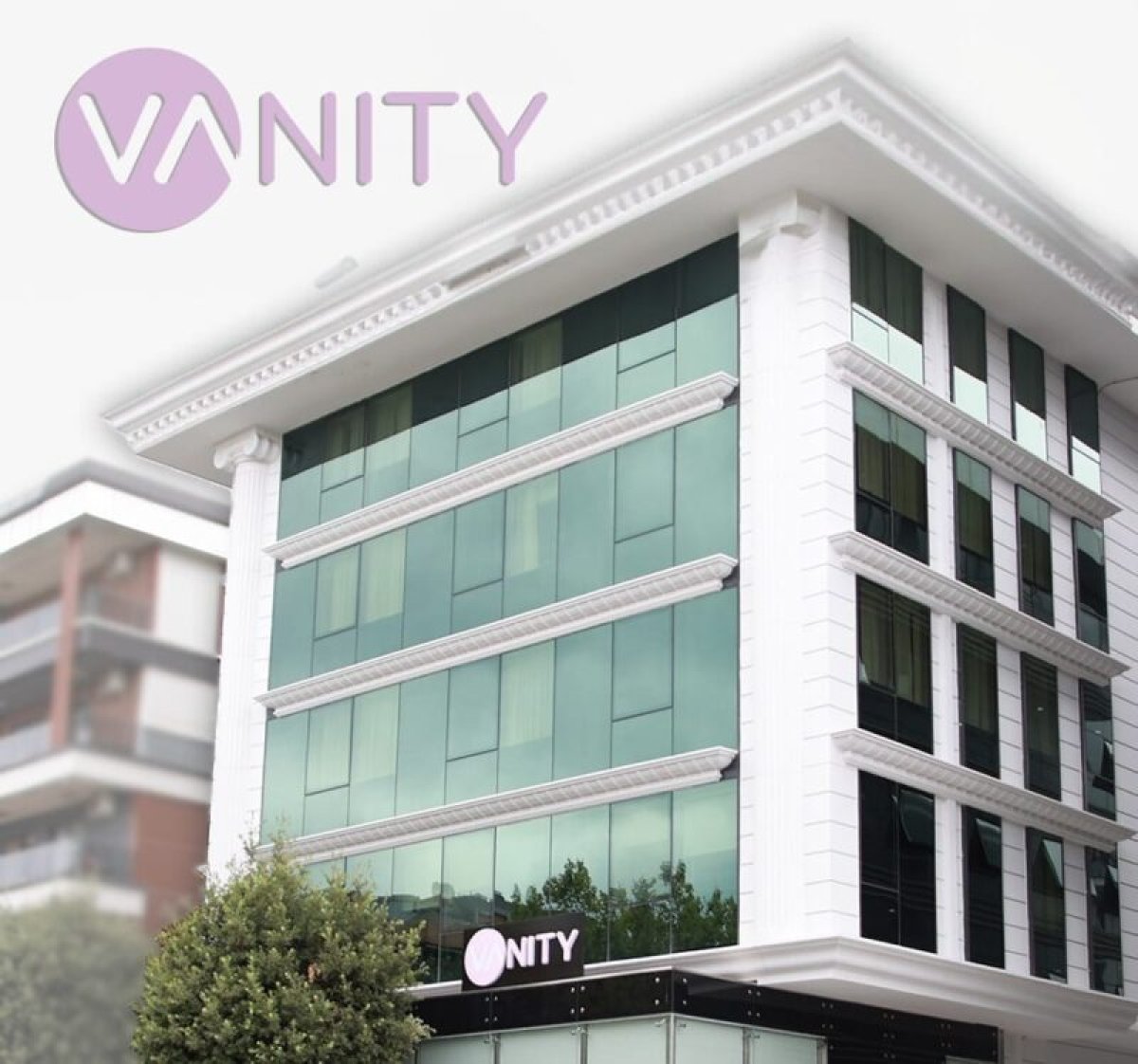
Vanity Cosmetic Surgery Center
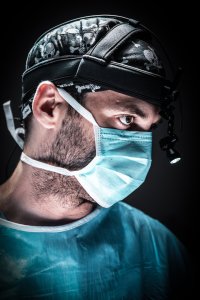
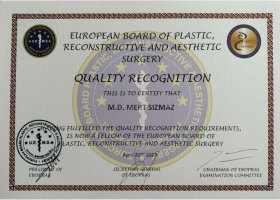
Mert Sizmaz

Dr. Safa Manav Clinic
Dr Safa Manav Md

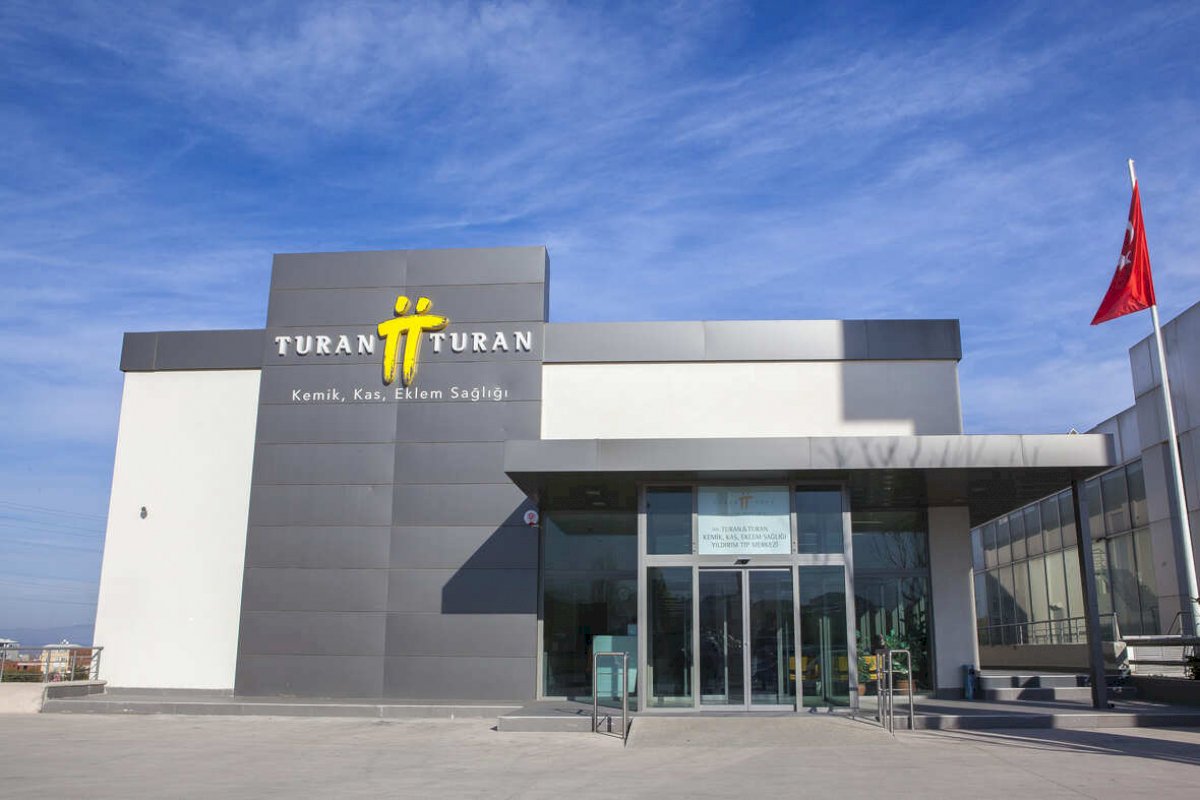
Turan Turan Health Group
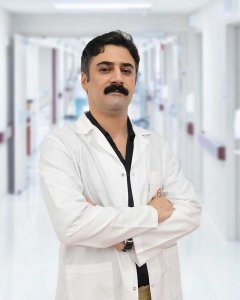
Semih Ozcinar









Wide Nose Rhinoplasty Overview in Turkey
- Rhinoplasty (nose job) - from $1,800The procedure alters the shape or size of the nose, enhancing facial harmony, and improving breathing issues.
- Tip rhinoplasty - from $1,500The procedure refines the nose"s tip, enhancing nasal balance and harmony through reshaping, offering a more aesthetically pleasing appearance.
- Closed rhinoplasty - from $2,000The operation reshapes the nose internally, ensuring a better profile with minimal scarring and faster recovery.
- Open rhinoplasty - from $2,000The nose reshaping via incisions on the outside to achieve greater surgical control and visibility.
- Revision rhinoplasty - from $2,500The procedure repairs previous nose surgeries results to improve nasal function and appearance through precise reconstructive techniques.
- Nasal hump removal - from $1,800The procedure smooths the nose"s shape by removing excess bone and cartilage, enhancing facial harmony.
- Asian Rhinoplasty - from $3,500**Asian Rhinoplasty**: This surgery reshapes the nose to achieve a natural, harmonious look, often using implants or cartilage grafts, with a focus on cultural and aesthetic preferences.
- Ethnic Rhinoplasty - from $3,200Reshaping the nose to enhance facial harmony while respecting and preserving the patient"s unique ethnic features, ensuring a natural-looking result with careful treatment planning and recovery guidance.
- Filler Rhinoplasty (Nose Filler) - from $350A non-surgical procedure uses injectable fillers to reshape and enhance the nose"s appearance, offering immediate results with minimal recovery time.
- Liquid Rhinoplasty - from $1,500A procedure to use injectable fillers to reshape and contour the nose, offering immediate results with minimal recovery time, perfect for those seeking subtle enhancements.
- Bulbous Nose Rhinoplasty - from $3,000Reshaping a rounded nasal tip by refining cartilage and tissue, enhancing facial harmony, with recovery typically involving mild swelling and downtime.
- Male Rhinoplasty - from $3,800Reshaping of a man"s nose for improved appearance or function, involving adjustments to bone and cartilage with a recovery period of several weeks.
- Wide Nose Rhinoplasty - from $5,000This surgical procedure reshapes the nose by narrowing and refining the nasal structure, enhancing facial harmony and often leading to improved breathing and self-confidence.
- Bookimed deposit: $200 or €200.
- Clinic deposit: Pay a set percentage in advance.
Our Trusted Doctors
View all Doctors
Cemal Firat
Professor Cemal Firat specializes in complex nasal reconstructions at Medical Park Antalya, combining aesthetic and functional precision.
- Board-certified in plastic and reconstructive surgery since 2007
- Expert in microsurgery techniques for refined nasal reshaping
- Director of academic research on surgical outcomes
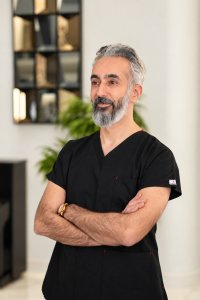
Furkan Erol Karabekmez
Dr. Furkan Erol Karabekmez is a plastic surgeon at his private clinic in Ankara. He completed a research fellowship at the prestigious Mayo Clinic in the USA. He is an EBOPRAS-certified surgeon, meeting European standards for aesthetic and reconstructive procedures. Dr. Karabekmez specializes in complex cases like revision rhinoplasty and congenital deformity repair.
- Holds a diploma from the European Board of Plastic, Reconstructive and Aesthetic Surgery.
- Published over 50 peer-reviewed articles and delivered 120+ scientific presentations.
- Performs surgeries at Acıbadem Ankara Hospital, an internationally accredited facility.
- Former research fellow at the Mayo Clinic department of plastic surgery.
Semih Ozcinar
Op. Dr. Semih Özçınar is a plastic, reconstructive, and aesthetic surgeon. He earned his M.D. from Ankara University and completed his plastic surgery residency at İnönü University. He is a member of the International Society of Aesthetic Plastic Surgery (ISAPS).
His scientific work includes an oral presentation at the 2022 National Congress of the Turkish Society of Plastic, Reconstructive and Aesthetic Surgery titled "Retrospective Analysis of Regional, Free, and Local Flaps in Head and Neck Reconstruction." He also wrote a thesis on the effect of septocolumellar flap use on nasal tip projection in rhinoplasty.
He has completed training in ISAPS Live Surgery Rhinoplasty, the ISAPS World Congress 2022 in Istanbul, Bosphorus Breast Live Surgery, the 9th Rhinoplasty & Facial Aesthetics fresh cadaver course, BTS International Aesthetic in Sweden, and FABCAST meetings. His focus areas are facial aesthetics, breast surgery, body contouring, and reconstruction.

Dogukan Aydenizoz
Dr. Dogukan Aydenizoz combines functional health with natural-looking aesthetic results in rhinoplasty at Medical Park Antalya Hospital Complex.
- Over 10 years of ENT and facial aesthetics experience
- Specialized in functional and aesthetic rhinoplasty
- Active member of Turkish Facial Plastic Surgery Association
- Graduated from Afyon Kocatepe University Faculty of Medicine
Video Stories from Bookimed Patients
Reviews about Bookimed: Discover Patients' Insights
All reviews









Share this content
 Anna Leonova

FAQ about Wide Nose Rhinoplasty in Turkey
Is it safe to have wide nose rhinoplasty in Turkey?
Wide nose rhinoplasty is safe in Turkey when performed by board-certified surgeons in Joint Commission International accredited hospitals. Safety is supported by high surgical volumes and advanced technologies like Piezo ultrasonic tools, which reduce tissue trauma and swelling during complex nasal bone reshaping.
- Surgeon credentials: Verify certification by the Turkish Society of Plastic Reconstructive and Aesthetic Surgeons (TSPRAS).
- Hospital standards: Top facilities like Medipol Mega University Hospital maintain rigorous Joint Commission International accreditation.
- Technological precision: Many clinics use Piezo devices for ultrasonic bone contouring with minimal soft tissue damage.
- Cost transparency: Wide nose rhinoplasty procedures generally range from $5,000 to $5,300 in Turkey.
Bookimed Expert Insight: Data shows that for wide nasal structures, choosing an Otorhinolaryngology (ENT) specialist often yields superior functional results. Surgeons like Dr. Furkan Erol Karabekmez, who holds European board certification, focus on structural integrity. This approach prevents common issues like nostril collapse in ethnic rhinoplasty cases.
Patient Consensus: Patients emphasize the importance of 3D simulations to align on aesthetic goals. Many recommend staying at least 14 days post-op to ensure proper initial healing before flying home.
What surgical techniques are used to narrow a wide nose?
High lateral and low-to-low osteotomies are the primary surgical techniques used to narrow a wide nasal bridge by precisely fracturing and repositioning the bones. Turkish surgeons frequently combine these with alar base reduction and domal suturing to refine flared nostrils and bulbous tips.
- Nasal osteotomy: Surgeons perform controlled bone cuts to infracture and narrow a wide bony bridge.
- Alar base reduction: Wedge excisions remove tissue from the nostril base to correct excessive flaring.
- Domal suturing: Permanent internal stitches pull tip cartilages together for a more defined, triangular shape.
- Piezo technology: Ultrasonic tools like those at Memorial Göztepe Hospital sculpt bone with minimal tissue trauma.
- Spreader grafting: Cartilage grafts reinforce the middle vault while narrowing the overall nasal width.
Bookimed Expert Insight: Data from high-volume centers like CE International Hospital reveals that specialized ethnic rhinoplasty techniques are now standard for wide noses. Leading Turkish professors often use CT scans for precise osteotomy planning. This ensures bone repositioning matches your unique facial symmetry rather than using a one-size-fits-all approach.
Patient Consensus: Expect temporary widening due to swelling and bruising for up to three weeks. Final narrowing results usually become clear only after the one-year mark.
How long does recovery take after wide nose rhinoplasty?
Recovery after wide nose rhinoplasty in Turkey typically allows most patients to return to desk work within 7 to 10 days. While initial swelling and bruising resolve significantly by month 1, the final refined shape for wide nasal structures requires 12 to 18 months to stabilize fully.
- Initial splint: Surgeons typically remove the external cast or splint between days 7 and 10.
- Bruising peak: Visible facial bruising and panda eyes generally fade within 10 to 14 days.
- Activity limits: Avoid cardiovascular exercise for 4 to 6 weeks to prevent internal nasal bleeding.
- Final definition: Patients with thicker skin may experience subtle tip swelling for up to 18 months.
Bookimed Expert Insight: While many think Istanbul is the only hub, Antalya clinics like Memorial Antalya Hospital or SALUSS Medical Group offer high-tier recovery environments for wide nose cases. Data shows these clinics often include extended 10 to 14-day hotel stays. This longer initial stay is crucial because wide nose procedures often involve bone resetting, which benefits from professional monitoring during the first 10 days.
Patient Consensus: Many patients report looking nearly normal by week 2, though they describe persistent nasal stiffness for the first 2 months. Those with wider nasal bases advise stocking up on arnica and cold packs to manage the pronounced mid-face swelling early on.
Will the surgery affect or diminish my ethnic features?
Modern wide nose rhinoplasty in Turkey focuses on refinement rather than erasure by using ethnic-sensitive techniques like conservative narrowing and rib grafting. Surgeons like Dr. Furkan Erol Karabekmez emphasize natural, preserved results that respect unique bone structures and thicker skin types to maintain cultural identity.
- Surgical approach: Surgeons utilize limited cephalic trim to prevent an unnatural, overly thinned nasal bridge.
- Structural support: Rib grafting provides necessary definition for wider nostrils without losing ethnic character.
- Anatomical focus: Techniques specifically address thicker skin and bulbous tips common in diverse ethnicities.
- Board certification: Specialists often hold European Board of Plastic, Reconstructive, and Aesthetic Surgery (EBOPRAS) diplomas.
Bookimed Expert Insight: Data from top Istanbul clinics shows a trend toward preservation-first surgery. For instance, professor-level surgeons often personally perform these procedures to ensure the 12,000+ annual patients maintain facial harmony. High-volume centers like Medipol Mega utilize advanced 3 Tesla MRI and 3D modeling to simulate outcomes before surgery starts.
Patient Consensus: Many patients find that Turkish surgeons often achieve better ethnic retention than Western doctors who may over-sculpt. They recommend providing diverse reference photos that showcase both your heritage and your desired improvements to the surgeon.
Will I have visible scars after rhinoplasty?
Most patients will not have visible scars after rhinoplasty. While internal incisions leave no marks, external techniques use a tiny 5mm incision on the columella. These typically fade to near-invisibility within 6 to 18 months when performed by board-certified Turkish surgeons using precision microsurgery.
- Closed technique: All incisions stay inside nostrils, resulting in zero visible external scarring.
- Open technique: A small V-shaped incision on the columella usually becomes skin-colored after 1 year.
- Alar reduction: Incisions for narrowing wide nostrils are hidden within the natural nasal creases.
- Healing phase: Redness typically peaks at 3 months before flattening and fading significantly by month 12.
Bookimed Expert Insight: For wide nose refinements, high-volume centers like Clinic Expert International Hospital often prefer the open approach for better structural precision. While patients worry about the columella mark, data shows that 95% of these scars become undetectable. The real value is in the superior nasal tip definition this access provides.
Patient Consensus: Patients describe the initial mark as a tiny pink line that quickly transitions to a barely visible white thread. Most emphasize that following strict sun protection protocols for 6 months is the most critical factor for a seamless result.
Will wide nose surgery improve my breathing?
Wide nose surgery improves breathing only when structural corrections like septoplasty or turbinate reduction are combined with cosmetic reshaping. While narrowing the nasal bridge involves fracturing bones, surgeons can simultaneously clear internal obstructions to ensure airflow remains functional or even significantly better post-operation.
- Structural correction: Surgeons like Dr. Dogukan Aydenizoz combine narrow aesthetics with internal septoplasty.
- Valve support: Using spreader grafts prevents nasal valve collapse during aggressive cosmetic narrowing.
- Airway clearance: Turbinate reduction at centers like Ento Surgical Medical Center addresses chronic congestion.
- Recovery period: Temporary breathing difficulty is normal for 1–3 weeks due to internal swelling.
Bookimed Expert Insight: Data from 3,112 requests shows a preference for Istanbul’s ENT-trained specialists over general plastic surgeons for wide nose cases. Clinics like CE International Hospital, which treat 12,000 patients annually, often use detailed nasal endoscopy to ensure that narrowing the external `flare` does not compromise the internal airway volume.
Patient Consensus: Patients emphasize that wide noses often have excellent baseline breathing, so you must insist on a pre-op CT scan. Many report that requesting specific grafts was the key to maintaining clear airflow after their bridge was narrowed.
How long should I plan to stay in Turkey after surgery?
Plan to stay in Turkey for 7 to 12 days following a wide nose rhinoplasty. Most surgeons require a minimum of 7 days for initial healing before removing nasal casts or external splints. A 10-day stay is ideal to ensure post-operative monitorings and safe travel clearance.
- Cast removal: Surgeons typically remove the protective nasal cast on day 7 post-surgery.
- Suture checks: Final medical evaluations and suture checks usually occur between days 10 and 12.
- Travel clearance: A Fit to Fly document is issued after the final in-clinic follow-up appointment.
- Recovery buffer: Staying 10 days allows for management of initial swelling from wide nose reductions.
Bookimed Expert Insight: Data shows that while basic rhinoplasty patients often depart on day 8, wide nose reconstructions involve more extensive bone and cartilage work. Choosing a 12-day stay is a smart move because it aligns with the day 10 follow-up at specialized centers like CE International Hospital. This extra window allows surgeons to monitor the significant swelling typical of width reduction before you face cabin pressure changes.
Patient Consensus: Many patients advise against leaving immediately after cast removal on day 7. They recommend staying until day 10 or 12 to ensure all internal sutures are stable and breathing is comfortable for the flight home.