Rehabilitation After Traumatic Brain Injury in Republic of Korea — Get 3 Top Clinic Matches with Costs
Bookimed lists 2 rehabilitation after traumatic brain injury clinics in the Republic of Korea, all in Seoul. These clinics are rated 4.6/5 in 50 verified patient reviews on Bookimed.


Medically reviewed by
Fahad Mawlood
How Much Does Rehabilitation after traumatic brain injury Cost in Republic of Korea?
Rehabilitation after traumatic brain injury in Republic of Korea typically costs from $9,000 to $20,000. Total expenses depend on the hospital tier, duration of stay, and intensity of specialized therapies. In the US, similar procedures cost around $67,500 on average. Patients can achieve savings of around 79% compared to US prices. Standard rehabilitation includes intensive neurological monitoring, physical therapy, and cognitive sessions in specialized centers across Seoul and Incheon.
- Robotic neurorehabilitation: Typically adds a 20-30% premium for advanced intensive motor skills recovery.
- Cognitive rehabilitation: Focused 14-day programs target memory, executive function, and speech language processing.
- Inpatient daily rates: Intensive care accommodation usually starts between $450 and $550 per day.
- Hyperbaric oxygen therapy: Specialized 20-day courses are available as an add-on for cellular recovery.
Bookimed Expert Insight: Choosing JCI-accredited facilities in Seoul provides significant value through integrated digital systems. Severance Hospital and SNUBH utilize advanced BESTcare systems to prevent medical errors. These clinics manage over 1.5 million outpatients annually, ensuring high clinical expertise. Expert neurologists like Yeon Jung Kim offer personalized protocols often found at lower rates than US equivalents. Approximately $15,000 provides access to technologies typically reserved for premium tier American university hospitals.
| Republic of Korea | Turkey | Austria | |
|---|---|---|---|
| Rehabilitation after traumatic brain injury | ≈ $9,000 | from $220 | ≈ $16,500 |
Your Benefits and Guarantees with Bookimed
Transparent Prices & Flexible Installments
No hidden fees – just official clinic prices. Pay at the clinic for Rehabilitation after traumatic brain injury upon arrival and use a flexible installment plan if needed.
Verified Clinics & Doctors Only
Bookimed is committed to your safety. We only work with medical institutions that maintain high international standards in Rehabilitation after traumatic brain injury and have the necessary licenses to serve international patients worldwide.
Free 24/7 Assistance
Bookimed offers free expert assistance. A personal medical coordinator supports you before, during, and after your treatment, solving any issues. You're never alone on your Rehabilitation after traumatic brain injury journey.

Your personal Bookimed medical coordinator
- Supports you at every stage
- Helps choose the right clinic and doctor
- Ensures quick and convenient access to information
Discover the Best Rehabilitation after traumatic brain injury Clinics in Republic of Korea: 2 Verified Options and Prices







Rehabilitation after traumatic brain injury Overview in Republic of Korea
Day 1
- Arrival to the country.
- VIP transfer to the apartment.
Day 2-3
- Consultation with a neurologist.
- Undergoing necessary medical tests.
- Additional procedures if required.
Week 1-3
- Start of Rehabilitation process.
- Process specifics and duration are individual.
- Activities like physiotherapy and speech therapy.
Week 4-6
- Continued rehabilitation.
- Possible return to light work duties.
Week 7-9
- Progress assessment by specialists.
- Adjustments to therapy if needed.
Week 10-12
- End of intensive rehabilitation.
- Return to sport and other activities.
- Final result evaluation.
Please note, each case is individual and the timeline may vary.
What patients like:
- Cost.The Rehabilitation after traumatic brain injury cost in Republic of Korea ranges from $9,000 to $20,000. In contrast, the United States averages $50,000, making Korea more affordable.
- Doctor’s professionalism.. Patients appreciate the high quality of medical training in Korea. Many Korean doctors hold international certifications and memberships in global neurology organizations.
- Service level. Korean rehabilitation centers provide exceptional service, with caring and attentive staff. Patients often highlight the personalized and comprehensive care they receive.
- Rehabilitation after traumatic brain injury efficacy. The use of advanced techniques and technologies in Korea leads to successful rehabilitation outcomes, with many patients reporting significant improvements.
- Logistics. Patients value the seamless process in Korea, from initial consultations to follow-up appointments. The efficient healthcare system minimizes waiting times.
What patients don't like:
- Language Barrier. Some patients struggle with the language barrier, as not all staff members are fluent in English.
- Distance. For international patients, the distance and travel can be challenging and expensive.
- Food. Some patients might not enjoy the local Korean cuisine served in the facilities.
- Bookimed deposit: $200 or €200.
- Clinic deposit: Pay a set percentage in advance.
Our Doctors
View all Doctors
Kyoung Heo
The doctor is a leading neurologist in South Korea, specializing in epilepsy treatment. Currently, the doctor serves as the Head of the Neurology Department at Yonsei Severance Hospital.
The doctor graduated from Yonsei University College of Medicine and is an active member of several professional organizations, including The Korean Epilepsy Society, The Korean Neurological Association, and The Korea Medical Association.
Share this content
Video Stories from Bookimed Patients
 Anna Leonova

Fast Facts about Rehabilitation after traumatic brain injury
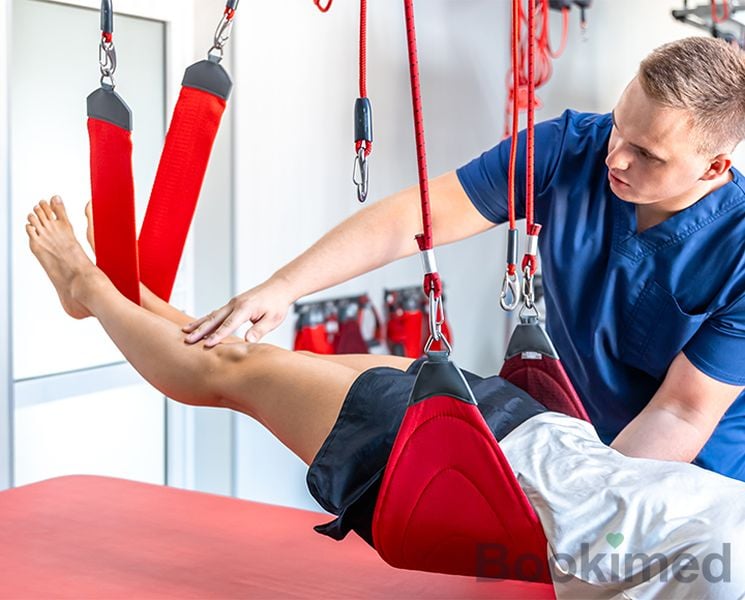
Rehabilitation after Traumatic Brain Injury
Neuro rehab focuses on restoring function and improving quality of life after a traumatic brain injury.
FAQ about Rehabilitation after traumatic brain injury in Republic of Korea
Do I need a visa to South Korea?
Today, South Korea has visa-free agreements with 112 states. None visa is required for stays under 90 days or less. To stay longer in this country, you need a visa. What states need a visa for treatment in South Korea and what countries can cross the border free and easy read here.
What is the level of medicine in South Korea?
Healthcare is the key development sector of the Korean government. The Korean authorities are convinced that care for the citizens' health should be an absolute priority of state policy and spend about 1 billion a year for medical tourists attraction.
According to Mark Britnell, hospitals dominate the health system. 94% of hospitals are privately owned.
What are the most popular plastic surgery procedures?
According to ASPS statistics, 17.7 mln cosmetic surgeries and 5.8 mln reconstructive procedures have been performed in 2018. Among cosmetic procedures the most popular are:
- breast augmentation
- liposuction
- rhinoplasty (nose job)
- eyelid surgery
- tummy tuck.
Tumor removal, laceration repair, maxillofacial surgery, scar revision, hand surgery are the most common operations in the context of reconstructive surgery.
What documents are required to apply for a visa to South Korea for treatment?
Visas for travel to South Korea require a number of documents. The necessary papers can be submitted 90 days before the planned departure. Lists of documents includes:
- ID card
- confirmation of online registration and filling out the questionnaire
- certificate of income and availability of funds
- insurance policy for a stay in South Korea (original and copy)
- 2 photos (5x6)
- visa receipt
- booking of flight and hotel
- medical opinion about the need for treatment.
What should you know about South Korea before the trip?
Currency | South Korean Won (you also can pay for services in dollars) |
Best period for the trip | April, May & June or September, October & November. |
Language | Korean (most of medical staff speaks English fluently) |
Visa | none required for stays under 90 days or less |
Time difference with Europe | 9 hours |
Time difference with the USA | 9 hours |
Capital | Seoul |
Medical tourism center | Seoul |
Popular resorts | Gangwon-do, Gyeongju, Boseong, Jeju |
What hotel services are provided here?
In South Korea, hotels of different price ranges and service levels are presented. Most tourists choose 4 and 5 star hotels with all-inclusive meals. Such hotels have everything for a comfortable stay: varied food, a large well-groomed territory, animation for children and adults. Some hotels have their own water park, which guests can use for free. Budget travelers can afford to book an economical 3-star hotel with half board or no meals at all.