Surgical treatment of epilepsy in Republic of Korea — get 3 personalized clinic matches
Bookimed lists 8 surgical treatment of epilepsy clinics in the Republic of Korea, in Seoul and Goyang, including KOIHA-accredited and JCI-accredited clinics. These clinics are rated 4.5/5 in 73 verified patient reviews on Bookimed.

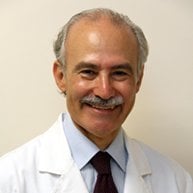
Medically reviewed by
Antonio Russi
How it works
How Much Does Surgical treatment of epilepsy Cost in Republic of Korea?
Surgical treatment of epilepsy in the Republic of Korea costs from $18,000 to $32,000 on average. Final pricing depends on the surgical approach, required neuroimaging, and the level of hospital digitalization. In the US, similar procedures cost around $112,500 on average. Patients save around 78% compared to US prices. Standard quotes typically include pre-operative screening, surgeon fees, and ten days of hospitalization.
- Vagus nerve stimulation: $22,000 to $30,000 for a palliative implantable device.
- Deep brain stimulation: Typically adds 20-30% over standard surgery due to neurostimulator device costs.
- High-tech digital centers: Premium facilities using AI-integrated systems can cost significantly more than standard clinics.
- Minimally invasive approach: Specialized techniques using smaller incisions are available at tertiary centers like Ewha University.
Bookimed Expert Insight: Choosing a multi-disciplinary hub like Asan Medical Center or Severance Hospital offers the best value. These JCI-accredited facilities perform over 65,000 operations annually for approximately $12,600 to $27,300. This is a fraction of the cost at highly digitalized centers like SNUBH, where packages start around $95,400. Both tiers maintain world-class standards and Newsweek rankings.
| Republic of Korea | Turkey | Austria | |
|---|---|---|---|
| Surgical treatment of epilepsy | ≈ $18,000 | from $9,600 | ≈ $24,000 |
| Vagus nerve stimulation | ≈ $22,000 | from $15,000 | ≈ $24,000 |
| Multiple subpial transections | ≈ $14,000 | ≈ $12,500 | ≈ $19,500 |
| Medication treatment for epilepsy | from $740 | from $1,300 | ≈ $1,200 |
Discover the Best Surgical treatment of epilepsy Clinics in Republic of Korea: 8 Verified Options and Prices
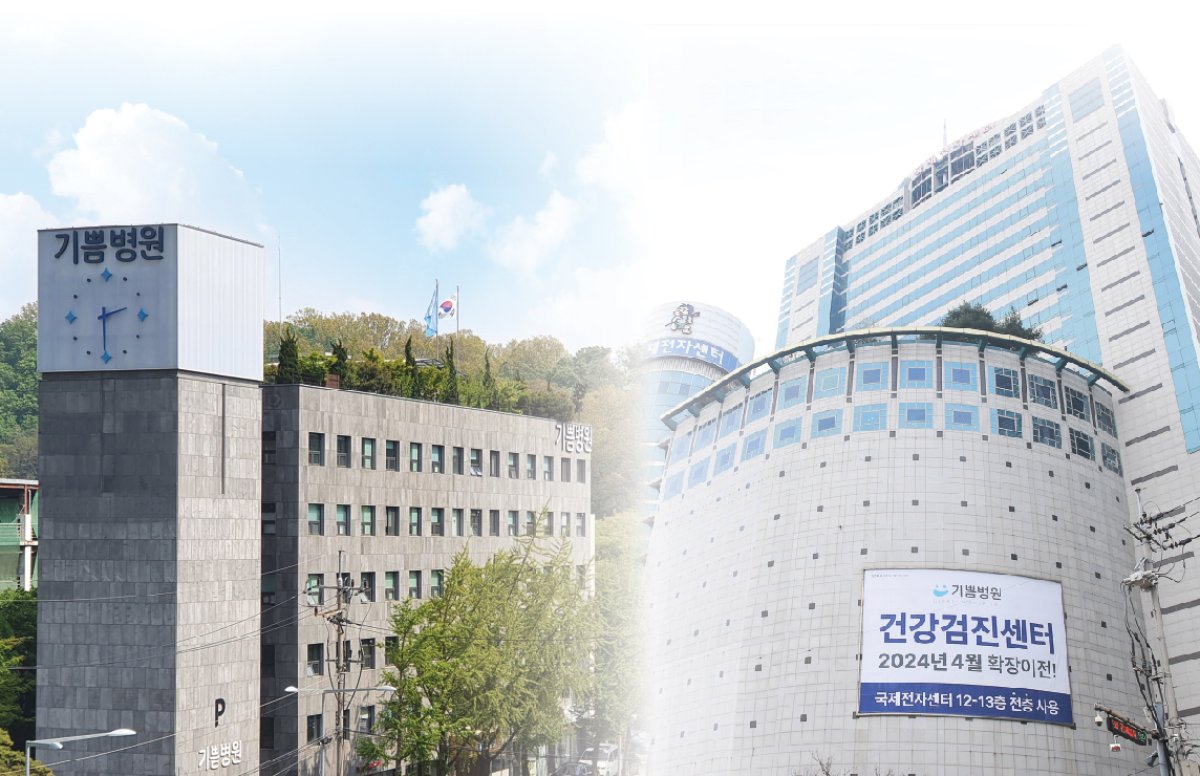
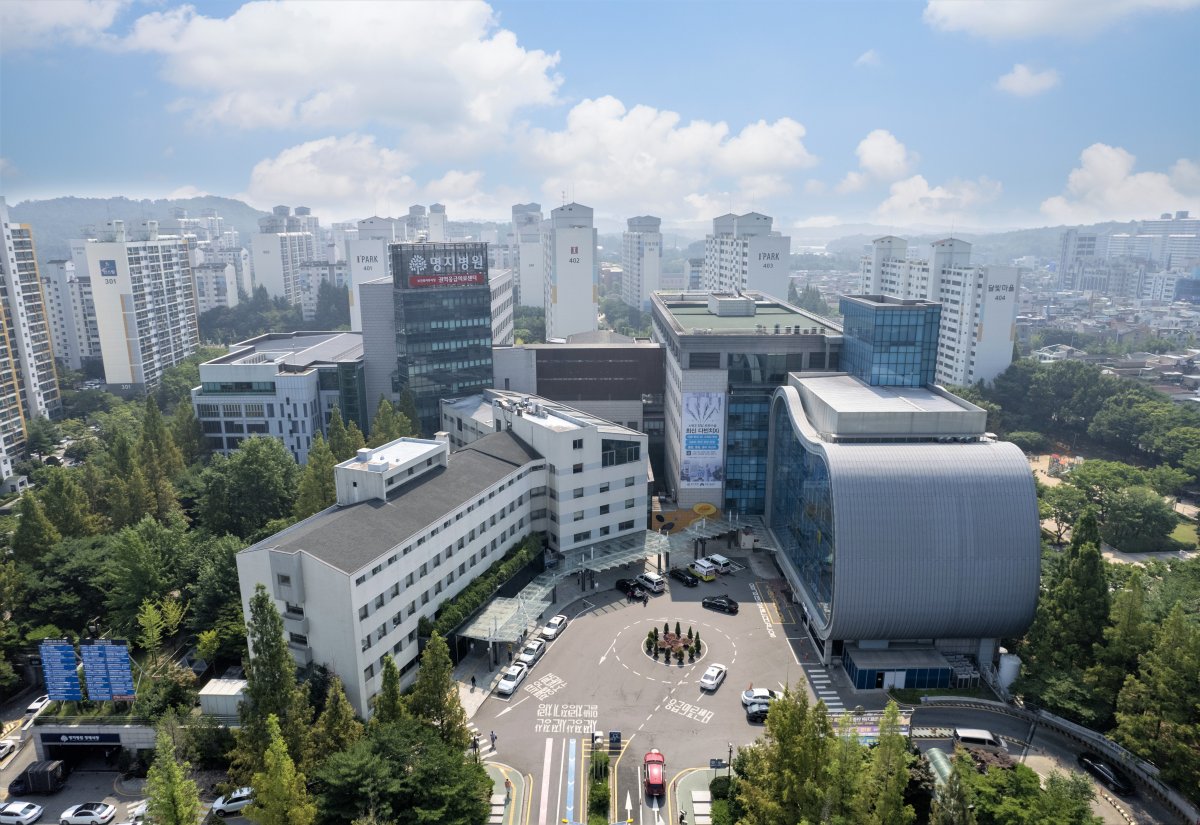

Ewha Womans University Medical Center
Paik Nam-sun














Surgical treatment of epilepsy Overview in Republic of Korea
- Medication treatment for epilepsy - from $740This therapy uses drugs to control seizures, helping patients lead normal, active lives.
Day 1
- Arrive in the country for treatment.
- Transfer from the airport to the hotel.
Day 2
- Transfer from the hotel to the clinic.
- Consultation with epilepsy specialists.
Day 3
- Undergo a head MRI.
- Additional medical tests if necessary.
Day 4
- Preparation for surgery.
- Consultation with anesthesiologist for type of anesthesia.
Day 5
- Surgical treatment of epilepsy which lasts a few hours.
- Post-operation monitoring in the recovery room.
Day 6-14
- Stay in the clinic for post-operation monitoring.
- Begin initial stages of rehabilitation.
Week 3-4
- Discharged to hotel for continued recovery.
- Return to light daily activities.
Week 5-6
- Continue rehabilitation program.
- Gradual return to full daily activities.
Week 7+
- Final consultation with the specialist.
- Transfer from the hotel to the airport for departure.
Please note that each patient"s case is individual and may vary. Decisions about the exact course of treatment should be made in cooperation with your healthcare provider.
What patients like:
- Cost.The Surgical treatment of epilepsy cost in Republic of Korea ranges from $18,000 to $32,000. Compared to the average cost in the United States, which is around $40,000, this is a more affordable option.
- Doctor’s professionalism.. Korean neurosurgeons are renowned for their expertise, holding international certifications and memberships in prestigious medical organizations. They have performed numerous successful epilepsy surgeries.
- Service level. In Korea, healthcare services are top-notch. Patients frequently praise the attention to detail, cleanliness, and the compassionate care provided by the staff.
- Surgical treatment of epilepsy efficacy. Modern techniques and advanced technology used in Korea result in high success rates for epilepsy surgery.
- Logistics. Korea offers easy accessibility with its world-class airports and public transportation. Medical tourism packages often include accommodation and transportation facilities.
What patients don't like:
- Despite the affordable cost, some patients still find the price of treatment relatively high compared to other Asian countries.
- Language can be a barrier for some international patients, although most hospitals have English-speaking staff and interpreters.
- While the waiting time for surgery is generally short, the waiting time for consultations and follow-ups can be long due to the high demand for services.
- Bookimed deposit: $200 or €200.
- Clinic deposit: Pay a set percentage in advance.
Our Doctors
View all Doctors
Won-Han Shin
Neurosurgeon, specializing in spinal neurosurgery
35 years old
- In 1991, he was invited to the Department of Neurosurgery at Thomas Jefferson University and Jefferson Medical College, USA.
- Member of the American Association of Neurological Surgeons.
- Member of the Cervical Spine Research Society.
- Member of the World Federation of Neurosurgical Societies.
Paik Nam-sun
Dr. Paik Nam-sun is a surgical oncologist at Ewha Womans University Medical Center in Seoul. He is recognized as one of the world's top 100 gastric and breast cancer surgeons. He performed the first breast-conserving surgery in South Korea. Dr. Paik also invented a proprietary stomach cancer technique to reduce reflux disease risk.
- Director of the Cancer Center for Women at Ewha Womans University Medical Center.
- Former President of Konkuk University Hospital.
- Served as the Director of the Korea Cancer Center Hospital.
- Former President of the Korean Society of Cancer Prevention.

Kyoung Heo
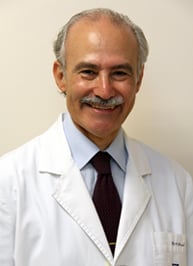
The doctor is a leading neurologist in South Korea, specializing in epilepsy treatment. Currently, the doctor serves as the Head of the Neurology Department at Yonsei Severance Hospital.
The doctor graduated from Yonsei University College of Medicine and is an active member of several professional organizations, including The Korean Epilepsy Society, The Korean Neurological Association, and The Korea Medical Association.
Video Stories from Bookimed Patients
Related Articles

Diagnosed With Epilepsy. Now what? Your 12 To-Dos Roadmap
Written by Anna Leonova
Share this content
 Anna Leonova
FAQ about Surgical treatment of epilepsy in Republic of Korea
Do I need a visa to South Korea?
Today, South Korea has visa-free agreements with 112 states. None visa is required for stays under 90 days or less. To stay longer in this country, you need a visa. What states need a visa for treatment in South Korea and what countries can cross the border free and easy read here.
What is the level of medicine in South Korea?
Healthcare is the key development sector of the Korean government. The Korean authorities are convinced that care for the citizens' health should be an absolute priority of state policy and spend about 1 billion a year for medical tourists attraction.
According to Mark Britnell, hospitals dominate the health system. 94% of hospitals are privately owned.
What are the most popular plastic surgery procedures?
According to ASPS statistics, 17.7 mln cosmetic surgeries and 5.8 mln reconstructive procedures have been performed in 2018. Among cosmetic procedures the most popular are:
- breast augmentation
- liposuction
- rhinoplasty (nose job)
- eyelid surgery
- tummy tuck.
Tumor removal, laceration repair, maxillofacial surgery, scar revision, hand surgery are the most common operations in the context of reconstructive surgery.
What documents are required to apply for a visa to South Korea for treatment?
Visas for travel to South Korea require a number of documents. The necessary papers can be submitted 90 days before the planned departure. Lists of documents includes:
- ID card
- confirmation of online registration and filling out the questionnaire
- certificate of income and availability of funds
- insurance policy for a stay in South Korea (original and copy)
- 2 photos (5x6)
- visa receipt
- booking of flight and hotel
- medical opinion about the need for treatment.
What should you know about South Korea before the trip?
Currency | South Korean Won (you also can pay for services in dollars) |
Best period for the trip | April, May & June or September, October & November. |
Language | Korean (most of medical staff speaks English fluently) |
Visa | none required for stays under 90 days or less |
Time difference with Europe | 9 hours |
Time difference with the USA | 9 hours |
Capital | Seoul |
Medical tourism center | Seoul |
Popular resorts | Gangwon-do, Gyeongju, Boseong, Jeju |
What hotel services are provided here?
In South Korea, hotels of different price ranges and service levels are presented. Most tourists choose 4 and 5 star hotels with all-inclusive meals. Such hotels have everything for a comfortable stay: varied food, a large well-groomed territory, animation for children and adults. Some hotels have their own water park, which guests can use for free. Budget travelers can afford to book an economical 3-star hotel with half board or no meals at all.