Da Vinci Gastric Sleeve Surgery in Spain — Get 3 Top Clinic Matches with Costs
Bookimed lists 2 da vinci gastric sleeve surgery clinics in Spain, in Madrid and Pamplona, including JCI-accredited clinics. These clinics are rated 4.8/5 in 10 verified patient reviews on Bookimed.


Medically reviewed by
Fahad Mawlood
How Much Does Da Vinci Gastric Sleeve Surgery Cost in Spain?
Da Vinci Gastric Sleeve Surgery in Spain typically costs from $8,200 to $8,200. Prices depend on the robotic system fees, clinic location, and surgeon expertise. Patients save approximately 55% compared to the US, where costs average $21,300. Major medical hubs include Barcelona, Madrid, Valencia, and Pamplona. Standard packages usually cover the robotic platform usage, anesthesia, and a hospital stay of 2–4 nights.
- Robotic system fees: Higher than standard laparoscopy due to specialized instruments and maintenance.
- Clinical location: Prices in major hubs like Barcelona typically run 15-20% higher than regional centers.
- Hospital stay duration: Extended monitoring for complex cases adds to the total facility and care costs.
- Pre-operative diagnostics: Comprehensive blood work, imaging, and specialist consultations are factored into total pricing.
Bookimed Expert Insight: Choosing a facility with international standing provides exceptional value for robotic weight loss surgery. Clinica Universidad de Navarra was the first in Spain to receive Joint Commission International (JCI) accreditation. It is consistently ranked among the world's best hospitals by Newsweek. While robotic procedures naturally command a premium, these high-volume centers offer streamlined protocols. Patients benefit from advanced digital imaging and smart building technology at similar costs to regional private clinics.
| Spain | Turkey | The USA | |
|---|---|---|---|
| Da Vinci Gastric Sleeve Surgery | ≈ $8,200 | from $6,000 | ≈ $17,500 |
Your Benefits and Guarantees with Bookimed
Transparent Prices & Flexible Installments
No hidden fees – just official clinic prices. Pay at the clinic for Da Vinci Gastric Sleeve Surgery upon arrival and use a flexible installment plan if needed.
Verified Clinics & Doctors Only
Bookimed is committed to your safety. We only work with medical institutions that maintain high international standards in Da Vinci Gastric Sleeve Surgery and have the necessary licenses to serve international patients worldwide.
Free 24/7 Assistance
Bookimed offers free expert assistance. A personal medical coordinator supports you before, during, and after your treatment, solving any issues. You're never alone on your Da Vinci Gastric Sleeve Surgery journey.

Your personal Bookimed medical coordinator
- Supports you at every stage
- Helps choose the right clinic and doctor
- Ensures quick and convenient access to information
Discover the Best Da Vinci Gastric Sleeve Surgery Clinics in Spain: 2 Verified Options and Prices
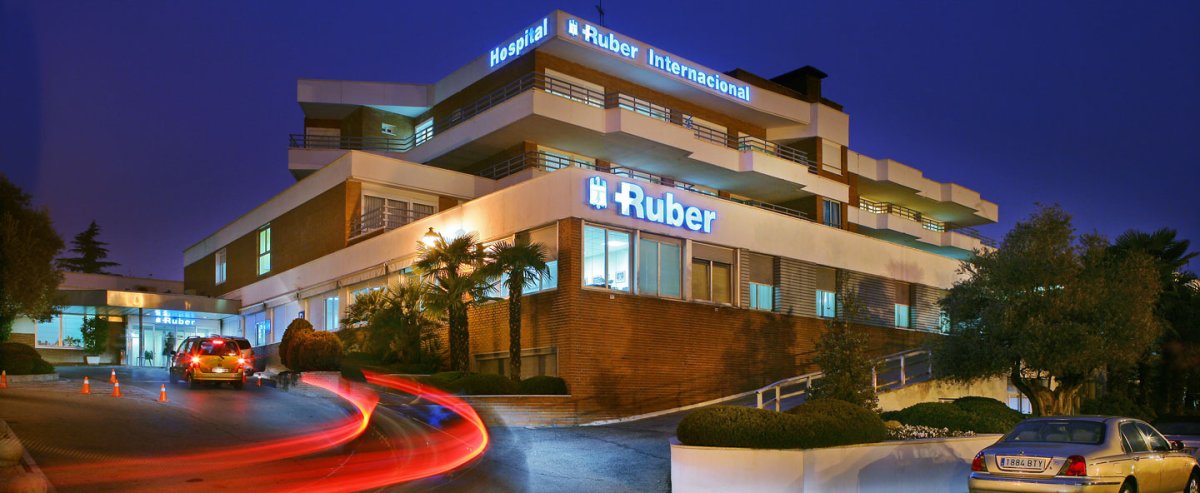









Da Vinci Gastric Sleeve Surgery Overview in Spain
- Gastric sleeve surgery (Sleeve gastrectomy) - from $7,400The Gastric Sleeve Surgery reduces stomach size, controlling food intake for weight loss. It's less invasive with quicker recovery periods.
Day 1
- Arrival at the country"s international airport.
- VIP transfer to a 5-star hotel for accommodation.
- Rest and acclimatize to the new environment.
Day 2
- Consultation with a bariatric surgeon.
- Pre-operative tests including blood tests, EKG, and chest X-ray.
- Meet with an anesthesiologist to discuss anesthesia details.
Day 3
- Undergo Da Vinci Gastric Sleeve Surgery.
- The surgery typically lasts one to two hours.
- General anesthesia is used during the procedure.
Day 4 - Day 7
- Post-operative care in the clinic including pain management.
- Start on a liquid diet under the guidance of a dietitian.
- Begin light physical activity as recommended by the surgeon.
Week 2 - Week 4
- Gradual transition to a soft food diet.
- Continue with light physical activity.
- Follow-up consultation with the surgeon.
Week 5 - Week 8
- Return to work if your job does not involve heavy physical activity.
- Gradual transition to a regular diet.
Week 9 onwards
- Return to normal physical activity, excluding heavy lifting.
- Final result visible after about 12 weeks post-surgery.
Please note that the timeline and procedures may vary depending on individual health conditions and recovery progress.
- Bookimed deposit: $200 or €200.
- Clinic deposit: Pay a set percentage in advance.
Our Doctors
View all Doctors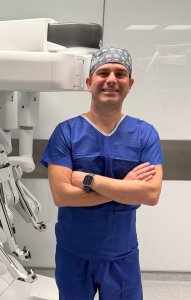
Carlos Garcia Vasquez
Dr. Carlos Garcia Vasquez is a general surgeon at Centro PAD in Madrid. He holds a patent for a prosthetic implantation system for abdominal wall surgery. Dr. Garcia Vasquez serves as Associate Head of Surgery at Infanta Elena University Hospital. He earned his PhD in Surgery with summa cum laude honors.
- Certified in robotic surgery using the Da Vinci X, Xi, and 5 platforms.
- Specially trained in laparoscopic surgery at IRCAD in Strasbourg, France.
- Focuses on minimally invasive colorectal, proctologic, and abdominal wall procedures.
- Member of the Spanish Association of Surgeons and the Spanish Association of Coloproctology.

Gema Frübecke
Dr. Gema Frübecke is the Director of the Obesity Therapy Department at Clínica Universidad de Navarra. She specializes in endocrinology, nutrition, and medical weight loss. Dr. Frübecke treats obesity and complex metabolic disorders at a facility ranked among the World's Best Hospitals by Newsweek.
- Specialist in endocrinology and nutrition science.
- Works at JCI-accredited Navarra Hospital.
- Treats patients in a clinic that serves 140,000 people annually.
- Combines medical weight loss strategies with gastroenterology and endocrinology.
Share this content
Video Stories from Bookimed Patients
 Anna Leonova

FAQ about Da Vinci Gastric Sleeve Surgery in Spain
What are the benefits of using the Da Vinci system for a gastric sleeve surgery?
Da Vinci gastric sleeve surgery provides enhanced surgical precision through a 3D high-definition vision system and wristed instruments. This robotic platform allows for smaller incisions, reduced post-operative pain, and lower risks of gastrointestinal leaks compared to traditional laparoscopic or open surgical methods.
- Surgical precision: Wristed instruments provide a greater range of motion than the human hand.
- Minimally invasive: Smaller incisions result in minimal scarring and reduced risk of infections.
- Recovery speed: Patients typically experience faster returns to daily activities and shorter hospital stays.
- Enhanced visualization: 3D high-definition imaging allows surgeons to navigate complex anatomy with extreme accuracy.
Bookimed Expert Insight: While robotic surgery is more advanced, its value shines in Spain's top JCI-accredited hospitals. Centers like Hospital Ruber Internacional integrate Da Vinci Xi technology with massive surgical volumes. This combination of robotic high-tech and seasoned surgical experience often explains the high success rates.
Patient Consensus: Many patients notice that incisions require only surgical glue and become nearly invisible over time. They often report a much smoother recovery with significantly less discomfort than they initialy anticipated.
Is Spain a safe destination for robotic bariatric surgery?
Spain is a safe, high-authority destination for robotic bariatric surgery due to its strict European Union healthcare regulations and JCI-accredited facilities. Surgeons utilize advanced Da Vinci Xi systems, ensuring high precision with lower complication rates and no mortality reported in recent robotic-assisted bariatric cases.
- System precision: Surgeons use the Da Vinci Xi system for minimally invasive, high-dexterity maneuvers.
- Hospital standards: Top facilities like Hospital Ruber Internacional maintain ISO 9001 and JCI accreditations.
- Specialized expertise: Spanish clinics are global leaders in technology, often hosting elite EU medical summits.
- Low complications: Robotic approaches significantly reduce risk compared to traditional open bariatric surgery methods.
Bookimed Expert Insight: Spain ranks 4th globally for medical tourism requests on our platform, signaling high trust. Clinics like Clinica Universidad de Navarra were pioneers, being the first in Spain to secure JCI accreditation. This long-standing commitment to international safety standards makes Spanish centers exceptionally reliable for complex robotic procedures.
Patient Consensus: Patients are advised to confirm if their chosen facility is recognized by the European Association for Endoscopic Surgery. Direct consultation regarding a surgeon’s specific robotic experience is highly recommended for peace of mind.
How much weight can I expect to lose after Da Vinci gastric sleeve surgery?
Patients typically lose 60-70% of excess body weight within 12-24 months after Da Vinci robotic gastric sleeve surgery. The procedure utilizing the Da Vinci Xi system can lead to a 25.7% total body weight reduction within two years through high-precision robotic assistance.
- Early results: Many patients lose 50-60% of excess weight in the first six months.
- Initial progress: Expect to lose 10-20 pounds during the first two weeks post-surgery.
- Activity limits: Lifting is restricted to 5 lbs for 4-6 months to ensure healing.
- Dietary restrictions: Avoid carbonated drinks and caffeine for 30 days to manage post-op bloating.
Bookimed Expert Insight: Spain’s top facilities like Hospital Ruber Internacional and Clinica Universidad de Navarra maintain Joint Commission International accreditation while using advanced Da Vinci Xi technology. While weight loss results mirror laparoscopic methods, robotic precision often reduces surgical site infections. This safety profile is particularly beneficial for patients with higher BMI levels.
Patient Consensus: Many patients feel better by day 4 but emphasize needing assistance for roughly 2 weeks. Consistent sentiment highlights that long-term success requires strictly following gastric sleeve protocols alongside robotic precision.
How long does the recovery process take after Da Vinci gastric sleeve surgery?
Recovery after Da Vinci gastric sleeve surgery in Spain typically allows patients to return to daily activities within 2 to 4 weeks. Most patients achieve full healing within 6 weeks due to the precision of robotic-assisted techniques that minimize tissue trauma and post-operative pain.
- Hospital stay: Expect 24 to 48 hours for monitoring before discharge.
- Activity levels: Light walking starts immediately to reduce gas pain and clots.
- Work return: Most patients resume non-physical desk jobs within 2 to 3 weeks.
- Full recovery: Complete internal healing and dietary transitions usually conclude by week 6.
Bookimed Expert Insight: While basic robotic surgery is available globally, choosing Spanish centers like Hospital Ruber Internacional provides access to the Da Vinci Xi system. This newer technology allows for even smaller incisions than standard laparoscopy. Data suggests over 80% of patients at top-tier JCI-accredited facilities move from liquid to soft foods faster than with traditional methods.
Patient Consensus: Patients highlight that while the robotic system provides precision, recovery still requires strict adherence to gradual dietary stages. Many emphasize that early walking was the most effective way to manage initial discomfort.
Where can I find the best hospitals for Da Vinci surgery in Spain?
Spain hosts world-class facilities for Da Vinci surgery in Madrid, Barcelona, and Pamplona. Top-tier institutions like Hospital Ruber Internacional and Clinica Universidad de Navarra utilize advanced robotic platforms like the Da Vinci Xi to enhance surgical precision, reduce recovery times, and minimize scarring for complex procedures.
- Hospital Ruber Internacional: Madrid clinic ranked among Spain's top 6 by Forbes with JCI accreditation.
- Clinica Universidad de Navarra: Pamplona-based Newsweek World's Best Hospital specializing in complex robotic oncology.
- Hospital HLA Moncloa: Madrid facility featuring the next-generation Da Vinci 5 robotic system.
- Centro Medico Teknon: Leading Barcelona center recognized for cutting-edge robotic technology in Catalonia.
Bookimed Expert Insight: While many Spanish hospitals excel in robotic urology, Clinica Universidad de Navarra stands out for high-volume experience, serving 140,000 patients annually. Their JCI-accredited facility was the first in Spain to secure this gold-standard certification, ensuring specialized safety protocols for robotic-assisted bariatric and oncological procedures.
Patient Consensus: Patients emphasize the importance of verifying specific surgeon credentials through the Spanish Society of Bariatric Surgery. They recommend contacting hospitals directly to confirm the availability of robotic-assisted gastric sleeve options.