Femtosecond laser in Spain — get 3 personalized clinic matches


Medically reviewed by
Fahad Mawlood
How it works
How Much Does Femtosecond laser Cost in Spain?
Femtosecond laser in Spain typically costs from $990 to $3,300 for most vision correction procedures. Prices depend on the specific application, such as bladeless LASIK or laser-assisted cataract surgery, and the clinic's regional location. In the US, similar procedures cost around $4,400 on average. Patients save around 52% compared to US prices. The cost usually includes pre-operative assessments, the laser procedure, and post-operative follow-up visits.
- Procedure type: Refractive surgery for vision correction typically costs less than laser-assisted cataract surgery.
- Clinical tier: Premium facilities in medical hubs like Barcelona often charge 20-30% more.
- Geographic location: Major hubs include Barcelona, Pamplona, Madrid, Malaga, and Valencia.
- Lens technology: For cataract surgery, adding multifocal lenses significantly increases the total package price.
Bookimed Expert Insight: Spain offers elite medical standards at mid-range prices, often featuring JCI-accredited facilities. Specialized centers like Centro Médico Teknon in Barcelona attract high-profile international patients for complex eye surgeries. Choosing a top specialist, such as Dr. Ferran Mascaró Zamora, ensures access to university-level expertise. For the best value, look for clinics that bundle diagnostic exams and initial recovery medications. This approach provides financial predictability while maintaining the highest safety protocols available in Europe.
| Turkey | Austria | Spain | |
|---|---|---|---|
| Femtosecond laser | from $770 | ≈ $2,600 | from $990 |
Discover the Best Femtosecond laser Clinics in Spain: 3 Verified Options and Prices








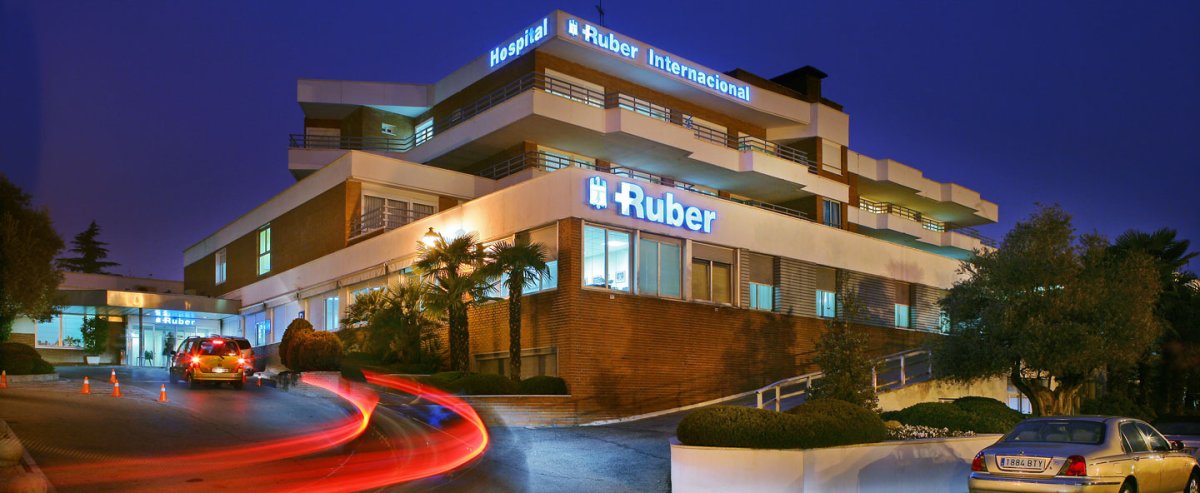







Femtosecond laser Overview in Spain
- LASIK eye surgery - from $3,900The procedure corrects vision by reshaping the cornea using a laser, offering quick, painless, permanent results.
- Photorefractive keratectomy - from $2,800The procedure corrects vision by reshaping the cornea, promoting swift recovery and lasting results with laser precision.
- Macular dystrophy treatment - from $3,500This therapy aims to slow vision loss, it involves dietary adjustments, vitamins, and possibly injections into the eye.
- Laser eye surgery - from $3,200This procedure reshapes the cornea to improve vision, using laser. It"s a non-invasive, quick, painless method with fast recovery.
- LASEK eye surgery - from $3,800This operation reshapes the cornea using a laser to improve vision. Almost painless with fast recovery.
- Femtosecond laser - from $990This therapy uses ultrafast pulsating light to precisely shape the cornea, improving vision with utmost accuracy.
Day 1
- Arrive in the country and check into your accommodation.
- Rest and prepare for the next day"s consultation.
Day 2
- Visit the clinic for your consultation.
- Meet with the ophthalmologist and discuss the procedure.
- Undergo necessary pre-operation tests such as eye examination.
Day 3
- Review test results with the specialist.
- Receive final instructions for the surgery.
- Prepare mentally for the operation.
Day 4
- Arrive at the clinic for the Femtosecond laser procedure.
- The process takes approximately 10-15 minutes per eye.
- Local anesthesia is applied to ensure comfort.
- The laser creates a thin flap in the cornea.
- Your vision may blur during the procedure.
Day 5
- Return to the clinic for a post-operation check-up.
- The doctor will assess healing and correct any issues.
Week 1
- Continue to rest and avoid straining your eyes.
- Use prescribed eye drops to prevent infection and inflammation.
Week 2
- Gradually return to non-strenuous daily activities.
- Avoid heavy lifting and strenuous exercise.
Week 4
- Most patients can return to work and resume normal activities.
- Your vision should be significantly improved.
Every patient"s experience with Femtosecond laser surgery is unique. The above timeline is a general guide and individual recovery times may vary. Always follow your doctor"s advice.
- Bookimed deposit: $200 or €200.
- Clinic deposit: Pay a set percentage in advance.
Our Doctors
View all Doctors
Ferran Mascaró Zamora
Specializes in lens and refractive surgery – including femtosecond laser procedures – with 29 years of experience at Centro Médico Teknon.
- Head of Orbital and Oculoplastics Department – accredited for orbital tumor surveillance
- Published 2 original articles and co-authored 3 books on ophthalmology
- Member of Spanish Society of Ocular and Orbital Plastic Surgery
- Trained in advanced cataract and oculoplastic techniques at renowned hospitals

Jordi Mones
Dr. Jordi Mones is a macula and vitreoretinal specialist at Centro Médico Teknon. He is a Research Member Elect of experts in the International Alliance AMD. Dr. Mones developed innovative imaging techniques for macular degeneration. He completed his research fellowship at Harvard Medical School. This doctor sits on the board of 12 major scientific societies.
- Acts as a scientific adviser to the European Association for Vision and Eye Research.
- Was a scientific member of the European Union Horizon 2020 program.
- Specializes in vitrectomy, laser eye surgery, and complex cataract procedures.
- Works at Centro Médico Teknon, a JCI-accredited facility in Barcelona.
Video Stories from Bookimed Patients
Reviews about Bookimed: Discover Patients' Insights
All reviews
Share this content
 Anna Leonova

FAQ about Femtosecond laser in Spain
What are the advantages of using a femtosecond laser over traditional methods?
Femtosecond lasers provide extreme precision by using ultra-fast light pulses for computer-guided incisions. This technology minimizes heat transfer to surrounding tissue, ensuring safer procedures and faster recovery. In cataract surgery, it provides perfectly centered lens placement and reduces surgical energy requirements by 33 to 70%.
- Enhanced safety: Automated, computer-controlled incisions reduce manual errors and improve surgical consistency.
- Precise incisions: Creates micro-accurate, self-sealing incisions that typically require no stitches for healing.
- Reduced energy: Uses lower ultrasound energy during cataract removal, protecting the cornea from damage.
- Better vision: Perfectly centered lens openings improve the performance of premium toric or multifocal implants.
Bookimed Expert Insight: Spanish clinics like Centro Médico Teknon or Hospital Ruber Internacional integrate these lasers to handle complex cases. While basic manual surgery is effective, the laser significantly cuts phacoemulsification energy by up to 70%. This is a game-changer for patients with dense cataracts where corneal protection is vital.
Patient Consensus: Patients appreciate the quick, stitch-free recovery and the immediate clarity provided by precise lens centration. Many find the added accuracy worth it, especially when selecting premium lens implants for astigmatism correction.
What is a femtosecond laser, and why is it popular in Spain?
A femtosecond laser is an ultrafast medical tool producing pulses lasting one quadrillionth of a second. Popular in Spain for bladeless refractive surgery, it provides 100 times more precision than traditional blades. The technology ensures cold tissue separation, preventing thermal damage to the cornea.
- Cost savings: Patients save 52% compared to US prices for bladeless vision correction.
- Superior precision: Modern systems create corneal flaps 10 times stronger than traditional blade methods.
- Rapid recovery: Patients typically achieve functional recovery within 15 minutes of the outpatient procedure.
- Certified facilities: Centers like Hospital Ruber Internacional and Centro Médico Teknon hold JCI accreditation.
Bookimed Expert Insight: Spain dominates the European market by combining top-tier credentials with high patient volume. Centro Médico Teknon alone performs 23,500 operations annually and serves as the official medical provider for global events. This massive clinical experience ensures surgeons like Dr. Ferran Mascaró Zamora maintain specialized mastery in bladeless techniques.
Patient Consensus: Patients value the painless nature of the bladeless flap creation and appreciate that Spanish packages often bundle follow-up care and protective accessories. Many choose to combine their vision correction with a holiday to maximize the cost-benefit of the trip.
Is femtosecond laser used for LASIK in Spain?
Femtosecond laser is the standard of care for LASIK in Spain, enabling 100% blade-free corneal flap creation. Major medical centers in Barcelona and Madrid provide this precision technology, often referred to as Femto-LASIK or iLASIK, to reduce surgical risks and ensure faster visual recovery.
- Bladeless precision: Femtosecond lasers create microscopic flaps 10 times stronger than traditional mechanical blade methods.
- Treatment availability: Technology is widely accessible at JCI-accredited facilities like Centro Médico Teknon and Hospital Ruber Internacional.
- Recovery timeline: Most patients achieve significant visual improvement within 14 days and return to daily activities.
- Qualified expertise: Surgeons like Dr. Ferran Mascaró Zamora perform advanced refractive procedures involving femtosecond lasers.
Bookimed Expert Insight: Spain’s top-tier hospitals prioritize JCI accreditation and Newsweek-ranked performance, yet femtosecond laser costs average $990 to $3,300. This represents a 52% saving compared to the $4,400 US average, making it a high-value destination for advanced refractive care.
Patient Consensus: Patients value the safety of bladeless technology and report rapid healing, though many emphasize the importance of avoiding bright lights for 3 to 5 days post-surgery.
Which clinics in Spain offer femtosecond laser technology?
Top-rated Spanish facilities including Centro Médico Teknon, Hospital Ruber Internacional, and Clinica Universidad de Navarra offer femtosecond laser technology. These JCI-accredited centers utilize advanced bladeless techniques like ReLEx SMILE and LASIK for higher precision in refractive surgery and cataract procedures.
- Available techniques: Clinics offer ReLEx SMILE, LASIK, and femtosecond-assisted flap creation.
- Specialized expertise: Dr. Ferran Mascaró Zamora leads ophthalmic care at Centro Médico Teknon.
- Safety standard: Bladeless methods create flaps ten times stronger than mechanical blade alternatives.
- Facility credentials: Mentioned hospitals hold Joint Commission International (JCI) and ISO 9001 certifications.
Bookimed Expert Insight: While many facilities offer basic laser surgery, high-volume centers like Centro Médico Teknon serve 10,000 patients annually. This volume often indicates deeper expertise with specific femtosecond platforms. Choosing a JCI-accredited hospital in Madrid or Barcelona ensures the highest safety protocols for bladeless procedures.
Patient Consensus: Patients value the safety of bladeless methods over older techniques. Many recommend confirming if `touch-up` procedures are included in the initial surgical price.