Flapless All-on-2 Implant Surgery in Spain — Get 3 Top Clinic Matches with Costs


Medically reviewed by
Fahad Mawlood
How Much Does Flapless All-on-2 implant surgery Cost in Spain?
The cost of Flapless All-on-2 implant surgery in Spain typically ranges from $3,500 to $5,500. Prices vary depending on the dental clinic, the surgeon’s expertise, implant brand (such as Nobel Biocare or Straumann), and whether immediate loading is performed. In the United States, the average price is $19,000 (per AAID). This means Flapless All-on-2 surgery in Spain is about 76% less than in the U.S.
In Spain, the cost usually covers a consultation, digital imaging (CBCT scan), local anesthesia, two premium implants per arch, a temporary fixed prosthesis, and follow-up visits. In the U.S., fees for imaging, anesthesia, and the provisional bridge are often billed separately from the surgical cost. Patients should confirm exactly what’s included in the quoted price at each clinic.
| Spain | Turkey | The USA | |
|---|---|---|---|
| Flapless All-on-2 implant surgery | ≈ $3,500 | ≈ $4,200 | ≈ $14,000 |
Your Benefits and Guarantees with Bookimed
Transparent Prices & Flexible Installments
No hidden fees – just official clinic prices. Pay at the clinic for Flapless All-on-2 implant surgery upon arrival and use a flexible installment plan if needed.
Verified Clinics & Doctors Only
Bookimed is committed to your safety. We only work with medical institutions that maintain high international standards in Flapless All-on-2 implant surgery and have the necessary licenses to serve international patients worldwide.
Free 24/7 Assistance
Bookimed offers free expert assistance. A personal medical coordinator supports you before, during, and after your treatment, solving any issues. You're never alone on your Flapless All-on-2 implant surgery journey.

Your personal Bookimed medical coordinator
- Supports you at every stage
- Helps choose the right clinic and doctor
- Ensures quick and convenient access to information
Discover the Best Flapless All-on-2 implant surgery Clinics in Spain: 1 Verified Option and Prices
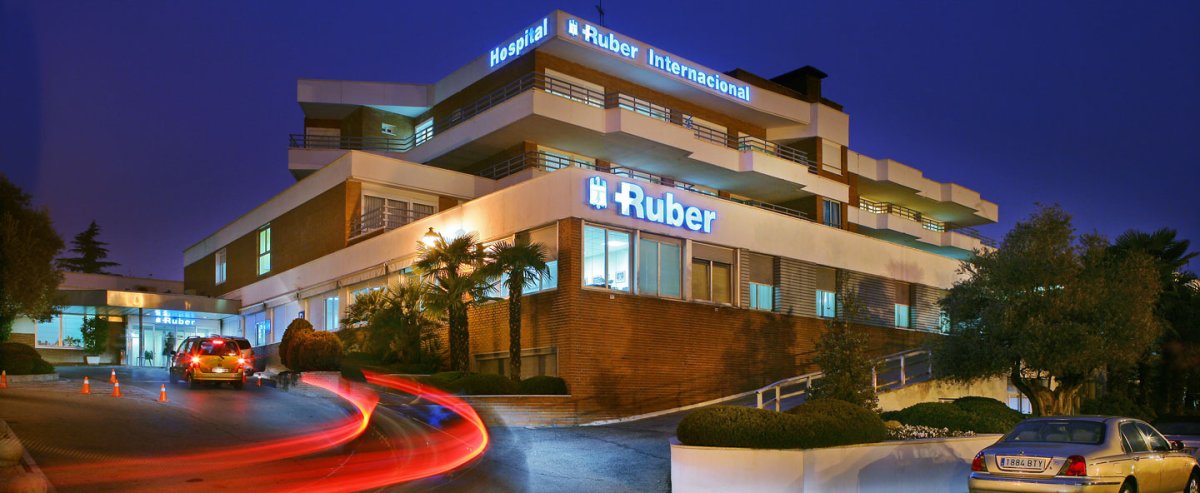


Flapless All-on-2 implant surgery Overview in Spain
- All-on-4 Dental Implants - from $6,000This therapy restores a full set of teeth using four implants per jaw, offering durability, comfort, and a natural look.
- All-on-6 Dental Implants - from $7,000This therapy replaces entire dental arches using only six implants, offering patients stability and comfort.
- Installation of a dental implant with crown - from $2,800This therapy involves placing an artificial tooth root and crown to restore a missing tooth, offering durability and natural appearance.
- Dental Implant - from $800This therapy installs artificial tooth roots to restore function and appearance, offering durability, convenience, and natural feel.
- Dental Implant with Abutment - from $880The procedure installs a prosthetic tooth root and connector for a false tooth, enhancing oral health and smile.
- Same day All-on-4 dental implants - from $8,300The procedure replaces missing teeth instantly through four implants, ensuring swift recovery and immediate, natural-looking results.
- Zirconia All-on-4 dental implants - from $11,000The procedure offers full mouth restoration with four zirconia implants, providing durability, natural look, and low maintenance.
- Zygomatic implant - from $3,900This therapy sets implants into cheekbones, providing support for dentures, offering a solution for severe bone loss.
Day 1 - Arrival
- Arrive in the country and check into your accommodation.
- Rest and adjust to the new environment.
Day 2 - Pre-Operation Consultation
- Consult with the dental surgeon and anesthesiologist.
- Undergo necessary medical tests such as blood tests.
- Receive detailed information about the surgery process.
Day 3 - Flapless All-on-2 Implant Surgery
- Arrive at the clinic in the morning.
- Undergo anesthesia – typically local or general.
- Surgery begins, which usually lasts around 2-3 hours.
- Surgeon places two implants without cutting the gums.
- Post-surgery observation in the clinic.
Day 4 - Post-Operation
- Stay in the clinic for observation and rest.
- Surgeon checks the surgical sites and your overall health.
- Receive instructions for at-home care and medications.
Week 1 - Rehabilitation
- Rest and recover at your accommodation.
- Follow a soft food diet.
- Take prescribed medications and maintain oral hygiene.
Week 2 onwards - Follow-up and Final Recovery
- Attend follow-up appointments with the surgeon.
- Resume light activities and work after two weeks.
- See the final results after about 4-6 months.
Please note that each patient"s case is unique, and the timeline may vary based on your individual healing process and the surgeon"s advice.
- Bookimed deposit: $200 or €200.
- Clinic deposit: Pay a set percentage in advance.
Video Stories from Bookimed Patients
Reviews about Bookimed: Discover Patients' Insights
All reviewsShare this content
 Anna Leonova

FAQ about Flapless All-on-2 implant surgery in Spain
What is Flapless All-on-2 Implant Surgery?
Flapless All-on-2 implant surgery is a minimally invasive full-arch restoration method. Surgeons place 2 dental implants through small tissue punches instead of large incisions. This technique preserves the blood supply and utilizes computerized tomography guidance for precise, rapid bone integration.
- Surgical technique: Doctors use a tissue punch to avoid lifting the gum flap.
- Digital precision: Procedure relies on computerized tomography (CBCT) imaging and custom surgical guides.
- Healing benefit: Preservation of the periosteum tissue speeds up the natural recovery process.
- Bone requirements: Patients must have sufficient bone density for stable, flapless implant anchoring.
Bookimed Expert Insight: While flapless surgery offers faster healing, precision is the real differentiator. Top-tier Spanish facilities like Hospital Ruber Internacional utilize 3-Tesla MRI and CBCT scans for pre-planning. This digital mapping eliminates the need for manual bone exposure. It ensures safety by avoiding critical nerve pathways without traditional open surgery.
Patient Consensus: Patients value the significantly reduced swelling and the absence of painful sutures. Many advise confirming that your surgeon uses a guided system to manage the lack of direct bone visibility.
Is All-on-2 as effective as All-on-4?
All-on-2 is generally as effective as All-on-4 regarding patient satisfaction and functional outcomes for the lower jaw. However, All-on-4 provides superior biting force and stability. All-on-2 carries a higher risk of mechanical failure due to having fewer supporting anchor points.
- Stability and force: All-on-4 uses four implants for fixed, high-power biting mimicking natural teeth.
- Mandibular success: All-on-2 is often clinically sufficient for lower jaws with high bone quality.
- Surgical precision: Flapless techniques in Spain must use computer-guided systems to ensure safe placement.
- Mechanical risk: Fewer implants increase the likelihood of prosthesis fracture or loosening over time.
- Bone preservation: All-on-4 stimulates more jawbone area, better preventing long-term bone volume loss.
Bookimed Expert Insight: Spanish clinics like Hospital Ruber Internacional utilize 3-Tesla MRI and advanced imaging for precision. Data suggests All-on-2 works best as a value-driven mandibular solution. For the upper jaw, four or more implants remain the clinical standard. This ensures the prosthesis can withstand higher sinus-area pressure.
Patient Consensus: Patients value the affordability of All-on-2 but warn about its removable nature. Many suggest choosing the flapless approach only with guided systems to avoid placement errors.
What are the advantages of Flapless All-on-2 in Spain?
Flapless All-on-2 in Spain provides a minimally invasive solution for full-arch restoration using only two implants. This technique avoids large gum incisions. It offers significantly faster healing times and reduced swelling. Patients also save around 76% compared to average US dental costs.
- Minimally invasive: No surgical flaps mean less trauma to delicate gum tissue.
- Rapid recovery: The absence of sutures allows for faster post-operative healing.
- Lower costs: All-on-2 systems cost less than traditional All-on-4 or All-on-6 alternatives.
- Bone preservation: The technique maintains blood supply to the bone for better health.
Bookimed Expert Insight: Spanish clinics like Hospital Ruber Internacional leverage high-end diagnostic tools like 3-Tesla MRI for precise implant placement. Choosing Spain allows access to JCI-accredited facilities while keeping costs between $3,500 and $5,500. This balance of advanced technology and lower pricing makes Spain a top choice for complex dental work.
Who is a good candidate for this in Spain?
Ideal candidates for flapless All-on-2 implant surgery in Spain are patients with specific tooth loss patterns and healthy jawbones. This minimally invasive approach suits those seeking lower costs and reduced recovery times compared to traditional All-on-4 methods. Candidates must maintain good systemic health and sufficient bone density.
- Bone volume: Requires adequate jawbone density to support two implants without bone grafting.
- Health status: Best for patients without uncontrolled systemic conditions like severe diabetes.
- Surgical preference: Ideal for individuals seeking reduced bleeding and faster healing via flapless techniques.
- Prosthetic needs: Suitable for patients seeking a cost-effective, removable overdenture solution instead of fixed bridges.
Bookimed Expert Insight: While All-on-2 is cost-effective, Spain's top-tier facilities like Hospital Ruber Internacional focus on high-stability solutions. Data suggests surgeons often recommend upgrading to All-on-4 if bone volume is marginal. Choosing a JCI-accredited hospital ensures your surgeon can pivot techniques based on real-time bone density scans.
Patient Consensus: Patients emphasize the importance of requesting before-and-after photos for All-on-2 cases prior to booking. Many suggest confirming if the flapless technique is anatomically possible during the initial digital consultation.
How long does the treatment take?
Flapless All-on-2 implant surgery in Spain typically involves a 1-day procedure. This minimally invasive technique uses 3D guided surgery to place implants without incisions. The initial surgical phase lasts about 60-90 minutes. Patients usually require a 3-6 month healing period before final prosthetic placement.
- Surgical duration: Most procedures are completed within 1 to 2 hours per arch.
- Hospital stay: This outpatient treatment requires 0 days of hospitalization in Madrid clinics.
- Initial recovery: Patients often resume normal activities within 24 to 48 hours post-surgery.
- Final restoration: Osseointegration requires 3 to 6 months before attaching the permanent bridge.
Bookimed Expert Insight: Spain clinics like Hospital Ruber Internacional integrate 3-Tesla MRI and JCI-accredited safety standards. Flapless techniques reduce swelling significantly compared to traditional methods. Choosing a facility with ISO-certified quality ensures the guided surgical templates are highly accurate. This precision often shortens the chair time by 30%.
Patient Consensus: Patients value the speed of the flapless approach because it minimizes discomfort. Many report returning to light work the very next day after the procedure.
What is the recovery time for a flapless procedure?
Recovery for a flapless procedure generally takes 3 to 7 days for initial tissue healing. In dental implantology, this minimally invasive approach reduces swelling and trauma compared to traditional methods. Vision stabilization for flapless eye surgery may take several weeks for full clarity.
- Tissue healing: Initial surface regeneration usually completes within 3 to 5 days.
- Reduced trauma: Minimally invasive techniques lead to less swelling than traditional flap surgery.
- Activity resumption: Most patients return to normal daily routines within 1 week.
- Full stabilization: Final results and structural integration often require several weeks to months.
Bookimed Expert Insight: While general flapless data shows fast healing, dental applications offer a unique advantage. Choosing JCI-accredited clinics in Madrid ensures access to high-precision imaging. This technology allows surgeons to place implants without large incisions. This precision often eliminates the need for sutures entirely.
Patient Consensus: Many find the lack of stitches significantly improves comfort. Patients often note that recovery feels much faster than expected because there is less bleeding.