To homepage
820К+ patients have got assistance since 2014
50 countries
1,500 clinics
6K+ reviews
3K+ qualified doctors

What's the cost for Spinal Surgery procedures in Thailand?

Spinal surgery in Thailand generally costs from $14,400 / ฿489,600 to $43,600 / ฿1,482,400. Final prices depend on the complexity of the procedure, hospital location, and the use of specialized technology like robotic assistance or minimally invasive techniques. Patients can expect 30-80% savings compared to the United States.

Typical Spinal Surgery Costs in Thailand

  • MRI of the spine cord: $300 / ฿10,200 – $500 / ฿17,000
  • Herniated disc surgery: $6,200 / ฿210,800 – $12,100 / ฿411,400
  • Surgical treatment of scoliosis: $15,000 / ฿510,000 – $35,000 / ฿1,190,000
  • ApiFix system implantation: $18,000 / ฿612,000 – $26,000 / ฿884,000
  • Discectomy: $6,500 / ฿221,000 – $11,000 / ฿374,000
  • Surgery for syringomyelia: $20,000 / ฿680,000 – $35,000 / ฿1,190,000
  • Laminectomy: $6,000 / ฿204,000 – $10,000 / ฿340,000
  • Anterior Cervical Discectomy and Fusion: $12,500 / ฿425,000 – $19,500 / ฿663,000
  • Kyphoplasty: $6,500 / ฿221,000 – $9,500 / ฿323,000
  • Minimally invasive fusion surgery: $25,000 / ฿850,000 – $40,000 / ฿1,360,000

Most international patients choose JCI-accredited facilities in Bangkok or Phuket. While Bangkok remains the primary hub for complex neurosurgery, facilities in Phuket provide accessible options for elective spine care. Consult with a specialist to get accurate pricing for your specific condition.

ThailandTurkeyAustria
Vertebral plasticfrom $2,600 / ฿88,400from $3,500 / ฿119,000from $4,500 / ฿153,000
Surgical treatment of radiculopathyfrom $8,500 / ฿289,000from $1,800 / ฿61,200from $16,000 / ฿544,000
Surgical treatment of scoliosisfrom $15,000 / ฿510,000from $19,910 / ฿676,940from $45,000 / ฿1,530,000
Surgery for syringomyeliafrom $20,000 / ฿680,000from $10,000 / ฿340,000from $28,000 / ฿952,000
Spine Tumor Embolizationfrom $18,000 / ฿612,000from $7,500 / ฿255,000from $30,000 / ฿1,020,000
Data verified by Bookimed as of July 2026, based on patient requests and official quotes from 19 clinics worldwide. Median costs are based on real invoices (2025–2026) and updated monthly. Actual prices may vary.

Your Benefits and Guarantees with Bookimed

Transparent Prices & Flexible Installments

No hidden fees – just official clinic prices. Pay at the clinic for Spinal Surgery treatment upon arrival and use a flexible installment plan if needed.

Verified Clinics & Doctors Only

Bookimed is committed to your safety. We only work with medical institutions that maintain high international standards in Spinal Surgery treatment and have the necessary licenses to serve international patients worldwide.

Free 24/7 Assistance

Bookimed offers free expert assistance. A personal medical coordinator supports you before, during, and after your treatment, solving any issues. You're never alone on your Spinal Surgery treatment journey.

Why we?

Your personal Bookimed medical coordinator

  • Supports you at every stage
  • Helps choose the right clinic and doctor
  • Ensures quick and convenient access to information

Best Spinal Surgery Clinics in Thailand: 19 Verified Options and Prices

The Bookimed clinic ranking is based on data science algorithms, providing a trusted, transparent, and objective comparison. It takes into account patient demand, review scores (both positive and negative), the frequency of updates to treatment options and prices, response speed, and clinic certifications.
KDMS Specialized Orthopedic Hospital
PMG Hospital
Bumrungrad International Hospital
You’ve viewed 5 of 19 clinics

Top Spinal Surgery centers in Thailand

  • KDMS Specialized Orthopedic Hospital, Thailand
  • PMG Hospital, Thailand
  • Bumrungrad International Hospital, Thailand
  • Bangkok Hospital Pattaya, Thailand
  • Sikarin Hospital, Thailand

Our Trusted Doctors

View all Doctors
verified

Thanaphat Pomyukon

11 years of experience

Dr. Thanaphat Pomyukon is a gastrointestinal and general surgeon at Mali Interdisciplinary Hospital in Bangkok. He earned his medical degree from the prestigious Chulalongkorn University. Dr. Pomyukon holds a Thai Board Diploma in General Surgery from Roi Et Hospital. He treats digestive system diseases, breast lumps, and gallstones.

  • Specializes in surgical repair for hernias and hemorrhoid treatment.
  • Performs gastrointestinal endoscopy, including gastroscopy and colonoscopy.
  • Practices at Mali Interdisciplinary Hospital, which holds American AACI accreditation.
  • Works within a gastro-colonoscopic unit at a GHA-accredited facility.
verified

Dr Koravee Wirojskoolchai

12 years of experience

Dr. Koravee Wirojskoolchai is a board-certified general surgeon at PMG Hospital in Bangkok. He earned his medical degree at Rangsit University. His primary certification comes from Somdech Phra Pinklao Hospital, Royal Thai Navy Medical Department. Dr. Wirojskoolchai also holds certification in anti-aging and nutritional medicine.

  • Trained in JCI Hospital Standards and International Healthcare Service Standards.
  • Completed specialized training in medical informatics for hospital development.
  • Participant in the Thai Chelation Medical Association’s therapy seminars.
  • Works at PMG Hospital, which holds Global Healthcare Accreditation for international services.
verified

Yosawat Tangtrongchit

11 years of experience

Dr. Yosawat Tangtrongchit is an orthopaedic surgeon. He has subspecialty expertise in spine surgery.

He earned his MD from the Faculty of Medicine Siriraj Hospital, Mahidol University (2002–2008). He holds the Diploma of the Thai Board of Orthopaedic Surgery from Phramongkutklao Hospital (2011–2015). He completed a clinical fellowship in spine surgery at King Chulalongkorn Memorial Hospital (2024–2025).

verified

Natthaphon Srithurawanit

11 years of experience

Dr. Natthaphon Srithurawanit is a regenerative medicine specialist at Mali Interdisciplinary Hospital in Bangkok. He integrates conventional and precision medicine to treat chronic non-communicable diseases. Dr. Srithurawanit focuses on reducing healing times through restorative techniques at a GHA-accredited facility.

  • Performs stem cell therapy for tissue repair and anti-aging rejuvenation.
  • Conducts aesthetic procedures including PRP therapy, Botox, and laser treatments.
  • Provides precision medical screenings including basic and premium health check-ups.
  • Works at an AACI-accredited hospital serving 50,000 international patients annually.

Share this content

Video Stories from Bookimed Patients

Dayana
I combined my vacation in Antalya with a check-up.
Procedure: Female check-up
Igor
It was great! Transfers, accommodation, treatment—all included.
Procedure: Dental Implant
Marina
Bookimed did everything for me. I didn't have to worry about anything.
Procedure: Female check-up
Updated: 02/27/2026
Authored by
Anna Leonova
Anna Leonova
Head of Content Marketing Team
A certified medical writer with 10+ years of experience, developed Bookimed’s trusted content, backed by a Master’s in Philology and medical expert interviews worldwide.
Fahad Mawlood
Medical Editor & Data Scientist
General practitioner. Winner of 4 scientific awards. Served in Western Asia. Former Team Leader of a medical team supporting Arabic-speaking patients. Now responsible for data processing and medical content accuracy.
Fahad Mawlood Linkedin
This page may feature information relating to various medical conditions, treatments, and healthcare services available in different countries. Please be advised that the content is provided for informational purposes only and should not be construed as medical advice or guidance. Please consult with your doctor or a qualified medical professional before starting or changing medical treatment.

Medical Disclaimer: This article is for informational purposes only and is not medical advice. Always consult a qualified healthcare provider before any medical decisions. Results may vary. Read the full disclaimer

What to Know About Surgical Solutions for Spine Conditions
faq image

Designed by Freepik

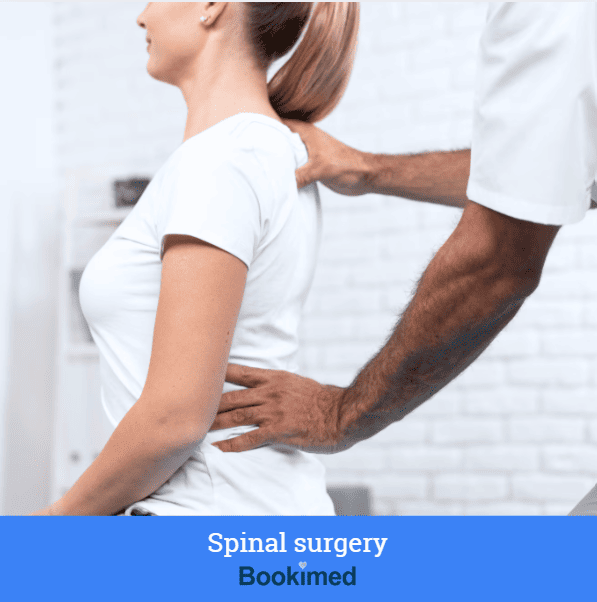
Spinal surgery is a specialized field focused on treating conditions that affect the spinal column — including herniated discs, spinal stenosis, scoliosis, fractures, and spinal tumors. 

The main goal is to relieve pressure on nerves, restore stability, and reduce chronic back or neck pain when non-surgical treatments no longer help.

👉 In simple terms, the spine acts like a tall, flexible tower of bones protecting the body’s nerve highway — the spinal cord. When one “floor” of this tower collapses or presses on a nerve, surgery restores its shape and balance, so the system can move smoothly again.

Over the past 2 decades, spine surgery has evolved from open procedures with large incisions to minimally invasive and robotic-assisted techniques, allowing surgeons to reach problem areas through small openings with minimal tissue damage.

Is Back Surgery Right for Everyone?

Before recommending spinal surgery, Thai doctors carry out detailed neurological and imaging assessments to ensure the procedure is both safe and beneficial. 

❗Surgery is usually the last step when medications, physiotherapy, or injections no longer relieve pain or restore mobility.

✅ Most suitable candidates

People who typically benefit from spine surgery in Thailand include those who:

  • Have persistent back or neck pain that lasts more than 3–6 months despite non-surgical treatments.

  • Experience nerve compression symptoms — such as numbness, tingling, or weakness in the arms or legs.

  • Have degenerative conditions (herniated discs, spinal stenosis, spondylolisthesis) confirmed by MRI or CT scans.

  • Suffer from spinal deformities such as scoliosis or kyphosis that affect posture or breathing.

  • Have sustained spinal fractures or instability after trauma.

  • Are generally healthy enough for anesthesia and rehabilitation.

🚫 When surgery may not be advised

Spinal surgery might not be suitable for patients who:

  • Have mild pain that can still be managed through physiotherapy or medication.

  • Show widespread arthritis or osteoporosis that could compromise bone healing.

  • Have active infections, severe obesity, or uncontrolled diabetes increasing surgical risk.

  • Present severe cardiovascular or respiratory disease, making anesthesia unsafe.

  • Expect unrealistic results or cannot commit to the required rehabilitation program.

Pre-surgery evaluation

✅The best spine surgery specialists in Thailand conduct a full diagnostic workup — including MRI, X-ray, blood tests, and sometimes electromyography — before confirming candidacy. This ensures that every patient receives the most appropriate and minimally invasive treatment option possible.

Why Choose Thailand for Spine Surgery?

faq image

Designed by Freepik

Thailand has become one of Asia’s most trusted destinations for spinal surgery, attracting patients from Australia, the Middle East, and Europe who seek world-class care at a reasonable price. Patients searching for the best spine surgery hospital in Thailand will find several internationally accredited centers that specialize in advanced spinal care. 

💡The country’s medical tourism sector exceeded several hundred million USD in 2024 and continues to grow steadily toward 2030, supported by strong government investment and modern hospital infrastructure.

High international standards

Thailand leads Asia with over 60 Joint Commission International (JCI)–accredited hospitals, ensuring global benchmarks in patient safety, hygiene, and surgical quality. 

✅ Private hospitals in Bangkok and Phuket follow the same operating protocols used in the U.S. and Europe, with 24-hour intensive care units and advanced diagnostic imaging.

Highly trained spine specialists

Thai orthopedic and neurosurgical spine surgeons are licensed by the Medical Council of Thailand and often trained at global centers in the U.K., Japan, or the U.S.

Many hold memberships in the Asia Pacific Spine Society (APSS), American Academy of Orthopaedic Surgeons (AAOS), or AO Spine International (AOSpine) — ensuring continuous education and experience with complex cases such as scoliosis correction or revision spine surgery.

Advanced technology and equipment

Spine surgery hospitals in Thailand use robotic and navigation-guided systems (MAZOR, ROSA), intraoperative CT scanners, and real-time neuro-monitoring to protect nerves and improve precision.

High-quality implants from Zimmer Biomet, Medtronic, and Stryker are widely available, allowing custom solutions for each patient.

Short waiting times and smooth coordination

Unlike many Western systems, where patients wait weeks or months for surgery, in Thailand procedures can be scheduled within 7–14 days after preoperative evaluation.

Affordable spine surgery cost in Thailand
faq image

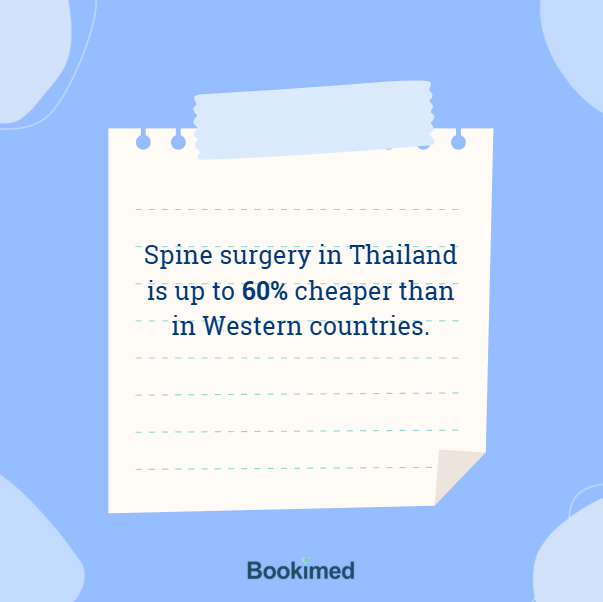
The spine surgery cost in Thailand generally ranges from $8,000 to $18,000, depending on the procedure and technology used, up to 60% cheaper than in the U.S. or Australia.

💚 Packages usually include consultations, surgery, hospital stay, and follow-up appointments.

Recovery in a healing environment

Patients recover comfortably in private, hotel-standard hospital rooms or nearby resorts. Rehabilitation centers in Phuket, Chiang Mai, and Bangkok provide personalized physiotherapy programs to speed recovery and reduce pain in a calm, tropical environment.

💚 Through Bookimed, patients can compare verified spine surgery hospitals, read real reviews, and access exclusive package discounts — often lower than direct clinic prices.

What’s Covered in Spinal Treatment Packages at Thai Clinics

Spine surgery packages in Thailand are structured to make treatment smooth for international patients — from diagnosis to recovery. 

💡While most major hospitals include core services, some add-ons like robotic assistance or extended rehabilitation may vary.

Most Likely Included Must Be Confirmed
Preoperative diagnostics — MRI, CT, X-ray, blood tests, ECG. 3D CT navigation or intraoperative neuro-monitoring availability.
Consultation with the spine surgeon and anesthesiologist. Additional specialist opinions (neurologist, cardiologist).
Surgery under general anesthesia (minimally invasive or open). Robotic or laser-assisted technique surcharge.
Hospital stay (usually 3–7 days, including meals and nursing care). ICU services, private suite upgrades, or prolonged hospitalization.
Use of a standard spinal implant or fixation system. Specific implant brand — Zimmer Biomet, Medtronic, or Stryker.
Medications and pain management during hospital stay. Take-home medicines or long-term prescriptions.
Two postoperative check-ups before discharge. Remote or tele-follow-up after returning home.
Basic physiotherapy and mobility training. Extended rehabilitation or hydrotherapy sessions.
Airport–hospital transfers. Hotel accommodation, city transfers, and recovery assistance.
English-speaking international coordinator. Translators for other languages (available through Bookimed).

💚 Booking through Bookimed gives access to verified partner hospitals offering discounted spine surgery packages, transparent quotes, and personal coordination throughout your medical trip.

Common Back Operations Available at Thai Medical Centers

The country offers a complete range of spinal procedures — from minimally invasive decompression to advanced correction and tumor treatment.

💡Modern hospitals in Bangkok, Phuket, and Chiang Mai use navigation-guided and robotic systems (MAZOR, ROSA) to improve precision and safety, while certified spine surgeons combine neurosurgical and orthopedic expertise.

Hospitals such as those in Bangkok and Phuket are recognized among the best spine surgery hospitals in Thailand, equipped for laser spine surgery procedures and other minimally invasive options.

Clinical research confirms that outcomes in Thailand match global standards. An extensive analysis of minimally invasive spine surgery (MISS) reported fusion success in over 80–98% of patients, with faster recovery and shorter hospital stays — typically 2–4 days less than with open methods.

Other studies show that spinal decompression for lumbar stenosis provides 70–80% pain relief within the first month, while scoliosis correction surgery achieves about 78% curve correction that remains stable for years.

Type of Procedure Purpose / Description Typical Recovery
Minimally Invasive Spine Surgery (MISS) Performed through small incisions using tubular retractors to reduce tissue trauma and blood loss. Common for herniated discs and spinal stenosis. 1–3 days in hospital; return to light activity in 2–4 weeks.
Spinal Decompression Surgery Relieves nerve compression by removing bone or disc fragments (laminectomy or microdiscectomy). 2–5 days in hospital; functional recovery in 3–6 weeks.
Surgical Treatment of Scoliosis Corrects abnormal spinal curvature using rods, screws, and bone grafts for improved alignment and posture. 5–7 days in hospital; full recovery in 6–12 months.
Surgical Treatment of Radiculopathy Removes the source of nerve root compression, easing pain, numbness, or weakness in limbs. 2–4 days in hospital; symptom relief often within days.
Vertebroplasty / Kyphoplasty Stabilizes vertebral fractures caused by osteoporosis or tumors by injecting medical-grade bone cement. Usually outpatient or 1-day stay; pain relief within 24 hours.
Surgery for Syringomyelia Decompresses or drains fluid-filled cysts (syrinx) in the spinal cord to prevent neurological decline. 4–7 days in hospital; follow-up MRI after 3 months.
Spine Tumor Embolization / Resection Reduces tumor blood flow before removal or directly removes spinal tumors to relieve compression and pain. 5–10 days in hospital, depending on tumor type and size.
Spinal Fusion or Disc Replacement Stabilizes or replaces damaged vertebrae/discs with bone grafts or artificial implants. Common for degenerative conditions or instability. 4–6 days in hospital; recovery in 2–3 months.

💡 In Thailand, spine surgeries are performed under strict international safety standards, and postoperative physiotherapy is included in most rehabilitation programs to help patients regain stability and mobility faster.

The Spine Surgery Procedure in Thailand

Spinal surgery in Thailand takes place in internationally accredited hospitals that combine advanced technology with multidisciplinary spine care. 

Stage What Happens
1. Preoperative evaluation MRI, CT, and blood tests help identify spinal disorders such as spinal stenosis, scoliosis, or spinal tumors. Surgeons develop a tailored plan to restore spinal stability and relieve chronic back or neck pain.
2. Anesthesia and positioning General anesthesia is administered. The patient is carefully positioned to allow full access to the affected spinal segment while minimizing tissue pressure — crucial for minimally invasive and endoscopic procedures.
3. Surgical access Small incisions are made for endoscopic spine surgery or transforaminal/anterior lumbar interbody fusion. Standard approaches are used for deformity correction or tumor removal.
4. Core treatment
  • Spine decompression – removes bone or disc material to reduce nerve compression.
  • Spinal fusion – stabilizes vertebrae with bone grafts and metal screws.
  • Surgery for syringomyelia – restores cerebrospinal fluid flow in the spinal canal.
  • Spine tumor embolization – limits tumor blood supply before or during excision.
5. Implant placement High-quality implants from Zimmer Biomet, Medtronic, and Stryker are used to reinforce the spine and restore balance.
6. Closure and recovery monitoring The incision is closed with absorbable sutures. Patients are monitored in specialized recovery or intensive-care units to manage postoperative pain and track neurological function.

Most spine surgery in Thailand lasts 2–5 hours, depending on the complexity.

💚 Through Bookimed, international patients can compare verified clinics, access transparent spine surgery cost in Thailand packages, and receive support throughout treatment and recovery.

Rehabilitation Journey After a Spinal Operation in Thai Hospitals

Recovery is designed to help patients regain mobility quickly and safely. Multidisciplinary teams of spine surgeons, physiotherapists, and pain specialists guide every stage of healing, focusing on reducing pain and restoring function.

Rehabilitation usually starts within 24–48 hours. For minimally invasive spine surgery, the hospital stay is shorter and mobility returns faster compared with traditional open procedures.

Recovery Stage Typical Progress
Day 1–2 Begin gentle movement and assisted walking. Pain managed with medication.
Days 3–5 Discharge with a personalized physical therapy plan and movement precautions.
Week 1–2 Swelling and stiffness lessen; daily stretching and walking encouraged.
Week 4–6 Most patients return to normal routines and light work.
Month 3–6 Full recovery achieved; follow-up (online or in person) confirms spinal stability.

Many hospitals also provide hydrotherapy, muscle-strengthening sessions, and posture correction to support long-term spinal health.

💚 Patients booking through Bookimed can access structured rehabilitation packages, including physiotherapy and follow-up care, at verified hospitals offering international-standard spine treatment.

Are Spine Surgeries in Thailand Safe? 

Spine procedures in Thailand are performed under strict surgical and hygiene protocols comparable to those in Western countries. Operating rooms use real-time imaging, neuro-monitoring, and air-filtration systems to maintain precision and sterility throughout the operation.

Clinical data from long-term follow-ups in Thai hospitals show a 95–98% success rate for spinal fusion and decompression surgeries, with most patients reporting significant pain reduction and restored mobility.
faq image

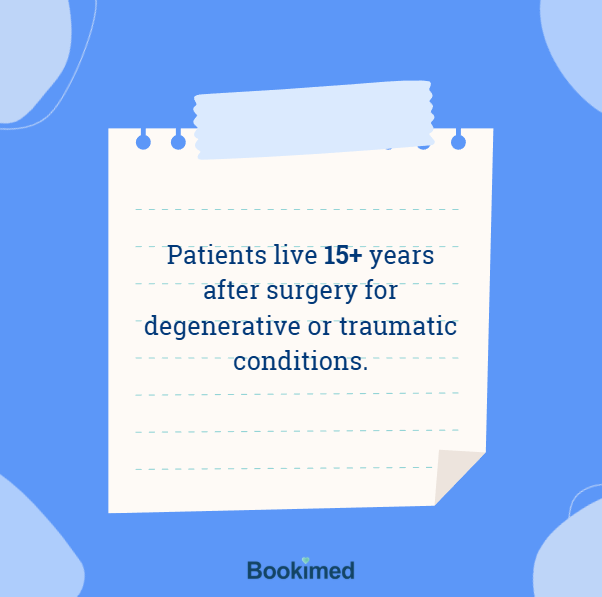
👉Spine surgery for degenerative or traumatic conditions is very safe, with most patients living at least 15 years after the procedure 

Complications are rare but can include:

  • Minor wound infection or bleeding;

  • Short-term numbness or nerve irritation;

  • Implant loosening or revision spine surgery in complex cases.

Thai spine surgeons continuously update their methods through international fellowships and training programs in the U.S., Japan, and Europe — ensuring up-to-date expertise and safe recovery for patients.

💚 Verified hospitals partnered with Bookimed share transparent outcome data and provide dedicated postoperative support for medical tourists seeking advanced spine care in Thailand.

References

  • Thailand Medical Tourism Market Size | Industry Report 2030. Market Research Reports & Consulting | Grand View Research, Inc. URL: https://www.grandviewresearch.com/industry-analysis/thailand-medical-tourism-market-report (date of access: 07.11.2025).
  • 1. Incidence of spine surgery for degenerative and traumatic pathologies in patients with a history of cancer: a nationwide register-based study between 1997 and 2020 from Finland / L. A. Toivonen et al. Acta Orthopaedica. 2025. Vol. 96. P. 506–511. URL: https://doi.org/10.2340/17453674.2025.44247 (date of access: 11.11.2025).
  • Strategies for Optimizing Clinical Outcomes in Minimally Invasive Spine Surgery / C. A. Ikwuegbuenyi et al. Neurosurgery. 2025. Vol. 96, no. 3S. P. S139–S147. URL: https://doi.org/10.1227/neu.0000000000003331 (date of access: 11.11.2025).
  • Tsitsani P., Katsaras G., Soteriades E. S. Barriers to and Facilitators of Providing Care for Adolescents Suffering from Rare Diseases: A Mixed Systematic Review. Pediatric Reports. 2023. Vol. 15, no. 3. P. 462–482. URL: https://doi.org/10.3390/pediatric15030043 (date of access: 11.11.2025).

FAQ about Spinal Surgery in Thailand

These FAQs come from real patients seeking medical assistance through Bookimed. Answers are given by experienced medical coordinators and trusted clinic representatives.

Is minimally invasive spine surgery available in Thailand?

Minimally invasive spine surgery is widely available in Thailand at JCI-accredited facilities. Surgeons perform advanced procedures like endoscopic discectomy and robotic-assisted fusion. These techniques use small incisions to reduce tissue damage. Most patients experience faster recovery times of 1–2 weeks compared to traditional surgery.

  • Available techniques: Endoscopic spine surgery, MIS TLIF, LLIF, and percutaneous screw fixation are common.
  • Advanced diagnostics: Clinics provide MRI of the spine and CT scans for precise planning.
  • Specialized expertise: Surgeons often hold fellowships from top US and South Korean institutions.
  • Recovery timeline: Typical post-operative stays last 2 weeks for full rehabilitation and monitoring.

Bookimed Expert Insight: Data from Bangkok hospitals like KDMS Specialized Orthopedic Hospital shows a shift toward hyper-specialization. Highly rated clinics often dedicate entire floors to specific spine pathologies rather than general orthopedics. This concentration of equipment and specialized staff helps surgeons maintain high procedure volumes for complex MIS cases.

Patient Consensus: Patients emphasize the importance of having pre-operative imaging reviewed by multiple specialists. They note that verifying a surgeon's experience with over 200 annual MIS cases leads to more predictable outcomes.

How long must I stay in Thailand after spinal surgery?

Most patients must stay in Thailand for 7 to 21 days after spinal surgery. The exact duration depends on the procedure type and recovery progress. Surgeons at JCI-accredited facilities like Bumrungrad International Hospital require this window to monitor for complications and ensure flight safety.

  • Hospital stay: Expect 1 to 7 days of inpatient care depending on surgical complexity.
  • Recovery window: Local recovery typically lasts 7 to 10 days after hospital discharge.
  • Fusion procedures: Spinal fusion cases often require 14 to 21 days before long-haul travel.
  • Suture removal: Surgeons usually remove stitches and provide travel clearance around day 14.

Bookimed Expert Insight: Data shows that choosing a dedicated facility like KDMS Specialized Orthopedic Hospital can streamline recovery. These specialized centers often have higher orthopedic patient volumes than general hospitals. This focus leads to more efficient post-operative protocols. Patients should verify if their package includes local transfers for follow-up wound checks. This small detail significantly reduces physical strain during the critical first 2 weeks.

Patient Consensus: Patients emphasize booking flexible accommodation near the hospital for easy access to daily wound checks. Many suggest adding 3 to 5 buffer days to their stay to allow for unexpected swelling before flying home.

Is it safe to fly home shortly after spine surgery?

Flying home shortly after spine surgery is generally safe if you follow specific clinical timelines. Most surgeons in Thailand recommend waiting 4 to 6 weeks for international travel. This period allows initial healing and reduces risks like deep vein thrombosis (DVT) or severe pain flare-ups.

  • Travel timeline: For long-haul flights, patients typically need 4–6 weeks of recovery before boarding.
  • Blood clot safety: Use compression stockings and move every hour to prevent deep vein thrombosis.
  • Surgery type: Fusion patients often require longer stabilization periods than those undergoing a simple discectomy.
  • Clinical oversight: JCI-accredited centers like Bumrungrad International Hospital provide detailed post-operative travel clearance protocols.

Bookimed Expert Insight: Thai orthopedic hospitals like KDMS Specialized Orthopedic Hospital focus exclusively on bone and joint conditions. This specialization often results in more conservative, safety-first travel windows. Our data shows that clinics with high international volumes, such as Sikarin Hospital, frequently include specialized post-op monitoring to ensure patients meet flight-ready criteria safely.

Patient Consensus: Patients emphasize that cabin pressure changes can cause unexpected back swelling and discomfort. Many travelers suggest booking aisle seats to make standing up and stretching easier during long flights home.

Are Thai spine surgeons qualified to treat complex cases?

Thai spine surgeons are highly qualified for complex cases. They often hold fellowships from prestigious institutions like Yale or UCLA. Specialists in Bangkok treat intricate conditions such as scoliosis and paediatric spinal deformities. They use robotic-assisted and endoscopic technologies. Many facilities maintain JCI or AACI accreditation to meet international safety standards.

  • Specialised training: Surgeons like Dr Rattalerk Arunakul completed spinal fellowships at Yale and UC San Diego.
  • Clinical volume: Bumrungrad International Hospital treats 1,000,000 patients annually, with 50% arriving from overseas.
  • Advanced technology: Clinics like KDMS use robotic-assisted and computer-navigated systems for precise complex fusions.
  • Inpatient support: Accredited hospitals provide on-site MRI, CT scans, and specialised rehabilitation for spinal recovery.

Bookimed Expert Insight: Our data shows a trend where patient satisfaction for complex cases is highest at dedicated orthopaedic hospitals like KDMS. Unlike general private hospitals, these centres focus entirely on musculoskeletal health. They often have on-site imaging and specialised co-treatment spaces. This speeds up the transition from diagnosis to surgery.

Patient Consensus: For complex spinal disorders in Thailand, patients note it is important to choose specialists with US training. They find top-tier institutions provide more thorough examinations. They also offer options like endoscopic surgery before suggesting extensive fusions.

What is the success rate of spine surgery in Thailand?

Spine surgery in Thailand shows success rates between 80% and 90% for common procedures like microdiscectomy. Leading JCI-accredited facilities in Bangkok report up to 100% accuracy for targeted robotic-assisted surgeries. These outcomes are supported by internationally trained specialists and diagnostic imaging.

  • Surgical accuracy: Top institutes reported 100% accuracy for specific automated procedures in 2021.
  • Microdiscectomy outcomes: Patient data shows over 80% of individuals achieve good to excellent results.
  • Clinical expertise: Surgeons like Dr Gun Keorochana at KDMS have completed fellowships at UCLA.
  • Accreditation standards: Facilities including Bumrungrad International Hospital maintain JCI and GHA global certifications.

Bookimed Expert Insight: Thai spine centres often operate as specialised hubs. KDMS Specialized Orthopedic Hospital focuses solely on musculoskeletal cases. This high concentration of spinal specialists allows for faster same-day diagnostics. On-site MRI and CT scans make this possible. Such efficiency often leads to more precise treatment plans compared to general hospitals.

Patient Consensus: Patients in Thailand often report being pain-free within two days of microdiscectomy surgery. Many note that surgical precision is high. However, success depends on following a robust recovery plan and exhausting physiotherapy options first.

What are the top hospitals for spine surgery in Thailand?

Thailand is a premier destination for spinal surgery. It features high-volume centres such as Bumrungrad International Hospital and KDMS Specialized Orthopedic Hospital. These JCI-accredited facilities specialise in minimally invasive techniques. Surgeons there use robotic assistants and endoscopic tools. They treat complex herniated discs and scoliosis.

  • Bumrungrad International Hospital: Features a dedicated Spine Institute with 150+ interpreters for international patients.
  • KDMS Specialized Orthopedic Hospital: Operates as Thailand's first dedicated orthopaedic-only hospital using robotic assistants.
  • Bangkok Hospital Pattaya: Holds JCI and Temos accreditations with 40% international patient volume.
  • Sikarin Hospital: Provides JCI-accredited care and offers free airport transfers for overseas arrivals.

Bookimed Expert Insight: KDMS Specialized Orthopedic Hospital offers a distinct speed advantage by housing all diagnostics in-house. Patients can complete X-rays, MRI scans, and specialist consultations in just a few hours. This efficiency helps international visitors who need to confirm a surgical plan quickly.

Patient Consensus: Patients say: choose a specific surgeon with international training rather than just a hospital brand. Australians find the facilities excellent. They appreciate that family members can often stay overnight in the hospital rooms.

How long should I stay in Thailand for recovery after spinal surgery?

Patients should plan to stay in Thailand for 10 to 21 days after spinal surgery. The timeframe depends on the procedure complexity. Minimally invasive surgeries require 7 to 10 days locally. Extensive procedures like spinal fusion often require 14 to 21 days before long-haul travel.

  • Hospital discharge: Inpatient care usually lasts 1 to 7 days before moving to local accommodation.
  • Suture removal: Surgeons typically remove stitches and provide final flight clearance around day 14.
  • Initial recovery: The first 3 to 10 days involve the highest post-operative pain levels.
  • Follow-up care: Staying locally allows for wound checks and monitoring before the flight home.

Bookimed Expert Insight: Facilities like KDMS Specialized Orthopedic Hospital are dedicated solely to orthopaedics and hold AACI accreditation. Data shows these specialised centres often provide integrated rehabilitation spaces. This focus helps patients reach walking milestones faster during their initial 2-week stay in Bangkok.

Patient Consensus: Patients report that staying 14 days in Thailand is essential. This time allows them to manage pain and learn to walk safely. They emphasise bringing recovery aids like grabbers and wedge pillows. These help during those first critical weeks in local accommodation.

Can I get a second opinion from a Thai spine surgeon before travelling?

Patients can obtain a second opinion from Thai spine surgeons through remote consultations. Leading facilities like Bumrungrad International Hospital and KDMS Specialized Orthopedic Hospital offer specialised reviews of MRI and CT scans. Surgeons such as Dr Rattalerk Arunakul provide detailed treatment plans before patients travel to Bangkok.

  • Expert review: Specialists like Dr Gun Keorochana review MRI imaging and reports remotely.
  • Doctor credentials: Many surgeons hold fellowships from prestigious institutions like Yale and UCLA.
  • Specialised centres: KDMS is Thailand's first dedicated orthopaedic hospital with AACI accreditation.
  • JCI accreditation: Major centres like Bumrungrad and Sikarin meet international patient safety standards.

Bookimed Expert Insight: Thai spine specialists often use remote consultations to determine if surgery is actually necessary. Doctors at KDMS and Bumrungrad frequently recommend minimally invasive alternatives like endoscopic discectomy after reviewing images. This process can save patients from unnecessary procedures. It also significantly reduces their overall travel and recovery time.

Patient Consensus: Patients in Thailand recommend getting a second opinion. This can verify whether surgery is truly the last resort. They advise bringing clear imaging. This helps compare surgical plans with non-operative options such as physiotherapy or pain management.

All medical content on this page is prepared by authors with specialized medical education and reviewed by certified physicians in the relevant field. Medical review by Fahad Mawlood, Medical Editor & Data Scientist.

Last updated: July, 2026.

  • Statistics: Figures are based on Bookimed’s internal database July 2026, which includes analysis of 12,450 patient requests across 19 accredited clinics in Thailand.
  • Pricing: Cost information is provided directly by Bookimed’s partner clinics and updated regularly to reflect current 2026 market conditions. Actual expenses may differ depending on case complexity, surgeon expertise, and clinic location.
  • Clinical Data: Treatment outcomes and patient satisfaction figures are collected from Bookimed’s verified clinic database and supported by data from peer-reviewed medical sources such as PubMed, The Lancet, JAMA, and NEJM (2023–2026).

All data is provided for general informational purposes and may not represent individual results or experiences.

Get a free consultation

Select the best way to contact you