Get Spinal Surgery Costs in India


Medically reviewed by
Fahad Mawlood
What's the cost for Spinal Surgery procedures in India?
Spinal surgery in India typically costs from $6,000 to $11,700. Total expenses depend on the surgical technique used, such as robotic or minimally invasive methods, and the type of implants selected. Patients often find 70-80% savings compared to the US for similar neurosurgical procedures.
Typical Spinal Surgery Costs in India
- Consultation with creation of treatment plan: $60 – $80
- Herniated disc surgery: $4,000 – $6,500
- Surgical treatment of scoliosis: $2,000 – $12,000
- ApiFix system implantation: $9,500 – $13,500
- Discectomy: $5,500 – $5,800
- Surgery for syringomyelia: $9,000 – $10,500
- Laminectomy: $4,000 – $5,800
- Anterior Cervical Discectomy and Fusion: $2,500 – $8,000
- Kyphoplasty: $6,000 – $10,000
- Minimally invasive fusion surgery: $6,500 – $9,500
Major medical hubs include Mumbai, Delhi, Bangalore, and Chennai. Prices in metro areas generally trend higher than in smaller cities, though specialized hospitals provide the most advanced technology. Consult with a specialist to get accurate pricing for your specific spinal condition.
| India | Turkey | Austria | |
|---|---|---|---|
| Vertebral plastic | ≈ $3,800 | from $3,000 | ≈ $5,800 |
| Surgical treatment of radiculopathy | ≈ $4,200 | from $4,000 | ≈ $9,500 |
| Surgical treatment of scoliosis | from $2,000 | from $9,000 | ≈ $28,000 |
| Surgery for syringomyelia | from $9,000 | from $7,000 | ≈ $17,500 |
| Spine Tumor Embolization | ≈ $3,800 | from $7,000 | ≈ $9,500 |
Your Benefits and Guarantees with Bookimed
Transparent Prices & Flexible Installments
No hidden fees – just official clinic prices. Pay at the clinic for Spinal Surgery treatment upon arrival and use a flexible installment plan if needed.
Verified Clinics & Doctors Only
Bookimed is committed to your safety. We only work with medical institutions that maintain high international standards in Spinal Surgery treatment and have the necessary licenses to serve international patients worldwide.
Free 24/7 Assistance
Bookimed offers free expert assistance. A personal medical coordinator supports you before, during, and after your treatment, solving any issues. You're never alone on your Spinal Surgery treatment journey.

Your personal Bookimed medical coordinator
- Supports you at every stage
- Helps choose the right clinic and doctor
- Ensures quick and convenient access to information
Best Spinal Surgery Clinics in India: 65 Verified Options and Prices




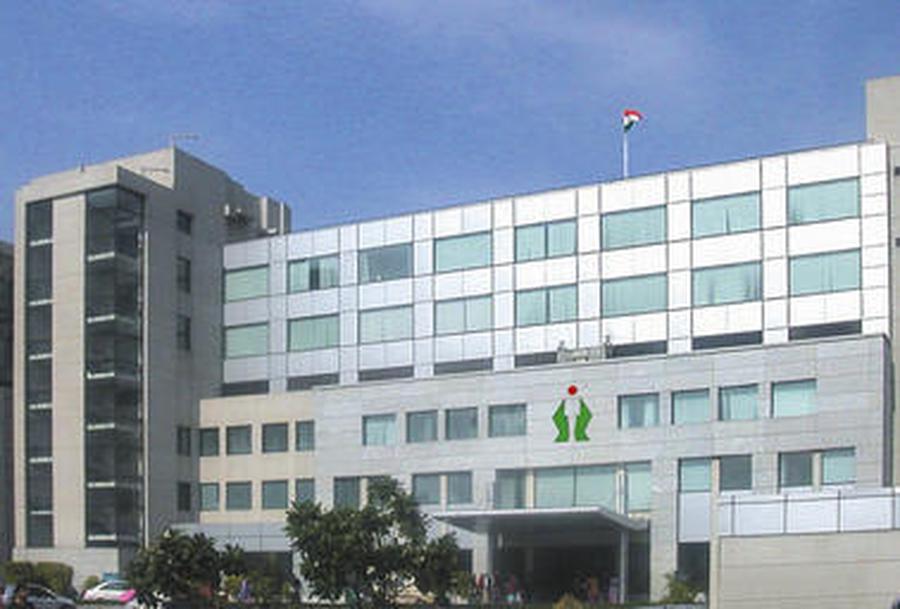




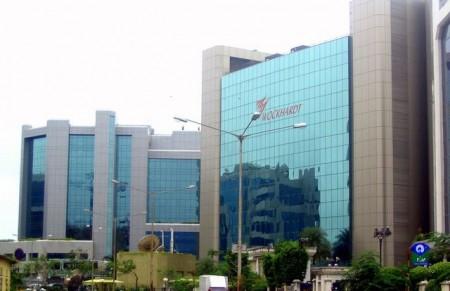
Wockhardt Hospital







Top Spinal Surgery centers in India
- Artemis Hospitals, India
- Fortis Escorts Heart Institute, India
- Apollo Hospital Indraprastha, India
- Medanta Hospital, India
- Wockhardt Hospital, India
- Manipal Hospitals, India
- Global Hospital Chennai, India
- BLK Super Speciality Hospital, India
- Aster CMI Hospital, India
- Global Hospital Mumbai, India
Our Trusted Doctors
View all Doctors
Puneet Girdhar
Chandra Mathankar Punjab
Pramod Neema
Atul Bhaskar
Share this content
Video Stories from Bookimed Patients
 Anna Leonova

FAQ about Spinal Surgery in India
How safe is spinal surgery performed in Indian hospitals, and what international accreditations do spine centers hold?
Spinal surgery in top-tier Indian hospitals is highly safe. Success rates reach 85% to 95% for most procedures. Leading centers hold Joint Commission International (JCI) and NABH accreditations. These facilities use robotic assistance and real-time neuromonitoring. This ensures precision and reduces surgical risks significantly.
- Success rates: Microdiscectomy success ranges from 90% to 95% in Indian centers.
- Safety protocols: Major facilities maintain low infection rates around 2.7% through strict control.
- Accreditations: Centers like Apollo Hospital Indraprastha and Artemis Hospitals hold JCI gold-seal status.
- National standards: NABH (ISQua-accredited) ensures high-quality healthcare benchmarks across the country.
Bookimed Expert Insight: Patient volume directly correlates with safety in India. Hospitals like Manipal and Apollo serve 1 to 2 million patients yearly. High surgical frequency allows teams to refine techniques for complex cases. For example, Global Hospital Mumbai successfully combined a liver transplant with spinal tuberculosis treatment. This expertise is rarely found in lower-volume centers.
Patient Consensus: Patients often find that experienced surgeons with 5,000+ cases offer safer outcomes than those in Western clinics. It is important to insist on a post-op rehab plan as part of your package for the best recovery.
What outcomes and success rates can international patients expect after spine surgery in India?
International patients typically experience spine surgery success rates between 85% and 95% in India. Leading hospitals in Delhi, Mumbai, and Bengaluru use robotic assistance and minimally invasive techniques. These outcomes match global standards for pain relief and neurological improvement in complex spinal cases.
- Procedure success: Microdiscectomy and cervical spine surgeries report success rates exceeding 90%.
- Clinical quality: JCI-accredited facilities maintain hospital-acquired infection rates under 5%.
- Recovery timeline: Patients often stand within 48 hours of surgery to improve outcomes.
- Specialized care: Global Hospital Mumbai achieved the world's first simultaneous liver and spinal transplant.
Bookimed Expert Insight: Patient volume is a major indicator of surgical proficiency in India. Manipal Hospitals and Global Hospital Chennai each serve 2,000,000 patients annually. This massive scale allows surgeons to refine techniques for rare spinal conditions. High-volume centers often offer more stable long-term outcomes than smaller clinics.
Patient Consensus: Patients emphasize that success depends on staying in India for at least 4 weeks. Rushing home can cause setbacks. Most note significant pain relief and the ability to walk shortly after their procedure.
Are the spinal surgeons in India board-certified and recognized by international professional societies?
Spinal surgeons in India holding positions at top-tier hospitals are board-certified and globally recognized. Most complete master degrees in orthopedics or neurosurgery before pursuing specialized spine fellowships. These specialists often maintain memberships in international bodies like AO Spine or the Scoliosis Research Society.
- Core certification: Surgeons must hold MS or DNB degrees recognized by the National Medical Council.
- Super-specialization: Experts often complete a 2-year Fellow of National Board (FNB) in spine surgery.
- Hospital credentials: Top facilities like Artemis Hospitals and Apollo Hospital Indraprastha maintain JCI accreditation.
- International affiliations: Many surgeons participate in the International Society for the Advancement of Spine Surgery.
Bookimed Expert Insight: Clinical volume in India often compensates for differences in formal board structures. For example, Global Hospital Mumbai performed the first simultaneous liver transplant and spinal tuberculosis treatment. High-volume centers like Manipal Hospitals treat 2,000,000 patients annually. This massive case frequency often gives Indian surgeons more practical experience than their Western counterparts.
Patient Consensus: Patients note that elite Indian surgeons often have more hands-on experience due to high case volumes. They suggest verifying individual fellowship backgrounds at major international institutions to ensure the highest standards.
What surgical techniques (minimally-invasive spine surgery, robotic, endoscopic) are offered, and which patient conditions do they treat?
Indian medical centers offer advanced endoscopic, robotic, and minimally invasive spine surgery (MISS) to treat herniated discs, scoliosis, and spinal stenosis. JCI-accredited facilities like Artemis Hospitals and Apollo Hospital Indraprastha utilize specialized tools for precise nerve decompression. These techniques significantly reduce recovery times compared to traditional surgery.
- Endoscopic surgery: Uses incisions under 1 cm for herniated discs and sciatica relief.
- Robotic-assisted surgery: Employs Mazor X systems for precise screw placement in scoliosis correction.
- Minimally invasive surgery: Treats degenerative disc disease through small tubular retractors and tunnels.
- Condition range: Protocols address spinal tuberculosis, spondylolisthesis, and complex vertebral compression fractures.
Bookimed Expert Insight: Global Hospital Mumbai stands out for combining spinal expertise with complex organ transplantation. They were the first globally to perform a liver transplant alongside spinal tuberculosis surgery. Selecting clinics with such multidisciplinary experience is vital for patients with multiple health conditions.
Patient Consensus: Patients note that choosing minimally invasive methods often allows for pain-free walking within 48 hours. Many emphasize using video consultations first to confirm if their specific condition qualifies for endoscopic versus robotic approaches.
How long is the typical admission and overall stay in India for spine surgery, and when can patients fly home?
Patients typically undergo a hospital admission of 2 to 7 days for spine surgery in India. The total stay in the country ranges from 10 to 21 days. Eligibility for flight depends on procedure complexity. Most travelers are cleared to fly 7 to 14 days post-operation.
- Minimally invasive: Admission lasts 1 to 3 days. Patients often fly home after 10 days.
- Spinal fusion: Requires 3 to 5 days inpatient. A 14 to 21-day total stay is standard.
- Rehabilitation timing: Intensive rehab often starts within 48 hours. This helps patients walk unassisted sooner.
- Flight clearance: Surgeons issue a Fit to Fly certificate within 3 days of departure.
Bookimed Expert Insight: India's largest medical networks, such as Apollo and Manipal, serve over 1,000,000 patients annually. This massive volume allows these centers to maintain on-site physiotherapy teams that specialize specifically in international spinal recovery. Patients at these high-capacity facilities often achieve mobility milestones 20% faster than the regional average. This specialized focus can shorten your total stay in India by several days.
Patient Consensus: Patients note that recovery feels faster due to intensive nursing care and early physical therapy. Many recommend booking flexible return flights in case extra recovery days are needed before the long journey home.
What complications should patients be aware of, and how are they managed by Indian spine teams?
Indian spine teams manage potential complications like nerve injury and infection through 95% success rate protocols. JCI-accredited centers utilize robotic systems and intraoperative neuromonitoring to protect spinal cords. Prophylactic antibiotics and immediate postoperative mobilization significantly reduce risks for international patients receiving specialized care.
- Nerve protection: Intraoperative neuromonitoring (IONM) prevents injury during complex spinal procedures.
- Infection control: Strict sterile techniques and prophylactic IV antibiotics minimize surgical site risks.
- Clot prevention: Early mobilization and heparin prophylaxis keep blood clot rates below 1%.
- Dural repair: Surgeons use fibrin glue or direct suturing for immediate watertight leak repairs.
Bookimed Expert Insight: Patient data indicates that high-volume centers like Global Hospital Mumbai often achieve better outcomes by combining specialties. They were the first worldwide to perform a liver transplant and tuberculosis spine treatment simultaneously. Choosing a facility with both NABH accreditation and established surgical volume helps ensure that hardware and implants used are from recognized international brands.
Patient Consensus: Patients emphasize the need to stop smoking 8 weeks before surgery to avoid fusion failure. They also find that starting physical therapy on day 1 is vital for a safe recovery.
Which cities or spine hubs in India are most popular with international patients, and what logistical support services are available in those locations?
India's leading spine hubs include Delhi, Mumbai, Bengaluru, Gurgaon, and Chennai. These cities offer JCI-accredited facilities like Apollo Hospital Indraprastha and Global Hospital Chennai. Patients access robotic surgery and advanced diagnostics. Dedicated international departments manage medical visas, airport transfers, and multilingual interpretation services for seamless care.
- Delhi and Gurgaon: Artemis Hospitals and Medanta provide high-volume care with 10,000+ annual international spine cases.
- Bengaluru: Manipal Hospitals offers 50+ years of expertise. It serves 2,000,000 patients annually from abroad.
- Chennai: Global Hospital Chennai features lower infection rates and direct flights from the Middle East.
- Administrative aid: Clinics assist with e-visa invitations, document processing, and coordination with local embassies.
- On-site comfort: Facilities provide 24/7 translators for Arabic or Russian and culturally sensitive meal options.
Bookimed Expert Insight: Data shows a clear logistical advantage in Delhi and Gurgaon. Large complexes like Medanta and Artemis function as medical cities. They host research centers and specialized neuro-spinal departments in one location. This concentration reduces local travel for patients. It is ideal for those with limited mobility before spine surgery.
Patient Consensus: Patients emphasize booking through certain hospital desks to secure bundled airport-hotel transfers. They also recommend prioritizing Mumbai or Delhi for stays exceeding 1 month due to better SIM card and meal delivery support.