Alcohol Abuse Examination in Thailand — Get 3 Top Clinic Matches with Costs


Medically reviewed by
Fahad Mawlood
How Much Does Alcohol abuse examination Cost in Thailand?
An alcohol abuse examination in Thailand usually costs from $180 / ฿6,100 to $450 / ฿15,300. The total price depends on the clinic tier and the diagnostic depth. Patients save around 60% compared to the US, where costs average about $800 / ฿27,200. These examinations generally include a psychotherapist consultation and physical health assessments.
- Specialist consultation: Typically includes a psychiatric evaluation and a personalized assessment.
- City variations: Prices in Bangkok centers may be higher than at island facilities.
- Clinic tier: Boutique resorts often charge a premium for private rooms and extra amenities.
- Extended protocols: Detailed costs rise if the clinic includes full blood panels or ECGs.
Bookimed Expert Insight: Assessing the provider’s expertise is as vital as the initial cost. Centers often integrate exams into broader programs to provide better long-term value. For example, Day One Rehabilitation Center uses a multidisciplinary team for 24/7 care. Their team includes Dr. Pichayut Kasemphakdeephong, a committee member of the Thai Society for Addiction Psychiatry. Specialized centers like DARA in Koh Chang report a 92% program completion rate. This high success rate offers better value than repeating cheaper, less effective assessments elsewhere.
| Thailand | Turkey | Austria | |
|---|---|---|---|
| Alcohol abuse examination | ≈ $180 / ฿6,100 | ≈ $130 / ฿4,400 | ≈ $450 / ฿15,300 |
Your Benefits and Guarantees with Bookimed
Transparent Prices & Flexible Installments
No hidden fees – just official clinic prices. Pay at the clinic for Alcohol abuse examination upon arrival and use a flexible installment plan if needed.
Verified Clinics & Doctors Only
Bookimed is committed to your safety. We only work with medical institutions that maintain high international standards in Alcohol abuse examination and have the necessary licenses to serve international patients worldwide.
Free 24/7 Assistance
Bookimed offers free expert assistance. A personal medical coordinator supports you before, during, and after your treatment, solving any issues. You're never alone on your Alcohol abuse examination journey.

Your personal Bookimed medical coordinator
- Supports you at every stage
- Helps choose the right clinic and doctor
- Ensures quick and convenient access to information
Discover the Best Alcohol abuse examination Clinics in Thailand: 8 Verified Options and Prices

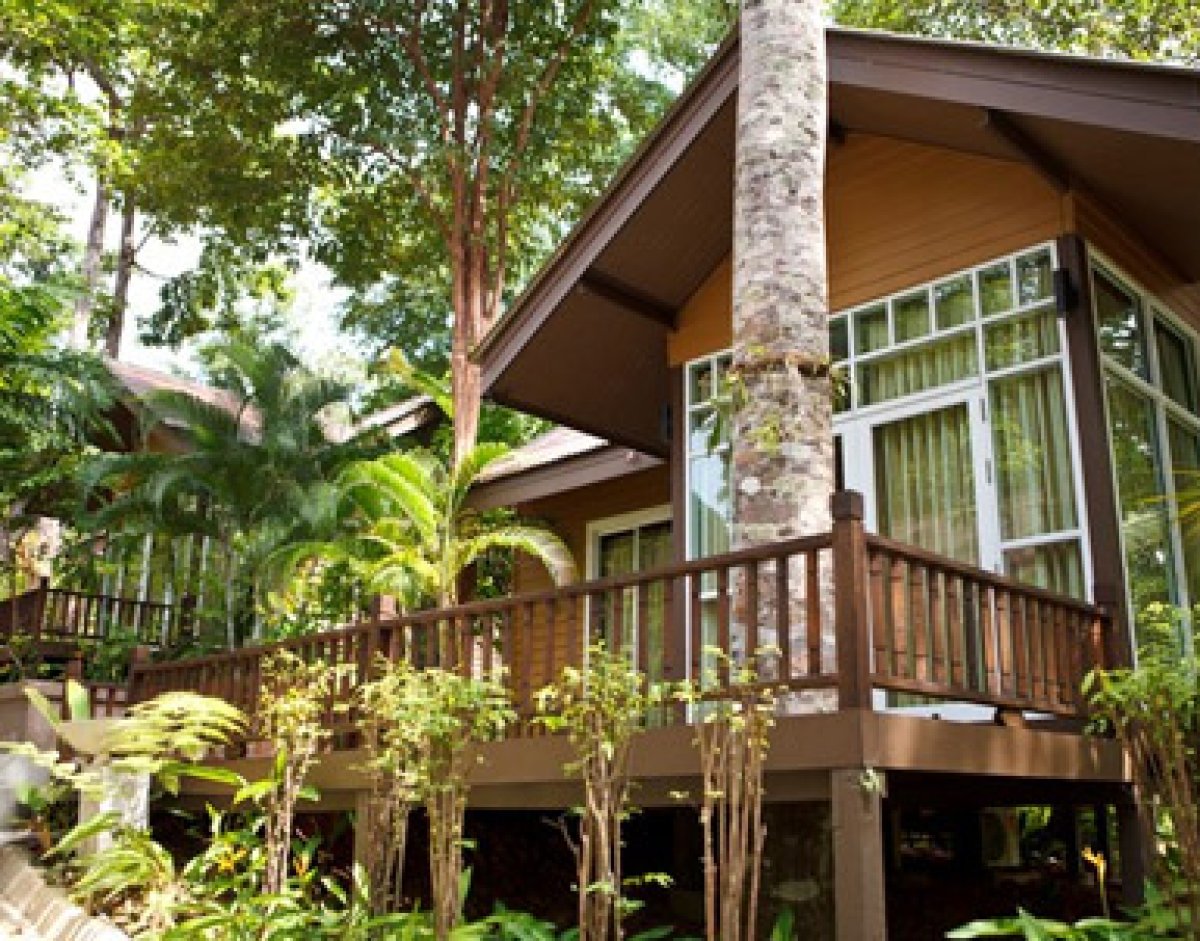

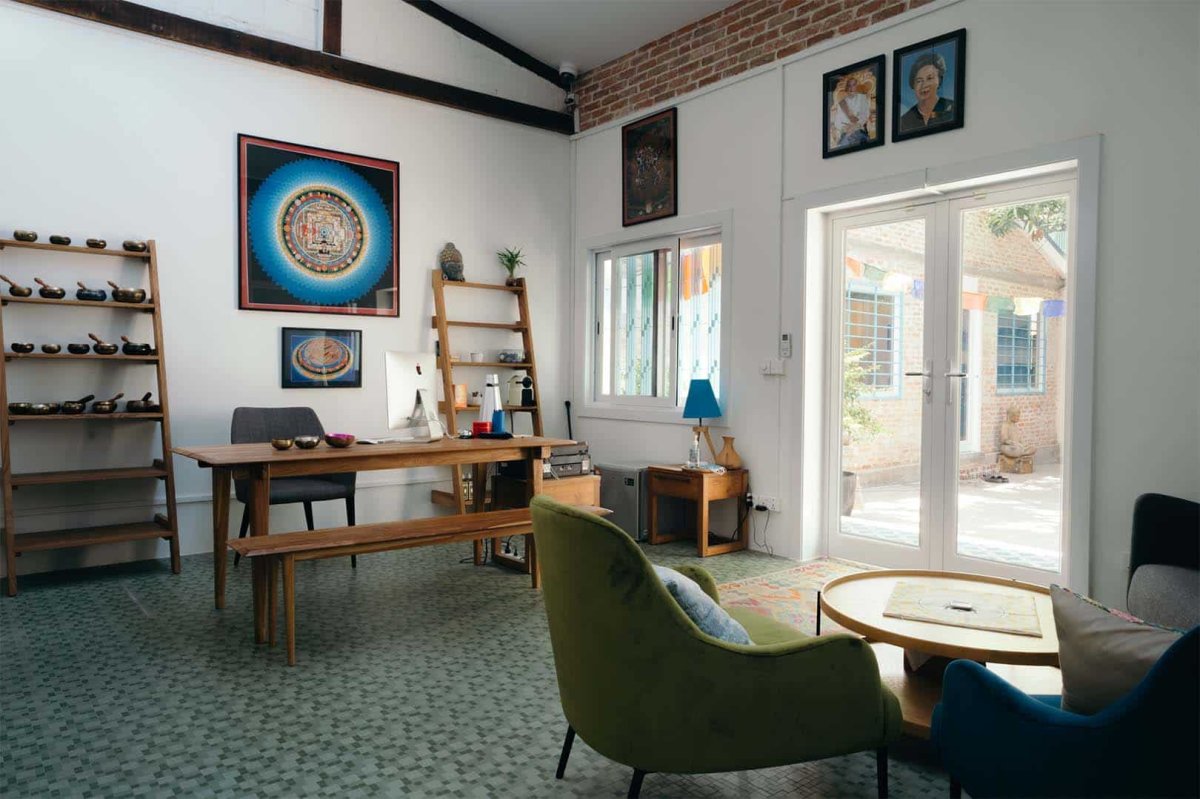
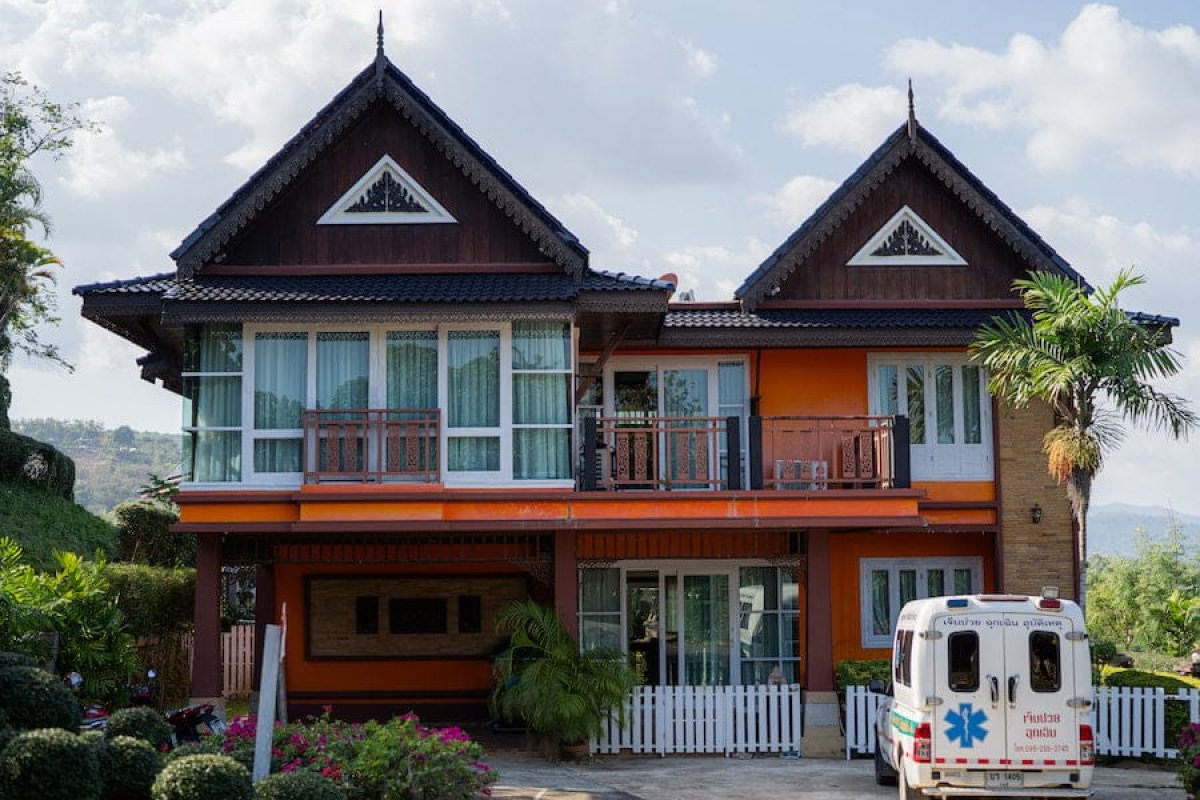
The Beekeeper House
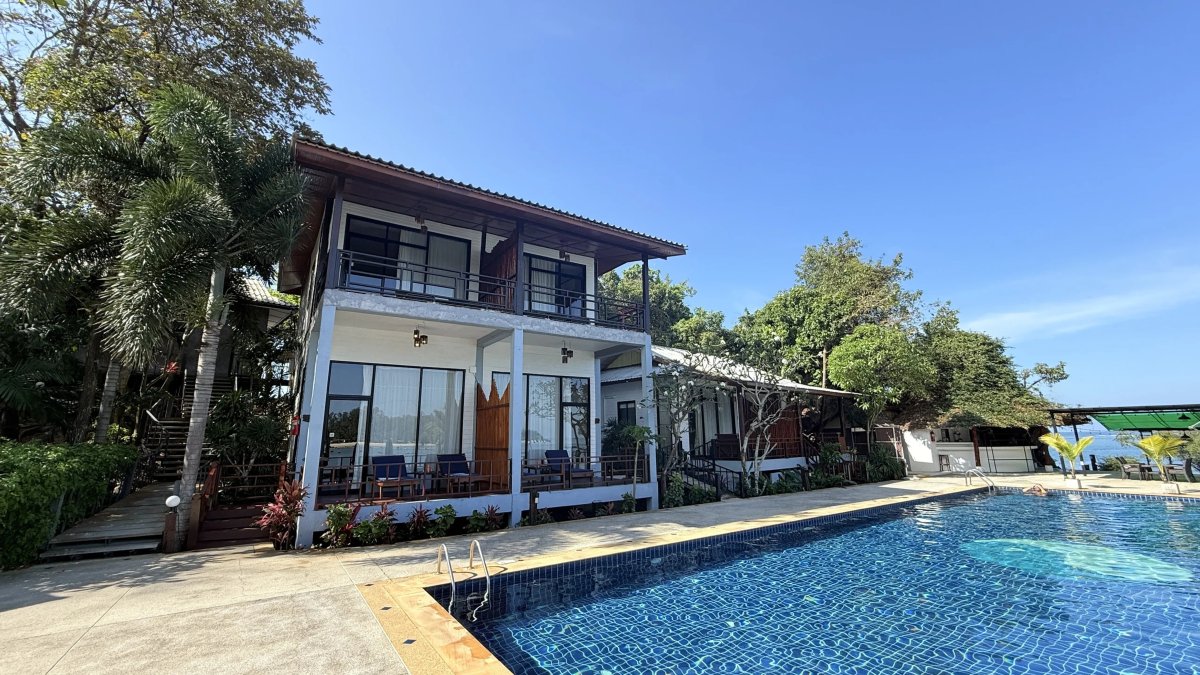
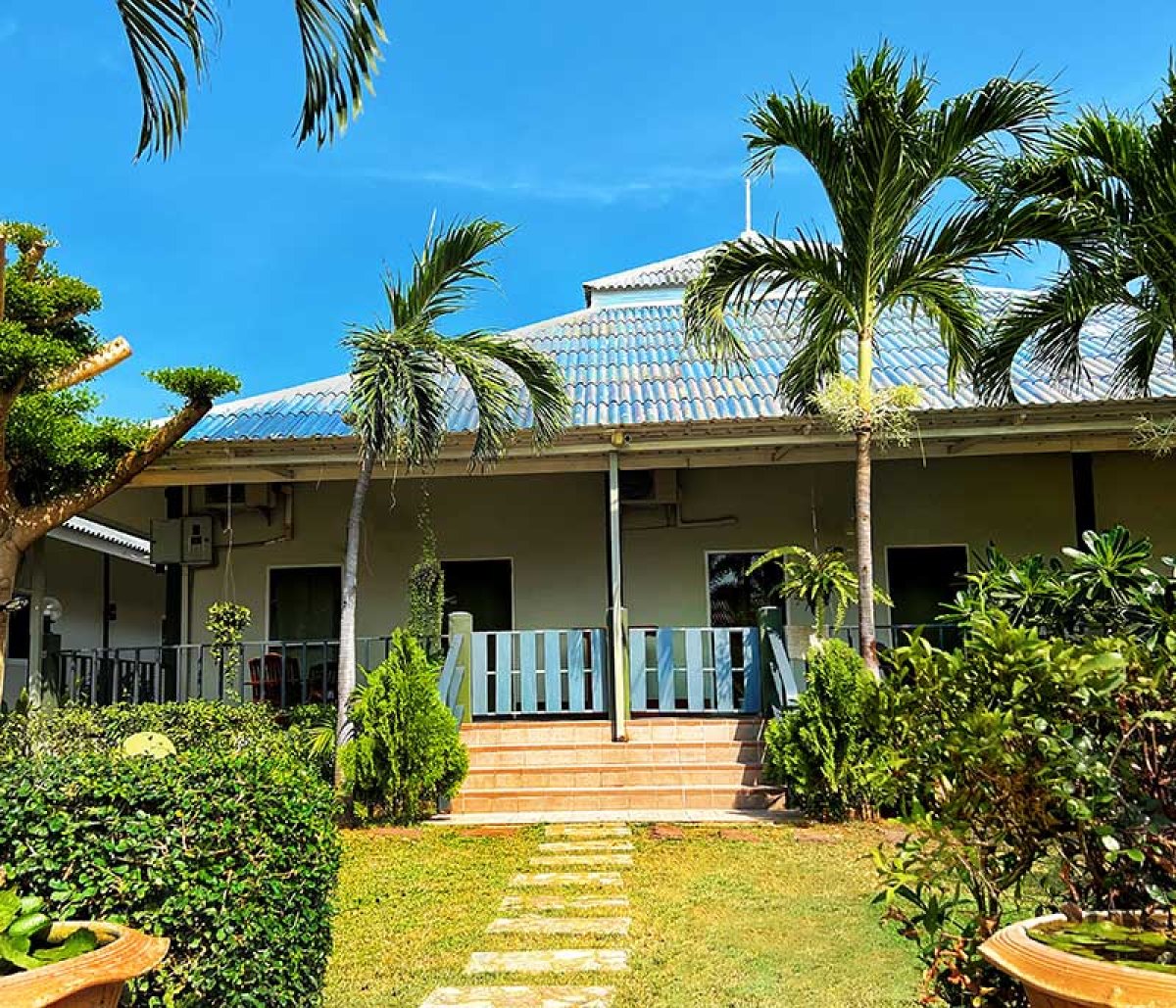
Phuket Island Rehab
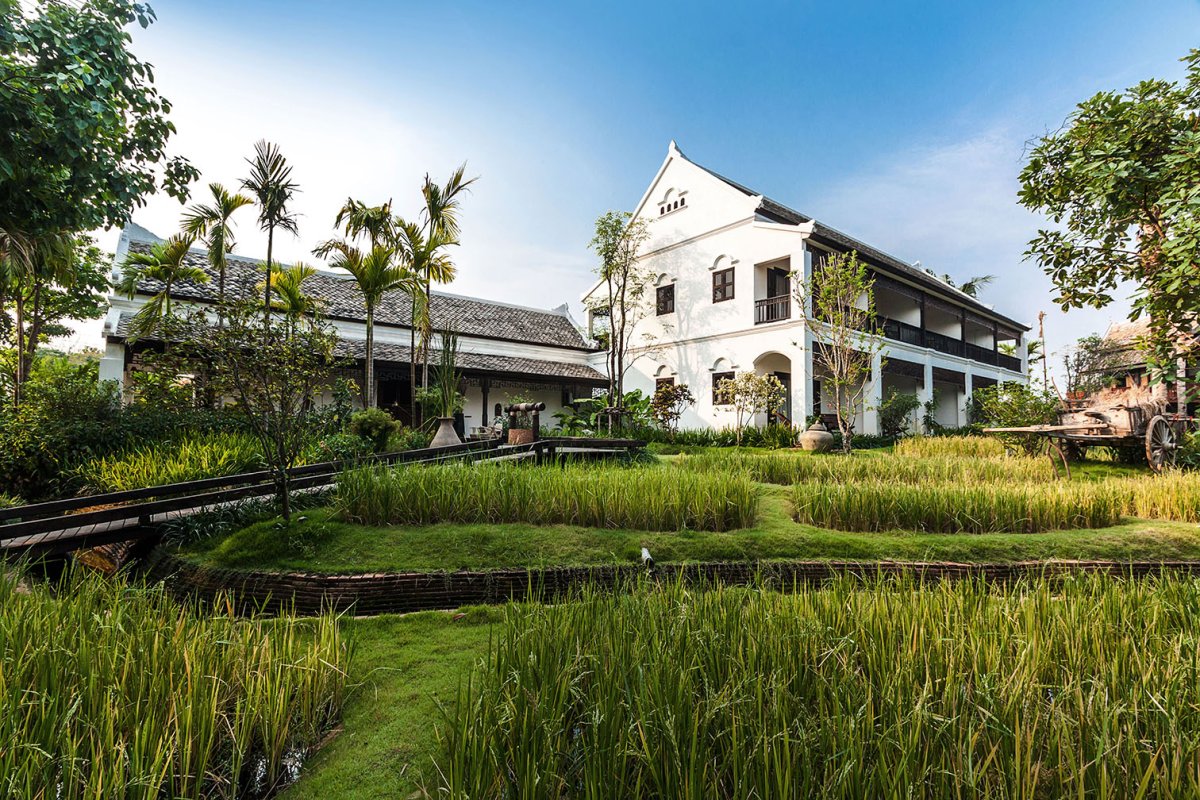
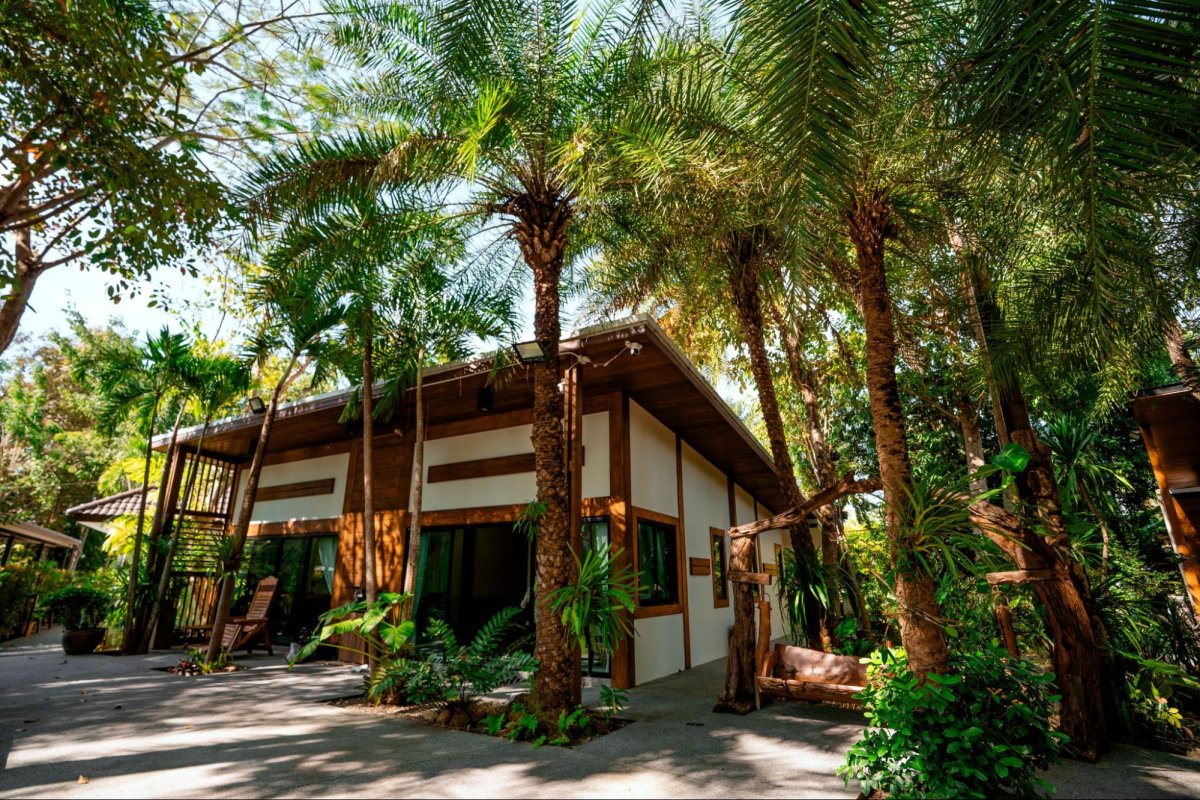
The Cabin Chiang Mai
Our Doctors
View all Doctors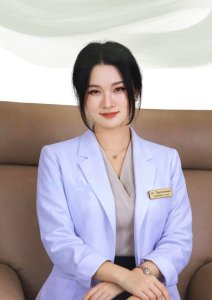
Bee Thamonwan Trongpanyachot
Dr. Bee Thamonwan is an aesthetic and regenerative medicine specialist at Plenary Wellness in Phuket. She focus on natural rejuvenation using stem cells and collagen-boosting biostimulators. Dr. Thamonwan earned her medical degree from the Medical University of Lublin in Poland. She speaks Thai, English, and Chinese fluently.
- Performs advanced stem cell therapy to regenerate skin and support anti-aging from within.
- Specializes in Sculptra and biostimulator injectables for gradual, natural facial volume renewal.
- Provides PRP hair therapy and mesotherapy microinjections for restorative scalp health.
- Collaborates with Prince of Songkla University on wellness research and innovation.

Pichayut Kasemphakdeephong
Dr. Pichayut Kasemphakdeephong is a psychiatrist and addiction specialist at Day One Rehabilitation Center. He serves as a Committee Member of the Thai Society for Addiction Psychiatry. Dr. Kasemphakdeephong treats mental health disorders, substance use, and gambling addictions. He also works as a medical professor training residents at Phramongkutklao Hospital.
- Specializes in alcohol use disorder and cost-effectiveness in rehabilitation models.
- Member of The Psychiatric Association of Thailand and The Medical Council.
- Treats complex conditions including schizophrenia, depression, and bipolar disorder.
- Collaborates with multidisciplinary teams to design integrated dual-diagnosis care plans.
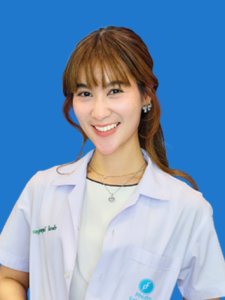
Chutikarn Saifuk
Dr. Chutikarn Saifuk provides patient-centered care for substance use disorders, including drug and alcohol dependence. The focus is on rehabilitation and long-term recovery through individualized plans that address physical, psychological, and emotional needs.
The practice uses evidence-based therapies such as Cognitive Behavioral Therapy (CBT) and Motivational Interviewing (MI). These methods help change harmful patterns, build motivation, and support lasting change.
A multidisciplinary team includes psychiatrists, psychologists, nurses, and rehabilitation specialists. Dr. Saifuk prioritizes relapse prevention, emotional well-being, family involvement, healthy coping skills, patient safety, compassion, and confidentiality.
Share this content
Video Stories from Bookimed Patients
 Anna Leonova

FAQ about Alcohol abuse examination in Thailand
What documents are required to apply for a visa to Thailand for treatment?
Visas for travel to Thailand require a number of documents. The necessary papers can be submitted 90 days before the planned departure. The list of documents includes:
- ID card
- confirmation of online registration and filling out the questionnaire
- certificate of income and availability of funds (20,000 baht per person/40,000 baht per family)
- insurance policy for a stay in Thailand (original and copy)
- 2 photos (4x6)
- visa receipt
- booking of round-trip air ticket (paid in full) and hotel
- medical opinion about the need for treatment.
What is the level of medicine in Thailand?
Healthcare is the key development sector of the Thai government. The Thai authorities are convinced that care for the citizens' health should be an absolute priority of state policy and spend about 25 billion baht for healthcare annually.
As a result, 36,673 medical facilities provide excellent medical care in the country. 64 centers in the Kingdom have certificate of JCI (Joint Commission International), the international improver of healthcare quality and safety across the globe. The index of certificates obtained is the largest. To compare, Israel has 20 JCI-accredited facilities, and Germany — only 10 clinics of this type.
When is the best time to travel to Thailand?
The main advantage of Thai resorts is the long beach season. On the east coast and west coast the climate features are different, so take it into account when planning the trip. The best time to travel is during the cool and dry season between November and early April. A large influx of tourists is in March-May, when the air temperature is +30°C.
What should you know about Thailand before the trip?
Official name | The Kingdom of Thailand |
Currency | Thai Baht (you also can pay for services in dollars) |
Best period for the trip | November-early April |
Language | Thai (most of medical staff speaks English fluently) |
Visa | is required for a trip of 3-6 months |
Time difference with Europe | 7 hours |
Time difference with the USA | 12 hours |
Capital | Bangkok |
Medical tourism center | Bangkok |
Popular resorts | Koh Samui, Phuket, Chiang Mai, Koh Chang, Hua Hin |
What hotel service is provided here?
In the Kingdom of Thailand, hotels of different price ranges and service levels are presented. The level of Thai hotels is comparable to hotels in Tunisia, Morocco or Egypt. Most tourists choose 4 and 5 star hotels with all-inclusive meals. Such hotels have everything for a comfortable stay: varied food, a large well-groomed territory, animation for children and adults. Some hotels have their own water park, which guests can use for free. Budget travelers can afford to book an economical 3-star hotel with half board or no meals at all.
Do I need a visa?
For now, the Kingdom of Thailand requires different visa regimens for diverse states. Some foreigners can stay in the country 60 days without visa control, some of them — only 14 days.
How long you can stay in Thailand and what countries can cross the border easy read here.