Autism treatment in Thailand: costs, clinics and reviews

Last updated: Nov 17, 2026

Medically reviewed by
Fahad Mawlood
How it works
Bookimed is free for patients – clinics pay us a commission, and you pay the clinic its own price with no markup. Five steps to your autism treatment in Thailand:
Share your case
Tell us about your situation and share your autism diagnostic and developmental or psychological reports, plus a short video showing behavior and communication.
Get treatment plans
Your coordinator finds clinics that match your needs and helps you choose. Your preferred clinics then send personalized treatment plans and quotes for you to compare.
Plan your trip
We set treatment dates that work for you and help arrange your flights and accommodation.
Visit the clinic
The clinic team starts your autism treatment on the agreed dates. We support you throughout your trip.
Back home
You fly home after a 2–4-week clinic stay, with gains building over 6–24 months. Your coordinator stays in touch and helps arrange a follow-up if you need one.
Some clinics ask for a deposit. A $200 or €200 deposit paid through Bookimed comes off your clinic bill and is refundable up to 10 calendar days before your visit. A deposit paid to the clinic follows its own terms.
Autism treatment Prices by Clinic in Thailand

The Beekeeper House
Get matched with the best doctors for Autism treatment
Tell us about your needs — and get 3 tailored offers from top doctors for you.
Has there been any prior assessment or diagnosis related to autism?
Direct prices from clinics
Free evaluation of your medical case
Free personal assistance 24/7
Thailand Autism treatment overview
Cost and clinics
| Typical autism treatment price in Thailand | Clinics | Cities | Autism treatment specialists | Specialist experience |
|---|---|---|---|---|
| $2,500 / ฿85,000–$3,800 / ฿129,200 | 2 clinics | Bangkok (1 clinic), Chiang Mai (1) | 8 specialists | ~63% of specialists have 10+ years of practice (median 14 years) |
The procedure
| Before the trip | Time in Thailand | Operation time | Anesthesia | Back to desk work | Final result |
|---|---|---|---|---|---|
| Gather diagnostic and therapy reports, send short behavior and communication video, share current medications and medical history, prepare a visual schedule of the trip, pack comfort and sensory items, plan home-program continuation | 10–60 visits (typical 2-4 week intensive program with one to several sessions daily) (first trip 2–4 weeks, including 14–28 nights in hospital) | 2–6 hours | None | Immediately | 6–24 months |
How much does a Autism treatment cost in Thailand?
Autism treatment in Thailand is estimated from $2,500 / ฿85,000 to $3,800 / ฿129,200. The total depends on assessment depth, therapy type, provider setting, and treatment schedule.
Autism treatment in Thailand is estimated from $2,500 / ฿85,000 to $3,800 / ฿129,200. The total depends on assessment depth, therapy type, provider setting, and treatment schedule. In the US, this procedure costs $16,500 / ฿561,000 on average. Available listings describe autism-focused medical care, including rTMS at a Bangkok center, but do not specify package inclusions. Listed provider locations include Bangkok, Chiang Mai, and Phuket. These figures are estimates, not clinic quotes.
- Assessment depth. A focused screening and a full psychological or educational assessment involve different services.
- Therapy mix. Combining speech, occupational, and behavioral sessions can increase the total compared with one therapy type.
- Provider setting. Public hospitals, local private clinics, and international centers have different fee structures.
- Treatment schedule. Repeated individual sessions add to the total compared with assessment alone.
- Location. Listings cover Bangkok and Chiang Mai centers, plus a Phuket-based clinician; city-level prices are unavailable.
| Thailand | Turkey | Austria | |
|---|---|---|---|
| Autism treatment | ≈ $2,500 / ฿85,000 | from $10,900 / ฿370,600 | ≈ $4,500 / ฿153,000 |
How to choose a Autism treatment clinic in Thailand
For autism treatment in Thailand, compare clinic locations first, confirm who will perform the needed technique, compare the doctor’s experience, then ask about team qualifications and facility credentials.
What to check
Compare locations
Bookimed lists 2 clinics for autism treatment in Thailand – the top-ranked are in Bangkok and Chiang Mai.Confirm the clinician
At consultation, ask whether the doctor you meet will perform the technique needed, rather than another team member.Compare experience
Doctors on Bookimed who perform autism treatment in Thailand have a median of 14 years of practice.Ask about credentials
Ask about the treating team’s qualifications and whether the doctor is licensed by the Medical Council of Thailand – facility accreditation sets standards but does not guarantee an outcome.
Discover Autism treatment Clinics in Thailand
| Clinic Name | Patient Rating | About | Accreditations | Lead Doctor | Techniques |
|---|---|---|---|---|---|
| InterRehab NeuroBridge Bangkok | 5.0 | Dr. Tachiphat Sereearuno has 13 years of experience performing 900+ neurorehabilitation treatments, specializing in rTMS for autism. The 20-session program may cost around $2,700, typically including TMS, occupational therapy, diagnostic evaluation, and specialist consultations. Dr. Sereearuno holds a Doctor of Medicine with honors from Chiang Mai University and presented at the World Congress for Neurorehabilitation. The clinic uses individualized treatment plans in a multisensory room environment. | — |  Tachiphat Sereearuno 13 years | Repetitive transcranial magnetic stimulation (rTMS) for autism, occupational therapy, diagnostic evaluation of autism |
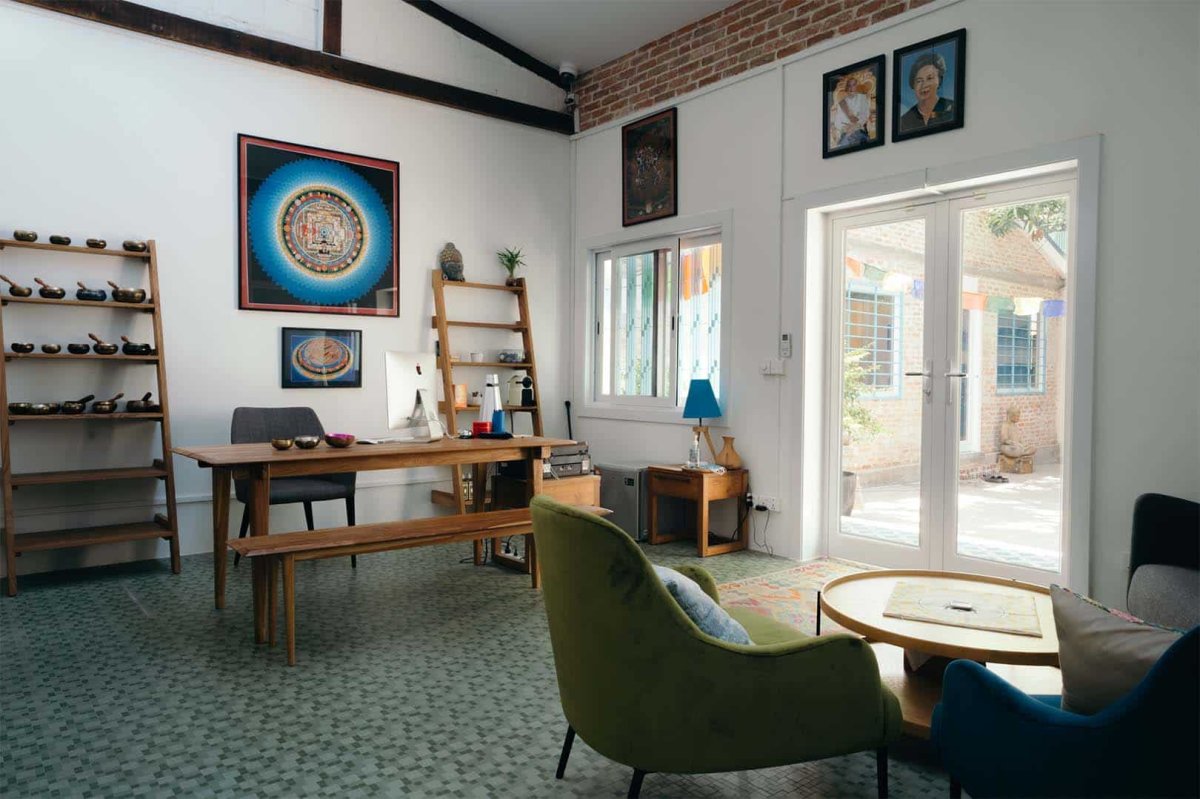
| The Beekeeper House Chiang Mai | 4.6 | The Beekeeper House is a licensed rehab and mental health center in Chiang Mai, Thailand. It focuses on addiction, mental health, and behavioral issues. The center treats adults for alcohol and drug dependency, depression, and trauma. It runs in a small residential setting in Mae Rim District. Treatment blends clinical psychology with Eastern philosophy to support mind and body recovery.Founded in 1996, the center is an approved provider for the US Department of Veterans Affairs. It holds AACI Gold accreditation and a license from the Thailand Ministry of Public Health. Its My Beekeeper app won Technology Innovation of the Year at the Healthcare Asia Awards. Global Health & Pharma named it Best Holistic Mental Health Center.The medical team includes eight doctors and a dedicated nursing staff. The center offers exclusive Transformative Dynamical Neurofeedback™ Therapy to improve brain function. A partnership with Bangkok Hospital gives patients access to emergency care and diagnostics. Programs include individual therapy, CBT, and somatic therapy. Most plans require a minimum stay of 35 days. | — | — | — |
Our Trusted Doctors
View all Doctors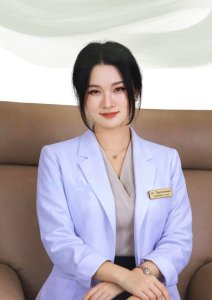
Bee Thamonwan Trongpanyachot
Dr. Bee Thamonwan is an aesthetic and regenerative medicine specialist at Plenary Wellness in Phuket. She focus on natural rejuvenation using stem cells and collagen-boosting biostimulators. Dr. Thamonwan earned her medical degree from the Medical University of Lublin in Poland. She speaks Thai, English, and Chinese fluently.
- Performs advanced stem cell therapy to regenerate skin and support anti-aging from within.
- Specializes in Sculptra and biostimulator injectables for gradual, natural facial volume renewal.
- Provides PRP hair therapy and mesotherapy microinjections for restorative scalp health.
- Collaborates with Prince of Songkla University on wellness research and innovation.

Ohm Sudchumphae
Dr. Ohm Sudchumphae is a regenerative medicine specialist at Panacee Hospital Rama 2 in Bangkok. He holds a Master’s in Clinical Nutrition and Integrative Medicine. Dr. Ohm is currently pursuing a Doctorate in Psychology. He specializes in combining cell therapy, IV nutrition, and medicinal herbology for chronic conditions.
- Certified by the American Board of Nutritional Wellness.
- Maintains certification as an integrative oncology physician.
- Performs stem cell rejuvenation therapy and ozone therapy for longevity.
- Treats complex cases including cancer rehabilitation and functional gastroenterology.

Kanokkaew Viravan
Board-certified pediatrician with specialized training in autism treatment at Intrarat Hospital.
- Graduated from Medical University of South Carolina
- Diplomate of the American Board of Pediatrics
- Certified in Occupational and Environmental Medicine
- Member of National Board of Medical Examiners

Dr Panyapan Tiraprasidporn
Special training in diagnosing and treating developmental disorders in children – Dr Panyapan Tiraprasidporn focuses on comprehensive pediatric care.
- Graduated from Faculty of Medicine Siriraj Hospital – one of Thailand's top medical schools
- Certified in Pediatrics by Mahidol University
- Current General Pediatrician at Intrarat Hospital
Why choose Thailand for a Autism treatment
Non-invasive brain stimulation and play-based therapy tailored to children
| Typical price | vs Thailand | |
|---|---|---|
| Thailand (this page) | $2,500 – $3,800 | – |
| United States of America | from $9,000 | +260% |
| Turkey | from $10,900 | +336% |
Where to get a Autism treatment in Thailand
In Thailand, autism treatment options are available in Bangkok and Chiang Mai , which have the same clinic count. Bangkok is the capital and a major transport center, with Suvarnabhumi Airport about 25 km from downtown.
Autism treatment recovery timeline: what to expect week by week
You can usually fly home after 14–28 days of intensive therapy, once your doctor approves the home-program plan. Adult patients and caregivers can return to work as the program schedule allows, with no recovery period required. You can resume exercise immediately because there are no physical restrictions after sessions. Skill gains build gradually over 6–24 months, with the pace depending on age, severity, therapy intensity, and home continuation.
Days 1–3
You’ll have a clinical evaluation and set goals with the care team. Together, you’ll create a personalized therapy plan.
Weeks 1–4
You’ll attend daily or near-daily behavioral, speech, and occupational therapy, keeping a consistent routine and resting between sessions. After 14–28 days, you can fly home with your doctor’s approval once the home-program plan is set.
Months 1–6
You or your caregivers apply strategies at home and work while progress is monitored remotely. A routine review at 90–180 days can help adjust the home program.
When to contact your clinic: Seek emergency help for thoughts of self-harm or harming others. Contact your clinic about rigid muscles or spasms, severe fever, or worsening pain. For chest pain or sudden breathlessness after a long flight, seek emergency help locally.
Is a Autism treatment in Thailand safe?
Traveling to Thailand for a Autism treatment
Autism treatment in Thailand: Video Reviews from Bookimed Patients
Thailand Autism treatment Reviews at Bookimed: Discover Patients' Insights
View allShare this content
 Anna Leonova

FAQ about Autism treatment in Thailand
Where can I get an autism diagnosis for my child in Thailand?
You can get an autism diagnosis for your child in Thailand at specialized pediatric centers in Bangkok, including Samitivej Children's Hospital and Bumrungrad International. These facilities utilize multidisciplinary teams of child psychiatrists and neurologists to provide standardized developmental assessments, neurological evaluations, and pediatric psychiatric screenings.
- Specialized centers: Samitivej Children's Hospital features a dedicated Special Needs Child Center.
- Expert clinicians: Dr. Panyapan Tiraprasidporn at Intrarat Hospital specializes in behavioral and developmental disorders.
- Advanced diagnostics: Evaluations follow DSM-5 or ICD-11 guidelines to ensure global medical recognition.
- Regional options: Maximise Child Development in Phuket provides professional assessments and speech delay tracking.
Bookimed Expert Insight: While many facilities focus on basic screenings, clinics like InterRehab NeuroBridge and Intrarat Hospital offer specialized neurorehabilitation and rTMS therapy. Choosing a center with American Board-certified specialists, such as Dr. Kanokkaew Viravan, ensures diagnostic standards match Western clinical protocols.
Patient Consensus: Families often prefer private Bangkok hospitals to avoid long wait times found in public facilities. It is essential to request documentation specifically formatted for international school requirements before completing the assessment.
What advanced medical therapies are available?
Advanced medical therapies for autism in Thailand include stem cell therapy, repetitive transcranial magnetic stimulation, and hyperbaric oxygen therapy. These biological and neurological treatments target underlying cellular functions rather than managing symptoms alone. Specialized clinics in Bangkok provide integrated protocols combining regenerative medicine with intensive rehabilitation.
- Stem cell therapy: Intravenous infusions aim to repair damaged tissues and improve brain signaling.
- rTMS technology: Non-invasive magnetic pulses target neurological impairments to enhance cognitive function.
- Hyperbaric oxygen: Specialized 40-session protocols increase oxygen delivery to enhance cellular recovery.
- Combined protocols: Packages often bundle stem cells, vitamins, and oxygen therapy for comprehensive care.
Bookimed Expert Insight: While single-session treatments are available, data shows a trend toward high-volume rehabilitation centers like InterRehab NeuroBridge, which serves 1,000 patients annually. These facilities prioritize repetitive transcranial magnetic stimulation over experimental drugs. This suggests that established physical rehabilitation infrastructure in Thailand often provides more reliable oversight than standalone wellness clinics offering only infusions.
Patient Consensus: Families often report subtle improvements in speech and behavior, though many emphasize that these results are most effective when paired with standard behavioral interventions. Consistency is key, as single-trip treatments rarely yield lasting changes without ongoing support.
What are the primary therapy options in Thailand?
Primary therapy options in Thailand for autism include Applied Behavior Analysis (ABA), Speech Therapy, and Occupational Therapy. Modern clinics also provide advanced neuromodulation like Repetitive Transcranial Magnetic Stimulation (rTMS) and regenerative treatments, including stem cell therapy and Hyperbaric Oxygen Therapy (HBOT) in specialized Bangkok facilities.
- Behavioral interventions: Applied Behavior Analysis (ABA) remains the core standard for early intervention programs.
- Neuromodulation: Specialist centers like InterRehab NeuroBridge utilize rTMS for neurological and developmental improvements.
- Regenerative medicine: Stem cell treatments are available at clinics like EDNA Wellness under expert oversight.
- Supportive therapies: Integrated programs frequently bundle speech therapy, sensory integration, and occupational therapy sessions.
Bookimed Expert Insight: While basic therapy is widely available, clinical excellence is concentrated in Bangkok. Specialists like Dr. Tachiphat Sereearuno at InterRehab NeuroBridge combine physical medicine with rTMS, a dual approach rarely found in standard pediatric clinics. This high-tech concentration makes Bangkok the most efficient hub for intensive, multi-modal neurorehabilitation.
Patient Consensus: Many families find Hyperbaric Oxygen Therapy surprisingly accessible and affordable compared to Western countries. While hospital-based programs at facilities like Bumrungrad are highly reliable, patients suggest verifying specific therapist certifications for independent ABA sessions.
Is English-speaking support available for international patients?
English-speaking support is standard for autism treatment at major Thai medical hubs, where international patient departments bridge language gaps. Many specialists, such as those at Intrarat Hospital, hold American Board of Pediatrics certifications and have trained at US institutions like Pennsylvania State University.
- Medical coordinators: Dedicated staff manage scheduling and medical forms in English for international visitors.
- Bilingual specialists: Doctors like Kanokkaew Viravan are US-trained and possess native-level English proficiency.
- Interpreter services: JCI-accredited facilities provide professional translators for complex clinical discussions and therapy sessions.
- Support staff: Nursing teams in private international wards are typically fluent in English communication.
Bookimed Expert Insight: Thai medical centers often feature doctors with remarkable international pedigree, such as specialists at Intrarat Hospital who are diplomates of the American Board of Pediatrics. This high level of US-standard training ensures that clinical communication regarding complex neurodevelopmental protocols is seamless for English-speaking families.
Patient Consensus: While top-tier hospital doctors are often fluent, families suggest using translation apps for administrative tasks and hiring local fixers for smoother coordination at smaller developmental clinics.
Are there visa requirements for medical travel?
Medical travel to Thailand for autism treatment requires either a visa exemption for short stays or a dedicated Medical Treatment Visa (MTV). While many nationalities enter with a 60-day exemption, specialized programs often necessitate an MTV allowing 90-day stays and extensions up to 1 year.
- Entry types: Most patients utilize 60-day visa-exempt entry or standard 30/60-day tourist visas.
- Medical Treatment Visa: The MTV costs approximately 2,000 THB and requires a formal hospital invitation.
- Required documentation: Applicants must provide a doctor referral letter and proof of sufficient funds.
- Processing time: Patients should budget 1–2 weeks for visa processing before their scheduled arrival.
Bookimed Expert Insight: While clinics like EDNA Wellness offer expert neurovascular oversight, their packages often exclude transfers and accommodation. Patients should confirm if their chosen facility provides the mandatory hospital invitation letter for free. This document is essential for securing a 90-day Medical Treatment Visa for long-term rehabilitation.
Patient Consensus: Travelers recommend securing 60+ days of legal stay upfront to cover treatment and recovery. They warn that visa runs are increasingly difficult due to recent immigration policy changes.
Are there inclusive schools for autistic children in Thailand?
Thailand offers several inclusive international schools and specialized centers primarily in Bangkok and Nonthaburi. These institutions provide tailored Support for Educational Needs (SEN) through Individual Learning Plans (ILP), speech therapy, and occupational therapy for children on the autism spectrum.
- International programs: St Andrews and ISB offer intensive support with specialized learning teams.
- Small class sizes: The Village International Education Centre limits classes to 8 students.
- Therapeutic integration: Centers like New Day Learning provide adapted UK curricula with multisensory activities.
- Specialized faculty: Intrarat Hospital pediatricians often collaborate with schools on developmental disorder plans.
Bookimed Expert Insight: While many schools claim inclusivity, true expertise varies by department depth. Data shows that clinical coordination is key; for instance, specialists at Intrarat Hospital hold American Board of Pediatrics certifications. Choosing a school near these high-tier medical clusters in Bangkok ensures seamless access to rTMS or neurorehabilitation if needed.
Patient Consensus: Parents report that while high-quality inclusive options exist, annual costs often exceed 500,000 THB. Many families recommend joining local expat networks to verify which schools actually provide 1:1 intervention versus basic classroom accommodations.
Last review: Nov 17, 2026
Fahad Mawlood — General practitioner. Winner of 4 scientific awards. Served in Western Asia. Former Team Leader of a medical team supporting Arabic-speaking patients. Now responsible for data processing and medical content accuracy.
Have a question about Autism treatment in Thailand?
Ask a Bookimed medical coordinator about prices, clinics, techniques or your case. Write to us in the messenger you already use.
- Direct prices from clinics
- Free evaluation of your medical case
- Free personal assistance 24/7
Ask your question in a messenger
Tap a messenger to open a chat with a Bookimed medical coordinator.
Free and without obligation · Terms of use · Privacy policy