To homepage

How it works

Bookimed is free for patients – clinics pay us a commission, and you pay the clinic its own price with no markup. Five steps to your CAR T-cell therapy in Thailand:

  1. Share your case

    Tell us about your condition and share reports showing your diagnosis and your latest scans.

  2. Get treatment plans

    Your coordinator finds clinics that match your needs and helps you choose. Your preferred clinics then send personalized treatment plans and quotes for you to compare.

  3. Plan your trip

    We set treatment dates that work for you and help arrange your flights and accommodation. If needed, we request a visa support letter from the clinic.

  4. Visit the clinic

    The clinic team performs your CAR T-cell therapy on the agreed dates. We support you throughout your trip.

  5. Back home

    You can fly home 28–42 days after infusion, with response assessed at 1–3 months. Your coordinator stays in touch and helps arrange a follow-up if you need one.

Some clinics ask for a deposit. A $200 or €200 deposit paid through Bookimed comes off your clinic bill and is refundable up to 10 calendar days before your visit. A deposit paid to the clinic follows its own terms.

1M+ patient inquiries
32+ countries
3,341 partner clinics
13,692 certified doctors

Thailand CAR T-cell therapy overview

Cost and clinics

Typical CAR T-cell therapy price in ThailandClinicsCitiesCAR T-cell therapy doctors
$150,000 / ฿5,100,000–$220,000 / ฿7,480,0001 clinicBangkok2 doctors

The procedure

Before the tripTime in ThailandTime per infusionAnesthesiaBack to desk workFinal result
Complete infection screening and organ function tests4–6 weeks, including 10–21 nights in hospital30–60 minutesNone9–13 weeks1–3 months

How much does a CAR T-cell therapy cost in Thailand?

The cost of CAR T-cell therapy in Thailand typically ranges from $150,000 / ฿5,100,000 to $220,000 / ฿7,480,000 . This depends on the type of CAR T-cell product, the hospital, and the patient’s specific cancer diagnosis.

ThailandTurkeyAustria
CAR T-cell therapy≈ $150,000 / ฿5,100,000from $150,000 / ฿5,100,000≈ $280,000 / ฿9,520,000
CAR-T for Pediatric ALLfrom $5,900 / ฿200,600≈ $140,000 / ฿4,760,000≈ $290,000 / ฿9,860,000
CAR-T for Multiple Myelomafrom $5,900 / ฿200,600≈ $140,000 / ฿4,760,000≈ $330,000 / ฿11,220,000
CAR-T for DLBCLfrom $5,900 / ฿200,600≈ $140,000 / ฿4,760,000≈ $290,000 / ฿9,860,000
Data verified by Bookimed as of November 2026, based on patient requests and official quotes from 30 clinics worldwide. Median costs are based on real invoices (2025–2026) and updated monthly. Actual prices may vary.

How to choose a CAR T-cell therapy clinic in Thailand

For CAR t-cell therapy in Thailand, assess the physician’s CAR T expertise, have that physician review your records, confirm the license and hospital qualifications, then identify who will monitor you after infusion.

What to check

  • Clinical expertise

    Ask whether your doctor has specialized CAR T training and expertise, not only general oncology experience.
  • Case review

    Have the physician you consult examine your history and records before treatment.
  • Center eligibility

    Ask whether the physician is licensed by the Medical Council of Thailand and whether CAR T is offered at a hospital specially trained in its use.
  • Monitoring plan

    Identify who will watch you closely for weeks and arrange ongoing care after infusion.

Discover CAR T-cell therapy Clinics in Thailand

Clinic NamePatient RatingAboutAccreditationsLead DoctorTechniques
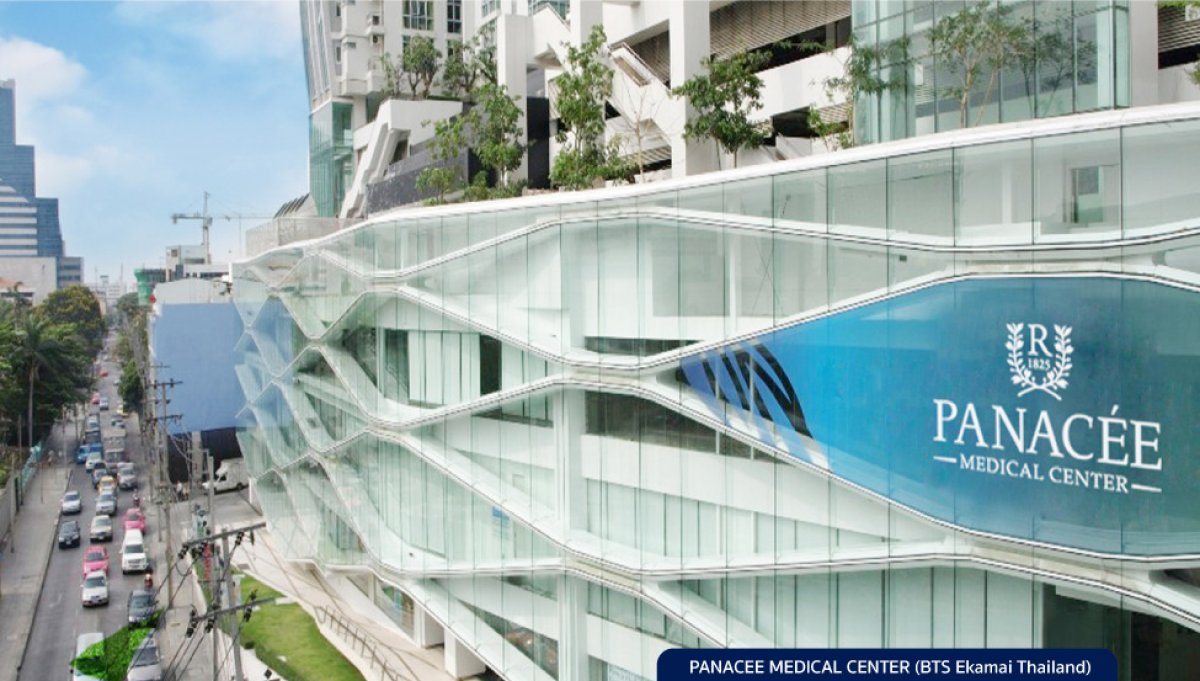
Panacee Medical Center – Stem Cell & Cell Therapy Center

Bangkok

4.6

Panacee Medical Center Cell Therapy is a private multi-specialty center in Bangkok. Its main specialties are cardiology, therapy, medical check-ups, and wellness retreats. The clinic treats 5,000 patients each year from across Asia, the USA, Canada, and Australia. Treats both adults and children, from check-ups to cardiac care. Wellness retreat programs available alongside standard medical services. Patients come from Arab League States, Asia, the USA, Canada, and Australia.

——Tumor Marker Blood Test

Our Doctors

View all Doctors
Kodchanut Litleaungdej Md
verified

Kodchanut Litleaungdej Md

12 years of experience

Dr. Kodchanut specializes in CAR T-cell therapy at Intrarat Hospital, leveraging advanced hematology training to improve patient outcomes.

  • Graduated with honors from Naresuan University Hospital's MD program
  • Thai Board certified hematologist with specialized fellowship at Thammasat University
  • Pioneer in hematology services at Huahin Hospital since 2020
  • Co-author of research on cancer-associated venous thromboembolism risk models

Is a CAR T-cell therapy right for you?

CAR T-cell therapy may be an option for treating certain blood cancers that have returned or not responded to treatment. Clinics in Thailand may consider it based on your cancer type, previous treatment response, and overall health.

CAR T-cell therapy may suit you if:

  • Your large B-cell, follicular, or mantle cell lymphoma has returned or did not respond to treatment.
  • Your B-cell acute lymphoblastic leukemia has returned or did not respond to treatment.
  • Your multiple myeloma has returned or did not respond to treatment.
  • Your chronic lymphocytic leukemia has returned or did not respond to treatment.

Consider another option or wait if:

  • You have an active, uncontrolled infection, including hepatitis B, hepatitis C, or HIV. Treat the infection before considering therapy.
  • You have significant problems with your heart, lungs, kidneys, or liver.
  • You have active disease affecting your brain or nervous system, or an autoimmune neurological disease. Ask whether your specific CAR T-cell product is appropriate.
  • Your overall health is poor. Ask the clinic to assess whether you are well enough for therapy.
  • Your cancer progresses quickly while the CAR T cells are being made. Ask whether the treatment timing is feasible.
  • You have had a severe allergic reaction to DMSO or ingredients in the cell product.
  • You are pregnant or breastfeeding.
  • You have active, uncontrolled graft-versus-host disease after a transplant. Ask a specialist to assess whether treatment should wait.

Bispecific antibody therapy may be an option if you are older and not eligible for CAR T-cell therapy.

Before you book:

  • Prepare your pathology report showing CD19 or BCMA status.
  • Prepare a summary of your previous treatments and responses.
  • Prepare your recent PET-CT or MRI report and bone marrow biopsy report.
  • Ask: “Does my diagnosis and treatment history make me a candidate for CAR T-cell therapy?”
  • Ask: “Would my neurological disease or graft-versus-host disease affect whether I can receive this therapy?”

Bookimed helps you find clinics and pass on your records and questions. The clinic's doctor reviews them and decides whether CAR T-cell therapy suits you.

CAR T-cell therapy recovery timeline: what to expect week by week

You can usually fly home 28–42 days after infusion with your doctor’s approval, if you have no toxicity and your blood counts are acceptable. Desk work usually resumes in 2–3 months, once immune-reaction risks and low blood counts settle. Strenuous exercise usually resumes in 2–3 months, with light walking possible earlier. Your response is assessed around 1 and 3 months, while remission durability needs longer follow-up.

  1. Infusion and first 1–2 weeks

    You receive one IV infusion, then stay near the treatment center while the team monitors you. The team watches for cytokine release syndrome, an immune reaction, and neurotoxicity, effects on the brain or nerves.

  2. Weeks 2–4

    Once stable, you may leave the hospital, but expect frequent visits, blood-count and infection checks, and a response assessment around day 28. Stay near the center until about day 28, avoid crowds, and do not drive for at least 8 weeks.

  3. Months 2–12

    You may fly home 28–42 days after infusion with your doctor’s approval, if you have no toxicity and your blood counts are acceptable. Your team monitors immune function and reassesses your response as blood counts and energy gradually recover. Delay live vaccines until your specialist advises.

When to contact your clinic: Contact your clinic for a fever of 100.4°F or higher, confusion, or hallucinations. Trouble breathing needs emergency care. For chest pain or sudden breathlessness after a long flight, seek emergency help locally.

Is a CAR T-cell therapy in Thailand safe?

CAR T-cell therapy in Thailand is safe when an experienced CAR T-cell therapy specialist performs it after an individual assessment, in a licensed clinic, with follow-up planned in advance. Of 6K+ Bookimed patients who had CAR T-cell therapy, 85% would recommend it.

Which risks need attention?

Most risks are temporary and treatable, though some CAR T-cell therapy complications can be serious. Possible risks and side effects include:

  • Cytokine release syndrome
  • Neurotoxicity affecting the brain or nerves
  • Prolonged low blood counts
  • Infections and low antibody levels
  • B-cell aplasia
  • Severe inflammatory syndrome
  • Tumor lysis syndrome
  • Allergic reactions during infusion

The CAR T-cell therapy specialist should explain how likely each risk is for you and how it would be treated. A licensed clinic with an experienced specialist is equipped to recognize and manage these risks early.

What if there is a complication or the result falls short?

Contact your CAR T-cell therapy specialist or clinic straight away if you notice:

  • Confusion or difficulty communicating
  • Excessive sleepiness
  • Fever of 100.4°F or higher

Before treatment, get the direct contact details of a named doctor who will handle any complications, not only a general helpline.

Traveling to Thailand for a CAR T-cell therapy

Plan 4–6 weeks in the country after the procedure, including 10–21 nights in hospital, before your flight home. US and UK passport holders can stay without a visa for up to 30 days. A planned medical stay longer than 60 days may need a medical-treatment visa.

When What happens
Before the procedure Arrival, consultation and agreed tests
7–14 days after First check-up
28–35 days after Second check-up
4–6 weeks after Flight home
Later Second trip

Before you fly

  • Visa. US and UK passport holders can stay without a visa for up to 30 days. A planned medical stay longer than 60 days may need a medical-treatment visa. All travelers must submit the Thailand Digital Arrival Card within 3 days before arrival. US citizen tourists entering for fewer than 60 days must complete pre-arrival online registration.
  • Passport. The US State Department strongly recommends that your US passport be valid for at least 6 months beyond arrival. Your UK passport must expire at least 6 months after arrival and have at least 1 blank page.
  • Medicines. If you are traveling from the US, carry prescription medication in its original packaging with your doctor's prescription. UK prescriptions are usually accepted by hospitals and pharmacies across Thailand. The legal status and regulation of some medicines prescribed or bought in the UK can differ.
  • Hand luggage. Bring a pathology report with CD19 or BCMA status, a summary of prior treatment lines and responses, a recent PET-CT or MRI report, a bone marrow biopsy report, recent CBC and kidney and liver function tests, and an echocardiogram report if available.

Getting there and staying

  • Airports. Suvarnabhumi Airport (BKK) is 25 km from downtown Bangkok. Don Mueang Airport (DMK) is 23 km from the Grand Palace.
  • Flight time. Bangkok is about 9,600 km from London, with about 11–12 hours of flying time. It is about 13,900 km from New York, with about 16–17 hours of flying time. A connection adds time.
  • Emergency. In a medical emergency, call 191 and ask for an ambulance.

When to go

  • Weather. In Bangkok, average daytime highs are about 31 °C in September–January and about 35 °C in April–May. May–October are the wettest months, with 100 mm of rain or more.
  • Season. January–March and November–December are drier, making these months better for a recovery trip. May–October can make recovery harder because of heavy rain, and April–May are the hottest months.

Insurance and changes

  • Health insurance. Medicare and Medicaid do not apply overseas. If you are traveling from the US, check that your health insurance plan provides overseas coverage. You cannot use a UK GHIC or EHIC in Thailand.
  • Hospital payment. Hospitals and doctors require payment up front before service or admission. All hospitals require a guarantee of payment before treating patients.

Flying home

  • Fit to fly. You can fly home 28–42 days after infusion with your doctor’s approval, if you have no toxicity and your blood counts are acceptable.
  • Take home. After treatment abroad, take your implant card, operation notes, X-rays, and medicine list home.

CAR T-cell therapy in Thailand: Video Reviews from Bookimed Patients

Dayana
I combined my vacation in Antalya with a check-up.
Procedure: Female check-up
Igor
It was great! Transfers, accommodation, treatment—all included.
Procedure: Dental Implant
Marina
Bookimed did everything for me. I didn't have to worry about anything.
Procedure: Female check-up

Share this content

Updated: Nov 17, 2026
Authored by
Anna LeonovaAnna Leonova
Anna Leonova
Head of Content Marketing Team
A certified medical writer with 10+ years of experience, developed Bookimed’s trusted content, backed by a Master’s in Philology and medical expert interviews worldwide.
Fahad Mawlood
Fahad Mawlood
Medical Editor & Data Scientist
General practitioner. Winner of 4 scientific awards. Served in Western Asia. Former Team Leader of a medical team supporting Arabic-speaking patients. Now responsible for data processing and medical content accuracy.
Fahad Mawlood Linkedin
This page may feature information relating to various medical conditions, treatments, and healthcare services available in different countries. Please be advised that the content is provided for informational purposes only and should not be construed as medical advice or guidance. Please consult with your doctor or a qualified medical professional before starting or changing medical treatment.

FAQ about CAR T-cell therapy in Thailand

What documents are required to apply for a visa to Thailand for treatment?

Visas for travel to Thailand require a number of documents. The necessary papers can be submitted 90 days before the planned departure. The list of documents includes:

  • ID card
  • confirmation of online registration and filling out the questionnaire
  • certificate of income and availability of funds (20,000 baht per person/40,000 baht per family)
  • insurance policy for a stay in Thailand (original and copy)
  • 2 photos (4x6)
  • visa receipt
  • booking of round-trip air ticket (paid in full) and hotel
  • medical opinion about the need for treatment.

What is the level of medicine in Thailand?

Healthcare is the key development sector of the Thai government. The Thai authorities are convinced that care for the citizens' health should be an absolute priority of state policy and spend about 25 billion baht for healthcare annually.

As a result, 36,673 medical facilities provide excellent medical care in the country. 64 centers in the Kingdom have certificate of JCI (Joint Commission International), the international improver of healthcare quality and safety across the globe. The index of certificates obtained is the largest. To compare, Israel has 20 JCI-accredited facilities, and Germany — only 10 clinics of this type.

When is the best time to travel to Thailand?

The main advantage of Thai resorts is the long beach season. On the east coast and west coast the climate features are different, so take it into account when planning the trip. The best time to travel is during the cool and dry season between November and early April. A large influx of tourists is in March-May, when the air temperature is +30°C.

What should you know about Thailand before the trip?

Official name

The Kingdom of Thailand

Currency

Thai Baht (you also can pay for services in dollars)

Best period for the trip

November-early April

Language

Thai (most of medical staff speaks English fluently)

Visa

is required for a trip of 3-6 months

Time difference with Europe

7 hours

Time difference with the USA

12 hours

Capital

Bangkok

Medical tourism center

Bangkok

Popular resorts

Koh Samui, Phuket, Chiang Mai, Koh Chang, Hua Hin

What hotel service is provided here?

In the Kingdom of Thailand, hotels of different price ranges and service levels are presented. The level of Thai hotels is comparable to hotels in Tunisia, Morocco or Egypt. Most tourists choose 4 and 5 star hotels with all-inclusive meals. Such hotels have everything for a comfortable stay: varied food, a large well-groomed territory, animation for children and adults. Some hotels have their own water park, which guests can use for free. Budget travelers can afford to book an economical 3-star hotel with half board or no meals at all.

Do I need a visa?

For now, the Kingdom of Thailand requires different visa regimens for diverse states. Some foreigners can stay in the country 60 days without visa control, some of them — only 14 days.

How long you can stay in Thailand and what countries can cross the border easy read here.

Last review: Nov 17, 2026

Fahad Mawlood
Content meets the Bookimed Editorial Policy and is medically reviewed by

Fahad Mawlood — General practitioner. Winner of 4 scientific awards. Served in Western Asia. Former Team Leader of a medical team supporting Arabic-speaking patients. Now responsible for data processing and medical content accuracy.

Get a free consultation

Have a question about CAR T-cell therapy in Thailand?

Ask a Bookimed medical coordinator about prices, clinics, techniques or your case. Write to us in the messenger you already use.

  • Direct prices from clinics
  • Free evaluation of your medical case
  • Free personal assistance 24/7

Ask your question in a messenger

Tap a messenger to open a chat with a Bookimed medical coordinator.

Free and without obligation · Terms of use · Privacy policy

