Bookimed is free for patients – clinics pay us a commission, and you pay the clinic its own price with no markup. Five steps to your psychotherapy in Thailand:
Share your case
Tell us about your mental health and share recent medical reports and blood test results.
Get treatment plans
Your coordinator finds clinics that match your needs and helps you choose. Your preferred clinics then send personalized treatment plans and quotes for you to compare.
Plan your trip
We set treatment dates that work for you and help arrange your flights and accommodation.
Visit the clinic
The clinic team starts your psychotherapy on the agreed dates. We support you throughout your trip.
Back home
You can fly home the same day, and gains consolidate over 1–3 months. Your coordinator stays in touch and helps arrange a follow-up if you need one.
Some clinics ask for a deposit. A $200 or €200 deposit paid through Bookimed comes off your clinic bill and is refundable up to 10 calendar days before your visit. A deposit paid to the clinic follows its own terms.
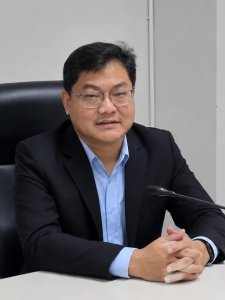
Board-certified addiction specialist Dr. Pichayut Kasemphakdeephong provides this online consultation via a HIPAA-compliant platform for patient privacy. The 60-minute session includes a thorough psychiatric assessment at Day One Rehabilitation Center, a committee member of the Thai Society for Addiction Psychiatry. Priced at about $250, it delivers a personalized treatment roadmap and medication advice, with a detailed written plan emailed within 24 hours.
This HIPAA-compliant online consultation provides a detailed, written treatment plan within 24 hours. Conducted by Board-Certified Addiction Specialist Dr. Pichayut Kasemphakdeephong, a speaker at the Royal College of Psychiatrists, it costs about $250 and includes expert medication advice. The consultation is backed by the comprehensive, integrated care approach of the nationally accredited Day One Rehabilitation Center, which specializes in psychostimulant and gambling dependencies.
Dr. Pichayut Kasemphakdeephong personally designs each treatment plan for gambling addiction recovery. This intensive 28-day program at the nationally accredited Day One Rehabilitation Center costs around $15,000 and includes comprehensive diagnostics, a 24-hour medically supervised hospital stay, and airport transfers. The integrated approach combines individual therapy, group sessions, and a structured 12-step program. Dr. Kasemphakdeephong applies research-based protocols, with meals by a nutritionist supporting the recovery process.
Get matched with the best doctors for Psychotherapy
Tell us about your needs — and get 3 tailored offers from top doctors for you.
Do you have any chronic conditions or prior surgeries?
Direct prices from clinics
Free evaluation of your medical case
Free personal assistance 24/7
Thailand Psychotherapy overview
from
$250 / ฿8,500
How much does a Psychotherapy cost in Thailand?
Psychotherapy in Thailand costs from $250 / ฿8,500. The final quote depends on therapist credentials, provider setting, language, and session schedule.
Treatment for children and teens with schizophrenia
≈ $6,500 / ฿221,000
≈ $4,500 / ฿153,000
≈ $14,000 / ฿476,000
Data verified by Bookimed as of November 2026, based on patient requests and official quotes from 89 clinics worldwide. Median costs are based on real invoices (2025–2026) and updated monthly. Actual prices may vary.
How to choose a Psychotherapy clinic in Thailand
For psychotherapy in Thailand, compare clinic locations, match the clinician to your needed technique, ask about credentials, and read patient reviews.
What to check
Geographic shortlist
Bookimed lists 11 clinics for psychotherapy in Thailand, with top-ranked listings in Bangkok, Chiang Mai, and Koh Chang.
Technique match
Confirm that the doctor you meet will perform your needed technique – doctors on Bookimed who perform psychotherapy in Thailand have a median of 12 years of practice.
Prebooking discussion
Before booking, ask whether psychotherapy is necessary and request a second opinion – arrange transfer of your medical notes and clarify who will provide aftercare at home.
Facility credentials
Ask whether your doctor is licensed by the Medical Council of Thailand – Bookimed's top-ranked clinics include 5 with JCI accreditation.
Bumrungrad International Hospital, ranked among the world's top 30 most technologically advanced clinics, provides psychotherapy for international patients from over 190 countries. Their mental health services typically range from $6,100 to $13,200.
Since 2003, the private clinic has served about 1,000 patients annually, with treatments for adults and children. Standard psychotherapy may cost around $50–100 per session while comprehensive programs, like for depression, typically run around $1,000. The clinic has a 4.5/5 rating and is led by UK-trained physicians.
DARA reports a 92% average treatment completion rate at its Koh Chang residential center. Its 28-day program may cost around $9,500, including accommodation, meals, therapy, excursions, and airport transfers. Medical detox and additional tests are billed separately. The JCI-accredited facility uses an Integrated Treatment Model with CBT, DBT, and Schema Therapy. Certified dual-diagnosis clinicians also treat depression, anxiety, and PTSD alongside addiction.
The Warmth Rehab offers integrated trauma-informed care led by Dr. Kanok Uttawichai, who brings over 15 years of experience in addiction medicine. Their boutique program limits intake to 15 clients to focus on personalized psychotherapy. Sessions include EMDR, Brainspotting, and family therapy using the SATIR approach. The clinic holds accreditation from the Thailand Ministry of Public Health. Patients receive private counseling twice a week alongside daily group therapy and comprehensive relapse prevention planning within a 28-day residential setting.
The Beekeeper House stands out with its AACI Gold accreditation and approval from the US Department of Veterans Affairs. Their residential programme lasts at least 35 days to support lasting change. Therapy includes two 90-minute individual sessions and seven group sessions each week. The clinical team uses an integrative approach, blending CBT and EMDR with Eastern mindfulness practices. They also offer exclusive Transformative Dynamical Neurofeedback for brain regulation. Aftercare includes a personalized app to maintain wellbeing plans and virtual check-ins.
Holina Rehab Thailand is a licensed addiction and trauma recovery center on Ko Phangan. It specializes in dual diagnosis, psychiatry, and alcoholism treatment for international residents. A key difference is treating addiction and trauma together within one clinical team. The center was founded in 2019 by Yossi Zubari. It runs under a Thai Ministry of Public Health residential rehab license.The facility offers medically supervised detox followed by evidence-based psychotherapy. Dr. Aviva Wolf leads the clinical team with over 25 years of experience. Programs typically last 4 to 12 weeks. On-site technology includes hyperbaric oxygen therapy and somatic healing tools. Residents can use a private beach, two pools, and a gym. Patients mainly travel from Europe, the Middle East, Australia, and Southeast Asia.
One Step Rehab Thailand operates as a JCI-accredited residential center with a 1:1 staff-to-client ratio. A 28-day program typically costs around $8,500, covering intensive therapy, private accommodation, meals, and 12 months of online aftercare. Dr. Naranchaya Sriburapar and Dr. Worapakthorn Kongpesalaphun lead a clinical team providing over 25 hours of weekly therapy. The center focuses on dual diagnosis care, using methods like EMDR and CBT. Residents also have access to Muay Thai, yoga, and weekly excursions around Chiang Mai.
Phuket Island Rehab provides intensive care with individual therapy sessions four to five times weekly. The clinical team includes Dr. John A. Smith, who brings over 15 years of experience in trauma-focused therapy and addiction counseling. Programs include evidence-based methods like CBT, DBT, and EMDR alongside mindfulness and yoga. This clinic is licensed by the Thailand Ministry of Public Health, ensuring high safety standards. A twelve-month aftercare program with weekly video check-ins supports long-term recovery after the residential stay ends.
SafeHouse Rehab Thailand maintains an intimate recovery environment by limiting groups to only 5–6 clients per facilitator. The program integrates evidence-based modalities like Cognitive Behavioral Therapy and Dialectical Behavioral Therapy. Residents receive individual counseling for at least one hour every two days. For safety, medical detox is handled through a partnership with the JCI-accredited Aikchol Hospital. The facility follows a four-stage recovery model, which includes the WeCare aftercare program for remote support after discharge.
9 years of experience • 10000+ treatments performed
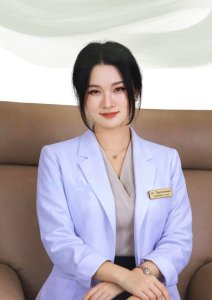
Dr. Bee Thamonwan is an aesthetic and regenerative medicine specialist at Plenary Wellness in Phuket. She focus on natural rejuvenation using stem cells and collagen-boosting biostimulators. Dr. Thamonwan earned her medical degree from the Medical University of Lublin in Poland. She speaks Thai, English, and Chinese fluently.
Performs advanced stem cell therapy to regenerate skin and support anti-aging from within.
Specializes in Sculptra and biostimulator injectables for gradual, natural facial volume renewal.
Provides PRP hair therapy and mesotherapy microinjections for restorative scalp health.
Collaborates with Prince of Songkla University on wellness research and innovation.
Specializes in sleep medicine and its connection to mental health – Dr. Ken integrates advanced sleep treatments into psychiatric care at King Chulalongkorn Memorial Hospital.
Focuses on sleep disorders linked to mood conditions
Trained in Cognitive Behavioral Therapy for Insomnia
Works at Thailand's leading sleep disorders center
Residential trauma and addiction care with ongoing aftercare
Typical price
vs Thailand
Thailand (this page)
$250
–
United States of America
from $150
−40%
Turkey
from $150
−40%
Where to get a Psychotherapy in Thailand
Bangkok offers Thailand’s widest clinic choice, with CBT, family therapy, and group therapy, and prices from $250 / ฿8,500. Patients seeking addiction recovery in a quiet island setting may prefer Koh Chang, where beach surroundings can suit recovery days.
Resort island and city · Phuket International Airport is 32 km from city center
Trauma-focused residential care
A city tells you how you will travel and where you will recover, but not how your psychotherapy will go. Surgeons and clinics in the same city differ in experience and in how they handle aftercare, so choosing them matters just as much as choosing the city.
Psychotherapy recovery timeline: what to expect week by week
You can usually fly home the same day after your first active CBT session, with your doctor's approval. Many people work normally after sessions, while some prefer end-of-day appointments. You can resume exercise right away, and exercise is often encouraged. Most improvement occurs during the course, while gains consolidate over about 3 months after your last session.
First 2 weeks
Your clinician assesses your needs, helps you set goals, and agrees on a weekly plan, usually within the first 2 weeks. You can continue normal daily life.
About 12–20 weeks
Weekly outpatient CBT sessions last 45–60 minutes and include homework. Sessions may be tiring for a few hours, and improvement is gradual. Flying home after your first active session is allowed with your doctor's approval, but leaving mid-course interrupts continuity unless sessions continue by video.
At course end
At the final review, your clinician compares your progress with your baseline and sets a relapse-prevention plan. You can continue daily routines as usual.
About 1–3 months after last session
Your clinician may arrange a booster session to help prevent relapse or address residual symptoms.
When to contact your clinic: Seek emergency help for suicidal thoughts or if you may harm someone. Contact your clinic promptly for mania, psychosis, rapid decline, or worsening symptoms. For chest pain or sudden breathlessness after a long flight, seek emergency help locally.
Is a Psychotherapy in Thailand safe?
Psychotherapy in Thailand is safe when an experienced therapist performs it after an individual assessment, in a licensed clinic, with follow-up planned in advance. Of _patients_ Bookimed patients who had psychotherapy, _recommend_ would recommend it.
Which risks need attention?
Most difficulties during psychotherapy are temporary and treatable, but meaningful improvement is not guaranteed. Possible risks and side effects include:
Temporary emotional distress when discussing painful topics
No meaningful improvement or remission
Symptoms may worsen early in treatment
Poor fit with the therapist or approach, or dropping out
Relapse after treatment ends
The therapist should explain how likely each risk is for you and how it would be addressed, including what to do if symptoms worsen or progress stalls. A licensed clinic with an experienced therapist is equipped to recognize and manage these risks early, and to discuss whether the treatment approach remains a good fit.
What if there is a complication or the result falls short?
Contact your therapist or the clinic straight away if you notice no improvement in therapy.
Before starting psychotherapy, get the direct contact details of a named doctor who will handle any complications, not only a general helpline.
Traveling to Thailand for a Psychotherapy
Arrive on the day of the procedure and plan to fly home that day. Treatment involves 12–20 sessions, weekly over 12–20 weeks. US and UK passport holders can stay in Thailand without a visa for up to 30 days. A longer stay for planned medical treatment may need a medical-treatment visa.
When
What happens
Before the procedure
Arrival, consultation and agreed tests
0 days after
Flight home
4–8 weeks after
Progress review
4–13 weeks after
Optional booster or follow-up session
Before you fly
Visa. US and UK passport holders can stay in Thailand without a visa for up to 30 days. A longer stay for planned medical treatment may need a medical-treatment visa. US tourists entering for fewer than 60 days must complete pre-arrival online registration. All foreign nationals must complete the Thailand Digital Arrival Card online before arrival.
Passport. The US State Department strongly recommends that your US passport be valid for at least 6 months beyond arrival to avoid possible denied entry. Your UK passport must have an expiry date at least 6 months after arrival and at least 1 blank page.
Medicines. If you are traveling from the US, carry prescription medication in its original packaging with your doctor's prescription and check that it is legal in Thailand. UK prescriptions are usually accepted by hospitals and pharmacies across Thailand, but the legal status and regulation of some UK medicines can differ.
Hand luggage. Bring a current psychiatric diagnosis report and a summary of previous psychotherapy, if available. Bring a list of current medications, a referral letter or recent medical review, and recent relevant blood test results.
Getting there and staying
Airports. Suvarnabhumi Airport (BKK) is 25 km from downtown Bangkok. Don Mueang Airport (DMK) is 24 km from central Bangkok.
Flight time. Bangkok is about 9,600 km from London, with about 11–12 hours of flying time. It is about 13,900 km from New York, with about 16–17 hours of flying time. A connection adds time.
Emergency. In a medical emergency, call 191 and ask for an ambulance.
When to go
Weather. In Bangkok, average daytime highs are about 31 °C in September–January and about 35 °C in April–May. The wettest months, with 100 mm of rain or more, are May–October.
Season. November through February is comparatively milder and drier, making it the better period for a recovery trip. April through October can be harder because of greater heat and heavy rain.
Insurance and changes
Health insurance. Medicare and Medicaid do not apply overseas, and US travelers should make sure their health insurance covers them overseas. UK travelers cannot use a UK GHIC or UK EHIC in Thailand.
Hospital payment. All hospitals in Thailand require a guarantee of payment before treating patients.
Flying home
Fit to fly. You can usually fly home the same day after your first active CBT session, with your doctor's approval. Leaving mid-course interrupts weekly continuity unless sessions continue by video.
Take home. Keep your treatment-related documents and medicine information for follow-up care after treatment.
Psychotherapy in Thailand: Video Reviews from Bookimed Patients
Dayana
I combined my vacation in Antalya with a check-up.
He was completely honest about the challenges of the recovery journey and explained the treatment plan to me very clearly, which gave me a great deal of confidence
What made the biggest impression on me was my conversation with the doctor. He was completely honest about the challenges of the recovery journey and explained the treatment plan to me very clearly, which gave me a great deal of confidence. My programme was specifically designed for detoxification only and lasted between one and three months. Even after the programme ended, they stayed in touch with me and were easy to get hold of, which is very important at this stage. The only thing to bear in mind is that there are additional costs; I had to cover the cost of lunch and dinner, transport to and from the airport, as well as some additional medication that wasn’t included in the basic price.
A certified medical writer with 10+ years of experience, developed Bookimed’s trusted content, backed by a Master’s in Philology and medical expert interviews worldwide.
General practitioner. Winner of 4 scientific awards. Served in Western Asia. Former Team Leader of a medical team supporting Arabic-speaking patients. Now responsible for data processing and medical content accuracy.
This page may feature information relating to various medical conditions, treatments, and healthcare services available in different countries. Please be advised that the content is provided for informational purposes only and should not be construed as medical advice or guidance. Please consult with your doctor or a qualified medical professional before starting or changing medical treatment.
FAQ about Psychotherapy in Thailand
What is the difference between a counselor, psychologist, and psychiatrist in Thailand?
In Thailand, psychiatrists are medical doctors who diagnose complex conditions and prescribe medication. Clinical psychologists specialize in psychological testing and evidence-based therapies like CBT. Counselors focus on personal support and life stressors, typically referring patients to medical professionals for formal clinical diagnoses or prescriptions.
Medical authority: Psychiatrists hold medical degrees and provide prescriptions or medical reports.
Therapeutic focus: Psychologists utilize assessments and talk therapy like mindfulness or art therapy.
Regulatory bodies: The Medical Council of Thailand licenses psychiatrists for clinical practice.
Scope of care: Counselors handle relationship issues while psychiatrists manage severe conditions like schizophrenia.
Bookimed Expert Insight: Thai mental health care often follows a hybrid model where psychiatrists integrate low-dose medication with therapy. While Western standards often separate these roles, doctors like those at Kin Origin Rehab Center frequently provide both in a single 60-minute session. This approach can be more efficient for international patients seeking comprehensive care in Bangkok.
Patient Consensus: Patients often recommend using counselors for weekly emotional support while maintaining separate psychiatrist appointments for medication management. Those in Bangkok find more English-speaking options, but many now prefer using telehealth apps to bridge the gap in rural areas.
Does health insurance cover mental health in Thailand?
Health insurance in Thailand provides variable mental health coverage depending on residency status and plan type. Thai nationals receive free care via Universal Health Coverage, while expats with Social Security access subsidized services at public hospitals. Private plans often require specific add-ons or 10-month waiting periods.
Public system: Thai citizens and Social Security contributors access psychiatric care at state facilities.
Private policies: Standard local plans frequently exclude psychotherapy unless added as a specialized rider.
International providers: Companies like Allianz or Cigna typically offer better mental health benefit defaults.
Cash payments: Many patients pay from
$250 out-of-pocket due to high insurance deductibles.
Bookimed Expert Insight: Data from top-tier facilities like Bumrungrad International Hospital shows that while medication is often covered by insurance, talk therapy is frequently excluded. If you need psychotherapy, many clinics like Kin Origin Rehab Center now offer online sessions for approximately $150. These digital consultations can be a vital workaround for expats in rural areas where specialized English-speaking staff are scarce.
Patient Consensus: Patients often find that insurers prioritize covering psychiatric medication over talk therapy. Many recommend keeping all original receipts to attempt reimbursement for private consultations, even if the policy language seems restrictive.
Are English-speaking therapists available?
English-speaking therapists are widely available in Thailand, particularly within international hospitals and specialized rehabilitation centers in Bangkok, Chiang Mai, and Koh Chang. Facilities like Bumrungrad International Hospital serve patients from 190 countries, ensuring fluent communication through Western-trained specialists and multilingual clinical staff.
International hospitals: JCI-accredited centers in Bangkok provide highly fluent, often Western-educated psychiatric specialists.
Rehabilitation centers: Facilities in Koh Chang and Chiang Mai employ native English-speaking clinical therapists.
Specialized treatments: English sessions cover Cognitive Behavioral Therapy (CBT), 12-step programs, and motivational enhancement therapy.
Remote access: Clinics like Kin Origin Rehab Center offer 60-minute online consultations with English-speaking psychiatrists.
Bookimed Expert Insight: While many local clinics offer psychotherapy, the highest concentration of English fluency is found in specialized addiction centers. For instance, DARA Rehabilitation maintains a 92% completion rate by using English-native therapists. If seeking deep psychological work, choosing these dedicated international hubs avoids the cultural nuances often lost in translation at general local clinics.
Patient Consensus: Patients suggest using major international hospitals to guarantee fluency. Many expats prefer Western-trained therapists in Thailand to ensure their specific cultural context is fully understood during sessions.
Is online therapy an option?
Online therapy is a widely available and effective option for psychotherapy in Thailand. Dedicated telemedicine platforms and accredited institutions like Bumrungrad International Hospital offer remote sessions. It is specifically beneficial for expats and digital nomads seeking English-speaking licensed professionals for anxiety, depression, and PTSD management.
Available providers: Clinics like Kin Origin Rehab Center offer 60-minute online psychiatrist sessions.
Treatment costs: Virtual psychotherapy in Thailand typically ranges from
$250.
Technological access: High-tier hospitals utilize advanced telemedicine and digital imaging for comprehensive remote care.
Clinical effectiveness: Research confirms teletherapy matches in-person results for most common mental health conditions.
Bookimed Expert Insight: While many think of online therapy as just video calls, Thailand’s top facilities like Bumrungrad International Hospital integrate it into a broader digital health ecosystem. This includes electronic health records and smart building technology. For patients, this means your online session data remains synchronized with physical hospital records if you ever transition to in-person care.
Patient Consensus: Patients value online therapy for its convenience and the ability to maintain privacy without visiting a physical office. It is particularly popular among the local expat community for bridging language barriers with international-standard specialists.
What cultural factors should I be aware of?
Navigating psychotherapy in Thailand requires understanding deeply rooted values like collectivism and the concept of saving face. Patients should expect a focus on social harmony and indirect communication. High-power distance means therapists are viewed as authority figures whose guidance is rarely challenged directly during sessions.
Communication style: Therapists often use indirect hints or stories rather than blunt, confrontational questioning.
Social harmony: The concept of kreng jai encourages extreme consideration for others' feelings during sessions.
Therapeutic integration: Many programs incorporate Buddhist principles like mindfulness, acceptance, and meditation into CBT.
Authority dynamics: Patients typically show high respect to clinicians, following a traditional hierarchical social structure.
Bookimed Expert Insight: While Western therapy often sparks immediate breakthroughs through confrontation, Thai-based programs prioritize long-term rapport. Clinics like Day One Rehabilitation Center or DARA leverage this by blending 12-step models with gardening and art therapy. This softer approach achieves high completion rates because it reduces the psychological stress of `standard` clinical interrogation.
Patient Consensus: Patients often find the pace slower than in the US but appreciate the non-confrontational atmosphere. Many suggest clarifying your communication preferences early if you prefer a more direct Western style of feedback.
What should I expect in the first session?
The first psychotherapy session in Thailand typically lasts 45 to 60 minutes and focuses on establishing rapport and clinical intake. You will complete administrative paperwork, discuss your medical history, and outline specific goals like managing mood disorders or sleep issues with a board-certified psychiatrist or licensed therapist.
Administrative housekeeping: Complete intake forms, privacy policies, and discuss session frequency or late cancellation rules.
Clinical interview: Discuss current symptoms, personal history, and support systems to create a treatment plan.
Technique introduction: Therapists explain approaches like Cognitive Behavioral Therapy (CBT), mindfulness, or talk therapy.
Wellness check: Some Thai clinics include a holistic blood pressure or basic health screening.
Compatibility assessment: Use the first 1–2 sessions to ensure a comfortable fit with your provider.
Bookimed Expert Insight: While many international patients seek specialized care at major centers like Bumrungrad International Hospital, specialized boutique facilities like Kin Origin Rehab Center offer 60-minute psychiatrist-led sessions for $154. This focused approach is often more efficient for those seeking stigma-free, accessible mental health support without the complexity of a large hospital setting.
Patient Consensus: Expect an informal, relational warm-up where therapists may initially avoid taboo family topics to build trust. It is helpful to have a translation app ready as some providers use local idioms during the conversation.
Fahad Mawlood — General practitioner. Winner of 4 scientific awards. Served in Western Asia. Former Team Leader of a medical team supporting Arabic-speaking patients. Now responsible for data processing and medical content accuracy.
Get a free consultation
Have a question about Psychotherapy in Thailand?
Ask a Bookimed medical coordinator about prices, clinics, techniques or your case. Write to us in the messenger you already use.
Direct prices from clinics
Free evaluation of your medical case
Free personal assistance 24/7
Ask your question in a messenger
Tap a messenger to open a chat with a Bookimed medical coordinator.



 60-Min Online Psychotherapy Session for Alcohol Addiction