Treatment of drug addiction in Thailand: costs, clinics and reviews
Treatment of drug addiction in Thailand costs $10,600 / ฿360,400 to $12,500 / ฿425,000, about 58% less than the US average of $27,500 / ฿935,000 (Bookimed data, November 2026). Most packages include airport transfers, a doctor consultation, and a hotel stay. It is offered by Day One Rehabilitation Center in Bangkok.
Bookimed is free for patients – clinics pay us a commission, and you pay the clinic its own price with no markup. Five steps to your treatment of drug addiction in Thailand:
Share your case
Tell us about your substance use and share your recent drug test results.
Get treatment plans
Your coordinator finds clinics that match your needs and helps you choose. Your preferred clinics then send personalized treatment plans and quotes for you to compare.
Plan your trip
We set treatment dates that work for you and help arrange your flights and accommodation. If needed, we request a visa support letter from the clinic.
Visit the clinic
The clinic team starts your treatment of drug addiction on the agreed dates. We support you throughout your trip.
Back home
You fly home after a 4–12-week stay, with stability assessed over 6–12 months. Your coordinator stays in touch and helps arrange a follow-up if you need one.
Some clinics ask for a deposit. A $200 or €200 deposit paid through Bookimed comes off your clinic bill and is refundable up to 10 calendar days before your visit. A deposit paid to the clinic follows its own terms.
Led by Dr. Pichayut Kasemphakdeephong, a committee member of the Thai Society for Addiction Psychiatry, this 28-day program offers personalized treatment. The plan is individually designed by Dr. Pichayut and integrates evidence-based medical detox with daily psychological support. This all-inclusive program costs approximately $13,000 at the nationally accredited Day One Rehabilitation Center. The package covers complex diagnostics, a structured 12-step program, and holistic complementary therapies for a comprehensive recovery journey.
Get matched with the best doctors for Treatment of drug addiction
Tell us about your needs — and get 3 tailored offers from top doctors for you.
Have you already undergone any treatment?
Direct prices from clinics
Free evaluation of your medical case
Free personal assistance 24/7
Thailand Treatment of drug addiction overview
Cost and clinics
Typical treatment of drug addiction price in Thailand
Packages
Clinics
Accreditations
Cities
Treatment of drug addiction specialists
Specialist experience
$10,600 / ฿360,400–$12,500 / ฿425,000
1 package
9 clinics
JCI (3 clinics)
Bangkok (1 clinics), Chiang Mai (0), Chiang Rai, Koh Chang (0) and 2 more
15 specialists
~89% of specialists have 10+ years of practice (median 20 years)
The procedure
Before the trip
Time in Thailand
Operation time
Anesthesia
Back to desk work
Final result
Complete medical and substance use assessment and lab tests before treatment
30–80 visits during residential stay (first trip 4–12 weeks, including about 28 nights in hospital)
4–8 hours
None
4–13 weeks
6–12 months
How much does a Treatment of drug addiction cost in Thailand?
Treatment of drug addiction in Thailand costs from $10,600 / ฿360,400 to $12,500 / ฿425,000. The final price depends on care format, program length, clinic, accommodation, and included services.
Data verified by Bookimed as of November 2026, based on patient requests and official quotes from 43 clinics worldwide. Median costs are based on real invoices (2025–2026) and updated monthly. Actual prices may vary.
How to choose a Treatment of drug addiction clinic in Thailand
To choose care for treatment of drug addiction in Thailand, narrow the location, compare package inclusions, match a doctor to the care you need, confirm credentials, and read patient reviews.
What to check
1. Narrow locations
Bookimed lists 9 clinics for treatment of drug addiction in Thailand – top-ranked clinics are in Bangkok, Chiang Mai, and Koh Chang.
2. Compare inclusions
Bookimed lists 5 treatment of drug addiction packages – see whether a hotel stay and airport transfers are covered, then weigh other services against your needs.
3. Match the clinician
At consultation, ask whether an addiction-trained doctor assesses substance use, mental health, and medical status, oversees care, and performs your technique – doctors' median practice is 20 years.
4. Verify credentials
Ask whether the doctor is licensed by the Medical Council of Thailand – 3 top-ranked clinics have JCI accreditation.
Discover Treatment of drug addiction Clinics in Thailand
The clinic recommends 8 one-hour sessions of psychotherapy and medication in its specialized addiction program. A typical all-inclusive package may cost around $1,000 USD, covering consultations and prescribed medications. The clinic sees approximately 1,000 patients yearly with a 91% recommendation rate, serving a diverse international clientele.
DARA Rehab is a private residential rehabilitation center on Koh Chang island, Thailand. It treats drug and alcohol addiction, plus behavioral recovery. The center opened in 1999 as Asia's first English-speaking recovery facility. Its signature Integrated Treatment Model combines CBT, DBT, and Motivational Interviewing.The treatment completion rate averages 92%, well above the industry norm of under 50%. Behavioral addiction programs also reach a 92% success rate. DARA is licensed by Thailand's Ministry of Health and JCI-accredited. The facility runs 40 villas across five departments.Patients travel here from North America, Europe, East Asia, and the Middle East. English-speaking staff provide 24/7 supervision and full aftercare planning. The center partners with Bangkok Hospital-Trat for medical check-ups.
The Warmth Rehab offers boutique residential care limited to only 15 residents. This ensures highly personalized attention throughout the recovery process. Dr. Kanok Uttawichai leads the medical detoxification program with over 15 years of specialized experience. The clinic combines evidence-based methods like CBT, EMDR, and Brainspotting to address the root causes of addiction. Every program includes family therapy sessions and a comprehensive aftercare continuum. The facility holds certifications from the Thailand Ministry of Public Health and SHA Plus.
—
—
Cognitive Behavioral Therapy (CBT), EMDR, Brainspotting, Internal Family Systems (IFS), 12-Step, Mindfulness, SATIR, TREATNET
The Beekeeper House holds AACI Gold accreditation and serves as an approved provider for the US Department of Veterans Affairs. This resort-style center in Chiang Mai offers a minimum 35-day residential stay. The program includes two 90-minute individual therapy sessions and seven group sessions weekly. Residents access advanced tools like neurofeedback and virtual reality therapy alongside traditional CBT and DBT. The facility spans two hectares of botanical gardens, featuring a pool and yoga sala for holistic recovery.
Holina Rehab operates as a licensed recovery resort on Koh Phangan with a private beach and JCI accreditation. The 4-week all-inclusive program typically costs around $9,700–$18,700, covering medical detox supervision, meals, and therapy. Dr. Aviva Wolf leads the clinical team with over 25 years of experience in addiction psychiatry. Their Dual Treatment model addresses addiction alongside trauma using methods like EMDR and hyperbaric oxygen therapy. The program includes six months of free weekly aftercare video calls.
Phuket Island Rehab reports an 85% success rate for clients who stay longer than 30 days. The program offers medically supervised detox with 24/7 nursing and substance-specific protocols for safe withdrawal. Residents can choose stays of 28, 60, or 90 days in a private setting licensed by the Thailand Ministry of Public Health. Therapy combines evidence-based methods like EMDR and CBT with holistic activities such as Muay Thai and yoga. Every plan includes 12 months of aftercare with regular therapist check-ins to support long-term recovery.
SafeHouse Rehab Thailand limits its intake to 12 clients, maintaining small groups of 5–6 people for personalized care. The 30-day residential program typically runs $15,000 and covers a private room, meals, VIP transfers, and a hospital health check. Dr. Songit Udomsin leads the medical team, coordinating detox at the JCI-accredited Aikchol Hospital. This program combines CBT and DBT with holistic therapies like Thai massage and acupuncture. Recovery continues after departure with 24/7 remote counseling through the WeCare aftercare system.
Phufa Resthome has helped 1,000+ families overcome addiction with a reported 100% drug-free rate for those who complete the program. Licensed by Thailand’s Ministry of Public Health, the facility uses Cognitive Behavioral Therapy and the 12-Step method to target root causes. The inpatient stay is flexible, ranging from 2 to 20 weeks based on individual needs. Recovery includes aquatic therapy, mindfulness training, and sauna sessions. The clinical team features addiction psychiatrists and psychologists who focus on relapse prevention and life skills.
9 years of experience • 10000+ treatments performed
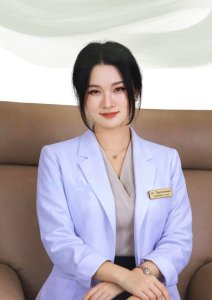
Dr. Bee Thamonwan is an aesthetic and regenerative medicine specialist at Plenary Wellness in Phuket. She focus on natural rejuvenation using stem cells and collagen-boosting biostimulators. Dr. Thamonwan earned her medical degree from the Medical University of Lublin in Poland. She speaks Thai, English, and Chinese fluently.
Performs advanced stem cell therapy to regenerate skin and support anti-aging from within.
Specializes in Sculptra and biostimulator injectables for gradual, natural facial volume renewal.
Provides PRP hair therapy and mesotherapy microinjections for restorative scalp health.
Collaborates with Prince of Songkla University on wellness research and innovation.
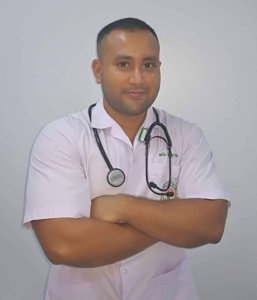
Dr. Pichayut Kasemphakdeephong is a psychiatrist and addiction specialist at Day One Rehabilitation Center. He serves as a Committee Member of the Thai Society for Addiction Psychiatry. Dr. Kasemphakdeephong treats mental health disorders, substance use, and gambling addictions. He also works as a medical professor training residents at Phramongkutklao Hospital.
Specializes in alcohol use disorder and cost-effectiveness in rehabilitation models.
Member of The Psychiatric Association of Thailand and The Medical Council.
Treats complex conditions including schizophrenia, depression, and bipolar disorder.
Collaborates with multidisciplinary teams to design integrated dual-diagnosis care plans.
Why choose Thailand for a Treatment of drug addiction
Trauma-informed residential care with complementary therapies
Typical price
vs Thailand
Thailand (this page)
$10,600 – $12,500
–
US
from $15,000
+42%
Turkey
from $8,300
−22%
Where to get a Treatment of drug addiction in Thailand
In Thailand, Bangkok has 1 clinics, giving patients the widest choice of CBT, brief intervention, and 12-step approaches, with treatment from $10,600 / ฿360,400. Chiang Mai suits patients seeking a mountain setting, with its airport 4 km from the city center for a short transfer.
Gulf island district and resort · Trat Airport, 17 km from ferry terminal
Island recovery setting
A city tells you how you will travel and where you will recover, but not how your drug addiction treatment will go. Surgeons and clinics in the same city differ in experience and in how they handle aftercare, so choosing them matters just as much as choosing the city.
Treatment of drug addiction recovery timeline: what to expect week by week
You can usually fly home after 28–84 days, after completing residential treatment and discharge planning, with your doctor's approval and depending on clinical stability and aftercare arrangements. You fly home after a 4–12-week stay, with stability assessed over 6–12 months. Plan for 4–13 weeks away from work based on job demands, program length, and clinician clearance, while light supervised activity is encouraged early and full exercise resumes after detox within 1–3 weeks, depending on your condition and clinician’s advice. A final result is assessed over 6–12 months, based on sustained abstinence and stability after aftercare and relapse-prevention.
Days 1–3
You’ll have medical, psychiatric, and substance use evaluations, and clinicians start medication to control symptoms. You stay in a supervised environment and avoid all substances.
Days 3–14
You go through medically supervised withdrawal, with symptoms managed as discomfort peaks early and then eases. Remain in the clinic, with limited visitors and phone use.
Weeks 2–12
Daily individual and group therapy helps you build relapse-prevention skills, while clinicians may adjust your medication. Follow the program schedule and avoid substances.
Months 1–12
After discharge planning, you may fly home after 28–84 days with your doctor's approval, depending on clinical stability and aftercare arrangements. At home, continue outpatient therapy, medication follow-up, and peer support, avoid triggers and substances, and attend aftercare regularly.
When to contact your clinic: Seek emergency help for trouble breathing or changes in consciousness. Contact your clinic about a fever over 100.4°F. For chest pain or sudden breathlessness after a long flight, seek emergency help locally.
Treatment of drug addiction in Thailand: Video Reviews from Bookimed Patients
Dayana
I combined my vacation in Antalya with a check-up.
He was completely honest about the challenges of the recovery journey and explained the treatment plan to me very clearly, which gave me a great deal of confidence
What made the biggest impression on me was my conversation with the doctor. He was completely honest about the challenges of the recovery journey and explained the treatment plan to me very clearly, which gave me a great deal of confidence. My programme was specifically designed for detoxification only and lasted between one and three months. Even after the programme ended, they stayed in touch with me and were easy to get hold of, which is very important at this stage. The only thing to bear in mind is that there are additional costs; I had to cover the cost of lunch and dinner, transport to and from the airport, as well as some additional medication that wasn’t included in the basic price.
A certified medical writer with 10+ years of experience, developed Bookimed’s trusted content, backed by a Master’s in Philology and medical expert interviews worldwide.
General practitioner. Winner of 4 scientific awards. Served in Western Asia. Former Team Leader of a medical team supporting Arabic-speaking patients. Now responsible for data processing and medical content accuracy.
This page may feature information relating to various medical conditions, treatments, and healthcare services available in different countries. Please be advised that the content is provided for informational purposes only and should not be construed as medical advice or guidance. Please consult with your doctor or a qualified medical professional before starting or changing medical treatment.
FAQ about Treatment of drug addiction in Thailand
What are the different treatment models for drug addiction in Thailand?
Thailand offers diverse drug addiction treatment models ranging from luxury medical retreats to traditional spiritual ceremonies. Most international patients choose private centers providing 28-day integrated programs that combine evidence-based cognitive behavioral therapy with mindfulness, 12-step methodologies, and medically supervised detoxification protocols.
Medical-therapeutic model: Uses cognitive behavioral therapy and motivational enhancement therapy in accredited clinical settings.
Spiritual-Buddhist model: Provides intensive detoxification through sacred vows, herbal therapy, and daily meditation practices.
Community-based programs: Implements the 16-week matrix model focusing on family education and social support.
Holistic-residential model: Integrates clinical therapy with Thai massage, Muay Thai boxing, and nutritional care.
Bookimed Expert Insight: A notable trend in Bangkok clinics like Day One Rehabilitation Center is the rise of cross-addiction specialization. Facilities now treat gambling and substance use concurrently under board-certified psychiatrists. This dual-focus approach often yields a 92% completion rate because it addresses the neurological roots of impulsive behavior.
Patient Consensus: Many find the military-style government camps too harsh for sustainable recovery. They often prefer the private Western-style clinics that offer a supportive environment with luxury amenities like pools and yoga.
What is the legal status of someone using drugs in Thailand?
Using illegal drugs in Thailand remains a criminal offense in 2026, though laws prioritize rehabilitation for personal use. Offenders found with small quantities of Category 1 substances like methamphetamine may avoid criminal records by completing certified 28-day inpatient programs at accredited facilities like Day One Rehabilitation Center.
Personal use: Consumption of Category 1 drugs carries up to 1 year in prison.
Rehabilitation alternative: Minor offenders often receive 90-day government rehab mandates instead of jail time.
Cannabis status: Recreational use is prohibited; possession without a Thai prescription risks 1-year imprisonment.
Vaping laws: Possession of e-cigarettes or vapes remains completely illegal and leads to immediate fines.
Bookimed Expert Insight: Global patients often choose private Thai centers because they offer a legal safety net. Completing a 28-day program at a JCI-accredited facility like Day One Rehabilitation Center provides documented medical proof of treatment. This status is vital because authorities and immigration often prioritize medical recovery over criminal prosecution for foreigners who proactively seek help.
Patient Consensus: Many travelers report frequent police urine tests in tourist zones or at customs checkpoints. The common reality is an ultimatum between immediate 90-day government rehab or facing a permanent criminal record and deportation.
How long do rehab programs typically last?
Standard rehab programs in Thailand typically last 28 to 30 days for inpatient residential care. This timeframe allows for medically supervised detoxification and intensive therapy. Many facilities recommend 60 to 90-day stays to establish long-term coping mechanisms and significantly improve successful recovery rates.
Standard duration: Most intensive residential programs require a 28-day minimum commitment.
Extended programs: Patients often opt for 60 or 90 days for better outcomes.
Detox phase: Medical stabilization usually occurs within the first 7 to 10 days.
Aftercare support: Successful recovery models often include 6 months of follow-up counseling.
Bookimed Expert Insight: While many search for the shortest possible stay, the most requested packages in Thailand are fixed 28-day intensive blocks. Clinics like Day One Rehabilitation Center optimize this window by combining 24-hour nursing with Cognitive Behavioral Therapy. This structure provides more therapeutic hours than many 30-day outpatient alternatives elsewhere.
Patient Consensus: Although 30 days is the standard minimum, patients frequently find that 90-day programs serve as a sweet spot for lasting success. Many emphasize that negotiating for aftercare or local meeting integration is vital for the transition home.
Do I need a special visa to enter Thailand for addiction treatment?
Most patients from the US, UK, and Australia do not need a special visa for addiction treatment. A standard 60-day Visa Exemption or Tourist Visa (TR) typically covers the standard 28-day residential rehab programs at accredited Thai facilities.
Entry type: Citizens from over 90 countries enter under a 60-day visa exemption.
Duration: Standard inpatient drug rehab programs in Thailand typically last 28 days.
Extensions: Stays are extendable for 30 days at local immigration for 1,900 Baht.
Long-term care: Stays exceeding 90 days may require a Destination Thailand Visa (DTV).
Medication permits: Bringing methadone or buprenorphine requires an IC-2 permit 15 days pre-travel.
Bookimed Expert Insight: Our data shows most patients choose 28-day programs at centers like Day One Rehabilitation Center. Since these fit within the 60-day exemption, specialized medical visas are rarely necessary. If your recovery requires 3 months or more, clinics often provide the documentation needed to flip a tourist entry into a medical extension once you are on the ground.
Patient Consensus: Many suggest stating your visit is for a wellness retreat or tourism at immigration. Most rehabs confirm that standard tourist entry is sufficient and guide you through the process.
Fahad Mawlood — General practitioner. Winner of 4 scientific awards. Served in Western Asia. Former Team Leader of a medical team supporting Arabic-speaking patients. Now responsible for data processing and medical content accuracy.
Get a free consultation
Have a question about Treatment of drug addiction in Thailand?
Ask a Bookimed medical coordinator about prices, clinics, techniques or your case. Write to us in the messenger you already use.
Direct prices from clinics
Free evaluation of your medical case
Free personal assistance 24/7
Ask your question in a messenger
Tap a messenger to open a chat with a Bookimed medical coordinator.



 Drug Addiction Detox & Rehabilitation – 28 Days