Bookimed is free for patients – clinics pay us a commission, and you pay the clinic its own price with no markup. Five steps to your alcoholism treatment in Thailand:
Share your case
Tell us about your drinking and share your recent blood test results and a summary of your drinking history.
Get treatment plans
Your coordinator finds clinics that match your needs and helps you choose. Your preferred clinics then send personalized treatment plans and quotes for you to compare.
Plan your trip
We set treatment dates that work for you and help arrange your flights and accommodation.
Visit the clinic
The clinic team starts your alcoholism treatment on the agreed dates. We support you throughout your trip.
Back home
You can fly home 7–14 days after treatment, and your drinking progress is assessed over 3–12 months. Your coordinator stays in touch and helps arrange a follow-up if you need one.
Some clinics ask for a deposit. A $200 or €200 deposit paid through Bookimed comes off your clinic bill and is refundable up to 10 calendar days before your visit. A deposit paid to the clinic follows its own terms.
1M+ patient inquiries
32+ countries
3,323 partner clinics
13,325 certified doctors
Alcoholism treatment Packages in Thailand
Alcoholism treatment packages in Thailand usually include the treatment itself, meals, hotel, airport transfers, consultations, and a 28-night hospital stay. Flights usually come at extra cost.
Alcoholism treatment packages in Thailand usually include the treatment itself, meals, hotel, airport transfers, consultations, and a 28-night hospital stay. Flights usually come at extra cost. Accompanying services vary between options, but each hospital stay lasts 28 nights. All clinics offering these packages are in Bangkok.
Day One is Bangkok's dedicated alcohol recovery center, treating 900+ patients. The intensive 28-day residential program includes medically managed withdrawal with liver monitoring, personalized CBT, and 12-step peer support. Dr. Pichayut Kasemphakdeephong, a committee member who publishes research on rehab cost-effectiveness, leads the program at Day One Rehabilitation Center. For approximately $15,000, the package covers the private hospital stay, complex diagnostics, pharmacotherapist consultation, nutritionist meals, and airport transfers, with therapies like mindfulness and occupational therapy supporting long-term recovery.
Led by Dr. Pichayut Kasemphakdeephong, a committee member of the Thai Society for Addiction Psychiatry, this 28-day program offers personalized treatment. The plan is individually designed by Dr. Pichayut and integrates evidence-based medical detox with daily psychological support. This all-inclusive program costs approximately $15,000 at the nationally accredited Day One Rehabilitation Center. The package covers complex diagnostics, a structured 12-step program, and holistic complementary therapies for a comprehensive recovery journey.
You’ve viewed 2 of 4 packages
Get matched with the best doctors for Alcoholism treatment
Tell us about your needs — and get 3 tailored offers from top doctors for you.
Bangkok (3 clinics), Chiang Mai (4), Phuket (2), Chiang Rai (1) and 2 more
6 doctors
The procedure
Before the trip
Time in Thailand
Operation time
Anesthesia
Back to desk work
Final result
Assess drinking pattern and history, do lab tests, assess withdrawal risk, set goals, arrange support
7–14 days, including about 28 nights in hospital
2–6 hours
None
7–28 days
3–12 months
How much does a Alcoholism treatment cost in Thailand?
Alcoholism treatment in Thailand is estimated from $15,000 / ฿510,000 to $19,900 / ฿676,600. The final cost depends on care level, program length, accommodation, and included services.
Alcoholism treatment in Thailand is estimated from $15,000 / ฿510,000 to $19,900 / ฿676,600. The final cost depends on care level, program length, accommodation, and included services. In the US, this procedure costs $31,500 / ฿1,071,000 on average. Typical package listings include doctor and addiction-therapist consultations, nutritionist-planned meals, resort access, and parking. Some also list airport transfers and 4★ hotel services.
Online consultation. About $250; includes a doctor consultation, with accommodation and transfers excluded.
28-day residential program. About $13,000; includes therapy, meals, transfers, and a 28-day hospital-room stay.
Accommodation and services. Residential scope affects totals; listings name meals, resort access, parking, and transfers.
Treatment locations. Bangkok, Phuket, and Chiang Mai offer options; care level and accommodation shape estimates.
Bookimed Expert Insight. The listings show why treatment scope matters when comparing costs. The online consultation is about $250 and excludes accommodation and transfers. The 28-day residential program is about $13,000. Its services list includes meals, therapy, and transfers. It names a 4★ hotel, while its stay note says hotel accommodation is excluded. The note specifies a 28-day hospital-room stay. Patients can compare exact room and transfer inclusions before choosing a program.
Data verified by Bookimed as of November 2026, based on patient requests and official quotes from 57 clinics worldwide. Median costs are based on real invoices (2025–2026) and updated monthly. Actual prices may vary.
How to choose a Alcoholism treatment clinic in Thailand
For alcoholism treatment in Thailand, choose a city, compare package coverage, match the doctor to your technique, ask about qualifications and facility standards, and read patient reviews.
What to check
Choose a city
Bookimed lists 12 clinics for alcoholism treatment in Thailand – compare Bangkok, Chiang Mai, and Phuket as location options.
Compare packages
Bookimed lists 3 alcoholism treatment packages – weigh the hotel stay and airport transfers included in each against your budget.
Consultation role
At your appointment, confirm the person you meet will perform your needed technique, not an assistant or another team member – listed doctors have a median of 12 years of practice.
Qualifications and standards
Ask which doctors are licensed by the Medical Council of Thailand and what safety criteria the facility follows – top-ranked clinics include 3 with JCI accreditation.
Read patient reviews
Look for comments on the clinician, care, and trip rather than relying on the score alone.
Plenary Wellness Center is an award-winning medical spa inside the Wyndham Grand Nai Harn Beach Phuket. Named Phuket’s Best Wellness Center 2025, it specializes in medical aesthetics, anti-aging, and holistic wellness programs. Offers exosome treatments, mesotherapy, microneedling, and PRP for facial rejuvenation and lifting. Holistic services include detox, sound healing, IV vitamin drips, meditation, yoga, and wellness coaching. Uses FDA-approved technology for all aesthetic and anti-aging procedures. Guests stay in luxury resort accommodation with nutritious cuisine included in the program.
Dr. Chalisa Tangkanangnukul, a UK-trained dermatologist, has performed 1,100+ alcoholism treatments over 6 years. The personalized alcohol-abuse program may cost around $300, typically covering examination, treatment, and professional consultation. The clinic maintains a 4.5/5 rating from 20 reviews and offers flexible referrals to specialist hospitals when needed.
DARA Rehab Thailand reports a 92% treatment completion rate for its residential programme. Its non-12-step Integrated Treatment Model combines CBT, DBT, schema therapy, and relapse prevention. The minimum four-week stay can extend to 6, 8, or 12 weeks, with therapy, meals, accommodation, and airport transfers included. Medically supervised detox is arranged through JCI-accredited Bangkok Hospital-Trat, with detox fees paid directly to the hospital. The clinic is also JCI accredited and licensed by Thailand’s Ministry of Health.
Dr. Kanok Uttawichai leads the medical team with over 15 years of experience in detoxification and rehabilitation. This boutique clinic limits its capacity to 15 residents to provide focused attention. The 28–30 day residential program includes medical detox, private counseling twice weekly, and integrated family therapy every two weeks. The team uses specialized methods like Cognitive Behavioral Therapy and Brainspotting. The facility holds SHA Plus certification and is accredited by the Thailand Ministry of Public Health.
—
—
Cognitive Behavioral Therapy (CBT), 12-Step facilitation, EMDR, Brainspotting, Internal Family Systems (IFS), SATIR and TREATNET principles, medical detoxification
The Beekeeper House holds AACI Gold accreditation and is an approved provider for the US Department of Veterans Affairs. Their residential programme requires a minimum stay of 35 days to support lasting recovery. Each week includes two 90-minute individual therapy sessions using methods like CBT, DBT, and EMDR. The clinic integrates Transformative Dynamical Neurofeedback™ technology for brain regulation. Residents also participate in yoga and meditation. A medically supervised detox is provided at their dedicated site before beginning the primary therapy plan.
Holina Rehab Thailand is a JCI-accredited beachfront resort offering a Dual Treatment model for addiction and trauma. The all-inclusive 4-week programme typically costs around $9,700–$18,700, covering a medically supervised detox, therapy, meals, and 6 months of aftercare. Residents stay in private villas or bungalows with access to two pools and a gym. Dr. Aviva Wolf leads the clinical team with over 25 years of experience in addiction psychiatry, managing a protocol that includes CBT, EMDR, and hyperbaric oxygen therapy.
One Step Rehab Thailand maintains a 1:1 staff-to-client ratio at their JCI-accredited boutique centre. A 28-day residential program typically costs around $8,500, which covers a private room, meals, medically supervised detox, and Muay Thai training. Longer stays are encouraged, with prices falling to about $6,500 by the third month. The clinical team provides specialized trauma processing and CBT. Each program includes 12 months of free online aftercare to support long-term recovery after leaving the facility.
JCI
—
Medically supervised detox, CBT, DBT, EMDR, MET, ACT, Recovery Zones, family therapy, dopamine diet, mindfulness and meditation, CIWA-Ar
Phuket Island Rehab reports an 85% success rate for clients who stay over 30 days. Dr. Ponlawat Pitsuwan leads the clinical team, providing medically supervised detox with 24-hour nursing care. The program includes evidence-based therapies like EMDR and CBT, alongside medication-assisted treatment using naltrexone. Residents stay in private rooms and participate in holistic activities like Muay Thai and yoga. A 12-month aftercare plan with weekly check-ins helps prevent relapse after the residential stay ends.
SafeHouse Rehab Thailand operates as a boutique facility limited to 12 clients for personalized care. The all-inclusive 30-day program costs around $15,000 – generally covering a private en-suite room, all meals, and outpatient detox. The clinic utilizes evidence-based therapies like CBT and ACT alongside a supervised detox partnership with JCI-accredited Aikchol Hospital. This program also includes VIP airport transfers and a full aftercare plan. The facility is licensed by the Ministry of Public Health Thailand and focuses on a staged care approach.
9 years of experience • 10000+ treatments performed
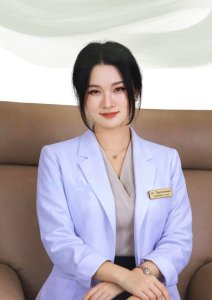
Dr. Bee Thamonwan is an aesthetic and regenerative medicine specialist at Plenary Wellness in Phuket. She focus on natural rejuvenation using stem cells and collagen-boosting biostimulators. Dr. Thamonwan earned her medical degree from the Medical University of Lublin in Poland. She speaks Thai, English, and Chinese fluently.
Performs advanced stem cell therapy to regenerate skin and support anti-aging from within.
Specializes in Sculptra and biostimulator injectables for gradual, natural facial volume renewal.
Provides PRP hair therapy and mesotherapy microinjections for restorative scalp health.
Collaborates with Prince of Songkla University on wellness research and innovation.
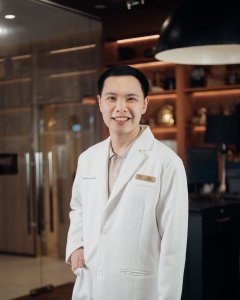
Specializes in sleep medicine and addiction psychiatry at King Chulalongkorn Memorial Hospital – blends sleep disorder expertise with addiction treatment.
Clinical instructor at a leading Thai psychiatric department
Advanced training in Cognitive Behavioral Therapy for insomnia
Focuses on psychopharmacology approaches to substance dependency
Integrated residential care for addiction and trauma
Typical price
vs Thailand
Thailand (this page)
$15,000 – $19,900
–
US
from $18,000
+20%
Turkey
from $4,100
−73%
Where to get a Alcoholism treatment in Thailand
Bangkok and Chiang Mai offer Thailand’s broadest clinic choice for alcoholism treatment, with step-based support in both and Bangkok treatment from $15,000 / ฿510,000. Chiang Mai also offers medical detox, while its airport is about 4 km from the city center, making arrival easier.
Bangkok and Chiang Mai offer Thailand’s broadest clinic choice for alcoholism treatment, with step-based support in both and Bangkok treatment from $15,000 / ฿510,000. Chiang Mai also offers medical detox, while its airport is about 4 km from the city center, making arrival easier. Koh Chang’s island setting and beaches may suit patients who prefer quiet recovery days.
Resort island in Trat province · Trat Airport (TDX), 17 km from Ao Thammachat ferry terminal
Quiet island recovery setting
A city tells you how you will travel and where you will recover, but not how your alcoholism treatment will go. Surgeons and clinics in the same city differ in experience and in how they handle aftercare, so choosing them matters just as much as choosing the city.
Alcoholism treatment recovery timeline: what to expect week by week
You can usually fly home 7–14 days after treatment, once withdrawal symptoms settle and sedatives stop, with your doctor's approval. You may return to work in 7–28 days after withdrawal settles, depending on your job demands, sedative use, and your doctor's clearance. Light exercise can usually resume 1–2 weeks after withdrawal symptoms resolve, while strenuous exercise depends on your liver status and fitness. Your final result is assessed over 3–12 months, as therapy, medication, and aftercare support stable abstinence or reduced drinking.
First days
Supervised detoxification provides symptom control, with symptoms typically peaking at 24–72 hours and settling within about a week. Avoid alcohol, driving, and safety-critical tasks while you have symptoms or feel sedated.
Weeks 1–12
Psychological therapy, regular monitoring, and possible relapse-prevention medication may be part of early treatment. You can usually fly home 7–14 days after treatment, once withdrawal symptoms settle and sedatives stop, with your doctor's approval. Abstain from alcohol and avoid high-risk situations and triggers.
Months onward
Ongoing counseling, mutual support groups, and periodic review can help you sustain abstinence or reduced drinking. A routine rehabilitation review at 90–180 days usually takes place in your home country.
When to contact your clinic: Seek emergency help for a seizure or fit. Confusion, hallucinations, or double vision also need emergency care. For chest pain or sudden breathlessness after a long flight, seek emergency help locally.
Is a Alcoholism treatment in Thailand safe?
Alcoholism treatment in Thailand is safe when an experienced addiction specialist performs it after an individual assessment, in a licensed clinic, with follow-up planned in advance. Of 7K+ Bookimed patients who had alcoholism treatment, 85% would recommend it.
Which risks need attention?
Most risks of alcoholism treatment are temporary and treatable, but withdrawal complications can be serious. Possible risks and side effects include:
Seizures or delirium tremens during unsupervised withdrawal
Relapse after treatment
Nausea, drowsiness, headache, or liver enzyme changes
Oversedation or dependence from sedatives used during withdrawal
Mood symptoms, anxiety, or sleep problems during early abstinence
Your addiction specialist should explain how likely each risk is for you and how it would be treated. A licensed clinic with an experienced specialist is equipped to recognize and manage these risks early.
What if there is a complication or the result falls short?
Contact your addiction specialist or the clinic straight away if you experience sweating or vomiting when trying to stop alcohol.
Before treatment, get the direct contact details of a named doctor who will handle any complications, not only a general helpline.
Traveling to Thailand for a Alcoholism treatment
The post-procedure stay in Thailand before your flight home is 7–14 days, including about 28 nights in hospital. US and UK passport holders may stay visa-free for up to 30 days. Planned treatment or a stay longer than 30 days may need a medical-treatment visa.
When
What happens
Before the procedure
Arrival, consultation and agreed tests
1–28 days after
Stay in hospital
7–10 days after
Check-up
7–14 days after
Flight home
If needed
Second session
Before you fly
Visa. US and UK travelers must complete the Thailand Digital Arrival Card online within 3 days before arrival.
Passport. The US State Department strongly recommends that US passports remain valid at least six months beyond arrival. UK passports must expire at least six months after arrival and have at least one blank page.
Medicines. US travelers should carry prescription medicines in original packaging. Personal-use medicines may be carried for up to 30 days in original containers with a prescription. UK prescriptions are usually accepted in Thailand. Psychotropic or narcotic products need prior approval.
Hand luggage. Bring recent liver function tests, a complete blood count, an alcohol use history summary, a current psychiatric medication list, previous detox or rehab discharge reports if available, and an ECG report.
Getting there and staying
Airports. Suvarnabhumi Airport (BKK) is 30 km from central Bangkok. Don Mueang Airport (DMK) is 23 km from the Grand Palace. In Bookimed data, 100% of the packages on this page include a transfer.
Flight time. Bangkok is about 9,600 km from London, with about 11–12 hours of flying time, and about 13,900 km from New York, with about 16–17 hours of flying time. A connection adds time.
Hotel. In Bookimed data, 100% of the packages on this page include a hotel stay.
Emergency. In a medical emergency, call 191 and ask for an ambulance.
When to go
Weather. Bangkok’s average daytime highs are about 31 °C in September–January and about 35 °C in April–May. May–October are the wettest months, with 100 mm of rain or more.
Season. November through February is relatively drier and milder for recovery, though still hot. April and May are very hot, while May through October brings heavier rain.
Insurance and changes
Health cover. US travelers should make sure their health insurance covers them overseas. Medicare and Medicaid do not apply overseas. UK travelers cannot use a UK GHIC or UK EHIC in Thailand.
Hospital payment. All hospitals in Thailand require a guarantee of payment before treating patients.
Flying home
Fit to fly. You can usually fly home 7–14 days after treatment once withdrawal symptoms settle and sedatives stop, with your doctor’s approval.
Take home. Take home a copy of your prescription after treatment.
Alcoholism treatment in Thailand: Video Reviews from Bookimed Patients
Dayana
I combined my vacation in Antalya with a check-up.
He was completely honest about the challenges of the recovery journey and explained the treatment plan to me very clearly, which gave me a great deal of confidence
What made the biggest impression on me was my conversation with the doctor. He was completely honest about the challenges of the recovery journey and explained the treatment plan to me very clearly, which gave me a great deal of confidence. My programme was specifically designed for detoxification only and lasted between one and three months. Even after the programme ended, they stayed in touch with me and were easy to get hold of, which is very important at this stage. The only thing to bear in mind is that there are additional costs; I had to cover the cost of lunch and dinner, transport to and from the airport, as well as some additional medication that wasn’t included in the basic price.
A certified medical writer with 10+ years of experience, developed Bookimed’s trusted content, backed by a Master’s in Philology and medical expert interviews worldwide.
General practitioner. Winner of 4 scientific awards. Served in Western Asia. Former Team Leader of a medical team supporting Arabic-speaking patients. Now responsible for data processing and medical content accuracy.
This page may feature information relating to various medical conditions, treatments, and healthcare services available in different countries. Please be advised that the content is provided for informational purposes only and should not be construed as medical advice or guidance. Please consult with your doctor or a qualified medical professional before starting or changing medical treatment.
FAQ about Alcoholism treatment in Thailand
Is alcoholism treatment in Thailand safe and medically supervised?
Alcoholism treatment in Thailand is safe and medically supervised when conducted at accredited residential facilities. Licensed centers provide 24/7 clinical monitoring and evidence-based protocols, including cognitive behavioral therapy and medically managed detox, to navigate withdrawal symptoms safely while saving patients up to 44% compared to US costs.
Clinical supervision: Facilities like Day One Rehabilitation Center provide 24/7 monitoring by board-certified addiction specialists.
Medical detox: Doctors manage withdrawal using mirrored vitals and medications to prevent complications like seizures.
Accreditation standards: Top-tier centers adhere to national rehabilitation standards and often hold international JCI certifications.
Comprehensive care: Programs integrate multidisciplinary teams including psychiatrists, drug therapists, and nutritionists for holistic recovery.
Proven outcomes: Established clinics like DARA report a 92% rehabilitation completion rate for their residents.
Bookimed Expert Insight: While many seek the lowest price, the most effective medical supervision often identifies with a 28-day minimum stay. Our data shows that higher-tier packages, ranging around $13,000, provide a critical ratio of 4 doctors per 22 beds. This ensures personalized psychiatric care and specialized research-based methods that budget centers frequently lack.
Patient Consensus: Patients emphasize that choosing secluded locations like Koh Chang or Chiang Mai is vital. They report that 24/7 medical oversight and western-trained teams effectively manage complex withdrawal while removing environmental triggers found in party areas.
What evidence-based therapies are offered in Thai alcoholism programmes?
Evidence-based therapies in Thailand include Cognitive Behavioral Therapy (CBT), Motivational Enhancement Therapy (MET), and structured 12-step programs modeled on Alcoholics Anonymous. Accredited centers like Day One Rehabilitation Center combine these clinical modalities with medical detoxification and psychiatric evaluation to treat alcohol use disorder and dual diagnosis cases.
Clinical modalities: Centers utilize CBT and MET to challenge negative thought patterns and triggers.
Medical detox: Supervised withdrawal often involves benzodiazepines to manage tremors and prevent seizures safely.
Holistic integration: Programs incorporate mindfulness meditation, art therapy, and music therapy alongside clinical care.
Expert oversight: Treatment is led by board-certified psychiatrists from the Thai Society for Addiction Psychiatry.
Bookimed Expert Insight: While many programs emphasize wellness, facilities like Day One Rehabilitation Center use the PMK model. This research-based approach specifically analyzes cost-effectiveness to ensure high-intensity clinical care remains accessible. Patients benefit from a multidisciplinary team that balances 28-day residential stays with sophisticated psychiatric assessment often unavailable in standard wellness retreats.
Patient Consensus: Many find the Thai 12-step meetings more intense than those in the US, providing a rigorous foundation for sobriety. While yoga and massage are frequent highlights, staying at a premium center ensures clinical therapies like CBT remain the primary focus.
What is the typical duration of alcoholism treatment in Thailand?
Typical alcoholism treatment in Thailand lasts 28 to 30 days for a standard inpatient residential program. This timeframe includes medically supervised detoxification, intensive cognitive behavioral therapy, and 12-step integration. Extended programs often reach 60 to 90 days to reinforce long-term sobriety and relapse prevention strategies.
Detoxification phase: Medical stabilization usually requires 7 to 14 days before starting intensive therapy.
Residential stay: Standard all-inclusive packages at facilities like Day One Rehabilitation Center cover 28 days.
Therapeutic approach: Programs combine 12-step models with mindfulness, art therapy, and motivational enhancement therapy.
Aftercare planning: Reputable centers include post-treatment support to ease the transition back to home environments.
Bookimed Expert Insight: Data from top-tier Thai clinics shows a strong preference for the 28-day cycle, but success rates improve significantly with longer stays. While a $13,000 package at Day One Rehabilitation Center provides a comprehensive reset, facilities with higher bed capacities like DARA often see patients extending their stay to 12 weeks for a full lifestyle overhaul.
Patient Consensus: Many patients find the initial 30 days serve as a necessary physical reset but suggest budgeting for 60 days to achieve lasting results. The holistic environment, featuring gardening and meditation, helps manage the isolation felt during the first month of recovery.
What aftercare or relapse support is provided once I leave Thailand?
Aftercare for alcoholism treatment in Thailand typically includes online counseling, participation in global alumni networks, and structured relapse prevention plans. Most accredited facilities provide remote psychiatric follow-ups and digital support groups to help patients transition from resort-style settings back to their home environments while maintaining long-term sobriety.
Remote counseling: Specialist sessions via Zoom or Skype provide clinical continuity after departure.
Alumni networks: Peer-led WhatsApp and Telegram groups offer 24/7 accountability and daily check-ins.
Relapse prevention: Therapists create personalized plans including local AA/NA meeting schedules and medications.
Online psychiatry: Board-certified specialists like Dr. Pichayut Kasemphakdeephong offer 60-minute remote addiction assessments.
Bookimed Expert Insight: While many high-end Thai centers offer 12-step integration, the real value lies in the facility's specialization. Day One Rehabilitation Center, for instance, is led by an addiction psychiatrist who sits on the Thai Society for Addiction Psychiatry committee. This level of clinical leadership ensures that aftercare isn't just a casual chat but a medically-led strategy that adapts to your recovery progress.
Patient Consensus: Many successful graduates recommend joining alumni groups immediately and committing to daily check-ins for the first 90 days. They emphasize building a personal accountability plan with family and local support systems before flying home to ensure a smooth transition.
Can family members participate in the treatment process?
Family members are encouraged to participate in alcoholism treatment in Thailand through structured therapy and educational sessions. While core residential phases often limit physical visits to break codependency, involvement via video consultations and post-treatment family therapy is standard to improve long-term recovery outcomes and communication.
Family therapy: Sessions with specialists like Dr. Pichayut Kasemphakdeephong address underlying domestic conflict.
Psychoeducation: Relatives learn about addiction triggers and effective support strategies during recovery.
Virtual engagement: Remote workshops and Zoom-based family counseling sessions typically begin after week 3.
Post-treatment support: Optional family sessions help maintain a trigger-free home environment after discharge.
Bookimed Expert Insight: Thai rehabilitation centers like Day One Rehabilitation Center prioritize breaking codependency early in the 28-day program. Data shows that while in-person visits are often restricted, 5-star facilities like DARA achieve a 92% completion rate by focusing on individual stability before reintroducing family dynamics. This structured separation ensures patients build internal resilience before navigating complex family relationships.
Patient Consensus: International patients should prepare for limited physical contact during the initial detox and rehab phases. Most emphasize that focusing on individual recovery first helps prevent enabling behaviors, while relatives are encouraged to seek their own support through Al-Anon.
What qualifications do the treating doctors and therapists hold?
Addiction specialists in Thailand typically hold advanced medical degrees and specialized board certifications. Psychiatrists like Dr. Pichayut Kasemphakdeephong at Day One Rehabilitation Center are members of the Thai Society for Addiction Psychiatry. Most clinical teams follow a multidisciplinary approach involving doctors, psychologists, and nutritionists.
Medical leadership: Board-certified psychiatrists manage psychiatric evaluations and comprehensive addiction assessments.
Clinical credentials: Therapists often hold diplomas in general psychiatry or clinical psychology.
Professional affiliations: Top doctors maintain memberships in the Medical Council of Thailand.
Specialized expertise: Leading specialists conduct research on alcohol use disorder and cost-effectiveness.
Bookimed Expert Insight: Thai rehabilitation centers often feature dual-qualified leaders who are both medical professors and active practitioners. Dr. Pichayut Kasemphakdeephong at Day One Rehabilitation Center, for example, bridges academia and clinical care. This academic connection ensures patients receive treatment based on the latest published addiction research.
Patient Consensus: High-end facilities are praised for utilizing internationally qualified psychiatrists and therapists with specialized certifications. Patients recommend verifying English fluency as it often correlates with higher levels of clinical training.
Which locations in Thailand are regarded as centres of excellence for alcoholism care?
Thailand features premier centers for alcoholism care in Chiang Mai, Bangkok, Phuket, and Koh Chang. These locations provide international standards including CARF and Thai Ministry of Public Health accreditation. Facilities integrate specialized psychiatric care with holistic therapies like CBT and mindfulness in secluded, resort-style environments.
Chiang Mai: Known as the primary northern hub for long-term residential recovery and specialized retreats.
Bangkok: Offers medical-grade detox at accredited facilities with board-certified addiction psychiatrists and multidisciplinary teams.
Koh Chang: Home to luxury 5nd-star centers boasting high 92% program completion rates in isolated settings.
Phuket: Features boutique recovery centers combining intensive clinical assessments with high-end, beachside therapeutic environments.
Bookimed Expert Insight: While many search for luxury, Dr. Pichayut Kasemphakdeephong at Day One Rehabilitation Center emphasizes clinical depth by publishing research on cost-effectiveness in alcohol rehab. Choosing centers in Bangkok often provides better access to these academic-leaning specialists who hold committee positions in the Thai Society for Addiction Psychiatry.
Patient Consensus: Patients often recommend Northern Thailand over southern tourist zones for a more serene, distraction-free environment. Many suggest starting with a telehealth consultation to ensure the facility matches your specific stage of addiction before traveling.
Fahad Mawlood — General practitioner. Winner of 4 scientific awards. Served in Western Asia. Former Team Leader of a medical team supporting Arabic-speaking patients. Now responsible for data processing and medical content accuracy.
Get a free consultation
Have a question about Alcoholism treatment in Thailand?
Ask a Bookimed medical coordinator about prices, clinics, techniques or your case. Write to us in the messenger you already use.
Direct prices from clinics
Free evaluation of your medical case
Free personal assistance 24/7
Ask your question in a messenger
Tap a messenger to open a chat with a Bookimed medical coordinator.



 Alcohol Addiction Recovery – 28 Days