Frozen Shoulder (Shoulder Stiffness) treatment in Turkey — get 3 personalized clinic matches

Medically reviewed by
Kayhan Turan
How it works
What's the Cost of Frozen Shoulder (Shoulder Stiffness) Diagnosis and Treatment in Turkey?
Best Frozen Shoulder (Shoulder Stiffness) Treatment Centers in Turkey: 6 Verified Options and Prices


Professor Gemalmaz - 3D Patient-Specific Orthopedics
Halil Can Gemalmaz



Hisar Hospital Intercontinental
Gursel Saka



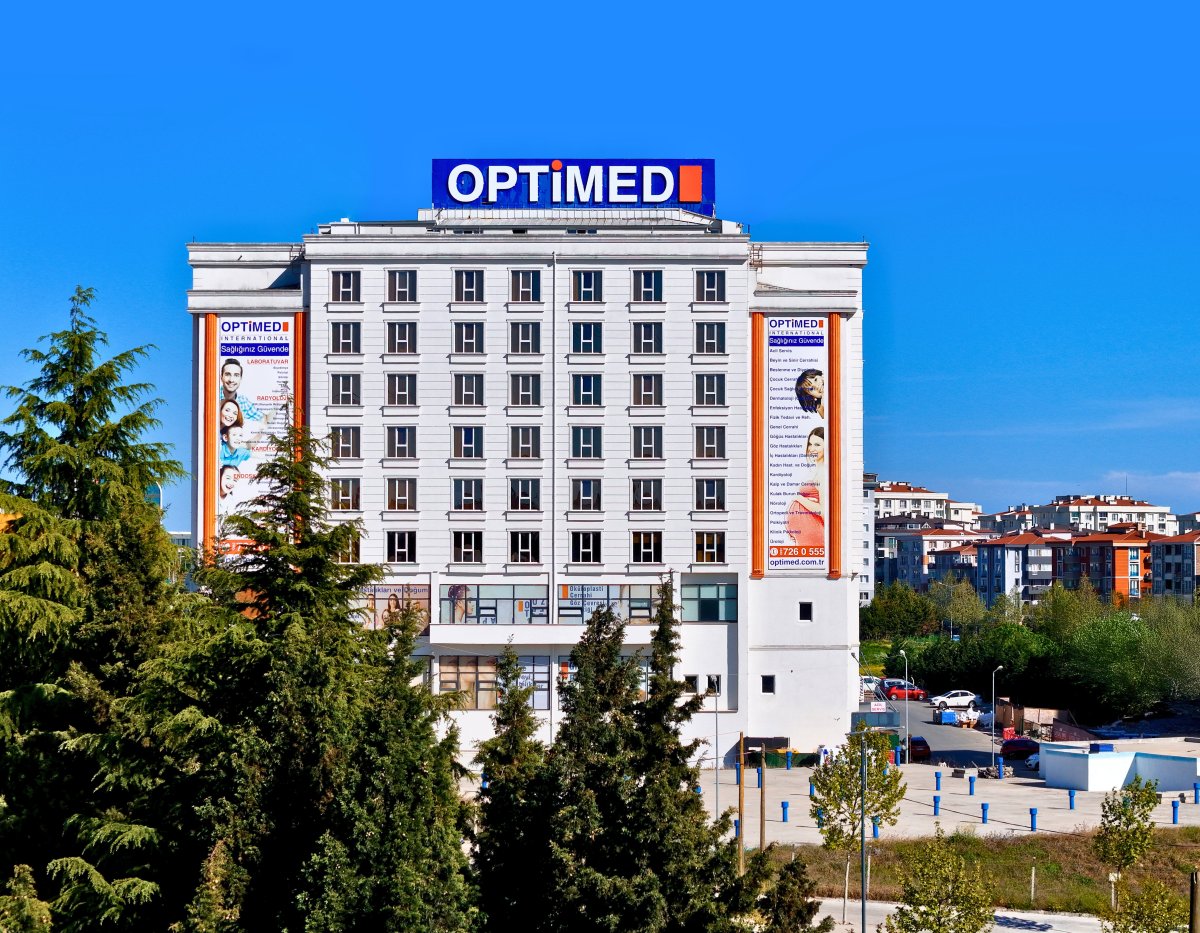
Optimed International Hospital
Burak Gunaydin
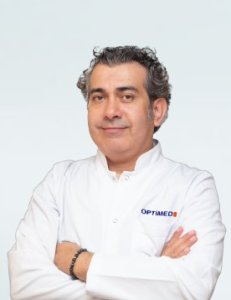

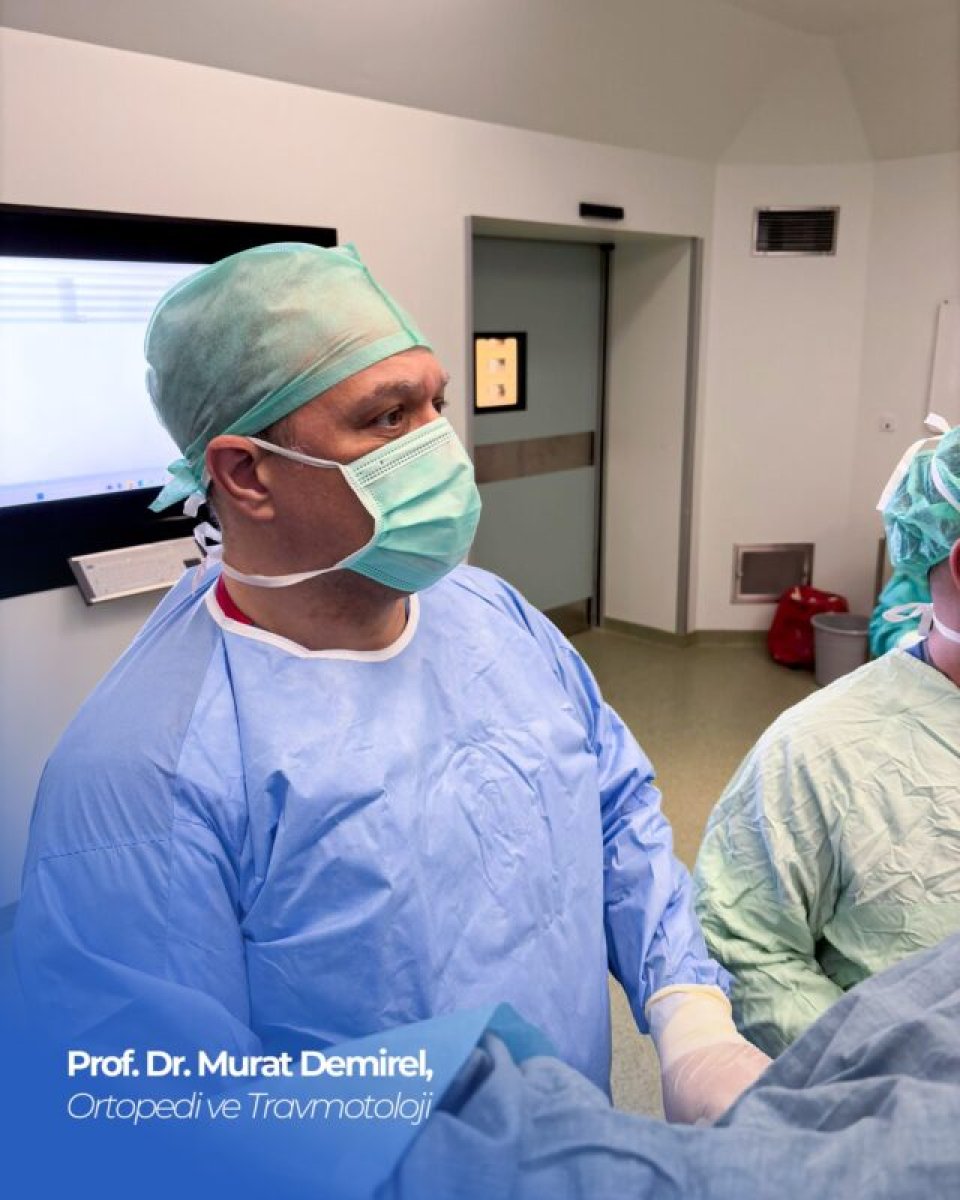
Prof. Dr. Murat Demirel
Get a Medical Assessment for Frozen Shoulder (Shoulder Stiffness) Treatment in Turkey: Consult with 23 Experienced Doctors Now
View all DoctorsGursel Saka
Dr. Gursel Saka is an orthopedic surgeon at Hisar Hospital Intercontinental in Istanbul. He specializes in spine surgery, trauma surgery, and arthroplasty. Dr. Saka was a finalist for the Tubitak XI Technology Awards in 2014. He has performed numerous operations for complex bone and joint conditions.
- Expertise in pelvis-acetabulum surgery and pediatric orthopedics.
- Treats scoliosis, spinal fractures, and herniated discs.
- Performs MAKOplasty robotic joint replacement for knees and hips.
- Works at a JCI-accredited hospital serving 500,000+ patients annually.
Halil Can Gemalmaz
Dr. Halil Can Gemalmaz is a professor of orthopedics and traumatology in Istanbul. He is a pioneer in Turkey for 3D patient-specific orthopedic procedures. Dr. Gemalmaz specializes in robotic-assisted joint replacements for the knee and hip. He currently serves as a faculty member at Atlas University Faculty of Medicine.
- Uses 3D planning and custom surgical guides for complex bone deformities.
- Performs robotic-assisted arthroplasty, including MAKOplasty and OMNI systems.
- Treats sports injuries through arthroscopic surgery of the shoulder and knee.
- Practices at a center accredited by the Turkish Medical Association.

Murat Kezer
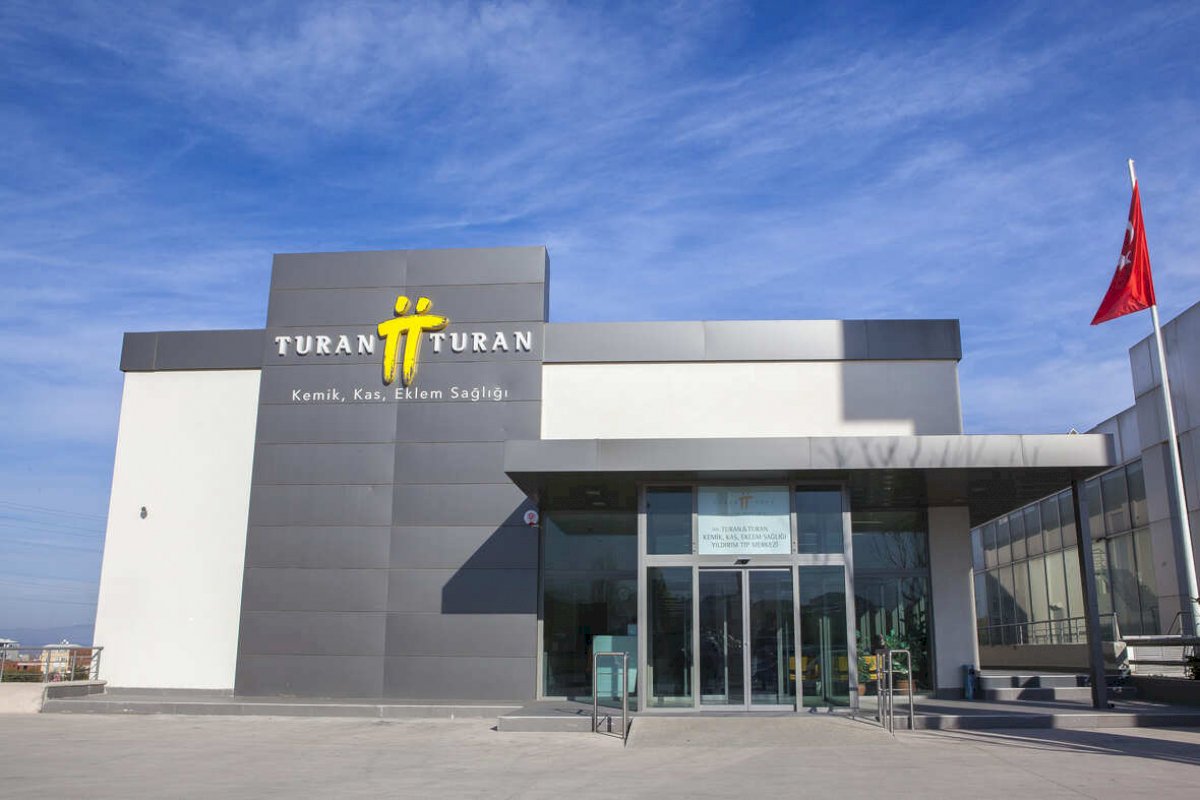
Dr. Murat Kezer is an orthopedic surgeon at Turan Turan Health Group in Bursa. He specializes in robotic knee and hip replacement using the MAKO system. Dr. Kezer treats complex conditions, including ligament tears, bone fractures, and joint deformities.
- Completed specialized surgical training for MAKO total and partial joint reconstruction.
- Performs arthroscopic surgery and revision procedures for the knee and hip.
- Provides stem cell and PRP therapy for non-surgical arthritis management.
- Member of the International Congress for Joint Reconstruction.
Burak Gunaydin
Dr. Burak Gunaydin is an Associate Professor of Orthopedics at Optimed International Hospital. He specializes in prosthetic surgery, shoulder arthroscopy, and pediatric orthopedic oncology. Dr. Gunaydin won the Akif Şakir Şakar Science Award for clinical research.
- Completed AO Trauma advanced surgical training in Austria.
- Performs single-bundle and double-bundle anterior cruciate ligament reconstructions.
- Maintains membership in the Turkish Sports Injury Arthroscopy and Knee Surgery Association (TUSYAD).
- Publishes research in the International Journal of Surgery and Archives of Orthopaedic Surgery.
Share this content
Video Stories from Bookimed Patients
 Anna Leonova
Expert Overview about Frozen Shoulder (Shoulder Stiffness) Treatment in Turkey
What is the success rate of frozen shoulder treatment in Turkey?
Turkish orthopedic centers report success rates exceeding 90% for frozen shoulder using conservative management. Specialized non-surgical interventions like manual capsular dissection achieve clinical success in up to 98% of cases. Board-certified surgeons utilize physical therapy, platelet-rich plasma injections, and arthroscopic release to restore joint mobility safely.
- Success rate: Over 90% of patients recover through non-surgical, conservative treatment protocols.
- Advanced procedures: Manual capsular dissection reports success in up to 98% of severe cases.
- Specialist expertise: Prof. Dr. Hayrettin Kesmezacar specializes in complex shoulder instability and trauma.
- Recovery timeline: Most patients achieve full range of motion within 12 to 18 months.
Bookimed Expert Insight: Success in Turkey often links to high-volume diagnostic accuracy. Optimed International Hospital serves 200,000 patients annually using multi-slice CT and high-tesla MRI. This volume allows specialists like Assoc. Prof. Dr. Burak Gunaydin to refine arthroscopy techniques. Choosing clinics with high patient turnover ensures surgeons stay practiced in diverse shoulder pathologies.
Patient Consensus: Patients emphasize that long-term success depends heavily on starting aggressive physiotherapy immediately after a procedure. Many note that while early gains are possible, maintaining mobility requires consistent rehab even after returning home.
How long do I need to stay in Turkey for frozen shoulder treatment?
Most patients stay in Turkey for 7 to 14 days for frozen shoulder treatment. This timeframe covers pre-operative diagnostic imaging, surgical arthroscopy or manipulation, and initial rehabilitation. A shorter 2 to 5 day stay suffices if receiving non-surgical guided injections or specialized physical therapy.
- Surgical duration: Arthroscopic capsular release usually requires 7 to 14 days in Turkey.
- Clinical stay: Expect 1 to 2 days of hospitalization following surgical procedures.
- Initial recovery: Active rehabilitation and physical therapy often begin within 48 hours.
- Flight readiness: Surgeons typically clear patients for international travel after 1 week.
Bookimed Expert Insight: While Istanbul is a major hub, clinics like Optimed International Hospital in Tekirdag serve over 200,000 patients annually. Choosing high-volume centers outside the main city can offer equivalent AACI-accredited quality with faster access to diagnostic imaging. This can reduce your total trip length by 1 or 2 days.
Patient Consensus: Patients note that arranging blood tests and scans can take longer than the procedure itself. Many recommend adding buffer days to handle post-treatment swelling before sitting on a long flight.
What does the treatment process involve for frozen shoulder in Turkey?
Treatment for frozen shoulder in Turkey combines clinical assessment with structured rehabilitation and advanced conservative or surgical interventions. Centers utilize high-tesla MRI and multi-slice CT for diagnosis. Options range from hydrodilatation and manipulation under anesthesia to minimally invasive arthroscopic capsular release by specialized surgeons.
- Initial diagnosis: Specialists perform physical exams and AI-supported 3 Tesla MRI to evaluate mobility.
- Conservative care: Treatment begins with personalized physiotherapy and anti-inflammatory medication to reduce joint pain.
- Advanced injections: Clinics offer hydrodilatation or corticosteroid injections to stretch the joint capsule effectively.
- Surgical intervention: Surgeons like Prof. Dr. Hayrettin Kesmezacar perform arthroscopic surgery for complex cases.
Bookimed Expert Insight: Turkish orthopedic clinics excel in fast-tracking the transition from diagnosis to specialized procedures. While some centers like Optimed International serve 200,000 patients yearly, top specialists emphasize individualized 3D planning. For instance, Prof. Dr. Halil Can Gemalmaz integrates patient-specific guides into the recovery process to ensure more precise joint mobilization.
Patient Consensus: Patients find that the clinical procedure is only half the battle. They emphasize that success depends on strictly following the intensive rehabilitation and home exercise plans provided by their Turkish orthopedic team.
Which doctors and surgeons in Turkey are considered top specialists for frozen shoulder?
Top orthopedic surgeons in Turkey for frozen shoulder include Prof. Dr. Halil Can Gemalmaz and Dr. Murat Kezer. These specialists utilize minimally invasive arthroscopic release and 3D patient-specific planning. Most experts operate in JCI-accredited facilities in Istanbul, Bursa, and Izmir, offering integrated physical therapy protocols.
- Prof. Dr. Halil Can Gemalmaz: Specializes in 3D planning and arthroscopic surgery for complex shoulder conditions.
- Dr. Murat Kezer: Advanced training in reverse shoulder procedures and joint reconstruction in Bursa.
- Dr. Hayrettin Kesmezacar: Professor with 50+ publications focusing specifically on shoulder and elbow pathologies.
- Assoc. Prof. Dr. Burak Gunaydin: Award-winning surgeon expert in shoulder arthroscopy at AACI-accredited Optimed International.
Bookimed Expert Insight: The most successful outcomes for frozen shoulder in Turkey often come from surgeons who hold specific fellowships in shoulder and elbow surgery. For example, Dr. Hayrettin Kesmezacar and Dr. Murat Kezer have completed advanced international training in the USA and Europe. Choosing a specialist with this narrow focus, rather than a general orthopedist, ensures access to refined arthroscopic release techniques.
Patient Consensus: Patients emphasize finding a specialist who prioritizes conservative treatments like targeted injections and physical therapy before suggesting surgery. They suggest verifying the diagnosis carefully, as shoulder stiffness can sometimes be mistaken for rotator cuff issues.
Which hospitals and clinics are best known for frozen shoulder therapy in Turkey?
Turkish orthopedic centers like Memorial Göztepe Hospital and Professor Gemalmaz provide specialized frozen shoulder therapy. These facilities offer 3D patient-specific planning and arthroscopic release surgery. Expert surgeons follow international protocols. They often combine diagnostic imaging with structured rehabilitation programs for long-term recovery.
- Specialized expertise: Prof. Dr. Halil Can Gemalmaz utilizes 3D patient-specific guides for precise shoulder procedures.
- Advanced diagnostics: Memorial Göztepe Hospital employs AI-supported 3 Tesla MRI for accurate adhesive capsulitis staging.
- Surgical precision: Dr. Hayrettin Kesmezacar at Gayrettepe Florence Nightingale specializes in complex shoulder instability and trauma.
- Comprehensive care: Medicalpoint International Hospital in İzmir provides integrated tendon transfers and shoulder surgery services.
Bookimed Expert Insight: Patient data indicates that successful recovery depends heavily on integrated physiotherapy. Facilities like Turan Turan Health Group stand out because their specialists, like Dr. Murat Kezer, hold certifications in advanced shoulder procedures. Choosing a clinic that combines surgical expertise with on-site rehab is more effective than selecting based on hospital size alone.
Patient Consensus: Patients emphasize that a clear rehabilitation plan is more important than the procedure itself. They recommend seeking clinics that routinely treat adhesive capsulitis to avoid common misdiagnoses during initial consultations.
Do Turkish clinics provide English-language support for international frozen-shoulder patients?
Turkish clinics provide robust English-language support for international frozen-shoulder patients. JCI-accredited facilities in Istanbul and Antalya employ English-speaking surgeons and dedicated international departments. Multilingual coordinators manage medical consultations, surgery scheduling, and post-operative physiotherapy instructions to ensure clear patient communication.
- Specialized departments: International patient centers at Optimed International Hospital handle multilingual support.
- Surgeon expertise: Dr. Mert Filibeli and Dr. Burak Gunaydin possess verified English proficiency.
- Medical training: Prof. Dr. Hayrettin Kesmezacar completed fellowships at Cornell University in New York.
- Ancillary services: Managed care includes English-supported physiotherapy guidance for long-term shoulder mobility.
Bookimed Expert Insight: Language proficiency often correlates with a clinic's international patient volume. Optimed International Hospital serves 200,000 patients annually and maintains a dedicated international department. High-volume clinics typically provide more consistent support staff fluency than smaller local practices. Look for doctors like Assoc. Prof. Dr. Samet Erinc who trained in Chicago to ensure complex technical discussions remain clear.
Patient Consensus: Patients note that communication is most reliable during digital booking and clinical consultations. They emphasize requesting written recovery exercises in English to avoid confusion during home rehabilitation.