Plastic Surgery Group Clinic
United Kingdom, London

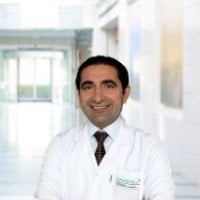
Medically reviewed by
Abdulcabbar Kartal
Private surgery in the United Kingdom typically costs from $14,000 to $41,500. Final expenses depend on the surgeon's expertise, hospital stay duration, and whether you choose a fixed-price package or pay for components like consultations and diagnostic scans separately. These prices reflect private healthcare as NHS services are free for residents.
Typical Surgery Costs in United Kingdom
Major medical hubs include London, Manchester, and Birmingham. London is typically 20–30% more expensive than other regions. For an accurate quote based on your specific medical needs and choice of facility, consult with a specialist to get accurate pricing.
| United Kingdom | Turkey | Austria | |
|---|---|---|---|
| Wide excision of melanoma | ≈ $3,100 | from $6,300 | ≈ $2,600 |
| Whipple surgery | ≈ $38,000 | from $10,000 | ≈ $28,000 |
| Umbilical hernia repair | ≈ $3,600 | from $2,200 | ≈ $3,200 |
| Transurethral resection of the bladder | ≈ $6,200 | from $3,900 | ≈ $4,800 |
| Stomach resection | from $9,500 | from $2,800 | ≈ $17,500 |
No hidden fees – just official clinic prices. Pay at the clinic for Surgery treatment upon arrival and use a flexible installment plan if needed.
Bookimed is committed to your safety. We only work with medical institutions that maintain high international standards in Surgery treatment and have the necessary licenses to serve international patients worldwide.
Bookimed offers free expert assistance. A personal medical coordinator supports you before, during, and after your treatment, solving any issues. You're never alone on your Surgery treatment journey.

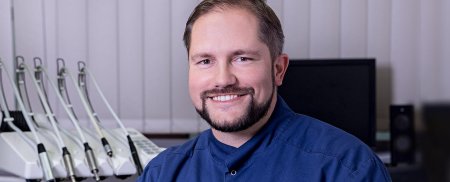

Dr. Georgia Neophytou is a dentist and oral surgeon at VitalEurope Dental Clinic in London. She graduated from the Athens Dental School. Dr. Neophytou performs restorative dental work and oral surgery. She works at a clinic that has operated in the UK since 2006. The facility has 14 dental professionals.

Written by Veronika Kazina
 Anna Leonova

Surgical safety in the United Kingdom is governed by the Care Quality Commission (CQC) and strict professional standards. All surgical providers must comply with Fundamental Standards covering safety, hygiene, and governance. Mandatory protocols like the WHO Surgical Safety Checklist help prevent errors during procedures.
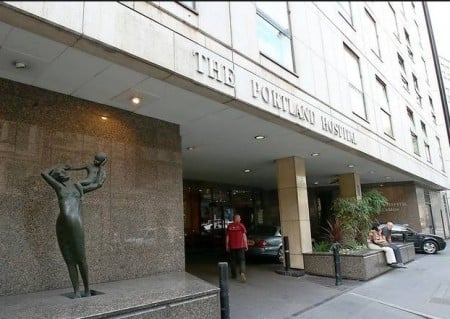
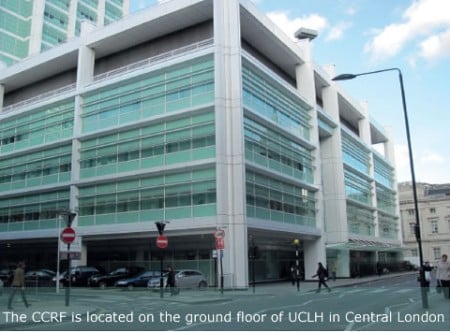
Bookimed Expert Insight: Leading London centers like Portland Hospital and Harley Street at UCH prioritize transparency through ISO 9001 and JACIE accreditations. These certifications often signal superior organizational governance beyond basic CQC requirements. Patients should look for hospitals with specialized accreditations, like the JAG for gastroenterology at Wellington Hospital.
Patient Consensus: Patients note that safety checks are extremely thorough even for minor surgeries. It is important to confirm which specific clinician is responsible for your operation and supervision.
To verify a UK surgeon, check their status on the General Medical Council (GMC) Specialist Register. This confirms they completed higher specialty training. Ensure they hold a valid Licence to Practise and the Fellow of the Royal College of Surgeons (FRCS) designation.
Bookimed Expert Insight: Our data shows clinics like London Bridge Hospital or Wellington Hospital often hold multiple accreditations like JAG or CARF. These specific certifications usually signal a focus on specialized outcomes in liver or neurorehabilitation. Always match the clinic's specialized accreditation to your specific surgical needs for better results.
Patient Consensus: Patients emphasize checking that the person performing the surgery is the same one from the consultation. They also note that academic titles like Professor do not always reflect current surgical skill.
Surgery in the UK follows strict safety protocols like the WHO surgical safety checklist to minimize risks. Common complications include surgical site infections, venous thromboembolism, and bleeding. Patients in London facilities also receive screenings for respiratory issues and anesthetic reactions to ensure optimal postoperative recovery.
Bookimed Expert Insight: Patient volume is a major safety indicator in British healthcare. For example, Royal Brompton and Harefield NHS Foundation Trust manages 40,000+ inpatients annually. This high volume often correlates with better management of complex cardiac and thoracic complications through specialized experience.
Patient Consensus: Many patients note that serious issues like sepsis often appear after returning home. They emphasize being honest about smoking habits since nicotine significantly slows down the healing process.
Surgical recovery in the UK typically involves hospital stays from same-day discharge to 2 nights. Most patients require 4 weeks for initial recovery before returning to work. Complex procedures like stomach resection or hysterectomy may necessitate 5 to 7 days of inpatient monitoring and longer rest.
Bookimed Expert Insight: Clinics with high patient volumes, such as Wellington Hospital which treats 800,000+ people annually, often utilize standardized recovery protocols. These systems prioritize early mobility within 24 hours. This approach significantly reduces the time needed for inpatient care after complex orthopedic or cardiac procedures.
Patient Consensus: Many note that fatigue lasts longer than medical leave, so taking extra rest is helpful. Those with desk jobs often return within 2 weeks but frequently suggest a phased transition back to full-time hours.
Fixed-price surgical packages in the United Kingdom typically cover the primary operation, surgeon and anaesthetist fees, and hospital stay. These bundles also include nursing care, theatre costs, standard implants, and essential drugs. Diagnostic tests and initial specialist consultations are often billed as separate costs.
Bookimed Expert Insight: While most London clinics like Harley Street Clinic provide luxury amenities, patient volume data suggests larger institutions offer more comprehensive multidisciplinary support. For instance, Wellington Hospital manages 2,000 knee cases yearly, often integrating specialized rehab directly into their orthopedic surgery packages. Always confirm if advanced technologies like MAKOplasty or CyberKnife are included, as these specific tools can sometimes shift a standard quote into a premium tier.
Patient Consensus: Patients emphasize checking every line of the quote to see if painkillers and antibiotics for home use are included. Many note that high-quality meals and private rooms make the recovery feel more like a hotel stay than a hospital visit.
London is the premier hub for international surgical patients, featuring centers like Wellington Hospital and Harley Street Clinic. These facilities offer advanced robotic systems and specialized oncology care. Birmingham and Manchester provide excellent regional alternatives with large teaching hospital networks and multidisciplinary surgical expertise.
Bookimed Expert Insight: London clinics often specialize by patient demographic rather than just procedure type. For example, Portland Hospital focuses exclusively on children and women, while London Bridge Hospital is a Center of Excellence for live donor transplants. Choosing a clinic that aligns with your specific patient profile ensures more tailored recovery protocols and nursing care.
Patient Consensus: Patients emphasize choosing a surgeon based on their specific procedure volume rather than hospital reputation alone. Many note that private London facilities offer significantly faster access to specialists compared to other regions.
Traveling to the UK for surgery requires a formal medical treatment letter from a UK-registered consultant. Patients must provide detailed diagnostic reports, generic-name medication lists, and certified English translations of all records. Financial proof must demonstrate sufficient funds for private healthcare and accommodation expenses.
Bookimed Expert Insight: Our data shows clinics like Portland Hospital and Princess Grace Hospital handle thousands of international screenings annually. Clinics with higher volumes often provide dedicated assistance for travel and accommodation. Choosing centers like Plastic Surgery Group Clinic ensures you have specialized support for administrative logistics.
Patient Consensus: Patients note it is essential to request a GP summary early as full history requests often take 30 days. Don't rely on mobile apps, as older surgical records are often archived and unavailable for instant viewing.