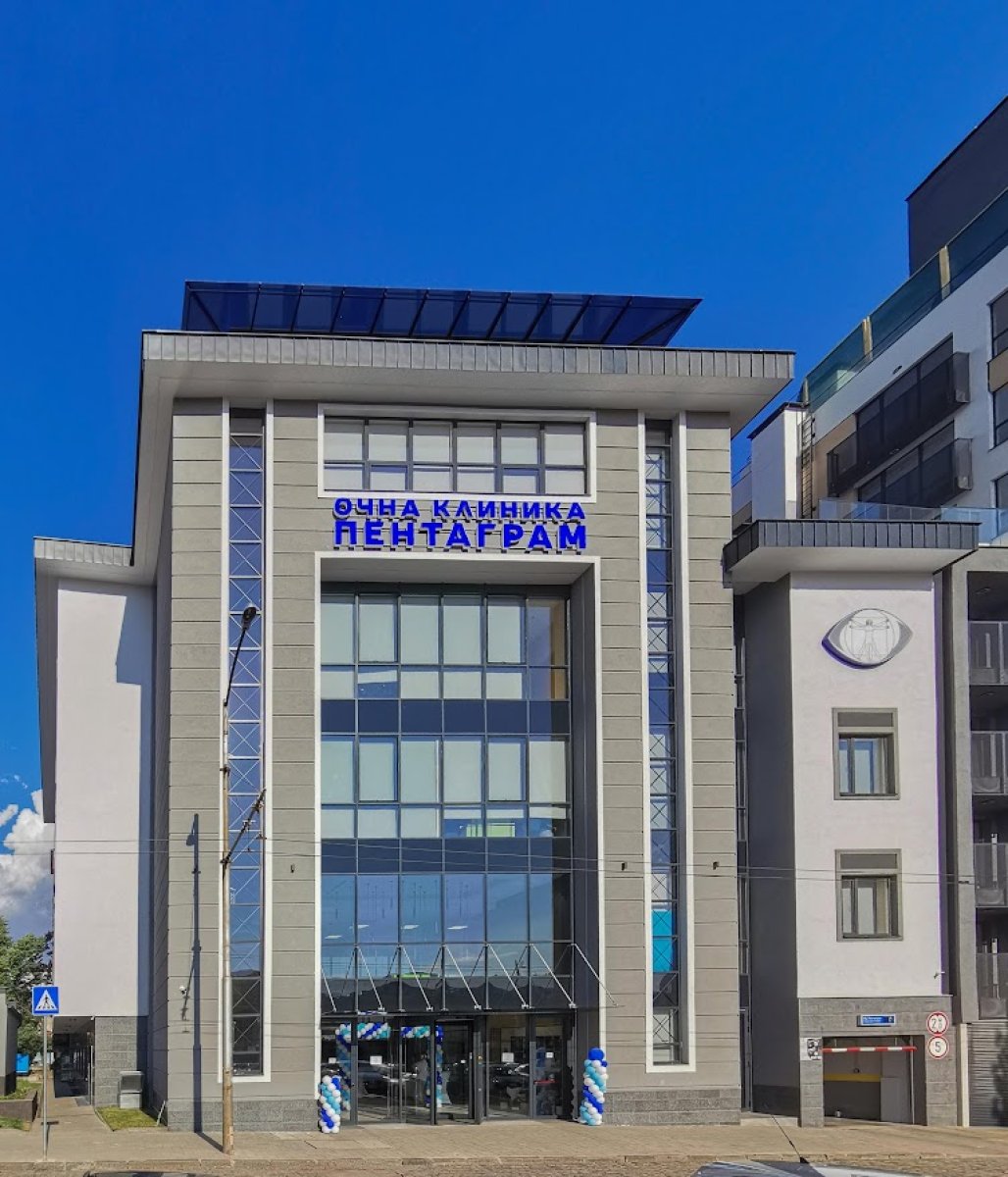
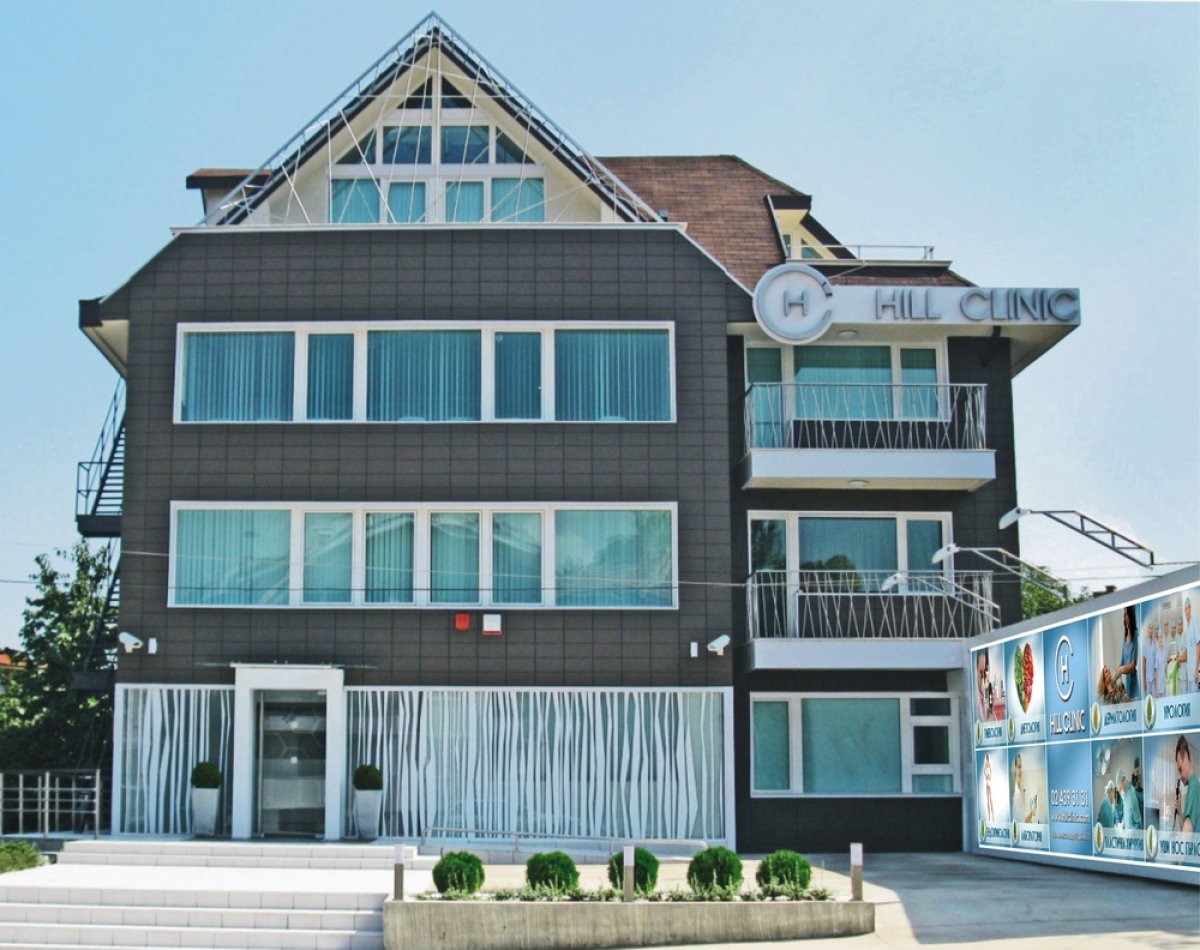
Tokuda Clinic
Bulgaria, Sofia

Medically reviewed by
Hasim Ustunsoy
| Turkey | Austria | |
|---|---|---|
| Transluminal Arterial Angioplasty (PTA) and Stenting | from $2,500 | ≈ $7,200 |
| Therapeutic Apheresis | from $4,500 | ≈ $1,800 |
| Resveratrol IV Therapy | ≈ $120 | ≈ $250 |
| Radiofrequency ablation with 3D mapping | from $8,100 | ≈ $9,500 |
| Radiofrequency ablation | from $2,200 | ≈ $7,500 |
No hidden fees – just official clinic prices. Pay at the clinic for Cardiology treatment upon arrival and use a flexible installment plan if needed.
Bookimed is committed to your safety. We only work with medical institutions that maintain high international standards in Cardiology treatment and have the necessary licenses to serve international patients worldwide.
Bookimed offers free expert assistance. A personal medical coordinator supports you before, during, and after your treatment, solving any issues. You're never alone on your Cardiology treatment journey.

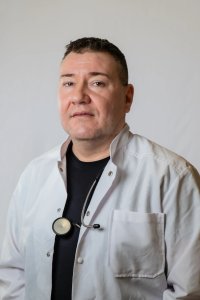
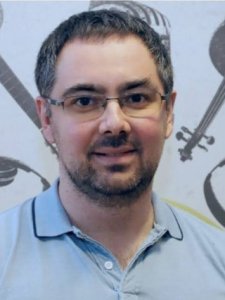
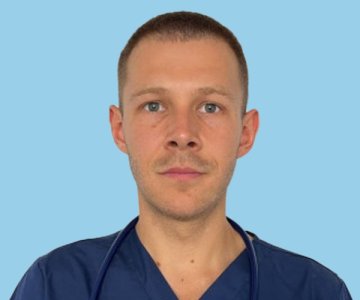
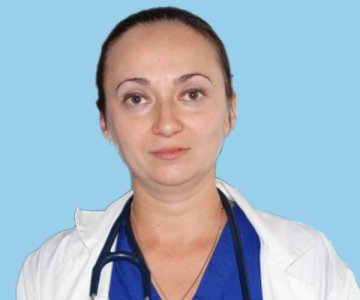
Dr. Evgeni Gigov is a cardiologist at AmeriMed Medical Center in Sofia, Bulgaria. He treats heart and vascular conditions. Dr. Gigov works with a team of nearly 100 specialists. The center performs cardiology diagnostics and treatment in the Bulgarian capital.

Written by Kateryna Zamkovska

Written by Veronika Kazina
 Anna Leonova
Patients access heart surgery in Bulgaria through public insurance, private medical loans, or hospital-led installment plans. Local residents use National Health Insurance Fund (NHIF) coverage. International patients often use specialized medical financing platforms. These providers offer buy-now-pay-later options or fixed-rate personal loans for surgeries abroad.
Bookimed Expert Insight: Sofia clinics like Tokuda Clinic serve over 274,000 patients every year. Their high patient volume allows them to maintain lower operational costs. Because Bulgarian heart surgery costs 50% to 70% less than in the UK, many patients find self-funding more affordable than high-interest loans.
Patient Consensus: Patients note that while public options have 3-6 month waits, private hospitals offer much faster treatment. Many recommend requesting itemized quotes from multiple hospitals to compare total costs before choosing a financing plan.
Private cardiology in Bulgaria offers superior speed, modern technology, and English-speaking staff. Facilities like Tokuda Clinic in Sofia provide immediate diagnostics and follow-up care. Public hospitals handle acute emergencies effectively but suffer from 6–12 month waiting lists and aging equipment for elective procedures.
Bookimed Expert Insight: Tokuda Clinic serves 274,000 patients annually in Sofia. This high volume allows the clinic to maintain European standards of care. Their large patient capacity ensures faster access to specialized cardiologists compared to public university hospitals. Private care also eliminates common unofficial payments found in state-run systems.
Patient Consensus: Patients note that private health insurance often covers most costs and prevents long delays. While public hospitals handle heart attacks well, the follow-up process is much smoother in private facilities.
Advanced interventional cardiology facilities are not available everywhere in Bulgaria. These specialized services are concentrated in major urban hubs like Sofia. Most regional cities offer basic emergency procedures. However, rural regions often lack the specialized equipment for complex cardiac interventions.
Bookimed Expert Insight: Patient volume data highlights a significant centralization of care in the capital. Tokuda Clinic alone manages 274,000 patients annually in Sofia. This high volume allows urban centers to refine complex protocols. Patients traveling from smaller towns should prioritize these high-capacity facilities for better outcomes.
Patient Consensus: Patients note that while Sofia offers excellent EU-standard heart care, smaller towns often lack 24/7 readiness. Many emphasize having a pre-arranged transfer plan to the capital to avoid life-threatening delays.
See a cardiologist in Bulgaria if you experience chest pain, persistent shortness of breath, or palpitations. Immediate evaluation is vital for dizziness, fainting, or unexplained fatigue. Bulgarian specialists recommend screenings for patients over 40 with high blood pressure, diabetes, or a family history of heart disease.
Bookimed Expert Insight: Major facilities in Sofia, like Tokuda Clinic, manage over 274,000 patients annually across all specialties. This high volume allows these centers to maintain comprehensive diagnostic departments in one location. Patients often save time by booking private consultations directly. This avoids the longer waiting periods common in the public referral system.
Patient Consensus: Patients note it is important to bring all previous test results and imaging to appointments. This simple step helps bypass local bureaucracy and ensures the cardiologist has a complete medical history.
Bulgarian patients choose Turkey for heart treatment due to advanced robotic surgery and shorter wait times. Turkish hospitals often provide same-week appointments for complex cardiac cases. Facilities frequently hold JCI accreditation. This ensures they meet global safety standards for procedures like valve replacements.
Bookimed Expert Insight: Our data shows a clear preference for large Turkish hospital chains. These centers often perform 500+ cardiac procedures annually. This high volume allows them to invest in the latest diagnostic equipment. Patients benefit from more accurate screenings and faster recovery times as a result.
Patient Consensus: Patients note that Turkish private clinics offer modern facilities. Many choose Turkey because they can avoid the 6-month wait times found in public centers. They also appreciate that staff often speak English and coordinate all travel logistics.
A cardiology appointment requires asking about your specific diagnosis, cause, and personal risk level. You must understand your test results and clarify which symptoms require emergency care. Always request plain-English explanations for complex terms. Bring a full list of medications and your documented family history.
Bookimed Expert Insight: High-volume centers in Sofia like Tokuda Clinic manage 274,000 patients annually. This massive scale often leads to faster diagnostic turnaround for EKG and imaging results. We see that patients at these centers benefit from more integrated, one-stop cardiac testing. This efficiency cuts the time between your initial consult and starting a treatment plan.
Patient Consensus: Patients suggest writing down 5 specific questions before the visit to avoid forgetting them. They also recommend asking directly about alcohol limits and sexual activity, as these topics are often skipped.