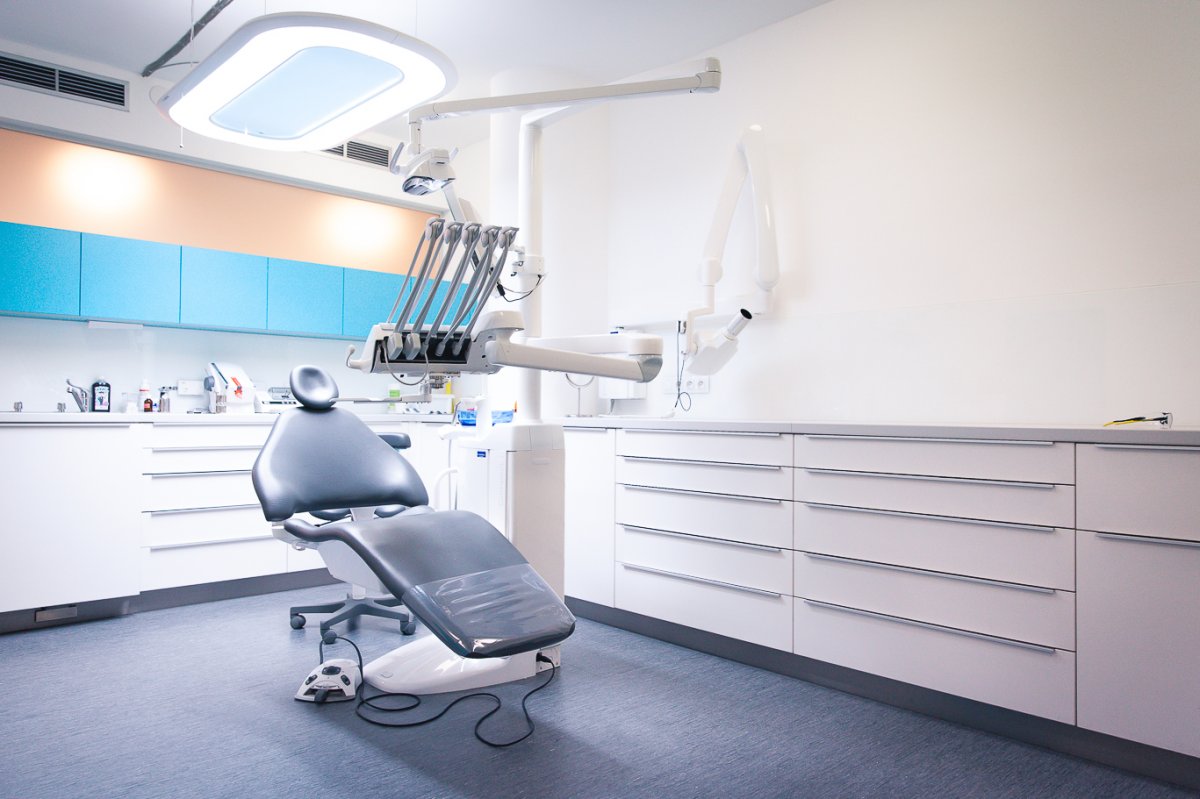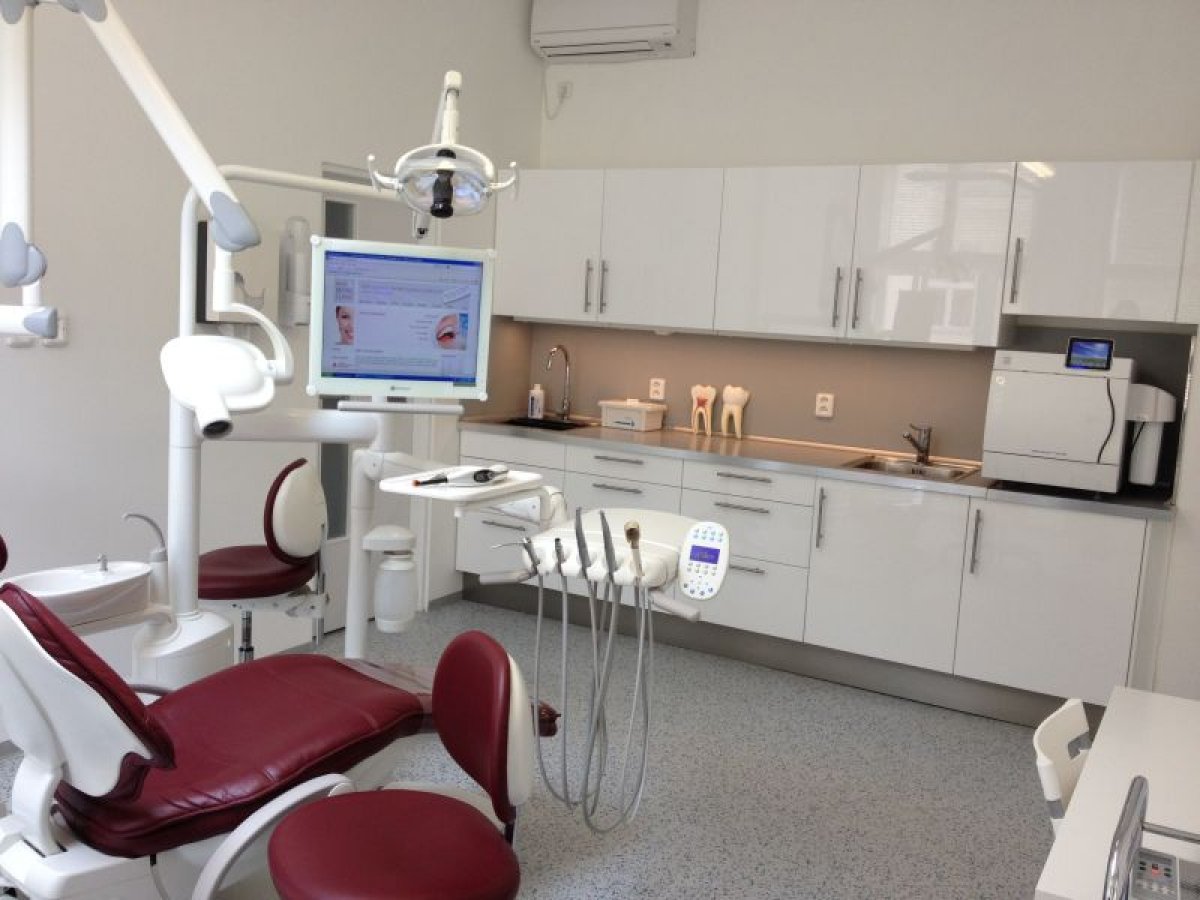
Institute of Clinical and Experimental Medicine IKEM
Czech Republic, Prague

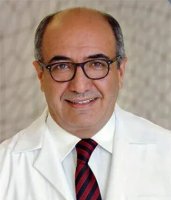
Medically reviewed by
Kamil Yalcin Polat
The cost of transplantology in the Czech Republic typically averages between $97,200 and $161,700. These prices vary based on the specific organ, the patient's medical history, and required hospital stays. International patients can often find savings of around 40-50% compared to typical costs in the United States.
Typical Transplantology Costs in Czech Republic
Most specialized procedures are performed in Prague, Brno, and Ostrava. Private centers in Prague may have slightly higher rates than facilities in other regions. You should consult with a specialist to get an accurate price estimate for your specific medical needs.
| Czech Republic | Turkey | Austria | |
|---|---|---|---|
| Lung transplant | ≈ $95,000 | ≈ $140,000 | ≈ $350,000 |
| Liver transplant | ≈ $88,000 | from $32,000 | ≈ $140,000 |
| Kidney transplant | ≈ $38,000 | from $11,900 | ≈ $62,000 |
| Heart transplant | ≈ $110,000 | ≈ $70,000 | ≈ $140,000 |
| Heart and lungs transplant | ≈ $110,000 | ≈ $150,000 | ≈ $230,000 |
No hidden fees – just official clinic prices. Pay at the clinic for Transplantology treatment upon arrival and use a flexible installment plan if needed.
Bookimed is committed to your safety. We only work with medical institutions that maintain high international standards in Transplantology treatment and have the necessary licenses to serve international patients worldwide.
Bookimed offers free expert assistance. A personal medical coordinator supports you before, during, and after your treatment, solving any issues. You're never alone on your Transplantology treatment journey.


Dr. Andrea Macejova is a specialist in dermatologic and transplant surgery at ABClinic Art & Beauty in Prague. She performs transplantology and restorative skin procedures. Dr. Macejova works at a facility that treats 2,500 patients annually. The clinic specializes in aesthetic medicine and surgery in the Czech Republic, featuring a private setting with 14 recovery beds. Dr. Macejova works with a team of 12 specialists to perform surgical procedures.

Dr. Slavomir Rokosny is a transplant surgeon at Premier Clinic in Prague. He is a Fellow of the European Board of Surgery (FEBS). Dr. Rokosny treats vascular conditions and performs surgeries for aortic aneurysms and varicosity. His work includes transplantology, phlebology, and plastic surgery.


Written by Veronika Kazina

Written by Ana Hurevska

Written by Ana Hurevska
 Anna Leonova
The kidney is the most commonly transplanted organ in the Czech Republic. It accounts for approximately 45% of all transplant procedures. The country performs nearly 500 kidney transplants annually. Other frequent procedures include liver and heart transplants. These services are centralized in specialized medical institutions.
Bookimed Expert Insight: Data shows that the Institute of Clinical and Experimental Medicine IKEM in Prague handles the highest volume of diverse transplants. It manages 30 departments and remains the primary hub for multi-organ procedures. This centralization allows medical teams to maintain high expertise levels through constant clinical practice.
Patient Consensus: Patients note that organ wait times are often shorter than in the UK. Many emphasize that the local opt-out donor system significantly boosts gift-of-life availability.
International patients must have public health insurance and residency to receive organ transplants in the Czech Republic. Private payments for these procedures are not permitted. Eligible patients may join the national waiting list through the Institute of Clinical and Experimental Medicine IKEM. This facility is the largest research center for transplants.
Bookimed Expert Insight: The Institute of Clinical and Experimental Medicine IKEM is a critical hub for Central Europe. It operates under the Ministry of Health and manages 315 beds for complex cases. Our data shows that while most foreign patients seek aesthetic or dental care in Prague, transplantology remains strictly regulated. Patients should secure residency permits before seeking high-complexity procedures like kidney or liver transplants.
Patient Consensus: Patients note it is nearly impossible for short-term visitors to access the organ registry. Those planning long-term stays emphasize that getting a permanent stay permit is the only reliable way to enter the public healthcare system for a transplant.
The Czech Republic operates under a presumed consent model established by Act No. 285/2002 Coll. All citizens are potential organ donors after death by default. Individuals must actively join the National Register of Persons Opposed (NROD) to opt out of the donation system.
Bookimed Expert Insight: Data from the Institute of Clinical and Experimental Medicine IKEM shows that high-volume centers drive transplant success in Prague. Organizations like IKEM focus on complex procedures like heart and lung transplants. This concentration of expertise ensures high standards within the presumed consent framework.
Patient Consensus: Patients emphasize that while the law assumes consent, families often have the final say in practice. It is vital to discuss your wishes with relatives directly to ensure they are honored during emergencies.
Waiting times for deceased-donor organs in the Czech Republic are among the shortest in Europe. A kidney transplant typically requires a 4 to 8 month wait. Liver transplants range from 3 to 9 months. Heart transplants usually occur within 4 to 12 months for eligible patients.
Bookimed Expert Insight: The Institute of Clinical and Experimental Medicine IKEM in Prague is the largest research center in the country. Since it is managed by the Ministry of Health, it serves a massive patient volume. Our data indicates that large state-run centers like IKEM often have the most streamlined integration with Eurotransplant for cross-border matching.
Patient Consensus: Patients note that being listed early is vital because staying healthy enough for surgery is a constant worry. Some emphasize that having blood type O can nearly double the wait time compared to other groups.
Direct financial compensation for organ donation is prohibited in the Czech Republic to prevent exploitation. The system operates on an altruistic model where donors receive no profit. However, donors are reimbursed for specific out-of-pocket expenses to ensure the process remains financially neutral.
Bookimed Expert Insight: The Institute of Clinical and Experimental Medicine IKEM in Prague is the largest research center in the country. Since it is managed by the Ministry of Health, it strictly enforces these reimbursement protocols. Our data shows that high-volume centers like IKEM have specialized departments to handle these logistics efficiently.
Patient Consensus: Patients note that while the process is strictly non-profit, the system covers sick leave and travel. One person emphasized that any support payments are purely for recovery and never function as a financial incentive.
The main transplant centers in the Czech Republic are located in Prague, Brno, Hradec Kralove, Pilsen, Olomouc, and Ostrava. The Institute of Clinical and Experimental Medicine (IKEM) in Prague is the largest hub. It performs over 60% of all organ transplantations in the country.
Bookimed Expert Insight: Prague serves as the primary medical hub where approximately 80% of complex transplant cases are handled. The Institute of Clinical and Experimental Medicine (IKEM) is managed by the Ministry of Health. It functions as the largest research institute in the country with 310 doctors and 30 departments.
Patient Consensus: Patients emphasize that Prague is the essential destination for complex multi-organ cases. While regional centers like Brno are noted for being less crowded, major expertise and coordination via national registries center on IKEM and Motol.