Habitual dislocation of the shoulder treatment in Italy — get 3 personalized clinic matches

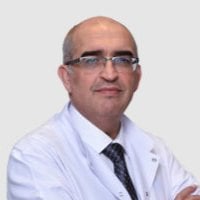
Medically reviewed by
Kayhan Turan
How it works
What's the Cost of Habitual dislocation of the shoulder Diagnosis and Treatment in Italy?
| Italy | Turkey | Austria | |
|---|---|---|---|
| Conservative treatment for habitual dislocation of the shoulder | ≈ $1,000 | ≈ $450 | ≈ $1,400 |
Best Habitual dislocation of the shoulder Treatment Centers in Italy: 5 Verified Options and Prices





La Madonnina Clinic









Get a Medical Assessment for Habitual dislocation of the shoulder in Italy: Consult with Experienced Doctors Now
View all Doctors
Raul Zini
15,000+ operations performed – Dr. Zini specializes in arthroscopic and prosthetic surgery at Maria Cecilia Hospital.
- 1,215 hip arthroscopies between 2009–2015
- Treated numerous professional athletes
- Coordinator of Orthopedics Unit since 2007
- Author of 100+ publications and 7 monographs
- Twice awarded Bellando-Randone Prize by SIOT

Vincenzo De Santis
Director of Orthopedics and Traumatology at Mater Olbia Hospital – specializes in recurrent shoulder issues with over 5,500 surgeries performed.
- PhD in Angiology, Vascular Surgery and Orthopedics from Università Cattolica del Sacro Cuore
- Expert in computer-assisted and robotic surgical techniques
- Performed over 2,500 surgeries as first operator
- Specializes in sports traumatology and arthroscopic procedures

Giuseppe Speziale
Dr. Giuseppe Speziale is a cardiac surgeon and Director of Cardiac Surgery at Santa Maria Hospital. He lives and works in Rome. He focuses on minimally invasive and noninvasive valvular surgeries. Dr. Speziale serves as the Vice President of GVM Care & Research. He treats complex conditions like atrial fibrillation and mitral valve prolapse.
- Coordinator of the GVM Care & Research Cardiac Surgery Department.
- Active member of the American Association for Thoracic Surgery.
- Member of the International Society for Minimally Invasive Cardiothoracic Surgery.
- Scientific Director of the Italian Association of Cardiopaths onlus.

Prof Giuseppe Speziale
Dr. Giuseppe Speziale is a cardiac surgeon specializing in minimally invasive valve surgery at Ospedale Santa Maria. He is the National Coordinator of Cardiac Surgery for GVM Care & Research. Dr. Speziale earned the Top Doctors Award for his surgical expertise. He co-founded the Mitral Academy to improve restorative heart surgery techniques.
- Specializes in mitral valve repair and thoracic aortic surgery.
- Performs both on-pump and off-pump myocardial revascularization.
- Author of over 90 scientific publications in journals like the European Journal of Cardiothoracic Surgery.
- Member of the American Association for Thoracic Surgery (AATS).
Share this content
Video Stories from Bookimed Patients
 Anna Leonova
Expert Overview about Habitual dislocation of the shoulder Treatment in Italy
Which surgical technique is preferred by Italian orthopedists for habitual shoulder dislocation?
Italian orthopedists prefer arthroscopic Bankart repair or the Latarjet procedure for habitual shoulder dislocation. Surgeons select the technique based on glenoid bone loss and physical activity. Bankart repair is the anatomical first-line choice. The Latarjet procedure addresses severe bone defects or high-impact athletic needs.
- Bankart repair: Minimally invasive repair for cases with bone loss under 20%.
- Latarjet procedure: Bone transposition used for contact athletes or major bone defects.
- Recovery timeline: Protective bracing for 4 weeks followed by progressive physical therapy.
- Specialized centers: IRCCS Ospedale Galeazzi - Sant'Ambrogio specializes in complex revision surgeries.
Bookimed Expert Insight: Clinical data indicates that high-volume centers like Galeazzi-Sant’Ambrogio perform over 5,000 operations annually. This volume is critical for habitual dislocation cases. High-demand athletes, including AC Milan players, often seek treatment at centers like La Madonnina. Selecting a facility with a proven track record in revision surgery is vital if a previous stabilization failed.
Patient Consensus: Patients emphasize that long-standing instability requires a personalized evaluation of bone defects rather than a generic fix. Many note that the quality of post-operative rehabilitation is just as important as the surgical technique itself.
What recovery period must an international patient plan for after shoulder stabilization surgery in Italy?
Patients must plan for a 10 to 14 day stay in Italy. This allows for initial healing and essential post-operative checks. Professional orthopedic centers like IRCCS Ospedale Galeazzi - Sant'Ambrogio in Milan perform a high volume of complex surgeries. Full functional recovery typically takes 3 to 6 months.
- Hospital stay: Most patients spend 1 to 2 days in the clinic after surgery.
- Sling requirement: A protective sling is mandatory for 4 to 6 weeks for stability.
- Flight restrictions: Wait 6 to 8 weeks before boarding long-haul international flights.
- Rehabilitation timeline: Physical therapy starts within 2 weeks and continues for several months.
Bookimed Expert Insight: Choosing a surgeon with high procedural volume is a critical quality signal in Italy. For example, Dr. Raul Zini at Maria Cecilia Hospital has performed 15,000+ operations. High-volume experts often handle complex cases and professional athletes, ensuring refined recovery protocols. This experience helps minimize risks during the early 4-week immobilization phase.
Patient Consensus: Patients note the flight home is harder than expected. Managing heavy bags or navigating busy airports with a sling requires pre-arranged assistance.
What post-operative immobilization and rehabilitation protocol will Italian surgeons prescribe?
Italian orthopedic surgeons prescribe a phase-based protocol including 4 to 6 weeks of sling immobilization. Early rehabilitation focuses on gentle passive motion to protect the repair. Progressive strengthening follows once structural stability is confirmed. Italian centers like Maria Cecilia Hospital prioritize multidisciplinary care using specialized physiatrist teams.
- Immobilization period: Patients typically wear a shoulder brace for up to 6 weeks.
- Passive mobilization: Gentle, therapist-led movements usually begin within the first 3 weeks.
- Active exercise: Strengthening and overhead movements are typically restricted until after week 6.
- Advanced therapies: Clinics often integrate radiofrequency and postural re-education to improve biomechanical balance.
Bookimed Expert Insight: Data shows that Italy is a hub for complex revision cases. Instituto Ortopedico Galeazzi performs 75% of Italy's revision orthopedic surgeries. This suggests Italian protocols are exceptionally specialized for patients who have already experienced failed treatments elsewhere. You should look for surgeons like Dr. Raul Zini, who has experience treating professional athletes. His background indicates that Italian protocols can be highly tailored for fast-track sports reintegration.
Patient Consensus: Patients note that recovery often feels slower than expected due to strict movement limits. Many recommend getting a written plan to ensure your home physiotherapist follows the surgeon's exact protocol.
Which Italian cities and hospitals are recognized for expert shoulder-dislocation surgery?
Milan, Rome, and Bologna are the primary Italian cities for expert shoulder-dislocation surgery. These hubs feature hospitals like IRCCS Galeazzi-Sant'Ambrogio and Maria Cecilia Hospital. They utilize advanced arthroscopic stabilization and bone grafting techniques. Facilities often hold JCI or ISO certifications for high-quality orthopedic care.
- Milan surgical centers: IRCCS Galeazzi-Sant'Ambrogio performs 75% of Italy's revision orthopedic surgeries.
- Rome specialized units: Concordia Hospital is a recognized ISAKOS teaching center for shoulder instability.
- Bologna research hubs: Rizzoli Orthopedic Institute features a standalone Shoulder and Elbow Surgery Unit.
- Advanced surgical volume: Dr. Raul Zini at Maria Cecilia Hospital has performed 15,000 operations.
Bookimed Expert Insight: While many general hospitals offer orthopedics, Italy’s specialized networks provide significant advantages. For example, Galeazzi-Sant'Ambrogio in Milan manages over 340,000 patients annually and serves as the country's first dedicated orthopedic admission facility. Choosing a center within the GVM Care & Research network, like Maria Cecilia Hospital, ensures access to surgeons like Dr. Raul Zini who handle over 1,200 complex cases each year.
Patient Consensus: Patients emphasize finding a subspecialist who specifically handles upper-limb instability rather than a general orthopedist. They note that centers focusing on sports traumatology often provide faster access to both arthroscopic and bone-grafting options.
Are regenerative or non-surgical alternatives available for habitual shoulder dislocation in Italy?
Italy offers regenerative and conservative treatments for habitual shoulder dislocation at specialized orthopedic centers. Platelet-rich plasma (PRP) and stem cell therapies are available to reduce inflammation. While non-surgical options like targeted neuromuscular rehabilitation are common, they typically serve patients with low physical demands or minimal structural damage.
- Regenerative injections: PRP and stem cell therapies aim to stimulate healing in ligaments and tendons.
- Neuromuscular therapy: Specialized physical therapy focuses on rotator cuff strengthening and joint position awareness.
- Hyaluronic injections: Orthopedists use these to manage pain and reduce friction in unstable joints.
- Structural assessment: Specialists in Milan and Rome use MRI to exclude labral or bone lesions.
Bookimed Expert Insight: Italian orthopedic care is highly centralized in specialized academic centers. For instance, IRCCS Ospedale Galeazzi - Sant'Ambrogio performs 75% of all revision orthopedic surgeries in Italy. This high clinical volume means their specialists can accurately identify when regenerative medicine will fail and when surgery is the only safe path. If a clinic handles over 300,000 patients yearly, their diagnostic precision for habitual instability is typically superior to smaller general practices.
Patient Consensus: Patients emphasize that physical therapy is the primary non-surgical route for stabilizing the joint. Many note that while injections help with pain, they do not fix mechanical instability caused by structural tears.