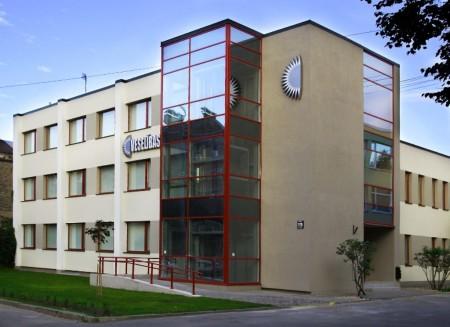
Pallas Clinic
Latvia, Jūrmala

Medically reviewed by
Ali Zirh
| Latvia | Turkey | Austria | |
|---|---|---|---|
| CyberKnife | from $9,000 | from $3,500 | ≈ $7,500 |
| Vagus nerve stimulation | - | from $15,000 | ≈ $24,000 |
| Transnasal resection of tumor | - | from $8,000 | ≈ $16,500 |
| Tomotherapy | - | from $8,400 | ≈ $9,500 |
| Surgical treatment of epilepsy | - | from $9,600 | ≈ $24,000 |
No hidden fees – just official clinic prices. Pay at the clinic for Neurosurgery treatment upon arrival and use a flexible installment plan if needed.
Bookimed is committed to your safety. We only work with medical institutions that maintain high international standards in Neurosurgery treatment and have the necessary licenses to serve international patients worldwide.
Bookimed offers free expert assistance. A personal medical coordinator supports you before, during, and after your treatment, solving any issues. You're never alone on your Neurosurgery treatment journey.


Written by Kateryna Zamkovska

Written by Ana Hurevska

Written by Veronika Kazina

Written by Валерия Стэнка

Written by Veronika Kazina
 Anna Leonova
Latvia provides specialized neurosurgical care through private clinics and large state-run university hospitals in Riga. High-precision facilities like AIWA Clinic and specialized centers such as Neuro Spine Riga focus on minimally invasive spinal decompression. These institutions utilize advanced microscopy and endoscopic techniques for faster recovery times.
Bookimed Expert Insight: While Baltic Vein Clinic performs 1,500 operations annually, the highest surgical volumes for neurosurgery remain in Riga. Smaller specialized clinics often offer faster access to elective spine procedures than public hospitals. This helps patients avoid the 6–12 month wait times typical for state-run facilities.
Patient Consensus: Patients note that Latvian surgeons often train in Scandinavia, ensuring Western standards. While public hospitals handle emergencies well, private clinics are preferred for elective procedures due to better English support.
Common neurosurgical procedures in Latvia include spinal microdiscectomies, brain tumor resections, and treatments for hydrocephalus. Clinics often use minimally invasive techniques for spinal decompression. Specialized centers provide radiosurgery like CyberKnife for non-invasive tumor removal. Most facilities follow strict European Union medical standards.
Bookimed Expert Insight: Data suggests a strong efficiency trend in Riga for vein and nerve-related vascular neurosurgery. Baltic Vein Clinic performs 1,500 operations annually. This high volume often leads to more refined surgical protocols. Patients can find experienced specialists like Dr. Test Test Test at Veselibu Clinic. This clinic covers over 20 medical specialties.
Patient Consensus: Patients note that emergency procedures like shunt placements for hydrocephalus are highly efficient. Many suggest bringing translation tools when visiting hospitals outside of Riga to help with communication.
Neurosurgical treatment in Latvia typically follows a 2 to 3-week timeline for private care. This includes the initial consultation and surgical scheduling. Diagnostic tests often take 1 day. Hospital stays range from 1 to 10 days depending on the procedure's complexity. Full recovery usually takes 3 to 12 months.
Bookimed Expert Insight: Coordination data shows that choosing clinics in Riga often speeds up the process. Facilities like Baltic Vein Clinic demonstrate the high operational capacity of Latvian private healthcare. This infrastructure allows specialists to perform 1,500+ procedures annually. Such volume ensures diagnostic and surgical steps happen within a single week.
Patient Consensus: Patients note that choosing private care is the only reliable way to avoid long delays. They suggest that local systems have significant wait times for public services.
International patients can use insurance for neurosurgery in Latvia depending on their policy type and residency status. EU citizens often use the European Health Insurance Card (EHIC) for emergency care. Private patients typically pay upfront. They then seek reimbursement from international providers like AXA or Cigna.
Bookimed Expert Insight: Data from Baltic clinics shows a high volume of patients from Northern Europe and the CIS. Facilities like Baltic Vein Clinic in Riga have decades of experience with international administrative requirements. Smaller specialized centers often provide more detailed cost breakdowns. This helps speed up the insurance claim process for foreign patients.
Patient Consensus: Patients note that relying on insurance is risky without prior written approval. Most recommend budgeting for the full cost upfront and treating any later reimbursement as a bonus.
Your Latvian neurosurgery team includes a lead neurosurgeon supported by an assisting surgeon or resident. An anesthesiologist and nurse anesthetist manage sedation and vital signs. A scrub nurse handles instruments in the sterile field. A circulating nurse coordinates the operating room environment and supplies.
Bookimed Expert Insight: In Riga, large centers like Baltic Vein Clinic show that high-volume facilities often have more specialized support staff. While the lead surgeon handles the main procedure, residents in Latvian teaching hospitals may perform up to 80% of suturing. Always ask about the specific level of resident involvement during your pre-operative briefing.
Patient Consensus: Patients note that while night nurses may only speak Latvian, having a translation app helps. They emphasize the importance of early swallowing tests by therapists to prevent choking risks after surgery.