








1
Advertiser Disclosure
Last updated: Nov 17, 2026
Eyebrow transplantation in Spain — get 3 top clinic matches with costs
An eyebrow transplantation in Spain costs $1,500 to $4,600, about 42% less than the US average of $5,300 (Bookimed data, November 2026). It is offered by Hospital Capilar in Madrid.
Want to explore more options? You can also browse all 3 clinics below.

85 %
patient recommendation
110 K+
patients
Meet the experts behind this page
Medically reviewed by
Leyla Arvas
Authored by Anna Leonova
Head of Content Marketing Team
How it works
We've transformed the clinic search process, making it simple, fast, and personal.
Answer a few questionsTake a short quiz to share your Eyebrow transplantation goals.
Get personalized offers3 clinics, handpicked based on your answers, provide tailored treatment plans and quotes.
Choose the best optionCompare offers and choose the clinic that suits you best.
You can also browse all 3 clinics below.
1M+ patient inquiries
32+ countries
3,323 partner clinics
13,325 certified doctors
How Much Does Eyebrow transplantation Cost in Spain?
Eyebrow transplantation in Spain typically costs from $1,500 to $4,600. The final price depends on the clinic location, surgeon prestige, and the chosen grafting technique. In the US, similar procedures cost around $5,300 on average. Spain offers savings of approximately 42%. Most Spanish packages include the initial consultation, local anesthesia, surgical consumables, and post-operative medications.
- Eyelash transplantation: $3,200 to $5,300 for restoration using similar microsurgical techniques.
- Premium clinic locations: Packages in Barcelona and Madrid may cost 20-30% more than regional centers.
- Specialized hair centers: Clinics focusing solely on hair restoration often provide more competitive flat-rate pricing.
- High-density grafting: Procedures requiring a high follicular unit count or DHI techniques typically increase costs.
Bookimed Expert Insight: Choosing a multi-specialty hub like Barcelona offers unique value for high-profile patients. Centro Médico Teknon is accredited by JCI and serves as the official medical service for elite athletes. While specialized centers like Hospital Capilar in Madrid focus on high-volume hair restoration, Teknon provides a level of privacy preferred by celebrities. This premium often includes access to 400 world-class specialists and advanced surgical facilities founded in 1994.
| Spain | Turkey | The USA | |
|---|---|---|---|
| Eyebrow transplantation | from $1,500 | from $650 | from $3,000 |
| Eyelash Transplantation | ≈ $3,200 | from $900 | from $4,000 |
Data verified by Bookimed as of November 2026, based on patient requests and official quotes from 143 clinics worldwide. Median costs are based on real invoices (2025–2026) and updated monthly. Actual prices may vary.
Discover the Best Eyebrow transplantation Clinics in Spain: 3 Verified Options and Prices
The Bookimed clinic ranking is based on data science algorithms, providing a trusted, transparent, and objective comparison. It takes into account patient demand, review scores (both positive and negative), the frequency of updates to treatment options and prices, response speed, and clinic certifications.
Eyebrow transplantation Overview in Spain
Takeaways
Related procedures & Costs
How it works
What to expect
Pros & Cons
Benefits
Payment
patients recommend -
85%
Surgery Time - 4 hours
Stay in the country - 2 days
Rehabilitation - 7 days
Anesthesia - Local anesthesia
Requests processed - 110449
Verified patient reviews - 18
Bookimed fees - $0
Types of Eyebrow transplantation
- Eyebrow transplantation - from $1,500The procedure restores sparse brows using your hair, offering a natural look with permanent, customizable results.
How to find best offer with Bookimed?
Discover options on the website: deals, clinics, and doctors.
Select your favorites.
Share photos or describe your issue.
Send a request.
Receive free offers for your needs with prices and details.
Compare and finalize your choice.
Book your clinic visit.
Pay at the clinic. Bookimed fees are $0 for you.
From start to finish, the Bookimed coordinator keeps you safe and comfortable during your medical journey.
Day 1: Arrival
- Arrive in the country for eyebrow transplantation.
- Accommodation arrangements should be made separately as it"s not included.
Day 2: Pre-operation
- Consultation with the specialist to discuss your expectations.
- Medical tests and examinations to assess your suitability for the procedure.
Day 3: Eyebrow transplantation process
- The procedure begins with marking the eyebrow area.
- Local anesthesia is administered to numb the area.
- Hair follicles are extracted from the donor area.
- These follicles are implanted into the marked eyebrow area.
- The entire process takes approximately 2-3 hours.
Day 4: Post-operation
- Post-op medications are provided to manage pain and prevent infection.
- A special shampoo and lotion for the treated area are provided.
Week 1: Rehabilitation
- Regular use of the provided shampoo and lotion.
- Avoid strenuous activities to prevent damaging the transplanted follicles.
Week 2-3: Return to normal activities
- Return to work and light activities.
- Continue with the post-op care routine.
Week 4: Final result
- Expect to see the final result of the eyebrow transplantation.
Note: The above timeline is a general guide. Each patient"s experience may vary depending on individual circumstances.
What patients like:
- Cost.The Eyebrow transplantation cost in Spain ranges from $1,500 to $4,600. This is significantly less expensive compared to the average cost in the US, which is around $3000.
- Doctor’s professionalism.. Patients appreciate the high level of expertise and professionalism displayed by Spanish doctors. They are often members of reputable international medical organizations, enhancing their credibility.
- Service level. The service level is highly rated by patients. They appreciate the friendly and courteous staff, as well as the comprehensive care provided.
- Eyebrow transplantation efficacy. Patients are generally pleased with the outcome of the procedure. Modern techniques used in Spain yield high success rates.
- Logistics. Patients appreciate the efficient logistics, including convenient transportation and comfortable accommodation, provided by the clinics.
What patients don't like:
- Language Barrier. Non-Spanish speaking patients sometimes face communication challenges with the medical staff.
- Waiting Time. Some patients have reported long waiting times for consultations and procedures.
- Cleanliness. A few patients have expressed concerns about the cleanliness of the clinic's facilities, including the operation room.
100% free, non-binding assessment of your case after photos download.
Instant FREE personalized offers to make the right choice.
Expert guidance in choosing the perfect Plastic Surgery doctor and clinic.
Special packages and exclusive prices for our patients.
24/7 Bookimed guidance at no cost, guaranteed.
Hassle-free translation of your medical documents for clinics.
Multilingual staff — no language barrier with Bookimed coordinator.
Bookimed ensures transparent and secure payments. Patients pay at the clinic with no additional fees.
Available Payment Methods:
How to Secure an Appointment:
1. Documents: Passport and ticket copies.
or
2. Deposit:
- Bookimed deposit: $200 or €200.
- Clinic deposit: Pay a set percentage in advance.
For more information, see our Payment Policy
Our Trusted Doctors
View all Doctors
verified
José Luis Martín Del Yerro Coca
44 years of experience
Dr. José Luis Martín Del Yerro Coca brings over 44 years of expertise in plastic and reconstructive surgery, with a focus on aesthetic procedures like eyebrow transplantation.
- Member of the Spanish Society of Reconstructive and Aesthetic Plastic Surgery (SECPRE)
- First Prize winner in the competition of resident doctors at SECPRE
- Director of the International Symposium on Breast Reconstruction
- Represented Spanish plastic surgeons at the European Union of Medical Specialists

verified
Antonio Rivera Munoz
19 years of experience
Dr. Munoz specializes in eyebrow transplantation with over 19 years of surgical experience, co-directing Plastic Surgery Units at Quirónsalud hospitals.
- Trained in Plastic, Repair and Cosmetic Surgery at Virgen de las Nieves University Hospital
- Co-director of Plastic Surgery Units at Quirónsalud Marbella and Campo de Gibraltar
- Participates in national and international surgical conventions
- Works with advanced cosmetic surgery treatments in a hospital setting
verified
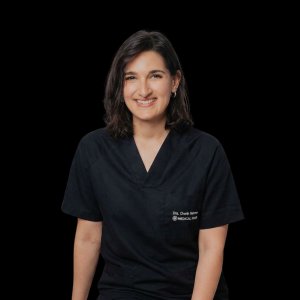
Cherin Nehme
Dr. Cherin Nehme is a specialist at Medical Hair España in Murcia. She works with FUE Zafiro hair transplant care and capillary mesotherapy for alopecia-related hair thinning. The clinic describes mesotherapy as intradermal injections using a personalized mix of vitamins, amino acids, and minerals, and it also offers eyebrow hair transplant grafting.
verified
Francisco Fernández
Dr. Francisco Fernández is a specialist at Medical Hair Valencia, working on hair transplant and eyebrow transplant. His practice aligns with the clinic’s FUE Zafiro/FUE Saphir techniques, described as outpatient and minimally invasive under local anesthesia. The clinic’s eyebrow transplant pathway includes local anesthesia and typically shows final results after 8–12 months.
Video Stories from Bookimed Patients
Oksana
I have fulfilled my dream. Finally, I won't cry about my hair anymore.
Procedure: Hair transplant
Clinic: Dr. MED
Roman
Just 4 days in Turkey, and I'm already home with a new hair.
Procedure: Hair transplant
Clinic: Hair Clinic
Jamie
Bookimed made this medical trip a breeze.
Procedure: Sex reassignment surgery
Clinic: Bangkok Plastic Surgery
Reviews about Bookimed: Discover Patients' Insights
All reviewsMark • Rhinoplasty (nose job)
United Kingdom
Aug 14, 2021
Trustworthy, reassuring and all round lovely Dr and person About the Doctor: Trustworthy, reassuring and all round lovely Dr and person About the Clinic: Yes - overall support was brilliant
Trustworthy, reassuring and all round lovely Dr and person
Thank you - excited be able to enjoy life again!
Yes - overall support was brilliant. Fouad from Bookimed was so patient with me and so helpful, and not sure Teresa ever sleeps. Thank you both! However due to timing I think the initial 24 hours I assume would be better usually, but it is holiday season - I think better expectation setting there and having someone on hand at departure who could inform me of the steps and answer my questions - but despite this I am sure the follow up for me in that short window would not being the usual experience as otherwise the support was amazing and I was given time during holidays by Dr G which I value and appreciate - it is an important time of the process though so I would recommend having someone like Mercedes on hand! It’s scary seeing yourself after surgery and I was left feeling very unaware for nearly 48 hours!
I do want to highlight that everyone in the hospital was great and professional the two nurses who looked after me directly after the surgery were so lovely and obviously all involved in the surgery and end to end treatment - but extra special thanks to you Mercedes - a really special human and very valuable member and representative of the organisation and hospital! Thank you
About Bookimed service
Yes - overall support was brilliant. Fouad was so patient with me and so helpful, and not sure Teresa ever sleeps. Thank you both! However due to timing I think the initial 24 hours I assume would be better usually, but it is holiday season - I think better expectation setting there and having someone on hand at departure who could inform me of the steps and answer my questions - but despite this I am sure the follow up for me in that short window would not being the usual experience as otherwise the support was amazing and I was given time during holidays by Dr G which I value and appreciate - it is an important time of the process though so I would recommend having someone like Mercedes on hand! It’s scary seeing yourself after surgery and I was left feeling very unaware for nearly 48 hours!
I do want to highlight that everyone in the hospital was great and professional the two nurses who looked after me directly after the surgery were so lovely and obviously all involved in the surgery and end to end treatment - but extra special thanks to you Mercedes - a really special human and very valuable member and representative of the organisation and hospital! Thank you
Mohammed Aldeeb • Rhinoplasty (nose job)
Spain
Dec 26, 2022
"I highly recommend him to anyone considering a rhinoplasty procedure
I am so grateful to Dr. Paloma for his fantastic work on my rhinoplasty procedure. He was professional, compassionate, and thorough from the initial consultation to the post-operative care. I had always been self-conscious about my nose, and Dr. Paloma helped me feel more confident and comfortable in my own skin. The results of the surgery were precisely what I wanted, and I couldn't be happier with the outcome. Thank you, Dr. Paloma, for your excellent skills and dedication to your patients. I highly recommend him to anyone considering a rhinoplasty procedure.
About Bookimed service
"I am extremely grateful to the Bookimed team for their excellent customer support. From the very beginning, they were helpful and professional, answering all of my questions and concerns promptly and thoroughly.
Lyubov • Lipofilling (Fat Grafting)
Ukraine
Sep 28, 2025
I am very satisfied with the quality of service I will definitely recommend to my relatives and myself to apply again!
Everything went just fine! I am very happy that I trusted Bookimed, because the operation was completely successful and the supervisor Irina Bulgakova was in touch with me throughout the whole time from start to finish and consulted me on any questions, was polite and courteous, which is very pleasant for me as a client. I am very satisfied with the quality of service I will definitely recommend to my relatives and myself to apply again!
Quality of work
Everything was great!
About Bookimed service
Really enjoyed it all! Responsible qualified supervisors who are really keen to help and make it easy to find a doctor and everything that goes with it.
Judy • Plastic Surgery Consultation
France
Dec 23, 2019
"I will undergo surgery within the next 2 months and feel that I am with one of the best plastic surgeons available
I was very impressed by the staff at Clinic Teknon. They were very helpful and accommodating. I managed to get a very last minute consultation with Dr Vincent’s Paloma who I immediately felt at ease with. He explained everything in depth and I left the consultation feeling completely satisfied and in good hands!!
I will undergo surgery within the next 2 months and feel that I am with one of the best plastic surgeons available. Lucky me!!
Anonymous • Rhinoplasty (nose job)
Jun 11, 2019
There was only one seal, so I advise you to make the documents more official, so that you would not be so scared to pay for the consultation
Passed online consultation. After the consultation, a treatment plan was created, which we will undergo, further consultations will continue.
Online consultation is very convenient and of course there were some doubts, especially when the invoice was billed, because it was a bit confusing, there was only one seal, so I advise you to make the documents more official, so that you would not be so scared to pay for the consultation.
Ирина • Blepharoplasty (Eyelid correction)
Ukraine
May 27, 2022
Thank you very much to Olga and Ostap who helped me in communication and decision-making))
Beautiful and modern Clinic, friendly staff)) Thank you very much to Olga and Ostap who helped me in communication and decision-making)) I hope that everything will be as planned))
About Bookimed service
Yes, sure))
Svetlana Rubel • Revision rhinoplasty
Nov 2, 2019
перация прошла хорошо
перация прошла хорошо. Сейчас у меня период восстановления. Я уже во Владивостоке.
Большое Вам спасибо в выборе доктора, а так же огромное спасибо за Вашу поддержку, что помогали по всем вопросам и спасибо за Ваше тёплые отношения.
About Bookimed service
Буду рекомендовать своим знакомым Ваш Международный центр Bookimed.
Nataliya • Arm lift (brachioplasty)
Turkey
Mar 31, 2024
I liked the consultation
I enjoyed the consultation. The doctor explained everything in detail
Doctor's competence
Feedback from the clinic, they don’t respond to emails
About Bookimed service
Great platform. Courteous treatment, always have feedback. Will answer any and all questions.
Share this content
Updated: Nov 17, 2026
Authored by
 Anna Leonova
Head of Content Marketing Team
A certified medical writer with 10+ years of experience, developed Bookimed’s trusted content, backed by a Master’s in Philology and medical expert interviews worldwide.
Reviewed by Bookimed Medical Advisor

Leyla Arvas
Plastic surgeon
Dr. Leyla Arvas is a renowned plastic, reconstructive, and aesthetic surgeon who specializes in rhinoplasty, facelifts, liposuction, and breast surgeries. She trained in Taiwan, Tokyo, and Barcelona, working with top experts in microsurgery and laser treatments. Dr. Arvas is experienced in VASER and LASER liposuction and high-definition liposculpture.
Leyla Arvas LinkedinThis page may feature information relating to various medical conditions, treatments, and healthcare services available in different countries. Please be advised that the content is provided for informational purposes only and should not be construed as medical advice or guidance. Please consult with your doctor or a qualified medical professional before starting or changing medical treatment.
All You Need to Know about Eyebrow transplantation in Spain
Medical Disclaimer: This article is for informational purposes only and is not medical advice. Always consult a qualified healthcare provider before any medical decisions. Results may vary. Read the full disclaimer
FAQ about Eyebrow transplantation in Spain
These FAQs come from real patients seeking medical assistance through Bookimed. Answers are given by experienced medical coordinators and trusted clinic representatives.
What are the potential risks and complications of eyebrow transplantation?
Eyebrow transplantation in Spain is a safe procedure when performed by board-certified surgeons using Follicular Unit Extraction (FUE) or Direct Hair Implantation (DHI) techniques. Primary risks include temporary swelling, minor bruising around the eyes, and rare instances of folliculitis or infection at the donor site.
- Aesthetic results: Risk of unnatural hair growth direction or poor density without expert placement.
- Long-term maintenance: Scalp hair follicles keep growing, requiring trimming every 1 to 2 weeks.
- Skin texture: Small risks of cobblestone texture or minor scarring at graft sites.
- Surgical side effects: Temporary eye swelling, scalp itchiness, and mild bruising are common.
Bookimed Expert Insight: Spain ranks among our top 10 global destinations for medical excellence. Clinics like Hospital Capilar perform over 1,200 procedures yearly, providing high technical specialization. Choosing a JCI-accredited facility like Centro Médico Teknon ensures access to multidisciplinary teams, which is critical if correcting previous poor results.
Patient Consensus: Patients emphasize that transplanted hairs grow faster than natural brow hair. Most suggest starting with microblading before committing to surgery, as correcting misplaced grafts is difficult.
How do I choose a qualified surgeon for eyebrow transplantation in Spain?
To choose a qualified surgeon in Spain, verify their registration with the Spanish Medical Association (CGCOM). Prioritize board-certified plastic surgeons or dermatologists specializing in trichology. Ensure the clinic uses Follicular Unit Extraction (FUE) or Direct Hair Implantation (DHI) to mimic natural hair growth patterns and angles.
- Medical registration: Confirm the surgeon holds a valid Colegiado number via the official CGCOM registry.
- Specialized techniques: Seek specialists experienced in FUE and DHI using advanced Sapphire scalpel technology.
- Legal compliance: Ensure the licensed doctor personally performs graft extraction and design, not just technicians.
- Clinic credentials: Select facilities with international accreditation like Joint Commission International (JCI) or ISO standards.
Bookimed Expert Insight: When evaluating Spanish clinics, look for those offering the TH-Thompson Kit or Sapphire scalpels. Data shows specialized centers like Hospital Capilar focus exclusively on these aesthetic hair restoration tools. This specificity often indicates higher precision in follicle placement compared to general plastic surgery units.
Patient Consensus: Experienced patients recommend using Spanish-language hair restoration forums to verify long-term results. They emphasize ensuring your chosen specialist personally oversees mapping and placement rather than delegating to rotating clinic staff.
What is the long-term success rate and how natural do the results look?
Eyebrow transplantation in Spain achieves high long-term success rates between 96% and 99% because it uses your own hair follicles. Surgeons utilize Direct Hair Implantation (DHI) and FUE techniques to mimic natural hair growth angles, ensuring results appear integrated and authentic within 8–12 months.
- Success rate: Permanent follicle survival ranges from 96% to 99% using autologous tissue.
- Natural appearance: Direct Hair Implantation (DHI) allows precise control over hair depth and angle.
- Recovery timeline: Final density and natural aesthetics take 8 to 12 months to develop.
- Advanced tools: Clinics like Hospital Capilar use Sapphire scalpels for faster healing and precision.
Bookimed Expert Insight: While Spain ranks 8th globally for medical tourism, specialized hair clinics like Hospital Capilar perform over 1,200 procedures annually. High patient volumes allow these centers to perfect the aesthetic arc. Some Spanish surgeons have wait times reaching 1 year, signaling strong local and international trust in their artistic results.
Patient Consensus: Expect a temporary patchiness phase during months 3 to 6 before final growth appears. Patients recommend requesting photos of results at the 12-month mark to verify the final density and natural growth direction.
Am I a good candidate for eyebrow transplantation?
Ideal candidates for eyebrow transplantation include individuals with sparse or missing brow hair due to genetics, aging, or over-plucking. Healthy patients seeking permanent restoration with natural hair are suitable, provided they have adequate donor hair on the back of their scalp for transplantation.
- Medical compatibility: Candidates must lack active conditions like alopecia areata or uncontrolled hypothyroidism.
- Skin health: Healthy skin in the brow area ensures better follicle survival and natural growth.
- Smoking status: Non-smokers are preferred as better oxygen levels support graft survival after implantation.
- Maintenance commitment: Patients must be willing to trim transplanted hair weekly as it grows continuously.
Bookimed Expert Insight: Spain attracts patients specifically for eyebrow work due to the use of TH-Thompson Kits. These tools allow surgeons at specialized clinics like Hospital Capilar to achieve precise angles. This technical control prevents the hairs from growing straight out, ensuring a natural facial profile.
Patient Consensus: Expect most transplanted hairs to shed within 2 weeks before permanent regrowth begins. Patients often combine this with microblading for density, provided the skin is not heavily scarred.
What does the recovery process involve and how long does it take?
Eyebrow transplantation recovery in Spain involves a two-week initial healing phase followed by a four-week hair shedding cycle. Most patients spend 10 days in-country for specialist post-operative care, including professional hair washing and PRP therapy at Joint Commission International accredited facilities in Madrid or Barcelona.
- Initial stay: Clinics recommend 10 days in Spain for professional post-operative monitoring.
- Home recovery: Patients should maintain a cautious routine for 7 days after returning home.
- Washing schedule: Donor area washing begins on day 1; recipient area washes start day 7.
- Growth cycle: Transplanted hairs shed in weeks 1–4, with new growth visible by month 2.
Bookimed Expert Insight: Spanish hair restoration specialists often utilize a split-round approach with sapphire scalpels to maximize graft viability. Data shows clinics like Hospital Capilar perform over 1,200 procedures annually using this method. This approach ensures grafts remain outside the body for minimal time, supporting faster tissue integration during the first few days of recovery.
Patient Consensus: Expect 80–95% of transplanted hairs to fall out within the first month. This shedding phase is normal, and final aesthetic brow density typically appears around month 3 or 4.
What surgical techniques are used for eyebrow transplantation?
Eyebrow transplantation in Spain primarily utilizes Follicular Unit Extraction (FUE) and Follicular Unit Transplantation (FUT) to restore hair density. Modern surgeons employ specialized tools like sapphire scalpels and TH-Thompson Kits within Joint Commission International (JCI) accredited facilities to ensure precise graft placement and natural hair direction.
- FUE technique: Individual follicles are harvested without sutures, leaving no visible linear scarring.
- DHI method: Direct Hair Implantation offers higher precision using specialized pens for immediate graft insertion.
- Sapphire scalpels: Micro-incisions created with sapphire blades promote faster healing and higher graft density.
- Donor harvesting: Fine scalp hair is typically selected to match natural eyebrow caliber and texture.
Bookimed Expert Insight: Spanish clinics like Hospital Capilar integrate the TH-Thompson Kit with FUE to refine graft quality. While FUE is standard, choosing a facility like Centro Médico Teknon ensures access to multidisciplinary teams in a JCI-accredited environment. This combination of specialized hair restoration tools and high-level hospital standards significantly reduces risks while maximizing aesthetic symmetry.
Patient Consensus: Accuracy in directional placement is essential because transplanted follicles grow at the speed of scalp hair. Most patients recommend planning for frequent trimming to maintain a natural look.
Will there be visible scarring after eyebrow transplantation?
Visible scarring after eyebrow transplantation in Spain is usually unnoticeable when using Follicular Unit Extraction (FUE). Surgeons transplant individual follicles to avoid linear scars. While micro-scabs form during the 2-week initial healing phase, these shed naturally without leaving permanent marks in the eyebrow area.
- Donor site: FUE technique creates tiny circular marks that remain hidden by surrounding hair.
- Eyebrow area: Specialized DHI tools like the TH-Thompson Kit ensure precise, scar-free follicle placement.
- Healing timeline: Initial scabbing resolves in 14 days; redness typically fades within 6 months.
- Long-term visibility: Advanced Sapphire scalpels minimize tissue trauma to ensure smooth, natural skin texture.
Bookimed Expert Insight: Spanish clinics like Hospital Capilar perform over 1,200 procedures annually using DHI and FUE techniques. Data shows higher satisfaction when patients avoid the older FUT strip method. Choosing JCI-accredited centers like Centro Médico Teknon ensures surgeons follow protocols that prevent the folliculitis-related scarring often seen in lower-standard facilities.
Patient Consensus: Expect temporary redness and small bumps during the first 3 months of recovery. Most patients emphasize that the new hairs grow like head hair and require regular trimming to look natural.
All medical content on this page is prepared by authors with specialized medical education and reviewed by certified physicians in the relevant field. Medical review by Leyla Arvas, Plastic surgeon.
Last updated: Nov 17, 2026.
- Statistics: Figures are based on Bookimed’s internal database November 2026, which includes analysis of 12,450 patient requests across 3 accredited clinics in Spain.
- Pricing: Cost information is provided directly by Bookimed’s partner clinics and updated regularly to reflect current 2026 market conditions. Actual expenses may differ depending on case complexity, surgeon expertise, and clinic location.
- Clinical Data: Treatment outcomes and patient satisfaction figures are collected from Bookimed’s verified clinic database and supported by data from peer-reviewed medical sources such as PubMed, The Lancet, JAMA, and NEJM (2023–2026).
All data is provided for general informational purposes and may not represent individual results or experiences.