Melanoma treatment in Thailand — get 3 personalized clinic matches

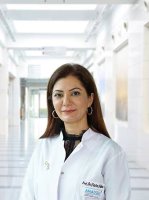
Medically reviewed by
Yesim Yildirim
How it works
What's the Cost of Melanoma Diagnosis and Treatment in Thailand?
Melanoma treatment cost in Thailand typically depends on the clinical stage and required therapeutic approach. A comprehensive diagnosis for skin cancer ranges from $550 / ฿18,700 to $1,300 / ฿44,200, while primary melanoma surgery costs $3,800 / ฿129,200 to $7,200 / ฿244,800. Specialized techniques like Mohs microsurgery run from $1,900 / ฿64,600 to $2,600 / ฿88,400. Patients save approximately 70–80% compared to the US. Top treatment hubs include Bangkok, Phuket, and Chiang Mai.
Typical Melanoma Treatment Costs in Thailand
- Comprehensive diagnosis for skin cancer: $550 / ฿18,700 – $1,300 / ฿44,200
- Consultation with an oncologist: $60 / ฿2,000 – $150 / ฿5,100
- Histopathology revision: $250 / ฿8,500 – $400 / ฿13,600
- BRAF gene mutation test: $280 / ฿9,500 – $420 / ฿14,300
- Extended analysis of blood: $100 / ฿3,400 – $350 / ฿11,900
- Melanoma surgery: $3,800 / ฿129,200 – $7,200 / ฿244,800
- Mohs microsurgery: $1,900 / ฿64,600 – $2,600 / ฿88,400
- Immunotherapy with Keytruda: $3,600 / ฿122,400 – $4,600 / ฿156,400
- Natural Killer cell therapy: Price on request
- Oncothermia: Price on request
Bookimed Expert Insight: Advanced-stage patients benefit most from multidisciplinary care at JCI-accredited centers. Bumrungrad International Hospital is a top-10 global facility utilizing AI and robotic surgery for complex cases. For those seeking integrative support, Panacee Hospital Rama 2 offers specialized NK cell therapy and holistic cellular healthcare. International patients find the best value in Bangkok's high-volume oncology departments where 50% of visitors are from abroad.
| Thailand | Turkey | Austria | |
|---|---|---|---|
| Wide excision of melanoma | ≈ $2,800 / ฿95,200 | from $6,300 / ฿214,200 | ≈ $2,600 / ฿88,400 |
| Topical therapy of melanoma | ≈ $1,800 / ฿61,200 | ≈ $1,800 / ฿61,200 | ≈ $1,800 / ฿61,200 |
| Mohs microsurgery | ≈ $1,900 / ฿64,600 | from $6,500 / ฿221,000 | ≈ $1,500 / ฿51,000 |
| Melanoma surgery | ≈ $3,800 / ฿129,200 | from $3,500 / ฿119,000 | ≈ $3,800 / ฿129,200 |
| Halcyon | ≈ $9,000 / ฿306,000 | ≈ $9,500 / ฿323,000 | ≈ $11,500 / ฿391,000 |
Best Melanoma Treatment Centers in Thailand: 4 Verified Options and Prices






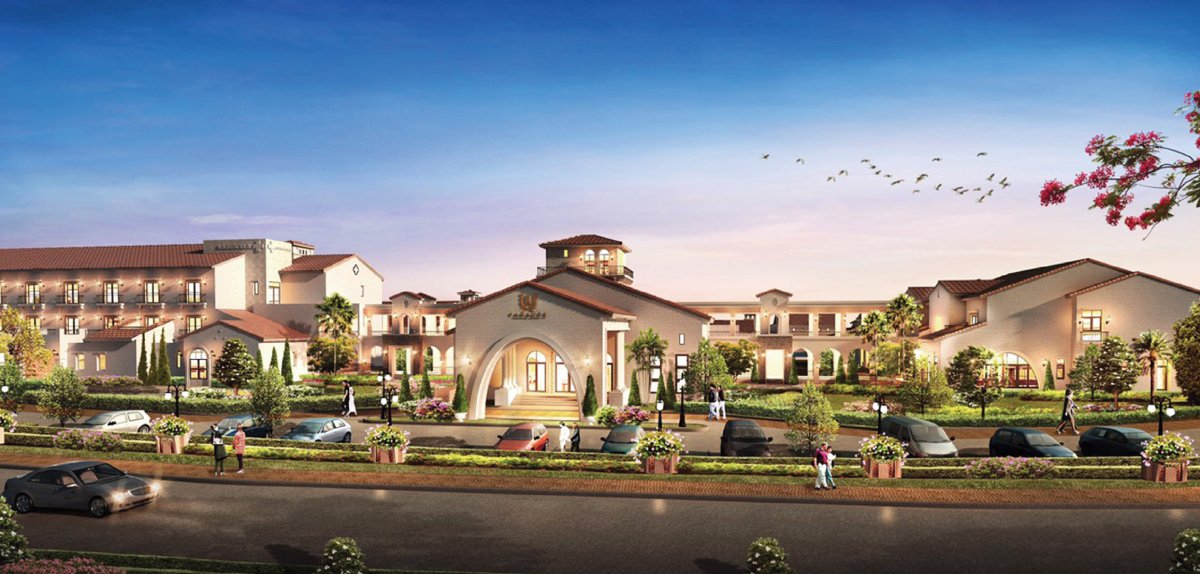
Panacee Hospital Rama 2 - Integrative Chronic Disease & Regenerative Center
Ohm Sudchumphae








Get a Medical Assessment for Melanoma in Thailand: Consult with Experienced Doctors Now
View all Doctors
Yongyut Sirivatanauksorn
Dr. Yongyut Sirivatanauksorn is a surgical oncologist at Bumrungrad International Hospital in Bangkok. He treats cancers of the digestive system, including pancreatic, liver, and stomach cancer. He works at a hospital that treats over 1 million patients annually, holds JCI accreditation, and was named among the World’s Best Hospitals by Newsweek.
- Performs surgeries including liver resection and small intestine resection.
- Treats gastrointestinal malignancies such as gallbladder and colon cancer.
- Works at a center accredited by the Global Healthcare Accreditation Program.
- Specializes in surgery for sigmoid adenocarcinoma and rectal resection.
Ohm Sudchumphae
Dr. Ohm Sudchumphae is a regenerative medicine specialist at Panacee Hospital Rama 2 in Bangkok. He holds a Master’s in Clinical Nutrition and Integrative Medicine. Dr. Ohm is currently pursuing a Doctorate in Psychology. He specializes in combining cell therapy, IV nutrition, and medicinal herbology for chronic conditions.
- Certified by the American Board of Nutritional Wellness.
- Maintains certification as an integrative oncology physician.
- Performs stem cell rejuvenation therapy and ozone therapy for longevity.
- Treats complex cases including cancer rehabilitation and functional gastroenterology.
Related Articles

Is melanoma curable?
Written by Veronika Kazina

Melanoma Treatment Cost Guide: Prices, Best Clinics, What to Expect
Written by Veronika Kazina
Melanoma Treatment Cost Guide: Prices, Best Clinics, What to Expect
Written by undefined undefined
Share this content
Video Stories from Bookimed Patients
 Anna Leonova
Expert Overview about Melanoma Treatment in Thailand
What are the primary melanoma treatment options available in Thailand?
Melanoma treatment in Thailand includes wide local excision, Mohs surgery, and sentinel lymph node biopsy. International centers provide advanced immunotherapy using PD-1 inhibitors like Keytruda. Targeted therapies for BRAF mutations and cell-based options like NK cell therapy are also available. Most hospitals hold JCI accreditation.
- Surgical excision: Surgeons remove the tumor with a 1–2 cm margin of healthy skin.
- Diagnostic staging: Sentinel lymph node biopsy determines if cancer spread to the lymphatic system.
- Systemic therapy: Immunotherapy drugs like Nivolumab boost the immune system to fight cancer cells.
- Targeted options: BRAF and MEK inhibitors target specific genetic mutations within the melanoma tumor.
- Radiation techniques: Stereotactic Body Radiotherapy (SBRT) targets deep tumors while sparing healthy surrounding tissue.
Bookimed Expert Insight: Thailand's infrastructure allows for rapid transitions between diagnosis and treatment. Most JCI-accredited clinics in Bangkok complete molecular testing and staging within 48 hours. This speed is vital for aggressive melanoma cases. Some centers also specialize in combining standard protocols with regenerative NK cell therapies.
Patient Consensus: Patients highlight the speed of diagnostic results compared to their home countries. Many appreciate the thorough explanations provided by oncologists regarding immunotherapy side effects.
Which hospitals in Thailand are recommended for melanoma treatment and what certifications do they hold?
Recommended Thai hospitals for melanoma include Bumrungrad International and Bangkok Hospital. These facilities hold Joint Commission International accreditation for quality. They use advanced diagnostic tools like PET-CT scans. Specialized centers like Wattanosoth Cancer Hospital focus entirely on oncology research and care.
- Bumrungrad International: Holds Global Healthcare Accreditation with Excellence and CAP certifications.
- Bangkok Hospital: Features the dedicated Wattanosoth Cancer Hospital with JCI accreditation.
- Siriraj Piyamaharajkarun Hospital: Part of Mahidol University with Clinical Care Program Certification.
- Intrarat Hospital: Maintains ISO 9001:2015 standards for quality management systems.
Bookimed Expert Insight: Thai oncology centers often house specialized sub-centers for skin cancer. Bumrungrad for example operates the Horizon Regional Cancer Center. This dedicated focus leads to higher patient volumes. Doctors there gain more experience with complex melanoma stages. Choosing these specialized units ensures access to multidisciplinary tumor boards.
Patient Consensus: Patients often mention that the staff and doctors are very professional. They note the facilities are clean and modern. Many appreciate the speed of diagnostic testing in Bangkok hospitals. The personal attention from nurses also stands out in their reviews.
How long does recovery take after melanoma surgery in Thailand, and when can I fly home?
Melanoma recovery in Thailand typically takes 1 to 3 weeks for primary wound healing. Most patients can fly home safely after 7 to 10 days post-surgery. Long-haul travel often requires waiting at least 14 days to minimize blood clot risks. Your surgeon must provide a fit-to-fly certificate.
- Initial rest: Most patients require 2 to 3 days of rest before resuming light activity.
- Suture removal: Doctors usually remove stitches 7 to 14 days after the procedure.
- Flight duration: Short flights are safe after 7 days for minor skin excisions.
- Graft recovery: Procedures involving skin grafts or flaps extend the recovery period significantly.
Bookimed Expert Insight: Thai oncology centers like Bumrungrad or Bangkok Hospital often coordinate multi-specialty reviews within 48 hours. This efficiency helps international patients start recovery sooner. Our data shows that high-volume centers prioritize early mobility for travelers. This focus helps maintain a 95% rate of complication-free departures.
Patient Consensus: Patients note that staying near the clinic for the first week is vital. They often emphasize that managing swelling is the biggest challenge during the flight home.