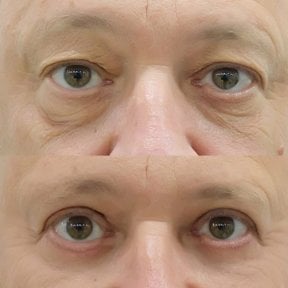
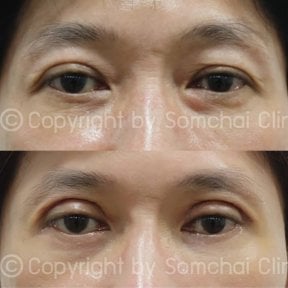
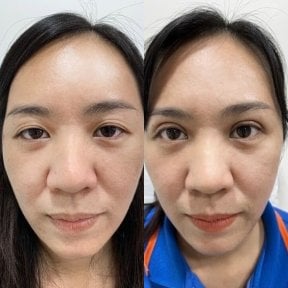
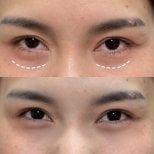
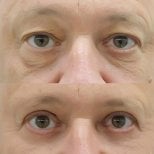
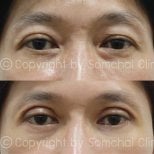
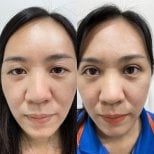
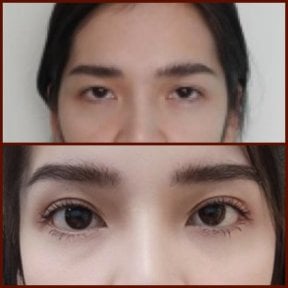
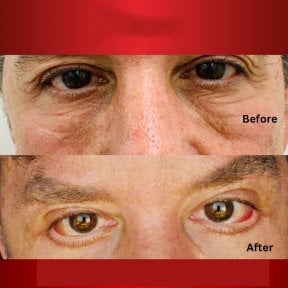
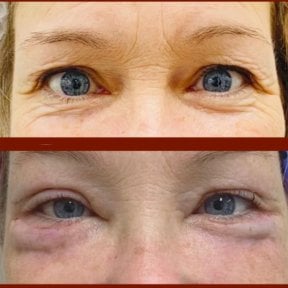
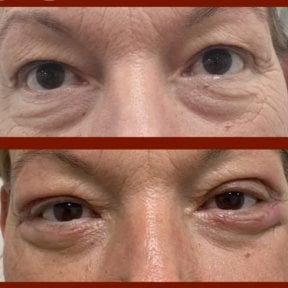
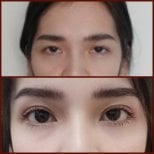
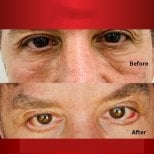
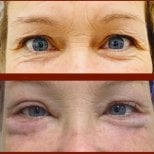
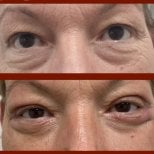
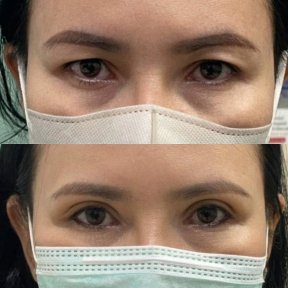
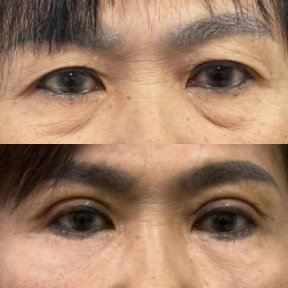
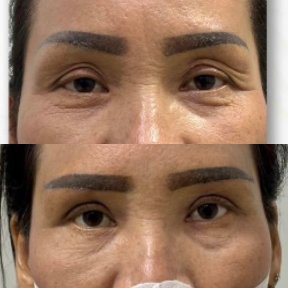
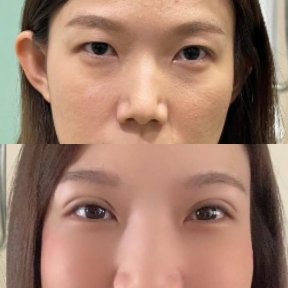
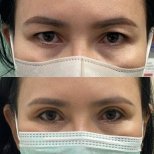
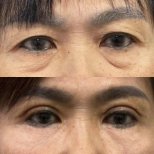
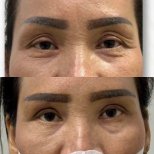
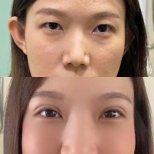
Upper and lower eyelid surgery in Thailand typically costs from $1,900 / ฿64,600 to $3,500 / ฿119,000. The total price depends on the surgical technique, clinic accreditation, and the surgeon's specialized training. In the US, similar procedures cost around $9,300 / ฿316,200 on average. Thailand offers savings of around 71%. Most packages include surgeon fees, local anesthesia, post-operative medications, and follow-up care visits.
Bookimed Expert Insight: Choosing a specialized hospital often provides superior value through integrated safety protocols. For example, Yanhee International Hospital maintains ISO certification since 2000 and treats 450,000 patients annually. While boutique clinics may offer lower prices, JCI-accredited centers like Asia Cosmetic Hospital report a 0% complication rate. This technical reliability ensures long-term results that outweigh initial minor price differences.
| Thailand | Turkey | The USA | |
| Upper and Lower Eyelid Surgery | from $1,855 / ฿63,070 | from $1,800 / ฿61,200 | from $7,500 / ฿255,000 |
As the leading global medical tourism platform, we have a huge responsibility before our clients, both patients and medical centers. All the information provided on Bookimed.com is grounded in research, foresight, and expertise and meets high interest related to the product and follows:
We form our listings of clinics and doctors for Upper and Lower Eyelid Surgery with strict regulations of our smart automatic ranking system. The system is based on real Bookimed patient rates to provide the most objective and transparent information about clinics and medical services there.
Our experienced data scientist collects data daily, monitors and optimizes the ranking system using machine learning and artificial intelligence to ensure that the ranking system is up-to-date and provides accurate results.
We collect the opinions of Bookimed clients only after getting medical experience with the clinic for Upper and Lower Eyelid Surgery, so everyone on the platform can trust the facility they choose. We strive to make the content on our platform as useful as possible and ensure the freedom to express critical opinions. Thus, we publish positive and negative reviews, aiming at being a source for informed decision-making for our future clients.
On Bookimed.com, you may find choice and convenience to find the best medical solutions from top medical services providers for Upper and Lower Eyelid Surgery, just in one place, and often at competitive prices. Making sure to deliver the freshest information, the clinic’s representatives update doctors’ CVs, clinics’ capacities, before-after pictures, prices, packages, and specials by themselves shortly. You may meet the clinic’s representative and check the date of updated content at every clinic’s page to make sure of its trustworthiness.
Our blog and supportive pieces are created by professional authors with at least 3-year experience in medical writing and edited by medical specialists with relevant clinical and research expertise — all carefully recruited to the team. We strive to enhance patient access to health information, making it expert but easy to understand. All pieces follow the Bookimed’s Editorial Guidelines.
We are made of people and for people — and that"s our core value. That"s why all the data presented on the platform is collected, edited, reviewed, and updated regularly by our patients, our partner clinics, and our team, including the Bookimed Medical Advisory Board, which consists of the world-renowned doctors with value expertise over 20 years of practice, and a positive reputation. Learn more about us and our mission.
In case you find any mistake or have any questions on the information presented on Bookimed.com for Upper and Lower Eyelid Surgery in Thailand, please feel free to contact us at marketing@bookimed.com.
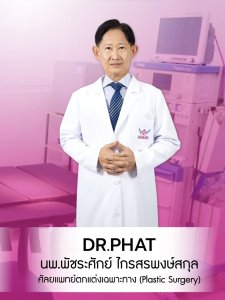
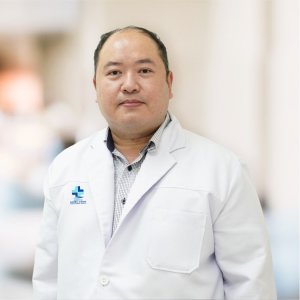
Dr Phatcharasak Kraisornphongsakul Md specializes in upper and lower eyelid surgery at ID Clinic Bangkok.
Dr. Saran Wannachamras brings over 31 years of experience of plastic surgery expertise, with specialized training in the USA and Japan.
Specialized in periorbital rejuvenation at Chulalongkorn University – Dr. Meevassana focuses exclusively on eyelid surgery at Wansiri Hospital.
Dr. Shananya Varophas brings specialized expertise in eyelid surgery as a member of Thailand's top aesthetic and reconstructive surgery societies.
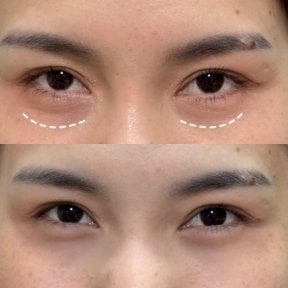
A surgical procedure to enhance both the upper and lower eyelids, addressing droopy lids and under-eye bags.
Plan to stay in Thailand for 7 to 10 days after upper and lower eyelid surgery. This timeframe allows for initial swelling to subside and vital suture removal on day 7. Most surgeons require a final checkup before granting medical clearance for your flight home.
Bookimed Expert Insight: While basic recovery stays emphasize 7 days, Wansiri Hospital and Yanhee International Hospital often suggest 10 to 14 days for international patients. This extra buffer accounts for the high-altitude cabin pressure during long-haul flights, which can exacerbate lingering post-op swelling.
Patient Consensus: Many patients recommend booking return flights for day 10 or later to avoid increased swelling. They also suggest staying near the clinic for the first week to prioritize rest and easy follow-up access.
Verify that your surgeon holds specific board certification from the Society of Plastic and Reconstructive Surgeons of Thailand (ThPRS). Ensure the facility maintains Joint Commission International (JCI) accreditation and ISO certification to guarantee rigorous procedural safety, sterilization protocols, and emergency care standards for eyelid surgery.
Bookimed Expert Insight: While many Thai surgeons are board-certified, elite specialists often hold dual international credentials. For example, some top-tier practitioners at clinics like Wansiri or ID Clinic maintain memberships in the American Society of Plastic Surgeons. These international affiliations often correlate with higher patient satisfaction and lower complication rates in complex periorbital procedures.
Patient Consensus: Patients emphasize the importance of choosing surgeons with Western fellowships and clear communication. They recommend cross-referencing international directories like ISAPS to verify specialist training beyond local Thai requirements.
Blepharoplasty in Thailand is generally safe, but common risks include temporary dry eye, swelling, and bruising lasting 2–4 weeks. Specific complications include asymmetry, overcorrection leading to a hollowed appearance, or lagophthalmos, where the patient cannot fully close their eyes.
Bookimed Expert Insight: Thai clinics like Yanhee International Hospital and Wansiri Hospital serve over 450,000 and 2,000 patients annually, respectively. High-volume centers often utilize specialized oculoplastic surgeons such as Dr. Warangkana Chaivong. Choosing a specialist over a generalist significantly reduces the risk of over-westernization in Asian double-eyelid procedures.
Patient Consensus: Many patients report that initial asymmetry and intense bruising are stressful. Most recommend staying at least 10–14 days for professional suture removal and monitoring before flying.
Patients can typically fly home 7 to 10 days after a combined upper-lower blepharoplasty in Thailand. While initial clearance occurs after suture removal, most surgeons recommend a 14-day buffer for long-haul international travel to manage cabin pressure sensitivity and significant post-operative swelling.
Bookimed Expert Insight: Data from top-tier Bangkok facilities like Yanhee International and Dr. Chen Surgery Hospital shows a trend toward choosing surgeons with specialized Korean or Japanese training. Dr. Chen Chaicharncheep, for instance, utilizes advanced Korean suture techniques that often result in less trauma. Choosing these specialized approaches can potentially reduce the visible bruising that makes patients feel `flight-ready` sooner, though the biological safety window for air pressure remains 7 to 10 days.
Patient Consensus: Many travelers suggest booking return flights for 10 to 14 days post-op. This timeframe ensures bruising has faded enough for public comfort and aligns with conservative Thai medical advice.
You are an ideal candidate for upper and lower blepharoplasty in Thailand if you have sagging upper lids, under-eye bags, and good overall health. Success requires realistic expectations and no severe ocular conditions like glaucoma. Thai surgeons specialize in both aesthetic rejuvenation and functional vision correction.
Bookimed Expert Insight: While many seek low costs, the real advantage in Thailand is specialized volume. Surgeons like Dr. Phatcharasak Kraisornphongsakul at ID Clinic Bangkok have performed over 20,000 procedures. This high repetition often leads to refined techniques for ethnic eye shapes that generalists in the West may lack.
Patient Consensus: Patients with mild to moderate hooding report the highest satisfaction. Most recommend planning 10–14 days for recovery and securing virtual consultations with multiple surgeons to confirm candidacy before flying.
Blepharoplasty scars in Thailand are typically nearly invisible once fully healed because surgeons strategically place incisions within the eyes natural anatomy. Upper eyelid scars sit inside the natural crease, while lower lid incisions occur either inside the eyelid or just below the lash line for concealment.
Bookimed Expert Insight: Thai hospitals like Yanhee and Wansiri serve over 450,000 and 2,000 patients annually, respectively, many seeking eyelid surgery. Data shows that top surgeons like Dr. Chen Chaicharncheep specifically hold advanced Singaporean and Korean certifications in suture and incisional techniques. This specialized training allows for much finer stitches, which is why clinics like Asia Cosmetic Hospital maintain a 0% post-surgery complication rate.
Patient Consensus: Most patients report that while incisions appear red or puffy around 4–6 weeks, they see dramatic improvement by month 3. Real-world feedback confirms that when hidden in natural creases, these scars become barely noticeable or hairline-thin within a year.
Typical medical tourism packages for blepharoplasty in Thailand bundle surgical fees, local or general anesthesia, and essential pre-operative screenings. These comprehensive deals often include 1–2 nights of hospitalization in world-class facilities like Yanhee International Hospital or Asia Cosmetic Hospital to ensure patient safety.
Bookimed Expert Insight: While lower-tier deals focus only on surgery, high-volume centers like Yanhee International Hospital integrate long-standing ISO certifications into their standard care. Our data shows that top-rated surgeons, such respectively as Dr. Chen Chaicharncheep, often include specialized Korean incisional techniques. Choosing these established hospitals usually guarantees 24/7 nursing access during your first 48 hours post-op.
Patient Consensus: Patients value how nurses provide gentle, personalized care during recovery. Many recommend budgeting an extra 20% for unexpected needs like compression gear or extended hotel stays if swelling persists.
Bangkok and Phuket are Thailand's premier hubs for eyelid surgery, featuring JCI-accredited hospitals and specialized boutique clinics. Top-tier facilities like Yanhee International Hospital and ID Clinic Bangkok offer advanced incisional and suture techniques. Surgeons often hold international certifications and specialized Korean-style training.
Bookimed Expert Insight: Data shows a clear trend where patients seeking natural results prioritize Bangkok over resort areas. While Phuket offers recovery in a vacation setting, Bangkok clinics like Asia Cosmetic Hospital maintain lower complication rates. This is likely due to their higher annual volume of over 2,500 patients.
Patient Consensus: Many patients emphasize choosing surgeons with specific oculoplastic training for Asian double-eyelid surgery. They frequently report that the gentle care from nursing staff in Bangkok significantly eases the 10–14 day recovery period.