Pectoral Implants in Antalya — get 3 top clinic matches with costs

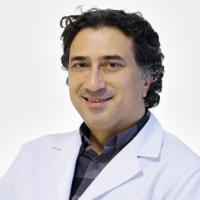
Medically reviewed by
Ergin Er
How it works
How Much Does Pectoral Implants Cost in Antalya?
Pectoral implants in Antalya typically cost from $3,000 to $4,600. Pricing depends on the specific implant material, surgeon experience, and the clinic's facility tier. Antalya generally offers more competitive pricing than Istanbul for aesthetic body contouring. Patients save around 48% compared to the US, where this procedure costs $9,300 on average. Most packages include surgery, anesthesia, hotel stays, and VIP transfers.
- Hospital fees: Covers staying in a JCI-accredited facility for one or two nights.
- Implant type: Uses silicone or cohesive gel implants tailored to the patient's anatomy.
- Post-operative care: Includes follow-up visits, medications, and a specialized compression garment for recovery.
- Logistical services: Features airport-to-clinic transportation and accommodation in four or five-star hotels.
Bookimed Expert Insight: Antalya stands out for its high concentration of surgeons specializing in complex reconstructive and aesthetic medicine compared to other Turkish hubs. The city provides exceptional value for patients seeking specialized body contouring techniques like stem cell-assisted pectoral enhancement. Dr. Hakan Ölmeztürk and Professor Cemal Firat offer significant expertise at clinics like Memorial Antalya Hospital. These facilities maintain JCI accreditation, ensuring safety standards equal to top US hospitals at a much lower cost.
| Antalya | The UK | The USA | |
|---|---|---|---|
| Pectoral Implants | from $3,000 | from $8,000 | from $6,000 |
Best Pectoral Implants Clinics in Antalya: 4 Verified Options and Prices





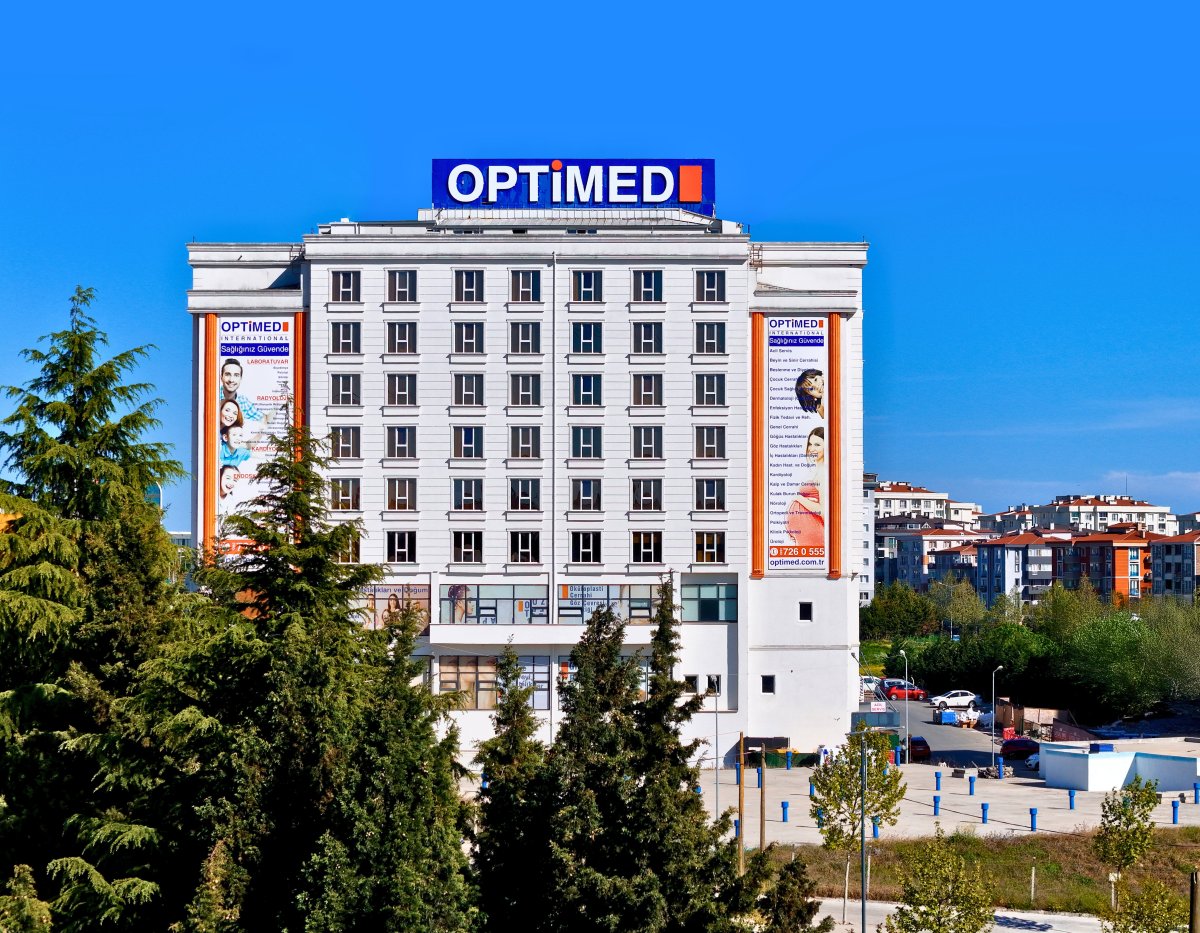

Estemita Aesthetics Clinic of Dr. Hakan Ölmeztürk
Hakan Ölmeztürk

Pectoral Implants Overview in Turkey
- Pectoral Implants - from $2,400This operation enhances the chest area"s size and shape with synthetic materials, offering men a more muscular look.
- Male Breast Augmentation - from $2,500This operation enhances men"s chest size, using implants or fat transfer, for a fuller, more masculine look.
Day 1
- Arrive in the country and check into your accommodation.
- Visit the clinic for a consultation with the plastic surgeon.
Day 2
- Undergo medical tests such as blood tests and ECG.
- Meet with an anesthesiologist for evaluation.
Day 3
- Start fasting from midnight for surgery next day.
Day 4
- Arrive at the clinic in the morning for surgery.
- Undergo general anesthesia for the procedure.
- Surgery takes 1-2 hours, with incisions under the armpits.
- Implants are inserted beneath the pectoralis major muscle.
Day 5
- Remain in the clinic for post-operative care and monitoring.
Day 6
- Discharge from the clinic with prescriptions and instructions.
Week 1-2
- Rest and recover at your accommodation, avoiding exercise.
- Attend follow-up appointments for suture removal and checkups.
Week 3-4
- Gradually resume light activities and non-strenuous work.
Week 5-6
- Resume moderate exercise and activities, avoiding chest strain.
Week 7-8
- Resume all normal activities and strenuous exercise.
- Observe the final result of the pectoral implants.
Please note that this is a general timeline and individual recovery may vary.
- Bookimed deposit: $200 or €200.
- Clinic deposit: Pay a set percentage in advance.
Our Doctors
View all Doctors
Cemal Firat
Prof. Firat specializes in aesthetic and reconstructive surgery at Medical Park Antalya Hospital Complex, with extensive expertise in pectoral implants.
- Professor of Plastic and Reconstructive Surgery at Inonu University
- Specializes in microsurgery and nerve injury reconstruction
- Published research on advanced surgical techniques
- Expert in both aesthetic and reconstructive procedures
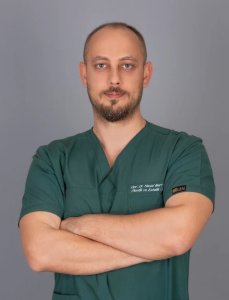
Hasbi Meral
Dr. Hasbi Meral has performed 2,000+ successful plastic surgeries at his practice in Antalya. He is a Fellow of the European Board of Plastic, Reconstructive and Aesthetic Surgery (EBOPRAS). This certification signifies his adherence to high European surgical standards. Dr. Meral specializes in facial rejuvenation, complex rhinoplasty, and body contouring.
- Board-certified by the Turkish Society of Plastic, Reconstructive and Aesthetic Surgeons.
- Holds a specialized certification in reconstructive microsurgery.
- Expertise includes mommy makeovers, breast surgery, and reconstructive surgery for burns.
- Practices at Mert Meral Plastic Surgery, an ESAPS-accredited facility in Turkey.
Hakan Ölmeztürk
Dr. Hakan Ölmeztürk is a globally recognized expert in aesthetic procedures, including pectoral implants, at his own Estemita Aesthetics Clinic.
- Specializes in mammoplasty, liposuction, and rhinoplasty
- Founder of Estemita Aesthetics Clinic in Turkey
- Highly rated by patients for mommy makeover procedures

Dilek Demirez
Dr. Dilek Demirez has performed over 3,500 plastic and reconstructive surgeries. She practices at Memorial Antalya Hospital in Turkey. Her work focuses on rhinoplasty, breast surgery, and abdominoplasty. Dr. Demirez is an Assistant Professor at Abant İzzet Baysal University.
- Specializes in microsurgery and experimental surgical methods.
- Treats patients at a JCI-accredited facility for safety and quality.
- Completed surgical training at Ankara Numune Training and Research Hospital.
- Served as a researcher in plastic and reconstructive surgery clinics.
Reviews about Bookimed: Discover Patients' Insights
All reviews







Share this content
 Anna Leonova

FAQ about treatment in Turkey
Why is Antalya a popular destination for pectoral implant surgery?
Antalya is a leading hub for pectoral implants. The city has a high number of JCI-accredited hospitals and surgeons with European Board of Plastic Surgery (EBOPRAS) certifications. The city combines high-volume surgical expertise with all-inclusive recovery packages. These packages often cost significantly less than Western European or North American equivalents.
- Specialized expertise: Surgeons like Hasbi Meral have performed over 2,000 successful procedures, using modern techniques.
- Accredited facilities: Clinics like Memorial Antalya Hospital maintain JCI standards, serving 1.6 million patients annually.
- Comprehensive packages: Packages often bundle Polytech implants, 5-star accommodation, VIP transfers, and local sightseeing tours.
- Recovery environment: Mediterranean coastal clinics provide a relaxing setting that helps manage initial postoperative tightness.
Bookimed Expert Insight: Many clinics offer general body contouring. However, top Antalya clinics stand out with high-tech infrastructure like in-house exosome therapy labs. Data shows that established hospitals often include 24/7 nursing support and lifetime follow-up. These are vital for niche procedures, because muscle separation and implant placement require precise long-term monitoring.
Patient Consensus: Patients emphasize negotiating a final price that explicitly includes gynecomastia fat removal and compression garments. This helps avoid last-minute costs. The first 2 weeks involve significant nerve pain and limited movement. Dependable postoperative assistance and pre-verified hotel quality are crucial for a smooth recovery.
How long do I need to stay in Antalya for pectoral implant surgery and aftercare?
Pectoral implant surgery in Antalya requires a stay of 7 to 10 days for safe recovery. This time gives you space for initial healing, drain removal, and essential post-operative follow-ups. JCI-accredited facilities like Memorial Antalya Hospital handle these steps before clearing you to fly home.
- Arrival phase: Arrive 1–2 days early for blood tests and physical consultations with your surgeon.
- Surgery day: The procedure lasts 1–2 hours under general anesthesia with brief hospital recovery.
- Initial recovery: Spend 48–72 hours resting to manage peak swelling and localized chest tightness.
- Follow-up care: Return to the clinic on Day 5 for dressing changes and drain removal.
Bookimed Expert Insight: Seven days is the standard minimum, but staying for 10 days is smarter for pectoral implants. Surgeons like Hasbi Meral have done over 2,000 surgeries. They often use specific Polytech implants that require precise early monitoring. Extending your stay makes sure any fluid buildup is managed on-site. Cabin pressure during flights can aggravate fresh muscular incisions.
Patient Consensus: Patients emphasize that you may feel mobile after 4 days. However, you must not lift luggage. Pre-arranging airport assistance is vital, as overhead compartments are off-limits for several weeks.
What are pectoral implants and who is a good candidate for the procedure in Antalya?
Pectoral implants are silicone elastomer devices. They are surgically placed beneath or over the chest muscle to enhance masculine contour. Ideal candidates in Antalya include men with genetic muscle deficiencies. They also include those with chest asymmetry like Poland Syndrome or structural defects from trauma. All candidates must maintain good overall health.
- Procedure technique: Surgeons use under-muscle or over-muscle placement to achieve defined, muscular chest proportions.
- Candidate profile: Men who have reached fitness plateaus or struggle with congenital chest wall underdevelopment.
- Recovery timeline: Patients must avoid heavy lifting for 6 weeks and chest exercises for months.
- Facility standards: Clinics like Memorial Antalya Hospital maintain Joint Commission International accreditation for surgical safety.
Bookimed Expert Insight: Many patients seek implants for pure aesthetics. However, Antalya's top surgeons often manage complex reconstructive cases. Doctors like Hasbi Meral have performed over 2,000 surgeries. They emphasize that submuscular placement offers the most natural look. High-volume clinics note that patients returning to heavy training should discuss permanent exercise restrictions. This conversation should take place during the initial consultation.
Patient Consensus: Patients often note that results take several months to settle. Initial swelling can distort the final shape. Patients emphasize confirming whether fat removal is included in the package price. This helps achieve a seamless contour.