Stereotaxic surgeries in Istanbul — get 3 personalized clinic matches


Medically reviewed by
Fahad Mawlood
How it works
How Much Does Stereotaxic surgeries Cost in Istanbul?
Stereotaxic surgeries in Istanbul typically cost from $6,000. The final price depends on the specific neurosurgical technique, the complexity of the brain condition, and the technology used. Patients save around 83% compared to the US, where similar procedures cost $43,000 on average. Standard packages in Istanbul often include specialized brain MRI scans, post-operative CT imaging, and hospital stays.
- Technological premium: Precision systems like CyberKnife or Gamma Knife typically add 20-30% to the base cost.
- Biopsy procedures: Framed or frameless techniques for diagnostic tissue sampling are usually the most affordable option.
- Functional neurosurgery: Complex procedures such as deep brain stimulation for Parkinson's require specialized programming and hardware.
- Surgical expertise: Fees often increase when performed by professors with international fellowships at institutions like Johns Hopkins or Yale.
Bookimed Expert Insight: Istanbul is Turkey's primary hub for neurosurgical innovation, concentrating more JCI-accredited facilities than any other Turkish city. Many clinics, such as Anadolu Medical Center and Medipol Mega, utilize their affiliation with top US hospitals to offer high-precision technologies like CyberKnife. For instance, Hisar Hospital Intercontinental provides packages led by neurosurgeons with decades of experience, ensuring surgical depth that matches international benchmarks.
| Istanbul | Austria | Spain | |
|---|---|---|---|
| Stereotaxic surgeries | from $6,000 | ≈ $11,500 | from $13,700 |
Best Stereotaxic surgeries Clinics in Istanbul: 15 Verified Options and Prices
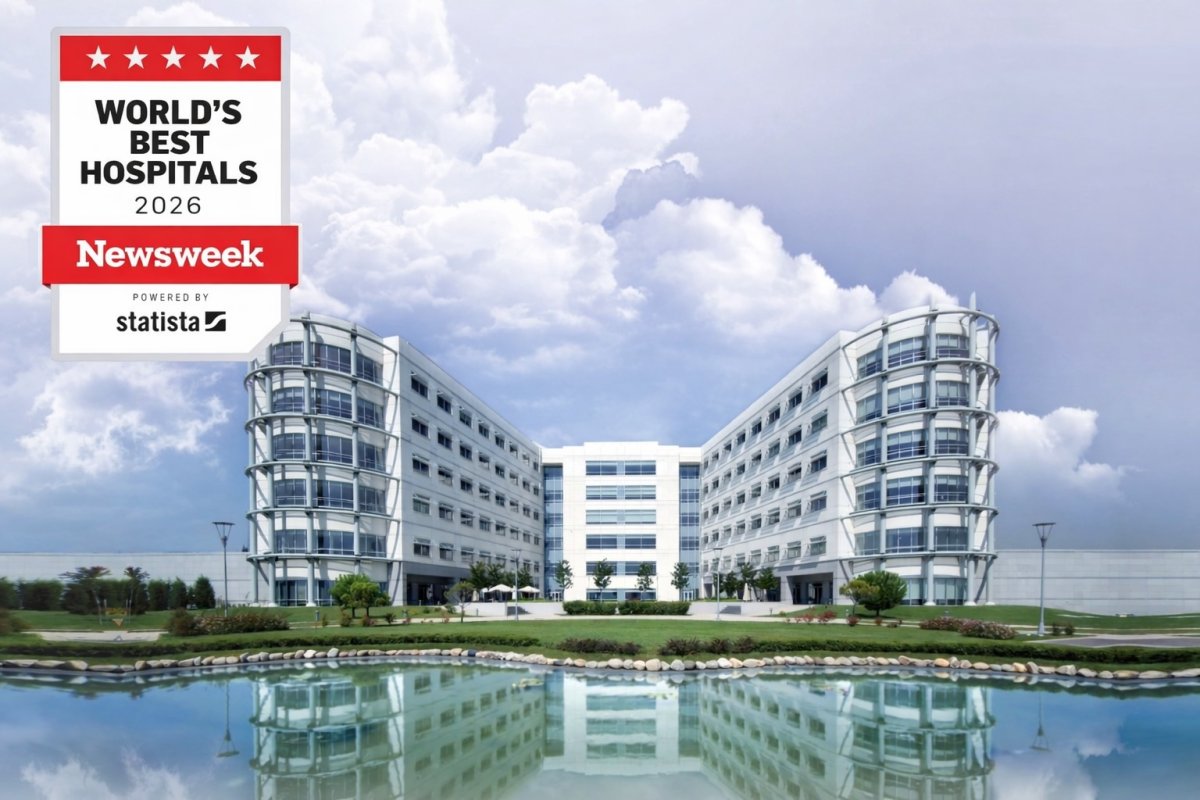







Hisar Hospital Intercontinental
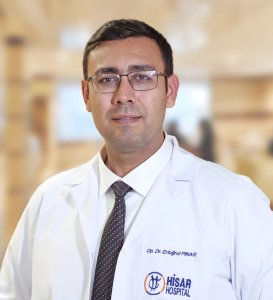
Ertugrul Pinar








Medipol University Parkinson’s and Movement Disorders Center (PARMER)
Mehmet Tonge




Stereotaxic surgeries Overview in Turkey
- Brain tumor removal - from $8,000The surgery extracts harmful growths in the brain, enhancing patient health and reducing symptoms like headaches or seizures.
- Transnasal resection of tumor - from $8,000This operation removes tumors via the nose, reducing recovery time and minimizing surgical scars.
- Stereotaxic surgeries - from $6,000The procedure uses precise coordinates to operate in small brain areas, enhancing accuracy and reducing complications.
- Removal of meningioma - from $9,000The operation aims at surgically eliminating a benign brain tumor, enhancing neurological function and reducing symptoms.
- Resection of glioma - from $10,200The operation removes brain tumors, enhancing patient survival and reducing symptoms, with accuracy and minimal harm.
- Resection of glioblastoma - from $22,000Removal of a malignant brain tumor to control symptoms and prolong life.
- Excision of skull base tumor - from $9,000The procedure removes growths near the skull"s bottom, using surgical techniques, improving patient health and lifespan.
- Pituitary tumor surgery - from $8,000This procedure removes tumors located at the base of the brain, improving quality of life and reducing symptoms.
- Brain tumor surgery - from $12,000Surgery to remove benign or malignant brain neoplasms to stop or control their growth.
- Surgical removal of the brain cyst - from $8,000The procedure aims to remove brain cysts, enhancing patients" life quality by relieving symptoms and preventing complications.
- Brain Tumor Embolization - from $8,000The procedure obstructs blood flow to brain tumors, hindering growth, making removal safer and easier.
Day 1
- Arrival in the country.
- Transfer from the airport to the hotel.
Day 2
- Consultation with a neurosurgeon.
- Undergoing Head MRI.
Day 3
- Pre-operation preparation.
- Consultation with an anesthesiologist.
Day 4
- Stereotaxic surgery, lasting 2-6 hours.
- Post-operation observation in the clinic.
Day 5
- Post-operative recovery in the clinic.
- Transfer to the hotel for further recovery.
Week 1-2
- Recovery at the hotel with regular check-ups.
- Gradual return to light daily activities.
Week 3-4
- Continued recovery with increasing activity.
- Return to work if approved by doctor.
Week 5-6
- Gradual return to sports and other strenuous activities.
- Final results become apparent.
Please note that this is a general guide and individual experiences may vary.
- Bookimed deposit: $200 or €200.
- Clinic deposit: Pay a set percentage in advance.
Our Trusted Doctors
View all DoctorsErtugrul Pinar
Dr. Ertugrul Pinar is a neurosurgeon at Hisar Hospital Intercontinental in Istanbul. He treats adult and pediatric patients with complex brain and spine diseases. Dr. Pinar focuses on brain tumors, vascular aneurysms, and skull base pathologies. He works at a JCI-accredited hospital that serves over 500,000 patients annually.
- Performs specialized procedures including transnasal tumor resection and brain aneurysm repair.
- Treats a wide range of conditions like pituitary adenomas and arteriovenous malformations.
- Expertise covers both surgical oncology and reconstructive spine surgery for herniated disks.
- Provides care for pediatric neurosurgical cases including hydrocephalus and shunt surgeries.
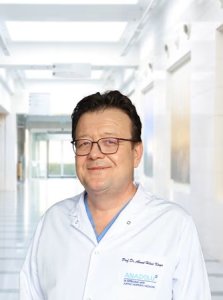
Ahmet Hilmi Kaya
Prof. Dr. Ahmet Hilmi Kaya specializes in functional and stereotactic neurosurgery at Anadolu Medical Center, with extensive research in Parkinson's and movement disorders.
- Professor of Neurosurgery with decades of experience
- Expert in deep brain stimulation and stereotactic biopsy
- Awarded for research by the Turkish Neurosurgery Society
- Supervised medical theses on brain metabolic activity
Mehmet Tonge
Specializes in Stereotactic & Functional Neurosurgery with 32 publications and 92 presentations focused on advanced techniques.
- Performs MR Guided Focused Ultrasound (MRgFUS) for precise treatment
- Completed Deep Brain Stimulation Fellowship at Maastricht University
- Board member of Turkish Neurosurgical Society's Stereotactic Section
- Active member of World and European Stereotactic Neurosurgery Societies

Ersoy Kocabicak
Prof. Ersoy Kocabicak specializes in stereotactic and functional neurosurgery, with over 30 years of experience in deep brain stimulation (DBS) and neuromodulation at Atlas University Hospital.
- Trained in neurosurgery at Ondokuz Mayıs University and Maastricht University
- Founding member of the International Deep Brain Stimulation Association
- Published 46 international articles on neuromodulation and Parkinson's disease
- Committee member of the European Association of Neurosurgery (EANS)
Reviews about Bookimed: Discover Patients' Insights
All reviews


Share this content
 Anna Leonova

FAQ about treatment in Turkey
Which hospitals in Istanbul are recognized for stereotaxic (stereotactic) surgeries?
Which conditions are commonly treated using stereotaxic (stereotactic) techniques in Istanbul clinics?
Istanbul clinics use stereotaxic techniques to treat malignant brain tumors, Parkinson disease, and essential tremors. Leading centers like Anadolu Medical Center and Medipol Mega University Hospital use Gamma Knife and CyberKnife radiosurgery. These techniques target deep-seated intracranial lesions with sub-millimeter precision, without open surgery.
- Neurological disorders: Targeting movement disorders like Parkinson disease and dystonia with deep brain stimulation.
- Oncological conditions: Treating primary gliomas, meningiomas, and brain metastases using non-invasive radiosurgery techniques.
- Vascular abnormalities: Addressing complex arteriovenous malformations and cavernomas through targeted stereotactic radiation.
- Functional conditions: Relieving severe trigeminal neuralgia and managing medically refractory epilepsy with precise mapping.
Bookimed Expert Insight: Istanbul stands out with high-volume centers like Medipol Mega, which serves over 1,000,000 patients annually. This scale lets clinics offer specialized approaches like microelectrode recording-guided DBS. This precise mapping improves electrode placement accuracy for movement disorders, and it's often missing in smaller clinics.
Patient Consensus: Patients highlight that results depend more on the specific surgeon than the city itself. They recommend choosing clinics that provide detailed pre-operative diagnostic workups and clear recovery timelines.
What does an all-inclusive medical tourism package for stereotaxic (stereotactic) procedures in Istanbul typically cover?
All-inclusive stereotaxic packages in Istanbul typically cover the core surgical procedure. They also include pre-operative mapping with contrast-enhanced MRI and JCI-accredited hospital stays. These bundles also include logistical support: VIP airport-to-clinic transfers, language interpretation, and multi-disciplinary treatment planning. Neurosurgeons and radiation oncologists handle the treatment planning.
- Medical diagnostics: High-resolution brain MRI, CT scans, and frozen pathology for biopsies.
- Surgical intervention: Gamma Knife, CyberKnife, or frame-based protocols, plus anesthesia fees.
- Hospital stay: 1-2 nights of specialized nursing care and ICU monitoring.
- Patient concierge: Airport-to-hotel-to-clinic shuttles and personal coordinators for international paperwork.
Bookimed Expert Insight: A key differentiator in Istanbul: specialized centers perform a high volume of stereotaxic procedures. These include Anadolu Medical Center and Medipol Mega. Our data shows that packages often include diagnostic tools like 3 Tesla MRI or PET-CT. These tools are crucial for the sub-millimeter precision that radiosurgery requires. Clinics affiliated with institutions like Johns Hopkins follow international safety protocols.
Patient Consensus: Patients value the coordination of airport pickups and translator support. This reduces the stress of navigating a foreign healthcare system. However, patients recommend requesting a line-by-line list of inclusions. This helps confirm if follow-up medications and hotel stays are fully covered.
How are stereotaxic (stereotactic) surgeries applied in Istanbul?
Stereotactic surgeries in Istanbul use high-precision 3D mapping and computer-assisted navigation. These techniques allow neurosurgeons to perform procedures like Deep Brain Stimulation (DBS) and radiosurgery. These minimally invasive techniques treat Parkinson’s disease, brain tumors, and epilepsy. JCI-accredited centers offer them using Gamma Knife and CyberKnife technologies.
- Functional neurosurgery: Placement of microelectrodes with sub-millimeter accuracy for movement disorders, using rigid frames or frameless navigation.
- Radiosurgery platforms: Non-invasive tumor destruction using focused radiation beams from Gamma Knife Icon systems.
- Diagnostic biopsies: Precise tissue extraction through small burr holes guided by contrast-enhanced MRI.
- Specialized technology: Use of MR-guided focused ultrasound (MRgFUS) and 3 Tesla MRI imaging.
Bookimed Expert Insight: Istanbul hospitals like Medipol Mega and Anadolu Medical Center serve over 65,000 patients annually. This creates a busy environment where surgeons often perform 800+ neuromodulation procedures. That high volume allows clinics to offer specialized packages. For example, stereotactic biopsies start at $3,200 and include pathology and contrast imaging.
Patient Consensus: Patients find recovery less dramatic than expected. It often involves only minor forehead marks from frame fixation. Travelers recommend verifying the specific imaging guidance and fixation method used before booking surgery.