Stereotaxic radiosurgery in Istanbul — get 3 personalized clinic matches


Medically reviewed by
Yesim Yildirim
How it works
How Much Does Stereotaxic radiosurgery Cost in Istanbul?
Stereotaxic radiosurgery in Istanbul typically costs from $4,500 to $7,200. The final price varies based on the technology used, such as Gamma Knife or CyberKnife, and the total number of sessions required. Patients save around 80% compared to the US, where this procedure costs $30,000 on average. Standard inclusions in Istanbul usually cover specialist consultations, diagnostic imaging for treatment planning, and local transfers.
- Technological variations: Robotic-assisted systems like CyberKnife typically add a 20-30% premium over traditional systems.
- Case complexity: Highly complex neurological or vascular cases can increase the final treatment price.
- Clinical tiers: Accredited academic medical centers may charge more for specialized multidisciplinary care teams.
- Treatment sessions: Costs are influenced by whether the protocol requires a single session or multi-fraction delivery.
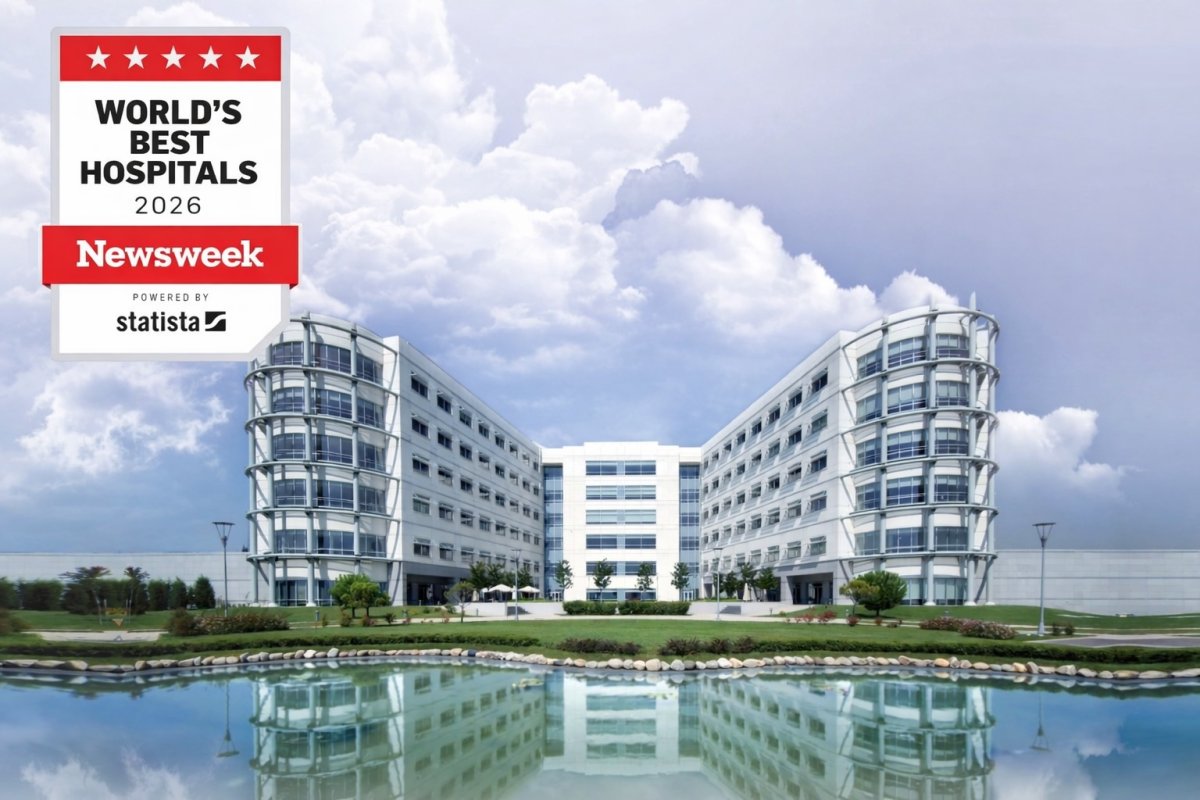
Bookimed Expert Insight: Istanbul is Turkey's primary hub for advanced radiation oncology, concentrating more robotic systems than any other Turkish city. The city offers a unique value-cost ratio where patients access American treatment standards through prestigious affiliations. For instance, Anadolu Medical Center is affiliated with Johns Hopkins Hospital and utilizes specialized technologies like MR Linac and CyberKnife. Expert oncologists like Dr. Esra Kaytan Saglam provide decades of specialized radiosurgery experience at JCI-accredited facilities.
| Istanbul | Austria | Spain | |
|---|---|---|---|
| Stereotaxic radiosurgery | from $4,500 | ≈ $9,500 | from $13,500 |
Best Stereotaxic radiosurgery Clinics in Istanbul: 16 Verified Options and Prices


Anadolu Medical Center
Serdar Turhal














Hisar Hospital Intercontinental
Mustafa Solak











Stereotaxic radiosurgery Overview in Turkey
- Radiotherapy - from $2,000This therapy uses high-energy waves to destroy cancer cells, providing a non-surgical treatment with few side effects.
- Stereotaxic radiosurgery - from $4,500This therapy targets tumors with precise radiation, avoiding damage to surrounding tissues.
- Tomotherapy - from $8,400This therapy is a cutting-edge radiation treatment, precisely targeting tumors while reducing harm to nearby healthy tissue.
- Radiosurgery of a brain tumor - from $5,000This therapy selectively targets brain tumors, using precise radiation to eliminate cells while sparing surrounding tissue.
- Radiation therapy for colorectal cancer - from $6,000This procedure uses high-energy rays to destroy colorectal cancer cells, an effective and targeted treatment method.
- Radiation therapy for brain tumor - from $3,300This therapy aims to destroy brain tumors using high-energy rays, reducing symptoms and improving survival rates.
- Radiotherapy for throat cancer - from $6,000This therapy aims to destroy throat cancer cells using high-energy radiation, improving survival and symptom control.
- Radiotherapy for prostate cancer - from $8,000This therapy targets prostate tumors with radiation, annihilating cancer cells while preserving healthy tissue.
- Radiotherapy for lung cancer - from $4,000This therapy aims to kill cancer cells in the lungs using high-energy x-rays.
- Radiotherapy for breast cancer - from $4,000This therapy aims to eliminate cancer cells in the breast using controlled radiation.
- Radiotherapy for uterine cancer - from $6,000This therapy targets damaging uterine cancer cells, involving multiple sessions of radiation, often resulting in high success rates.
- Radiotherapy for cervical cancer - from $3,300A non-invasive procedure uses high-energy beams to destroy cervical cancer cells.
- Radiation therapy for stomach cancer - from $3,600This therapy kills stomach cancer cells using high-energy rays, offering a targeted, non-surgical treatment option.
- Radiation therapy for kidney cancer - from $6,000This therapy uses high-energy rays to destruct kidney cancer cells, providing a non-surgical, targeted treatment option.
- Radiation therapy for esophageal carcinoma - from $6,000This therapy targets esophageal cancer cells with high-energy rays, destroying them while sparing healthy tissues.
- Radiation therapy for ovarian cancer - from $6,000The therapy uses high-energy rays to destroy cancer cells, targeting only the ovaries, thus minimizing side effects.
- Radiation Therapy for Sarcomas - from $4,000This therapy targets and destroys sarcoma cells, using controlled radiation, preserving surrounding tissue, for effective, non-invasive treatment.
- Radiation therapy for Brain Tumor - from $5,000This therapy uses high-energy rays to destroy or shrink malignant cells, sparing healthy brain tissue.
- Radioembolization for liver cancer - from $23,000This therapy uses tiny radioactive beads to block and kill cancer in the liver, providing focused treatment with fewer side effects.
- Xofigo Radium-223 - from $10,000This therapy involves radioactive injections to treat prostate cancer, targeting bone metastases.
Day 1
- Arrival in the country.
- Transfer to the hotel from the airport.
Day 2
- Transfer from hotel to clinic.
- Consultation with specialists.
- Complete blood count with cancer markers test.
- Proteinogram test.
Day 3
- Preparation for Stereotaxic radiosurgery.
- Procedure specifics explained.
Day 4
- Stereotaxic radiosurgery procedure, lasts 1-4 hours.
- Local anesthesia is used.
- Transfer back to the hotel after the procedure.
Day 5-7
- Rest and recovery at the hotel.
- Language assistance provided for non-native speakers.
Week 2
- Follow-up consultation with specialists.
- Patient is discharged.
- Transfer to the airport.
Please note that this is a general guide and individual cases may vary.
- Bookimed deposit: $200 or €200.
- Clinic deposit: Pay a set percentage in advance.
Our Trusted Doctors
View all DoctorsSerdar Turhal
Dr. Serdar Turhal is a highly experienced oncologist specializing in medical oncology and chemotherapy for breast cancer at Anadolu Medical Center. He is a member of many international oncology associations and has authored numerous articles in international publications. He specializes in prognostic factors and the therapy of malignant gastrointestinal neoplasms. To receive a consultation from Dr. Turhal, please submit a request on Bookimed.

Banu Atalar
Professor Banu Atalar specialized in stereotactic radiosurgery at Stanford University, focusing on CNS, thoracic, and GI tumors. 75% of her practice involves MR-guided adaptive SRS.
- Trained under pioneers Dr. John Adler and Dr. Scott Soltys at Stanford
- President of Turkish Society for Radiation Oncology (2025-2027)
- 72 peer-reviewed publications on advanced radiosurgery techniques
- Organized international symposia on rare cancer treatments
- Honorary Fellow of American College of Radiology

Ahmet Hilmi Kaya
Prof. Dr. Ahmet Hilmi Kaya specializes in stereotaxic radiosurgery at Anadolu Medical Center, bringing decades of neurosurgical expertise.
- Professor of Neurosurgery with extensive training in functional neurosurgery
- Expert in spinal tumors and cranial base surgery
- Multiple awards from the Turkish Neurosurgery Society
- Active in neurosurgical research and medical thesis supervision

Mehmet Tonge
Dr. Mehmet Tonge specializes in stereotactic radiosurgery at Medipol University's PARMER Center, with extensive research and clinical focus on advanced neurosurgical techniques.
- 32 publications on stereotactic and functional neurosurgery
- Trained at Zurich University Hospital in microneurosurgery and interventional neuroradiology
- Board member of the Turkish Neurosurgical Society's Stereotactic & Functional Section
- Member of the International Stereotactic Radiosurgery Society
Reviews about Bookimed: Discover Patients' Insights
All reviewsShare this content
 Anna Leonova

FAQ about treatment in Turkey
How can I evaluate and choose the right clinic or doctor for stereotaxic radiosurgery in Istanbul?
To find the right stereotaxic radiosurgery clinic in Istanbul, verify JCI accreditation and the technology. Look for Gamma Knife or CyberKnife. You also need a multidisciplinary team with a neurosurgeon and radiation oncologist. They should have experience with cases like yours.
- Technology verification: Confirm the clinic uses Gamma Knife, CyberKnife, or TrueBeam STx for sub-millimeter precision.
- Medical accreditation: Look for Joint Commission International (JCI) or TEMOS certifications to confirm global safety.
- Doctor credentials: Focus on specialists like Dr. Kaya, who have over 90 international peer-reviewed publications.
- Department specialization: Select facilities with dedicated neuro-oncology units that use 3T MRI imaging.
Bookimed Expert Insight: Our data shows high-volume centers like Memorial Şişli Hospital serve over 1,300 patients through Bookimed alone. Clinics like Anadolu Medical Center maintain affiliations with Johns Hopkins Medicine to standardize protocols. Always ask if the clinic uses a multidisciplinary tumor board to review your specific diagnosis.
Patient Consensus: Patients say a dedicated coordinator is important for medical file transfers and translation. Check the follow-up plan for post-treatment MRI reviews before traveling home.
Why is Istanbul a popular destination for stereotaxic radiosurgery?
Istanbul is a premier global hub for stereotaxic radiosurgery. It has a high concentration of JCI-accredited hospitals equipped with Gamma Knife, CyberKnife, and MR Linac technologies. Patients choose the city for internationally trained neurosurgeons and high clinical volumes. They also benefit from neuro-imaging at specialized oncology centers.
- Advanced technology: Facilities offer Gamma Knife Leksell, CyberKnife Accuray, and MR-guided adaptive TrueBeam systems.
- Expert credentials: Surgeons include Stanford-trained specialists and presidents of the Turkish Society for Radiation Oncology.
- Clinical experience: Clinics like Anadolu Medical Center are affiliated with Johns Hopkins Medicine (USA).
- International support: Packages typically include VIP airport transfers, multilingual coordinators, and 4-star hotel accommodations.
Bookimed Expert Insight: Most clinics focus on Gamma Knife. However, clinics like Anadolu Medical Center and Memorial Göztepe offer MR Linac. MR Linac provides real-time MRI guidance during radiation. Doctors can adjust doses instantly if a tumor moves. If a tumor is near a sensitive organ, patients should prioritize clinics with this adaptive capability.
Patient Consensus: Patients value the significant cost savings. They often note that specialized treatment in Istanbul is around 80% cheaper than the US average of $30,000. Many advise clarifying whether the procedure uses a head frame or frameless immobilization to manage discomfort.
How long is the hospital stay and recovery process for stereotaxic radiosurgery in Istanbul?
Stereotaxic radiosurgery in Istanbul is typically an outpatient procedure with same-day discharge. Most patients leave the hospital within a few hours. Clinics like Anadolu Medical Center or Medipol Mega use Gamma Knife and CyberKnife technologies. These technologies deliver pinpoint radiation to tumors and don't require incisions, so downtime is minimal.
- Hospital stay: Most patients go home the same day or after one night of observation.
- Immediate recovery: Patients usually resume light activities within 1 to 2 days after treatment.
- Symptom improvement: Relief for conditions like tremors typically begins 1 to 3 months after the procedure.
- Long-term monitoring: Follow-up MRI scans are scheduled at 3 to 6 months to monitor the tumor.
Bookimed Expert Insight: While clinics offer same-day discharge, the actual treatment session takes about 3 hours. Our data shows that top Istanbul facilities, such as Hisar Hospital Intercontinental, use MR-LINAC technology. It enables real-time adjustments that can cut the risk of delayed swelling compared to older systems.
Patient Consensus: Some procedures use a head frame. It causes more temporary discomfort than the radiation itself. Expect mild fatigue for a week and plan for local rest before flying home.
What is stereotaxic radiosurgery (SRS), and what technologies are used in Istanbul?
Stereotaxic radiosurgery (SRS) is a non-invasive radiation therapy. It targets tumors with high-dose ionizing beams. Istanbul clinics use platforms like Gamma Knife, CyberKnife, and MR Linac. These treat brain and spine lesions with sub-millimeter precision, often in a single session.
- Gamma Knife: Treats intracranial targets like acoustic neuromas with 201 intersecting cobalt-60 beams.
- CyberKnife: A frameless robotic system that tracks tumor movement in real-time during delivery.
- MR Linac: Combines high-strength MRI with a linear accelerator for real-time, adaptive radiation therapy.
- TrueBeam technology: An image-guided linear accelerator capable of rapid treatment for complex tumor geometries.
Bookimed Expert Insight: Istanbul stands out. Top facilities like Anadolu Medical Center and Memorial Bahçelievler combine JCI accreditation with specific technology clusters. Many cities offer LINAC-based SRS. But Istanbul centers frequently house both Gamma Knife and MR Linac in the same department. This lets specialists choose between a frame-based or frameless approach, depending on the tumor's location.
Patient Consensus: Patients often find the three-hour Gamma Knife sessions demanding due to the immobilization frame. However, they report significant tumor shrinkage in follow-up scans. They also appreciate the lack of surgical incisions.