Coronary artery disease treatment in Turkey — get 3 personalized clinic matches

Medically reviewed by
Hasim Ustunsoy
How it works
What's the Cost of Coronary artery disease Diagnosis and Treatment in Turkey?
Coronary artery disease treatment cost in Turkey typically includes diagnostic heart ultrasound from $90 to $180 and major interventions such as coronary bypass surgery, which runs from $10,000 to $14,000. Total expenses depend on the number of bypassed vessels, the type of stents used during intervention, and hospital accreditation level. International patients frequently save between 50% and 90% compared to healthcare prices in the United States. Istanbul and Antalya are the leading destinations for cardiac care in Turkey.
Typical Coronary Artery Disease Treatment Costs in Turkey
- Heart ultrasound: $90 – $180
- ECG: $22 – $55
- Biochemical blood analysis: $50 – $170
- Extended analysis of blood: $70 – $490
- Coronary bypass surgery: $10,000 – $14,000
- Enhanced External Counterpulsation (EECP): $1,700 – $2,000
Bookimed Expert Insight: Complex cases requiring high-risk coronary interventions or bypass surgery are best handled at JCI-accredited centers like Hisar Hospital Intercontinental. Dr. Ali Fedakar at Hisar has performed over 4,000 open-heart surgeries, providing high expertise for advanced CAD. For patients seeking the latest diagnostic imaging, Memorial Göztepe Hospital offers advanced 512-slice CT and AI-supported 3 Tesla MRI technologies.
| Turkey | Austria | Spain | |
|---|---|---|---|
| LDL Apheresis | ≈ $450 | ≈ $1,100 | ≈ $1,100 |
| Enhanced External Counterpulsation (EECP) | from $1,700 | ≈ $2,400 | ≈ $1,500 |
| Coronary bypass surgery | from $10,000 | ≈ $28,000 | ≈ $25,000 |
Best Coronary artery disease Treatment Centers in Turkey: 49 Verified Options and Prices


Turan Turan Health Group

Hisar Hospital Intercontinental
Ibrahim Halil Tanboga





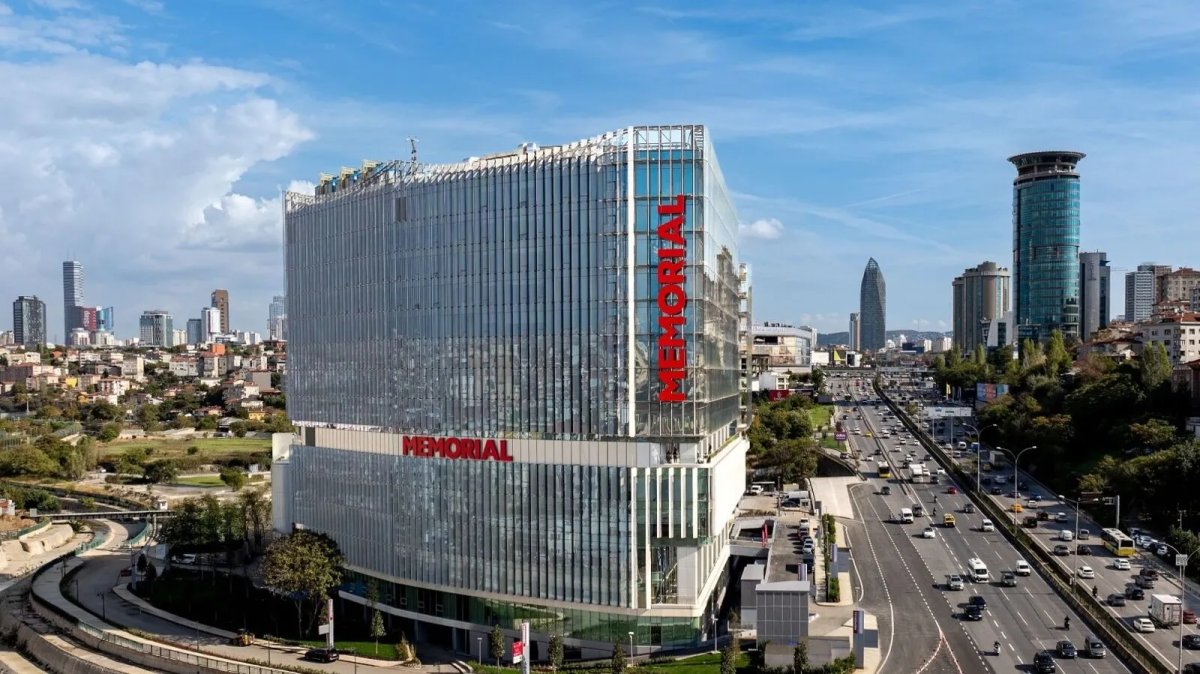


Memorial Şişli Hospital
Nabi Gokhan Ferahcan










Istanbul Florence Nightingale Hospital
Fatih Mehmet Ucar


Get a Medical Assessment for Coronary artery disease Treatment in Turkey: Consult with 75 Experienced Doctors Now
View all Doctors
Ulvi Gulmammadov
Dr. Ulvi Gulmammadov is a check-up physician at Memorial Göztepe Hospital in Istanbul. He specializes in preventive medicine and comprehensive health screenings. Dr. Gulmammadov previously served as a medical director for five years. He holds a degree from the prestigious Istanbul University Faculty of Medicine.
- Trained in occupational medicine to support workplace health and safety.
- Maintains active membership in the Turkish Medical Association.
- Spent six years practicing check-up and hospital medicine at Acıbadem Atakent.
- Works at Memorial Göztepe, a facility equipped with advanced 3 Tesla MRI technology.

Ali Fedakar
Performed 4,000 open heart surgeries – Dr. Fedakar specializes in coronary bypass and minimally invasive techniques at Hisar Hospital Intercontinental.
- 28 years of experience in cardiovascular surgery
- Performed heart transplants as primary surgeon
- Specializes in beating heart bypass and redo valve surgeries
- Founded cardiovascular surgery clinics at multiple hospitals

Cemsit Karakurt
Professor Cemsit Karakurt specializes in pediatric cardiology at Medical Park Antalya Hospital Complex.
- Board-certified in Child Health and Diseases
- Member of Turkish Society of Paediatric Cardiology and Cardiac Surgery
- Academic roles include Professor at Inönü University
Öztekin Oto
Reviews about Bookimed: Discover Patients' Insights
All reviews
Share this content
Video Stories from Bookimed Patients
 Anna Leonova
Expert Overview about Coronary artery disease Treatment in Turkey
What are the primary treatment options for coronary artery disease in Turkey?
Coronary artery disease treatment in Turkey focuses on interventional cardiology and advanced cardiac surgery. Primary options include drug-eluting stent placement and coronary artery bypass grafting. Turkish centers utilize robotic-assisted techniques and beating-heart surgery. These approaches improve safety and accelerate patient recovery times.
- Interventional procedures: Angioplasty with drug-eluting stents treats single or double arterial blockages.
- Bypass surgery (CABG): Surgeons create new blood flow paths for multi-vessel or complex disease.
- Minimally invasive techniques: Robotic-assisted surgery reduces chest trauma and shortens hospital stays significantly.
- Hybrid cardiology: Specialists combine bypass surgery with stenting for complex, multi-level arterial narrowings.
Bookimed Expert Insight: Turkish cardiac centers handle exceptionally high patient volumes. Anadolu Medical Center and Memorial Sisli Hospital often manage thousands of heart cases annually. This high frequency allows surgeons to refine skills in off-pump bypass surgery. Choosing a high-volume center often leads to more predictable and safer surgical outcomes.
Patient Consensus: Patients frequently express relief at the speed of diagnosis and treatment. They note that the coordination from arrival to surgery feels seamless and supportive.
What procedural safety data exist for stenting or bypass surgery performed in Turkey?
Turkish cardiac centers report high safety benchmarks for coronary treatments. Elective bypass surgery maintains a 98.5% success rate in accredited facilities. Stenting procedures achieve technical success in 99% of cases. These outcomes align with international standards set by global healthcare registries.
- Bypass survival: Success rates for elective bypass reach 98.5% in Istanbul hospitals.
- Stenting safety: Specialized centers report a 99% technical success rate for interventions.
- Stroke prevention: Minimally invasive bypass techniques show a low 0.4% stroke rate.
- Clinical benchmarks: Hospital survival for isolated bypass surgery is recorded at 98.7%.
Bookimed Expert Insight: Patient volume directly correlates with safety in Turkey. Anadolu Medical Center performs over 65,000 operations annually. This high frequency helps surgical teams maintain peak technical proficiency. Such volume often explains why local survival rates exceed standard European risk models.
Patient Consensus: Patients note that coordinated care between surgeons and cardiologists reduces anxiety. Many emphasize that clear pre-operative briefings helped them feel secure about the procedure.
How soon can I fly home after a coronary stent or bypass operation?
Patients typically fly 3 to 10 days after a coronary stent procedure. Coronary bypass recovery requires at least 4 to 6 weeks before air travel. Timelines depend on the procedure type. Your doctor must confirm the surgical incision is fully healed.
- Physical stamina: You must climb stairs without chest pain or shortness of breath.
- Stent recovery: Most patients travel 2 weeks after elective procedures for safety.
- Bypass stabilization: Clinical guidelines recommend waiting 6 weeks for long international flights.
- Medical clearance: Airlines often require a formal letter signed by your cardiac surgeon.
- Medication management: You should remain stable on medications before boarding any long-haul flight.
Bookimed Expert Insight: Turkish cardiac centers such as Hisar Intercontinental Hospital provide comprehensive postoperative follow-ups. Many clinics include these checks in their surgical packages. This ensures your safety before flying home. Surgeons often require a final ultrasound before issuing travel clearance letters.
Patient Consensus: Patients emphasize the need for extra legroom during the return flight. They recommend requesting airport assistance to avoid carrying heavy luggage after heart surgery.
How is post-operative follow-up arranged for patients who return to their home country?
Post-operative follow-up for coronary artery disease involves structured coordination between Turkish surgeons and home-based doctors. Patients receive a digital discharge summary and medication plan before departure. Leading Turkish centers facilitate follow-up through remote telehealth monitoring and secure medical record transfers to ensure continuity of care.
- Local monitoring: Patients partner with a home-based physician for routine wound checks.
- Telehealth consultations: Surgeons review recovery through video calls and digital photo assessments.
- Travel clearance: A formal physical exam ensures safety before the flight home.
- Documentation transfer: Clinics provide English-language operative reports and electronic medical records.
- Emergency planning: Teams establish local protocols for immediate care if issues arise.
Bookimed Expert Insight: Our data from top-rated centers like Anadolu Medical Center shows a focus on digital integration. Most JCI-accredited clinics in Istanbul now use cloud-based portals. These systems allow your home cardiologist to view procedural data in real time. This digital bridge often replaces the need for physical return trips to Turkey.
Patient Consensus: Travelers note that having all documents translated into English is vital. They suggest scheduling the first local check-up before even leaving for Turkey. This prevents delays in starting cardiac rehabilitation once back home.
What is the typical waiting time from first tele-consult to intervention in Turkish heart centres?
International patients at private Turkish heart centers typically transition from tele-consultation to intervention within 7 to 10 days. Specialist reviews of medical records usually take 1 to 3 days. Diagnostic workups and surgeries proceed without waiting lists once you arrive in Turkey.
- Expert review: Specialists evaluate uploaded medical records within 1 to 3 business days.
- Diagnostic workup: In-person testing typically begins within 3 to 7 days of initial contact.
- Surgical scheduling: Private facilities generally offer immediate booking after receiving in-person surgical clearance.
- Post-op recovery: Patients should expect a hospital stay lasting between 7 and 14 days.
Bookimed Expert Insight: Speed is a major differentiator for Turkish private centers compared to public systems. While public hospitals have 24-week waits, private clinics eliminate these delays for international patients. Clinics like Anadolu Medical Center or Hisar Intercontinental Hospital streamline this specifically for complex cardiac cases.
Patient Consensus: Patients often mention how quickly they move from the first video call to the operating room. Many note that having all tests completed in one morning saves significant time before surgery.
Which hospitals in Turkey perform minimally-invasive coronary bypass (MICS-CABG) or robotic operations?
Anadolu Medical Center and Memorial Bahcelievler are leading Turkish hospitals for robotic and minimally invasive coronary bypass. These JCI-accredited facilities use Da Vinci systems for robotic surgery. Specialized surgeons perform procedures through small incisions. This avoids traditional chest-opening methods during cardiac treatment.
- Robotic systems: Memorial Bahcelievler uses the Da Vinci robot for complex triple bypass cases.
- Academic expertise: Medipol Mega University Hospital provides robotic and minimally invasive valve and CABG.
- Global affiliations: Anadolu Medical Center maintains a strategic partnership with Johns Hopkins Medicine.
- Specialized techniques: Liv Hospital Ulus excels in robotic and beating-heart off-pump bypass surgeries.
Bookimed Expert Insight: Patient data shows a preference for Istanbul centers like Memorial Bahcelievler and Anadolu. These hospitals manage high volumes of complex cardiac cases. They often provide more inclusive packages than regional clinics. We notice patient satisfaction is highest when surgeons have 20+ years of experience. Experienced robotic surgeons like Dr. Burak Onan specifically focus on multi-vessel bypass.
Patient Consensus: Patients often mention feeling relieved by how small the surgical scars are. They also emphasize that staying for 5-7 days ensures they feel safe before flying.
Am I a candidate for an ‘all-arterial’ or ‘no-touch aorta’ OPCAB technique?
Ideal candidates for all-arterial or no-touch OPCAB include patients with a calcified aorta or high stroke risk. Younger patients under 60 often benefit from arterial grafts. These techniques offer 90% graft patency at 15 years. Eligibility requires detailed CT scans and coronary angiograms.
- No-touch priority: Essential for patients with extensive aortic plaque or porcelain aorta.
- All-arterial benefit: Ideal for younger patients seeking long-term graft durability over 15 years.
- High-risk suitability: Recommended for patients over 70 with renal or lung disease.
- Common exclusions: Not suitable for those with severe instability or needing valve surgery.
Bookimed Expert Insight: Turkish cardiac centers often serve over 65,000 patients annually. High volume allows surgeons to specialize in complex anaortic techniques. Anadolu Medical Center uses advanced imaging to map vessels before surgery. This precision helps specialists decide between radial artery or mammary artery grafts.
Patient Consensus: Patients emphasize finding surgeons who explain the stroke prevention benefits clearly. Many note that choosing experienced teams in Istanbul reduces anxiety about complex heart procedures.