Genetic Test for Aneuploidy Up to 8 Embryos in Turkey — Get 3 Top Clinic Matches with Costs
A genetic test for aneuploidy up to 8 embryos in Turkey costs $1,500 to $2,600, about 49% less than the US average of $4,100 (Bookimed data, November 2026). Bookimed lists 2 genetic test for aneuploidy up to 8 embryos clinics in Turkey, all in Istanbul. These clinics are rated 4.5/5 in 267 verified patient reviews on Bookimed.


Medically reviewed by
Fahad Mawlood
How Much Does Genetic test for aneuploidy up to 8 embryos Cost in Turkey?
A genetic test for aneuploidy up to 8 embryos in Turkey typically costs from $1,500 to $2,600. Total expenses depend on the lab technology used, clinic tier, and whether the biopsy fee is included. In the US, similar procedures cost around $4,100 on average. Patients save approximately 49% by choosing Turkish medical centers. These costs generally cover the Next-Generation Sequencing (NGS) analysis for the specified embryo batch.
- Biopsy and lab phase: Bundled packages for 8 embryos usually range from $1,500 to $3,000.
- Per-embryo screening: Individual testing typically adds $150 to $300 per additional embryo.
- Next-generation sequencing: This advanced technology is standard in major hubs like Istanbul and Ankara.
- Cryopreservation: Freezing embryos during the testing phase often requires an additional budget.
Bookimed Expert Insight: Choosing clinics like Memorial Şişli Hospital provides access to JCI-accredited genetics departments. While some practices like UCARER Women’s Health offer specific pricing for embryo storage, others bundle transfers. High-volume centers often provide better value through integrated labs. For instance, Memorial Atasehir reports a 65% IVF success rate. It is smart to verify if the quote includes the embryologist's biopsy fee. This fee can sometimes be billed separately from the genetic sequencing itself.
| Turkey | Austria | Spain | |
|---|---|---|---|
| Genetic test for aneuploidy up to 8 embryos | from $1,500 | ≈ $2,200 | ≈ $1,700 |
Your Benefits and Guarantees with Bookimed
Transparent Prices & Flexible Installments
No hidden fees – just official clinic prices. Pay at the clinic for Genetic test for aneuploidy up to 8 embryos upon arrival and use a flexible installment plan if needed.
Verified Clinics & Doctors Only
Bookimed is committed to your safety. We only work with medical institutions that maintain high international standards in Genetic test for aneuploidy up to 8 embryos and have the necessary licenses to serve international patients worldwide.
Free 24/7 Assistance
Bookimed offers free expert assistance. A personal medical coordinator supports you before, during, and after your treatment, solving any issues. You're never alone on your Genetic test for aneuploidy up to 8 embryos journey.

Your personal Bookimed medical coordinator
- Supports you at every stage
- Helps choose the right clinic and doctor
- Ensures quick and convenient access to information
Discover the Best Genetic test for aneuploidy up to 8 embryos Clinics in Turkey: 12 Verified Options and Prices







Memorial Bahçelievler Hospital
Engin Turkgeldi




VM Medical Park Florya Hospital
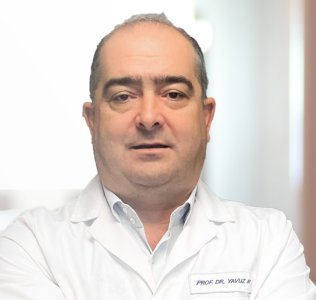
Yavuz Aydin








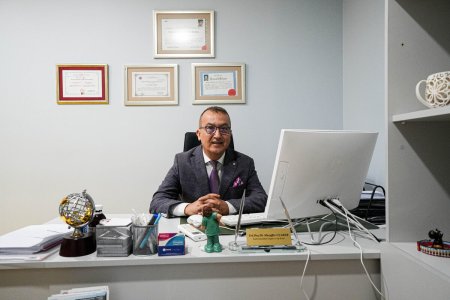
Dr. Nurettin Türktekin's Private Practice
Nurettin Turktekin



Genetic test for aneuploidy up to 8 embryos Overview in Turkey
- In Vitro Fertilization (IVF) - from $2,500The procedure assists conception via lab-fertilized eggs transplanted into the uterus, offering hope to those struggling with infertility.
- Childbirth - from $1,500The procedure involves delivering a baby, typically after nine months of gestation.
- Embryo cryopreservation - from $390The procedure freezes early-stage embryos for future use, preserving fertility and optimizing in-vitro fertilization success.
- IVF with Gender Selection - from $4,000This procedure helps couples conceive a specific gender baby through in-vitro fertilization, offering increased success rates.
- Artificial Insemination - from $770This therapy helps conceive by directly inserting sperm into a woman"s womb, increasing chances of successful fertilization.
- Pharmacological stimulation for IVF - from $700The procedure boosts egg production for in vitro fertilization, using medicines for more chances of successful conception.
- Сesarean section - from $1,800The operation involves delivering a baby through surgical incisions in the mother"s abdomen and uterus.
- Genetic test for aneuploidy up to 8 embryos - from $1,500This procedure checks up to 8 embryos for irregular numbers of chromosomes, improving IVF success.
- Egg Cryopreservation Annual Maintenance - from $250The procedure involves yearly care and storage of preserved female egg cells for future fertility needs.
- Embryo Transfer - from $750The procedure involves placing a fertilized egg in a woman"s uterus to improve chances of pregnancy.
Day 1
- Arrival at the clinic for initial consultation.
- Meet with a Genetic Counselor to discuss the process.
- Undergo a detailed medical history and physical examination.
Day 2
- Perform blood tests to check overall health.
- Undergo ultrasound to assess the ovaries and uterus.
Day 3 - Day 5
- Start fertility medications to stimulate egg production.
- Regular blood tests and ultrasounds to monitor progress.
Day 6
- Undergo egg retrieval under sedation.
- Obtained eggs are fertilized in the laboratory.
Day 7 - Day 9
- Embryos are grown in the lab for 5 to 6 days.
- Genetic testing for aneuploidy is performed on the embryos.
Day 10
- Meet with the genetic counselor to discuss the results.
- Plan for a future embryo transfer procedure.
Please note, this is a generalized timeline and individual experiences may vary based on each person"s unique medical history and health status.
- Bookimed deposit: $200 or €200.
- Clinic deposit: Pay a set percentage in advance.
Our Trusted Doctors
View all Doctors
Tayfun Kutlu
Dr. Tayfun Kutlu is a reproductive endocrinologist at Anadolu Medical Center in Istanbul. He specializes in IVF and microwave endometrial ablation. He performs ovarian and vaginal rejuvenation using Platelet-Rich Plasma (PRP) therapy. Dr. Kutlu holds a certificate in Assisted Reproduction Treatment Methods. He also completed training in laparoscopic surgery.
- Treats complex infertility cases at a Top 10 world hospital.
- Certified in Clinical Research and Good Clinical Practices.
- Published research on fetal heart rate and estrogen exposure.
- Anadolu Medical Center is affiliated with Johns Hopkins Hospital.

Ebru Cogendez
Specializing in IVF and genetic testing at Memorial Ataşehir Hospital, Dr. Cogendez brings extensive expertise in reproductive medicine.
- Over 27 years of experience in obstetrics and gynecology
- Specialized in IVF at Zeynep Kamil Women's Health and Pediatrics Training and Research Hospital
- Currently focuses on in vitro fertilization and genetic testing
Yavuz Aydin
With over 33 years in obstetrics and gynecology, Prof. Aydin specializes in advanced reproductive techniques at VM Medical Park Florya Hospital.
- Professor of obstetrics and gynecology with extensive IVF experience
- Member of ESHRE and ASRM – global reproductive medicine leaders
- Performs microsurgical tuboplasty and laparoscopic fertility procedures
- Trained at Istanbul University – Turkey's top medical school

Ebru Ozturk Oksuz
Dr. Ebru Ozturk Oksuz is a fertility specialist at Anadolu Medical Center in Istanbul. She focuses on IVF, hormone disorders, and high-risk pregnancy follow-up. Dr. Oksuz completed training in assisted reproductive therapies at Memorial Hospital. She works at a clinic affiliated with Johns Hopkins Medicine.
- Holds certifications in assisted reproductive therapies and perinatal ultrasound.
- Specialize in ovarian rejuvenation using PRP and PRGF techniques.
- Performs embryo cryopreservation and genetic testing for aneuploidy.
- Member of the Turkish Society of Gynecology and Obstetrics.
Reviews about Bookimed: Discover Patients' Insights
All reviewsShare this content
Video Stories from Bookimed Patients
 Anna Leonova

FAQ about Genetic test for aneuploidy up to 8 embryos in Turkey
What does the genetic test for aneuploidy (PGT-A) actually screen for?
Genetic testing for aneuploidy (PGT-A) screens IVF embryos for the correct number of chromosomes before implantation. It identifies embryos with extra or missing chromosomal material, known as aneuploidy, to improve pregnancy success rates and reduce the risk of miscarriage or chromosomal disorders.
- Chromosomal count: Checks all 23 pairs to ensure a normal 46-chromosome count (euploidy).
- Trisomy detection: Screens for extra chromosomes causing Down, Edwards, or Patau syndromes.
- Sex chromosomes: Identifies XX or XY chromosomes for gender determination and sex-linked conditions.
- Monosomy screening: Detects missing chromosomes, such as Turner syndrome (Monosomy X) in females.
- Mosaicism identification: Detects embryos containing a mix of both normal and abnormal cells.
Bookimed Expert Insight: While many clinics offer older FISH or Array-CGH methods, Turkey’s high-volume centers like Memorial Şişli Hospital prioritize Next-Generation Sequencing (NGS). NGS provides significantly higher resolution for detecting mosaicism. This technical edge is why patients from 167 countries choose Turkish labs for complex genetic screening.
Patient Consensus: Accuracy often depends on whether the biopsy occurs on day 5 or day 7. While a normal result is encouraging, it does not fully eliminate miscarriage risks related to uterine or non-chromosomal factors.
How are embryos biopsied and is the process safe for future development?
Embryologists perform biopsies at the blastocyst stage by using high-precision lasers to extract 5 to 10 cells from the trophectoderm. This outer layer eventually forms the placenta, leaving the inner cell mass that develops into the baby entirely untouched for maximum safety.
- Biopsy timing: Performed on day 5 or 6 when embryos have 100 to 200 cells.
- Laser technology: Precision lasers create a microscopic opening in the outer shell for safe extraction.
- Cell selection: Sampling only placental precursor cells maintains the integrity of the future fetus.
- Developmental impact: Research shows no increased risk of birth defects compared to standard IVF.
- Survival rate: Modern vitrification ensures the risk of embryo loss remains under 1 percent.
Bookimed Expert Insight: Turkish clinics like Memorial Şişli Hospital use Next Generation Sequencing (NGS) alongside a freeze-all strategy. This combination is a `coordinator’s secret` because it allows the embryo to recover from the biopsy. Transferring in a subsequent cycle often yields better success than fresh transfers.
Patient Consensus: Patients report high confidence in the process when labs confirm trophectoderm-only sampling. Most move forward knowing that identifying healthy embryos significantly reduces the emotional toll of unsuccessful transfers.
What techniques are used for chromosome analysis and how long does it take?
Genetic specialists use advanced techniques like Next-Generation Sequencing (NGS), Array-CGH, and FISH to analyze chromosomes for numerical or structural abnormalities. While rapid screenings take 2–5 days, comprehensive embryo testing in JCI-accredited Turkish facilities typically requires 7–14 days for detailed molecular reporting.
- Next-Generation Sequencing: High-resolution method detecting mosaicism and segmental aneuploidies with superior accuracy.
- Array-CGH technique: Balanced alternative for standard trisomies, often providing results within 10 days.
- FISH analysis: Rapid targeted screening for specific conditions, typically completed in 2–5 days.
- Results timeline: Most patients receive actionable sequence data within 7–21 days post-biopsy.
Bookimed Expert Insight: Data from major hubs like Memorial Şişli Hospital shows labs now prioritize NGS over older FISH methods. While NGS takes longer, it successfully identifies mosaic embryos that other tests might miss. To avoid delays, confirm if your clinic uses an on-site lab or ships samples to Europe.
Patient Consensus: Patients emphasize that while the technical lab work is fast, the true wait is the specialist consultation. Many recommend budgeting 3 weeks total to fully interpret complex mosaic results before proceeding with implantation.
Is genetic counselling included and what information is provided?
Genetic counseling in Turkey is generally included as a standard part of IVF packages involving embryo aneuploidy testing. It provides a detailed clinical bridge between complex genetic data and your implantation decisions, covering chromosomal health, success probabilities, and emotional support throughout the multi-stage testing process.
- Risk assessment: Counselors analyze family history to identify patterns of inherited chromosomal conditions.
- Test education: Specialists explain what aneuploidy screening can and cannot detect for embryos.
- Results interpretation: Experts clarify the meaning of normal, mosaic, or abnormal biopsy results.
- Decision support: Clinicians provide non-directive guidance to help you choose the best embryos.
Bookimed Expert Insight: Top-tier Turkish centers like Memorial Şişli Hospital, the first in Turkey to earn JCI accreditation, often provide superior genetic data. While smaller clinics may offer only basic reports, large multidisciplinary hospitals utilize in-house genetics departments. This integration usually results in faster turnaround times and more comprehensive post-biopsy consultations included in the base price.
Patient Consensus: Patients find that while basic results are often shared via WhatsApp for convenience, detailed counseling for complex cases may require a specific request. Most appreciate the visual embryo grading reports provided alongside the genetic data.
Who should consider PGT-A? Am I a good candidate?
Primary candidates for PGT-A include women over 35, patients with two or more miscarriages, or those with repeated IVF failures. This screening identifies embryos with 46 chromosomes to improve implantation success and reduce the time to a healthy pregnancy in Turkish JCI-accredited clinics.
- Advanced maternal age: Recommended for women 35+ to screen for age-related chromosomal abnormalities like aneuploidy.
- Recurrent pregnancy loss: Helps patients with 2 or more losses rule out genetic causes before transfer.
- Previous IVF failure: Essential if multiple high-quality embryo transfers failed to result in successful implantation.
- Single embryo transfer: Ideal for patients prioritizing a singleton pregnancy while maximizing successful implantation rates.
Bookimed Expert Insight: Data from top Turkish centers like Memorial Şişli Hospital shows that while PGT-A is highly effective for patients over 38, it can reduce your available embryo pool by 50%. For patients under 35 with high-quality blastocysts, the benefit is often marginal compared to the $3,000 cost. Always verify if your clinic holds ESHRE accreditation to ensure the biopsy is performed by specialized embryologists.
Patient Consensus: Patients over 40 often report that testing was the turning point after multiple losses, providing much-needed peace of mind. Conversely, younger responders often advise caution, noting that over-testing can lead to discarding potentially viable mosaic embryos unnecessarily.
How many embryos can be tested in a single package and what happens if I produce more?
Standard genetic testing packages in Turkey typically cover 5 to 8 embryos for a fixed cost. If you produce more, you can pay an additional fee per embryo, freeze extras without testing, or set a testing limit to stay within your initial budget.
- Testing capacity: Most Turkish clinic packages include screening for up to 8 embryos by default.
- Additional costs: Extra embryos usually cost between $300 and $600 each for genetic analysis.
- Alternative options: You may freeze overflow embryos untested to save costs or for future use.
- Provider variations: JCI-accredited centers like Memorial Şişli Hospital have specific protocols for handling extra embryos.
Bookimed Expert Insight: Turkish fertility centers often ask for your decision on `overflow` embryos immediately after retrieval while you are still recovering. Decide your maximum testing budget beforehand. Large networks like Memorial Healthcare Group offer specialized genetics departments that can manage high-volume cases more efficiently than smaller boutique clinics.
Patient Consensus: Expect the unexpected, as many patients retrieve 10 to 15 plus eggs and must quickly decide whether to pay for extra testing or face the psychological burden of leaving embryos untested in storage.
What is the recovery after egg-retrieval and when can I travel?
Recovery after egg retrieval in Turkey typically allows for a return to normal activities within 24 to 48 hours. Patients can generally travel on short flights after 2 days, though experts recommend waiting 7 days before long-distance travel to mitigate risks of blood clots or complications.
- Initial recovery: Expect 30–60 minutes in recovery for anesthesia to wear off before discharge.
- Physical symptoms: Mild cramping, bloating, and spotting usually resolve within 3 to 7 days.
- Flight safety: Wait at least 48 hours before flying to monitor for rare OHSS symptoms.
- Genetic testing: Results for aneuploidy screening typically take 7–14 days for up to 8 embryos.
Bookimed Expert Insight: Data from major Istanbul centers like Memorial Şişli Hospital suggests a strategic two-trip approach. Patients often fly home 3 days post-retrieval while awaiting genetic results. This avoids high hotel costs during the 14-day lab wait and ensures ovaries recover before the transfer trip.
Patient Consensus: Most patients feel surprisingly well by day 2 but advise wearing compression socks for the flight home. They emphasize staying locally for at least 48 hours to manage potential grogginess and bloating comfortably.