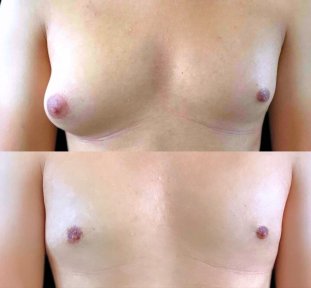
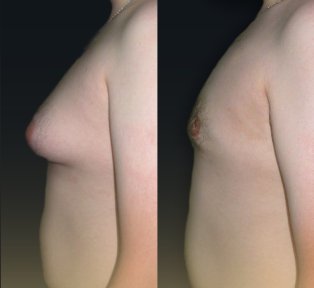
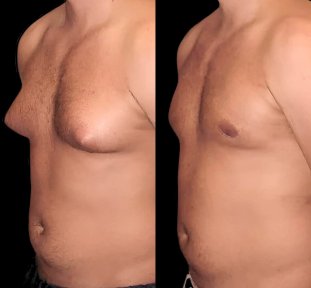
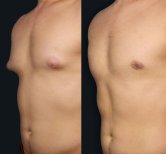
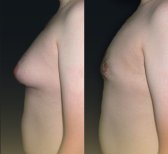
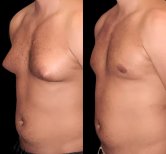
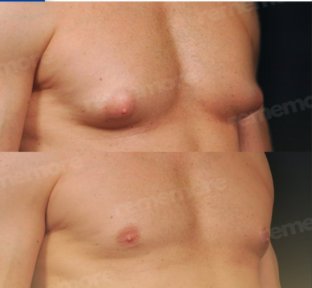
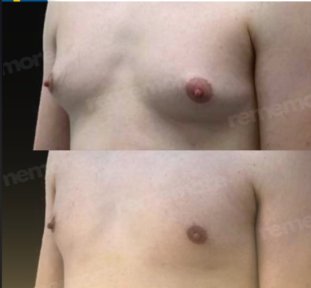
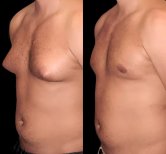
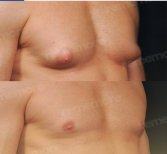
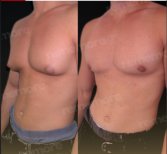
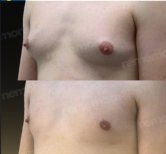
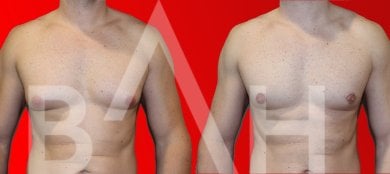
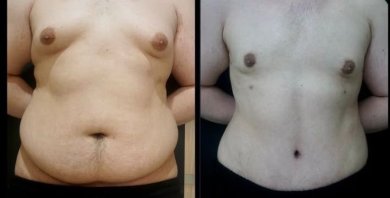
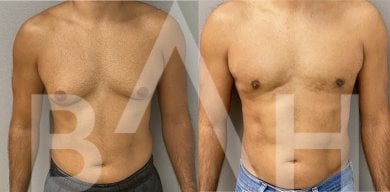
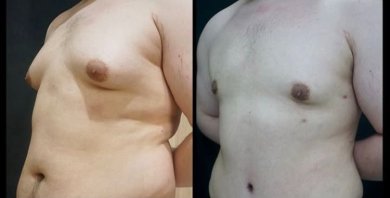
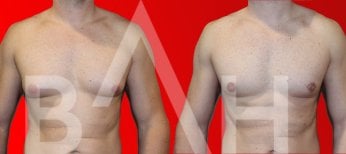
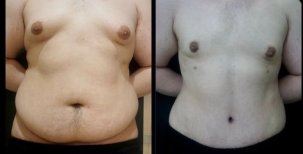
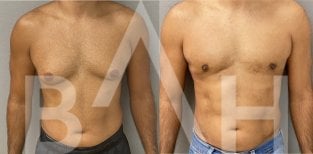
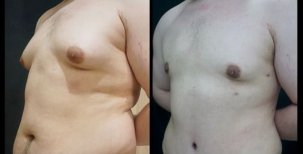
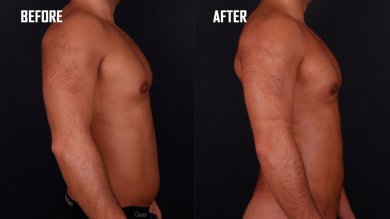
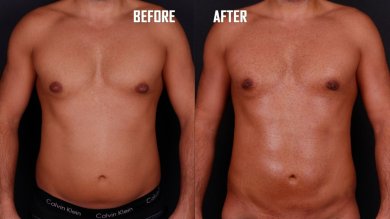
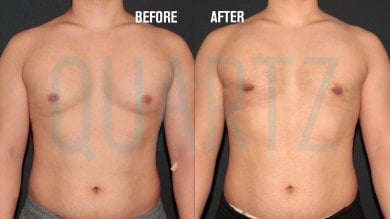
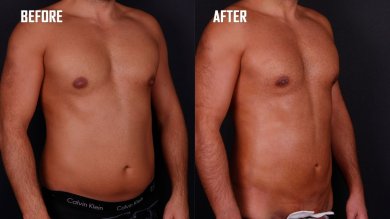
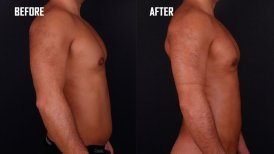
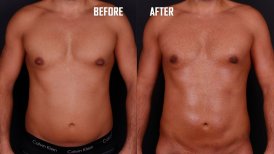
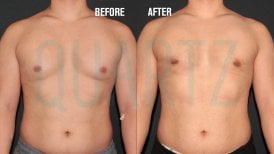
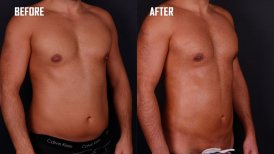
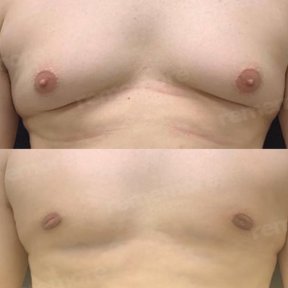
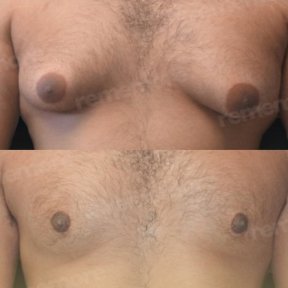
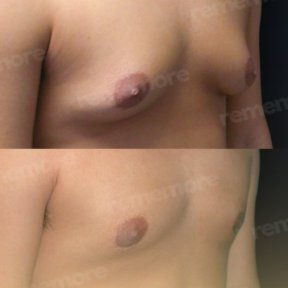
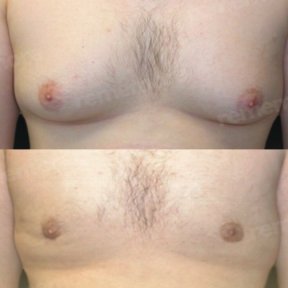
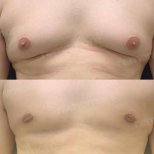
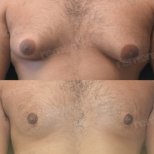
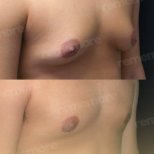
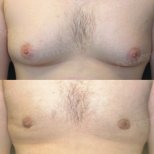
Gynecomastia affects more than half of all men at some point in their lives. It shapes how you feel in a fitted shirt, at the gym, on the beach. Traveling to Turkey for surgery can feel like a big step, and it doesn't have to be. What decides the outcome is a verified surgeon and a recovery window long enough to fly home safely. The price on the quote comes second.
Gland or Chest Fat: Which Technique Do You Actually Need?
It comes down to one thing: what the swelling is actually made of. Firm gland has to be cut out. Soft fat can be suctioned away. Getting this right up front is what protects your final result.
Glandular tissue vs. chest fat
True gynecomastia is firm, rubbery glandular tissue. It sits like a disc directly behind the nipple. Fat on its own is not a form of gynecomastia at all. Doctors call that pseudogynecomastia, and it spreads more evenly across the chest. A quick self-check separates them. Fat feels soft and pliable. Gland feels like a firm lump under the areola.
Why liposuction alone can leave a lump
Liposuction removes fat, manually or with VASER (ultrasound-assisted). Either way, what it cannot do is break up or pull out dense, fibrous gland.
Note: Standard liposuction cannot extract the solid gland behind the nipple. Used alone on a firm gland, it can leave a hard lump or a puffy nipple that looks much the same.
When the combined technique is needed
When firm gland is present, the standard correction pairs VASER liposuction with direct gland excision. The surgeon works through a small incision at the edge of the areola. Ultrasonic liposuction without excision can work too. But only when the gland is small and non-fibrous, according to a 46-patient study. So the exact label on your quote matters before you travel:
- Liposuction for gynecomastia – $2,000–$3,900;
- VASER liposuction – $3,100–$4,900;
- gynecomastia surgery with gland excision – $3,500–$4,500;
- severe gynecomastia surgery – $4,000–$7,000.
Those figures run up to about 60% below typical US prices of $4,500–$8,500 for the same operation.
Success Rates and Safety: What the Research Actually Shows
Most men recover without a major problem. The technique your surgeon uses is the single biggest factor in how likely that is. Surgeons also rely on one specific step to protect the shape of the chest.
How often each technique leaves men free of major problems
A systematic review of 94 studies covered more than 7,000 patients. Across all of them, the combined approach came out ahead.
| Technique | Free of major problems |
|---|
| Combined VASER + excision | about 88% |
| Liposuction alone | about 85% |
| Excision alone | about 69% |
A separate review of 1,112 patients points the same way. The most common issues were a treatable blood collection under the skin (hematoma) and fluid buildup (seroma). Over 94% of men had no hematoma at all. Surgeons manage both routinely. Where you have surgery matters too. Choosing a JCI-accredited hospital adds an internationally audited safety layer. Memorial Şişli, for example, was the first hospital in Turkey to earn JCI accreditation.
Preventing the crater deformity
The crater deformity is a sunken dip behind the nipple, left when too much tissue is removed. Surgeons avoid it by leaving a thin protective layer of about 2–10 mm of tissue behind the nipple. That margin keeps the nipple's blood supply intact, per clinical guidance. Reassuringly, over 95% of men never need a second operation. One 10-year analysis reported a revision rate near 5%.
Setting realistic expectations
Studies do not all measure outcomes on the same scale. So trust the direction of these numbers more than the exact decimals. Men are happiest with the result when the consultation set out honestly what the surgery can and cannot change. In one patient-satisfaction study, over 60% of men rated themselves satisfied to very satisfied. Bookimed reviews echo that: patients rate their overall experience 9.4/10. They repeatedly credit surgeons who explain the exact method and show previous work before operating.
When Is It Safe to Fly Home After Gynecomastia Surgery?
Surgeons ask you to stay in Turkey for at least 5–7 days after surgery before you fly home. Here's why. General anesthesia, chest and underarm liposuction, and a long-haul flight all stack up. Together they raise the chance of a clot forming in a leg vein (deep vein thrombosis) that can travel to the lungs. Staying the full window gives your surgeon time to check your wounds and remove any drains. You also leave with written aftercare in hand, as the NHS advises for surgery abroad.
Day by day, before you fly home
Those days are not idle waiting. Each one carries a checkpoint your surgeon works through before signing off on the flight.
| When | What happens |
|---|
| Day 1 | Gentle walking starts, to keep the blood moving. |
| Days 2–4 | Wound check, and drain removal if drains were used. |
| Days 5–7 | Your surgeon confirms healing and clears you to fly. |
In-flight clot prevention
A few simple steps on the flight home lower your risk, in line with NHS travel guidance:
- keep your compression garment on for the whole flight;
- choose an aisle seat and walk the cabin every couple of hours;
- drink water often and skip alcohol;
- flex your ankles and calves while seated.
Recovery cadence week by week
Recovery runs on three separate clocks, and together they decide when the flight home is realistic.
- Days 3–5 – most men are back at desk work, in line with standard post-liposuction aftercare.
- Weeks 4–6 – the gym and upper-body effort stay off the list.
- Weeks 6–8 – contact sports and heavy lifting come last.
Turkey packages usually bundle the hotel nights, transfers, compression garment, and a follow-up visit. That makes staying the safe window easier than rushing to the airport. UK and Turkish surgeons stress this same recovery-before-travel point in their guidance for patients.
How to Choose and Verify Your Surgeon and Clinic in Turkey
Two things decide how gynecomastia surgery in Istanbul goes: who operates on you, and the hospital they operate in. Most of Bookimed's Turkey network are board-certified specialists you can check by name. Before you commit to a male breast reduction in Istanbul, these five checks are the ones that matter:
- Confirm the surgeon is a certified Plastic, Reconstructive and Aesthetic Surgery specialist, and ask how many gynecomastia operations they do a year. A clinic society logo is not the same as individual board certification.
- Look for EBOPRAS certification, ISAPS or ASPS membership, and several years of practice. The network includes surgeons like Dr. Salih Onur Basat, who is EBOPRAS-certified and treats gynecomastia, and Dr. Hakan Bulam, a FEBOPRAS fellow and ISAPS member.
- Choose a licensed hospital with an on-site intensive care unit. JCI or ISO accreditation counts for more than a converted commercial suite, and Lokman Hekim Istanbul Hospital and other JCI-accredited partners meet this bar.
- Get it in writing that the surgeon you chose does your markings, operation, and follow-ups. The name should match across your consultation notes and consent.
- Read your consent in English before you travel. It should spell out the technique, alternatives, and risks. A rushed consent on the morning of surgery is a warning sign.
Global aesthetic bodies treat ISAPS membership as one marker of a qualified surgeon. UK and Turkish specialists advise confirming these credentials and your consent before you choose a surgeon.
Will It Come Back? What Actually Triggers Recurrence
Surgery removes the gland for good. But keeping a flat chest also depends on steady hormones and a stable weight. Two habits and a short pre-op review decide whether the result lasts.
What triggers recurrence
The most common reason gland tissue reforms is continued anabolic steroid or testosterone-booster use, as Cleveland Clinic notes. It tips the hormone balance and can restart growth in any gland cells left behind. Significant weight gain can bring back a fuller look too, especially when the original chest was partly fatty. Staying off steroids and holding a steady weight is what protects the result.
Medications and hormones to review
Some everyday medicines can cause gynecomastia too. Think blood-pressure drugs, prostate treatments, reflux medication, antidepressants – the same Cleveland Clinic guidance flags them all. Reviewing them with a doctor before surgery sometimes reduces the tissue without an operation.
A pre-op blood panel that checks testosterone, estrogen, and related hormones helps rule out a systemic cause. New, painful, or one-sided swelling is worth evaluating first. Turkey packages commonly include blood tests, preoperative tests, and consultations with the plastic surgeon and anesthesiologist. That makes this workup easy to do rather than skip.
When waiting is the right call
In teenagers, gynecomastia during puberty often clears on its own within about two years. For them, waiting is frequently the better choice than operating early. An honest surgeon may recommend a review rather than immediate surgery.