Hormone therapy for prostate cancer in Turkey — get 3 personalized clinic matches
Bookimed lists 20 hormone therapy for prostate cancer clinics in Turkey, mostly in Istanbul, Ankara, and Antalya, including JCI-accredited and ISO-certified clinics. These clinics are rated 4.5/5 in 2,266 verified patient reviews on Bookimed.


Medically reviewed by
Yesim Yildirim
How it works
How Much Does Hormone therapy for prostate cancer Cost in Turkey?
Hormone therapy for prostate cancer in Turkey typically costs from $1,800 to $3,800. The final price depends on the medication type, treatment duration, and the medical center tier. In the US, similar procedures cost around $11,000 on average. Turkey offers savings of around 75%. Programs generally include specialist consultations, blood panels, PSA testing, and local transfers.
- Medication type: Prices vary depending on whether the regimen uses LHRH agonists, antagonists, or oral anti-androgens.
- Treatment frequency: Costs fluctuate based on whether injections are administered monthly or every few months.
- City hubs: Major medical centers in Istanbul and Ankara typically feature higher-tier pricing than regional clinics.
- Robotic-assisted surgery: Opting for robotic surgery instead of hormone therapy adds significantly to the total cost.
- Combination protocols: Adding radiation therapy to a hormone regimen generally increases the budget by 20-30%.
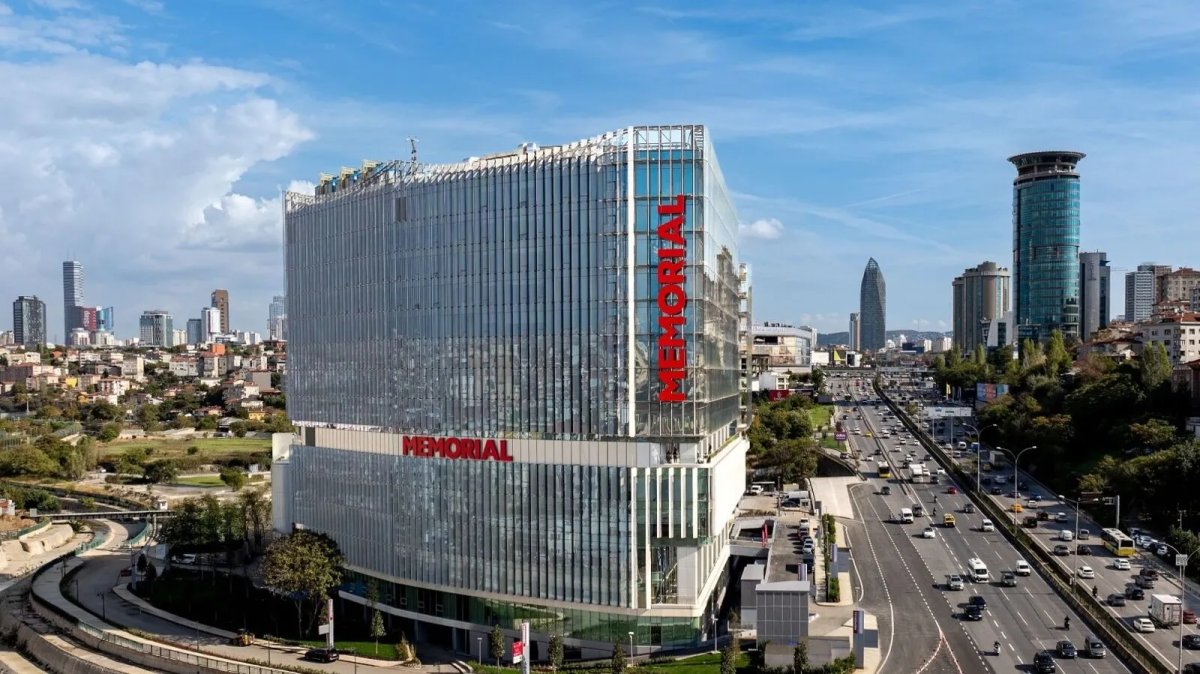
Bookimed Expert Insight: Choosing a clinic affiliated with global leaders provides immense value. Anadolu Medical Center, an affiliate of Johns Hopkins Hospital, offers top-tier oncology expertise. For patients seeking high-tech care, Memorial Bahçelievler Hospital provides advanced TrueBeam STx technology. Many centers like Memorial Antalya Hospital offer 5-star guest houses for international comfort. Smart planning includes choosing centers with JCI accreditation to ensure international safety standards.
| Turkey | Austria | Spain | |
|---|---|---|---|
| Hormone therapy for prostate cancer | ≈ $1,800 | ≈ $2,800 | ≈ $2,600 |
Discover the Best Hormone therapy for prostate cancer Clinics in Turkey: 20 Verified Options and Prices


Memorial Şişli Hospital
Serkan Keskin





Hisar Hospital Intercontinental
Mustafa Solak


Memorial Göztepe Hospital






Memorial Ataşehir Hospital
Kamil Yalçın Polat


Istinye University Liv Hospital Bahcesehir
Tahsin Ozatli






Hormone therapy for prostate cancer Overview in Turkey
- Hormone therapy - from $300This therapy involves using medicines to adjust body"s hormone levels, often used in cancer treatment or menopause relief.
Day 1 - Arrival
- Check into the clinic and complete paperwork.
- Meet with your oncologist to discuss treatment.
Day 2 - Pre-Treatment Consultation
- Consultation with a urologist for prostate health assessment.
- Undergo a prostate-specific antigen (PSA) test.
- Have a bone scan to check for cancer spread.
Day 3 - Beginning of Hormone Therapy
- Receive hormone therapy which is usually a shot.
- The shot can be every month, 3 months, or 6 months.
- No anesthesia is needed as it is not a surgery.
Day 4 - Post-Treatment Observation
- Stay in clinic for observation of any immediate side effects.
- Discuss side effect management strategies with your doctor.
Week 1 - Recovery
- Rest and manage side effects such as fatigue and hot flashes.
- Follow a healthy diet and exercise routine as advised.
Week 2 - Follow Up
- Visit your doctor for a follow-up and PSA test.
- Discuss any persisting side effects with your doctor.
Week 3 and onwards
- Continue hormone therapy shots as per your doctor"s advice.
- Regular follow-ups and PSA tests.
- Gradually resume work and other activities.
Please note that the timeline and procedures may vary based on the individual"s health condition and the progression of the disease.
What patients like:
- Cost. The Hormone therapy for prostate cancer cost in Turkey ranges from $1,800 to $3,800. In comparison, this treatment in the USA can cost upwards to $15,000, making Turkey an affordable option.
- Doctor’s professionalism. Turkish doctors show remarkable professionalism. They hold international certificates and have rich experience in hormone therapy.
- Service level. High service level is a key advantage. Patients praise the attentive personnel and the well-equipped medical facilities.
- Hormone therapy for prostate cancer efficacy. The success rate for hormone therapy in treating prostate cancer in Turkey is high, thanks to modern techniques and cutting-edge equipment.
- Logistics. Turkey's geographical location makes it easily accessible. Many patients appreciate the organized transportation and accommodation services.
What patients don’t like:
- Language barrier. Some patients encounter language difficulties. However, most medical facilities offer translator services.
- Waiting time. There can be a wait time for appointments and procedures, but this is usually addressed with efficient scheduling.
- Post-treatment follow-up. Some patients may find post-treatment follow-up less intensive compared to their home countries, but online consultations are often available.
- Bookimed deposit: $200 or €200.
- Clinic deposit: Pay a set percentage in advance.
Our Trusted Doctors
View all Doctors
Bulent Karagoz
Dr. Bulent Karagoz is a medical oncologist at Anadolu Medical Center in Istanbul. He specializes in immunotherapy and targeted therapies for sarcoma, lymphoma, and lung cancer. Dr. Karagoz provides treatment at a facility affiliated with the prestigious Johns Hopkins Hospital.
- Authored over 40 research publications focusing on tumor biology and immunology.
- Former Head of Internal Diseases at Istanbul Okan University Faculty of Medicine.
- Held leadership roles in medical oncology at GATA Haydarpasa Training Hospital.
- Member of the Turkish Medical Oncology Association and European Head and Neck Society.
Ilker Tinay
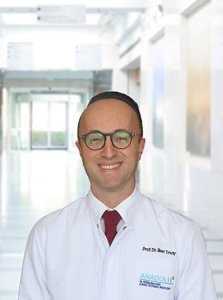
Dr. Ilker Tinay is an urological oncologist at Anadolu Medical Center. He sits on the Executive Board of the Association of Urooncology. Dr. Tinay specializes in minimally invasive surgery and neo-bladder reconstruction. He works at Anadolu, a Top 10 global hospital according to MTQUA. The center is also affiliated with Johns Hopkins Medicine.
- Member of the American College of Surgeons and European Association of Urology.
- Secretary of the Bladder Tumours Research Group.
- Winner of the Urooncology Association Scientific Research Award.
- Performs complex procedures including robotic da Vinci prostatectomy and nephrectomy.

Sinan Karaaslan
Dr. Sinan Karaaslan is a medical oncologist at Anadolu Medical Center in Istanbul. He specializes in treating breast, colorectal, and urogenital system cancers. Dr. Karaaslan brings clinical expertise from major institutions, including Medical Park and Gülhane Military Medical Academy. He works at a hospital affiliated with the Johns Hopkins Hospital.
- Holds personal certification from the European Society for Medical Oncology.
- Treats complex conditions, including stage 4 colon and lung cancers.
- Member of the Turkish Medical Oncology and Turkish Lung Cancer societies.
- Performs systemic therapies such as immunotherapy, targeted therapy, and chemotherapy.
Mustafa Solak
Dr. Solak specializes in hormone therapy for prostate cancer at Hisar Hospital Intercontinental, with a background from prestigious institutions like Hacettepe University and MD Anderson Cancer Center.
- Trained at Hacettepe University Cancer Institute for oncology specialization
- Worked at The University of Texas MD Anderson Cancer Center
- Experienced in treating various cancers including prostate cancer
- Residency completed at Istanbul Sisli Etfal Training and Research Hospital
Video Stories from Bookimed Patients
Reviews about Bookimed: Discover Patients' Insights
All reviewsShare this content
 Anna Leonova

FAQ about Hormone therapy for prostate cancer in Turkey
Is hormone therapy for prostate cancer safe?
Hormone therapy is a safe, standard treatment for prostate cancer used to manage tumor growth by suppressing testosterone. While highly effective, patients must monitor cardiovascular health, bone density, and metabolic changes. Safety is enhanced through personalized dosing and regular follow-up with European Society for Medical Oncology certified specialists.
- Cardiovascular monitoring: Baseline heart checks help manage risks of heart disease or stroke.
- Bone health: Testosterone suppression requires bone density scans to prevent potential osteoporosis.
- Metabolic tracking: Regular screenings identify weight gain, insulin resistance, or cholesterol changes early.
- Dosing strategies: Intermittent therapy and shorter treatment courses significantly reduce long-term side effects.
Bookimed Expert Insight: Clinics like Anadolu Medical Center maintain safety by following strict US protocols through their Johns Hopkins Medicine collaboration. This partnership ensures that hormone therapy regimens in Turkey align with the highest global safety standards. Patients benefit from American-level oncology expertise at a fraction of the cost, often saving over 75% compared to US treatment prices.
Patient Consensus: Patients recommend starting calcium supplements and exercise immediately to combat bone thinning. Many survivors emphasize preparing for early side effects like hot flashes, which can begin within 3 days of the first injection.
How long will I need to stay in Turkey for hormone therapy?
Most patients require 3 to 7 days in Turkey to initiate hormone therapy for prostate cancer. This timeframe allows for essential diagnostic bloodwork, PSA testing, and the initial administration of medications like Lupron or Degarelix under the supervision of a board-certified urological oncologist.
- Diagnostic window: Initial specialist consultations and necessary lab work typically take 3 days.
- Observation period: Clinics may require 48-hour monitoring after the first hormone injection.
- Travel clearance: Patients are generally cleared for international flights within 3 to 5 days.
- Long-term management: Follow-up care is conducted via telehealth every 3 to 6 months.
Bookimed Expert Insight: Data shows that centers like Anadolu Medical Center, which collaborates with Johns Hopkins Medicine, often bundle PSMA PET scans with the start of hormone therapy. This coordination allows patients to complete a full restaging and receive their first long-acting injection within a single 4-day visit. Using international pharmacy fulfillment services afterward lets you continue the exact Turkish protocol from your home country.
Patient Consensus: Many patients report completing the entire setup during a 3-day trip. They appreciate the efficiency of receiving prescriptions and initial doses quickly before transitioning to remote monitoring and local medication sourcing.
Who is eligible for hormone therapy in Turkish clinics?
Eligibility for hormone therapy in Turkey primarily includes patients with hormone-sensitive cancers such as prostate, breast, or endometrial cancer. Candidates typically involve those with advanced or metastatic stages, elevated PSA levels, or high-risk localized tumors requiring neoadjuvant treatment before surgery or radiation.
- Cancer stage: Patients with stage 3-4 or metastatic prostate cancer are primary candidates.
- PSA levels: Elevated PSA levels exceeding 20 ng/mL often trigger eligibility for hormonal intervention.
- High-risk localized: Clinics provide therapy for aggressive cases alongside radiation or surgical procedures.
- Recurrent cases: Individuals experiencing cancer recurrence after initial treatments are generally eligible.
Bookimed Expert Insight: While Western centers often have strict age cutoffs, Turkish clinics like Anadolu Medical Center show more flexibility regarding health status. Their collaboration with Johns Hopkins ensures U.S. treatment protocols are applied even when local eligibility criteria are more inclusive for international patients.
Patient Consensus: Many patients find Turkish clinics offer hormone therapy more readily as a first-line treatment for aggressive cases. They often report fewer restrictive barriers compared to their home countries when seeking neoadjuvant therapy options.
How is the therapy performed in Turkish oncology centers?
Turkish oncology centers perform therapy using multidisciplinary teams that align with European Society for Medical Oncology (ESMO) protocols. Treatment combines systemic medical oncology, high-precision radiation like CyberKnife, and robotic-assisted surgeries. Internationally accredited facilities, such as JCI-accredited Anadolu Medical Center, often collaborate with U.S. institutions like Johns Hopkins Medicine.
- Core modalities: Specialists utilize chemotherapy, targeted therapies, and hormone injections like Lupron or Zoladex.
- Advanced technology: Centers employ TrueBeam, Gamma Knife, and Da Vinci systems for minimally invasive tumor removal.
- Specialized radiation: Clinics offer proton therapy and NanoKnife for tumors near sensitive organs or spines.
- Patient monitoring: Therapy includes quarterly PSA checks and PSMA PET imaging for precise staging.
Bookimed Expert Insight: While many think of oncology as purely hospital-based, Turkish private centers excel in `ambulatory oncology.` Data shows clinics like Medipol and Anadolu manage hormone therapy through 10-minute outpatient visits. This speed allows international patients to receive injections and fly home the same day. These clinics utilize WhatsApp for quarterly tele-medicine follow-ups, which dramatically reduces long-term travel costs.
Patient Consensus: Patients emphasize choosing JCI-accredited private centers to ensure immediate access to brand-name medications without the 2-week delays common in smaller facilities. Many recommend light weight-lifting during treatment to counteract muscle loss while using climate-cooling aids for manageable side effects.
What should I expect during recovery after each hormone injection?
Recovery after hormone injections for prostate cancer involves minor local soreness for 24 to 48 hours and systemic hormonal shifts over several weeks. Most patients resume daily activities immediately after the 5-minute outpatient procedure, with hot flashes and fatigue typically developing 3 to 7 days later.
- Local recovery: Small reactions like redness, bruising, or swelling resolve within 1 to 3 days.
- Activity level: No bed rest is required. Patients generally drive themselves home following the injection.
- Cumulative effects: Side effects like fatigue or mood changes often build gradually over multiple treatment cycles.
- Symptom management: Icing the injection site for 15 minutes helps reduce localized pain and inflammation.
Bookimed Expert Insight: Turkish oncology centers like Anadolu Medical Center follow Johns Hopkins protocols for hormonal management. Data shows these clinics often use Lupron or Zoladex implants which require fewer visits than monthly shots. While medical oncology stays are minimal, choosing JCI-accredited facilities ensures standardized symptom tracking and better management of cumulative treatment side effects.
Patient Consensus: Many feel a mild pinch during the injection but appreciate the quick 5-minute process. Some noted that tracking symptoms in a journal helps predict when hot flashes peak before the next dose.
Which Turkish cities are preferred for prostate-cancer hormone therapy?
Istanbul and Ankara are the primary Turkish cities for prostate cancer hormone therapy due to their high concentration of JCI-accredited oncology centers. Patients also frequently choose Antalya and Izmir for treatment combined with recovery in established medical tourism infrastructures featuring specialized urology departments.
- Istanbul facilities: Memorial Şişli and Anadolu Medical Center offer specialized Androgen Deprivation Therapy (ADT) protocols.
- Ankara expertise: Home to research-driven centers like Private Koru Ankara Hospital and major university clinics.
- Antalya centers: Medical Park Antalya provides hormone therapy within comprehensive, multidisciplinary cancer care plans.
- Izmir options: EKOL International and Ozel Saglik hospitals are noted for reputable urological oncology departments.
Bookimed Expert Insight: While Istanbul hosts the most facilities, Anadolu Medical Center in Istanbul stands out by following strict U.S. treatment protocols through its Johns Hopkins affiliation. This ensures patients receive the same hormone therapy standards as top American hospitals but at significantly lower costs, often ranging from $300 to $4,000.
Patient Consensus: Patients value Istanbul for its seamless logistics, including hotel-clinic transfers and English-speaking coordinators. Many find that Izmir offers a more relaxed environment for long-term treatment, often featuring wellness add-ons like yoga to manage therapy side effects.